


Updated:
Readtime: 8 min
Every product is carefully selected by our editors and experts. If you buy from a link, we may earn a commission. Learn more. For more information on how we test products, click here.
There are a few ways to answer a question about the edge of what engineering can realistically improve. Jake Dyson’s answer is about the most Dyson version you could ask for: “A limit is really just the next problem to be solved.”
Vacuum cleaners lost suction, so Dyson got rid of the bag. Hair dryers were loud, heavy and rough on hair, so they rebuilt the shape around a high-speed motor. Strawberries travelled too far and tasted ordinary, so Dyson started growing strawberries in-house.
In an exclusive interview with Man of Many, Dyson’s Chief Engineer and the son of company founder James Dyson, Jake Dyson, says the company’s approach often starts with rejecting the obvious answer.
“We encourage ‘wrong thinking’,” he says, describing it as “looking at things the wrong way, often overcoming the experts who insist that it can’t be done.”
Dyson has a relentless habit of noticing the things people have stopped complaining about. The company has built much of its product range around finding annoyances people had treated as permanent, then asking whether they’ actually had to be.
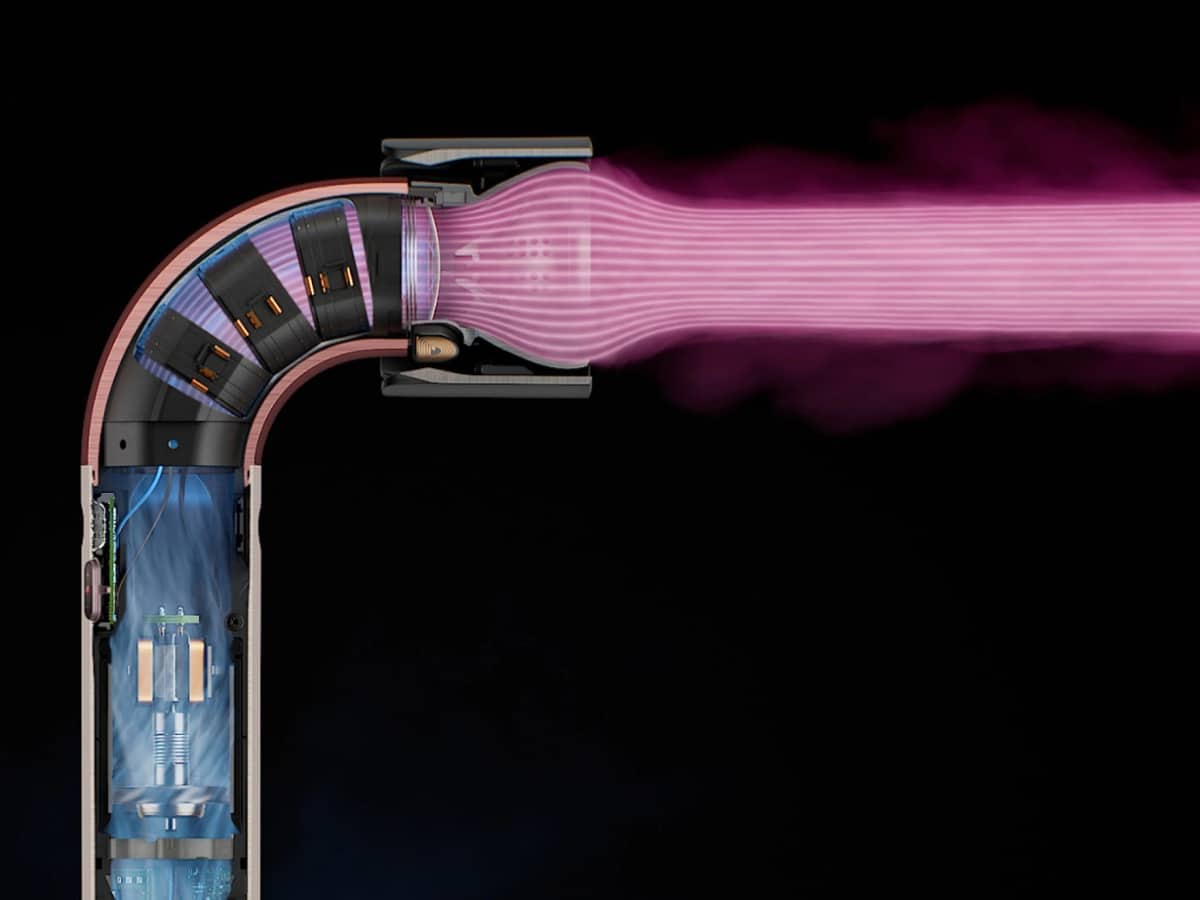
Why the Dyson Supersonic Hair Dryer Was a Half-Century Pivot
Jake Dyson points to the company’s high-speed digital motors as one of its clearest examples of solving ordinary annoyances. Its motor engineers, he says, have spent years building “highly efficient small digital motors” and pushing them into faster, smaller and more powerful forms.
“They’ve found the limits of what is possible,” he says. “Then, through tireless research, they have found a way to smash through those limits, creating some of the fastest, most powerful digital motors in the world.”
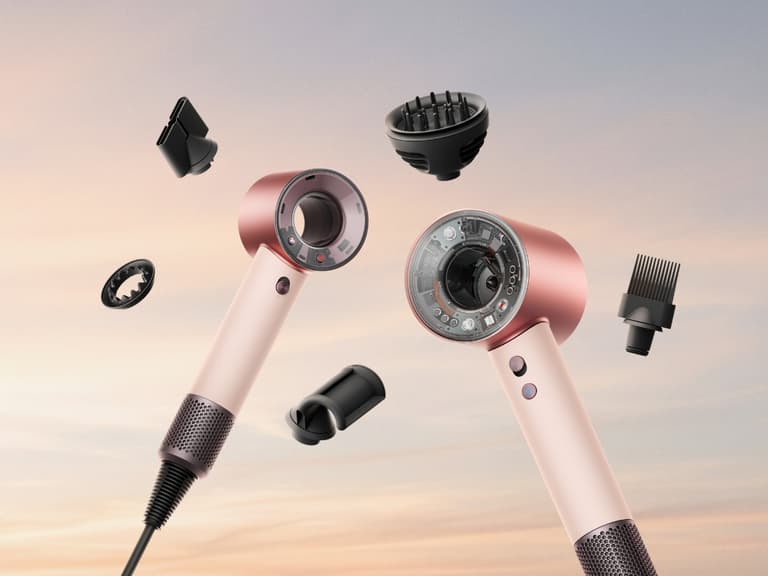
That work eventually led to the Dyson Supersonic hair dryer in 2016. For Jake, the point wasn’t just entering a new category. It was taking a product that had barely moved for decades and asking why everyone had simply accepted it as it was.
” showed that heavy and cumbersome hair dryers with a design that had stood still for half a century could be radically improved,” he says.
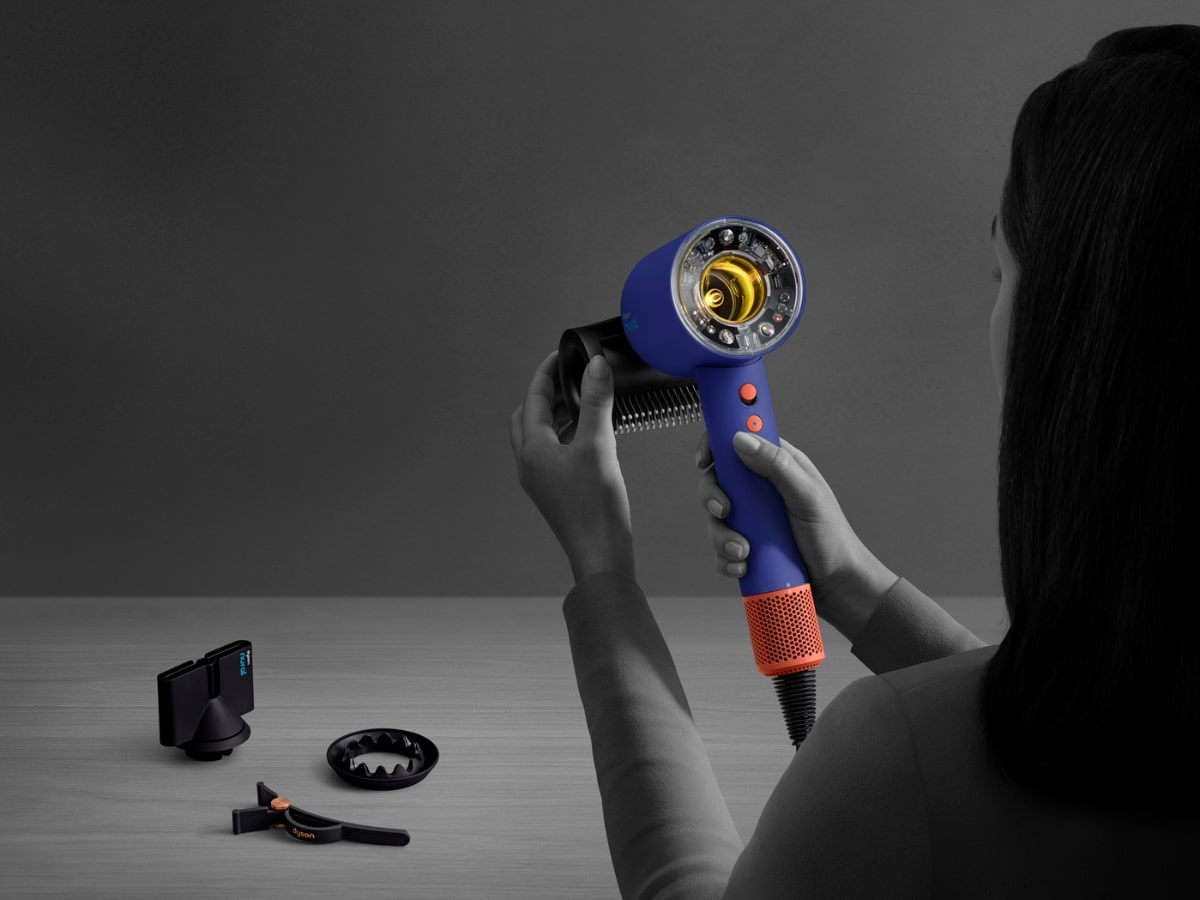
But the rethink is only the beginning for Dyson. Building a better hair dryer wasn’t treated as the final answer. Jake points to the Supersonic Nural, which uses sensors to support faster styling and reduce heat damage, and the Supersonic r, which he describes as the company’s most powerful and lightest hair dryer yet.
“We challenged ourselves to make the hair dryer even better ever since,” he says.
That’s the part that separates Dyson from companies that simply add a new colour, tweak the handle and call it a fresh model. For Jake Dyson, a successful product seems to reveal the next thing that needs fixing.
High-Performing Products vs. Academic Research
Of course, this is where engineering talk can get slippery. Every company says it wants to solve problems. Every brand has a slide deck somewhere about research, iteration and making life better.
Dyson’s version is more practical. The company makes what Jake calls “high-performing, problem-solving products“, and the point is to get them into people’s hands.
“Our research isn’t academic or abstract,” says Jake. “We want to solve problems in people’s everyday lives.”
And sure, with Dyson, you typically have to pay extra to solve your everyday problems. But at least Dyson is clear about how they justify that cost, with a pretty simple test to decide whether an idea is worth pursuing.
“Does this solve a real problem for people? Does it work? If it does, then we keep exploring the idea.”
That’s precisely how Dyson can jump between vacuum cleaners, hair care, lighting, air purification, robotics, farming and cars without the whole thing feeling completely random. The category is rarely the starting point. The irritation is.
“We like to surprise people along the way,” Jake says. “It is our job to find a way through, to keep improving our products constantly.”
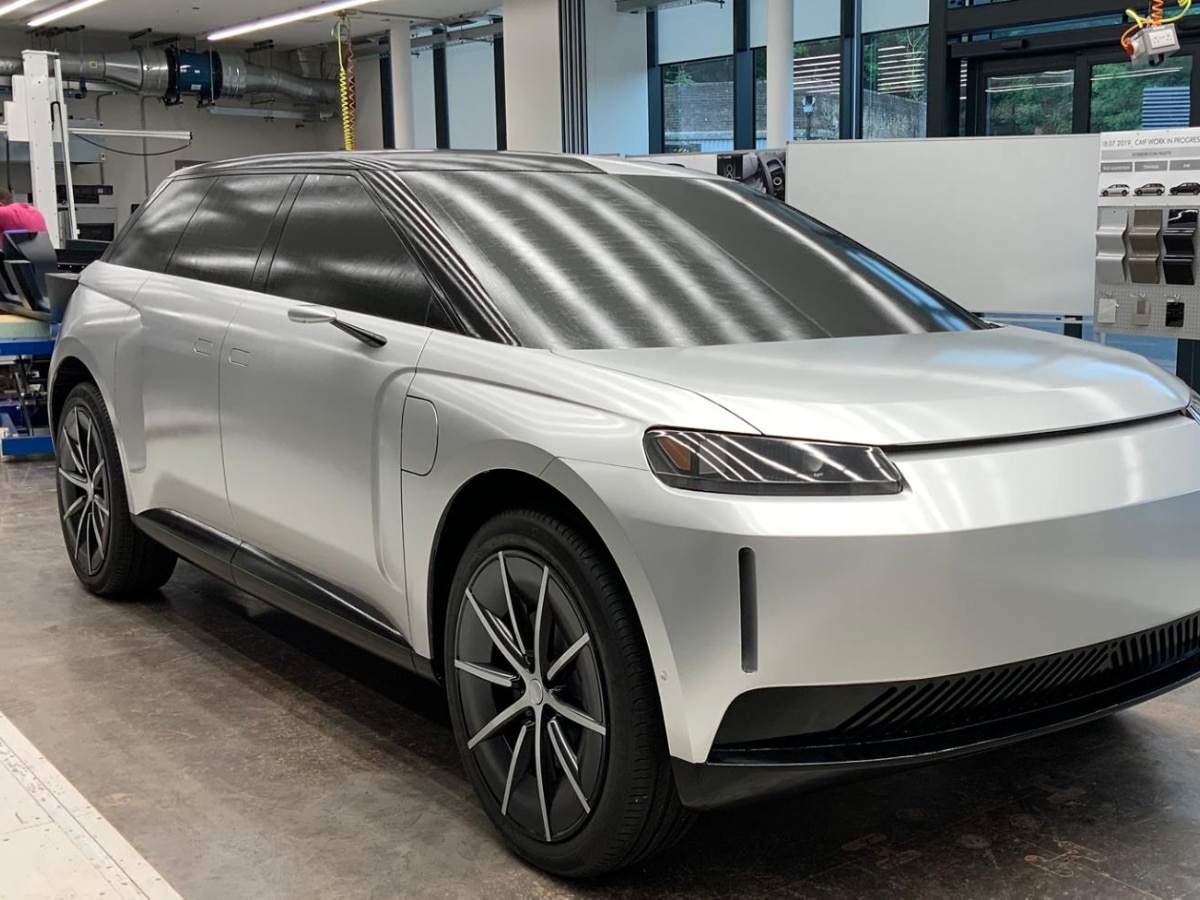
Why the Cancelled Dyson Electric Car Project Still Matters
Not every Dyson project has been successful. The company spent years developing an electric vehicle before pulling the plug in 2019. And yet, Dyson still managed to learn something from the failed endeavour.
“We created a truly innovative car, but we ultimately couldn’t commercialise it,” Jake says, noting that established car makers shifted heavily into electric vehicles after Dieselgate.
The lesson was about the limitations around Dyson’s own philosophy. Sometimes it’s not enough to solve the engineering problem if the market doesn’t accept the solution.
Jake Dyson says the car had “little crossover” with the company’s other areas of focus, but the project brought “an influx of bright minds” into the business, which it is “still benefiting from”.
Even though the car never reached showrooms, the capability it brought into Dyson didn’t disappear with it. The proprietary solid-state battery and digital motor tech developed for the vehicle simply shifted straight back into their home appliances.
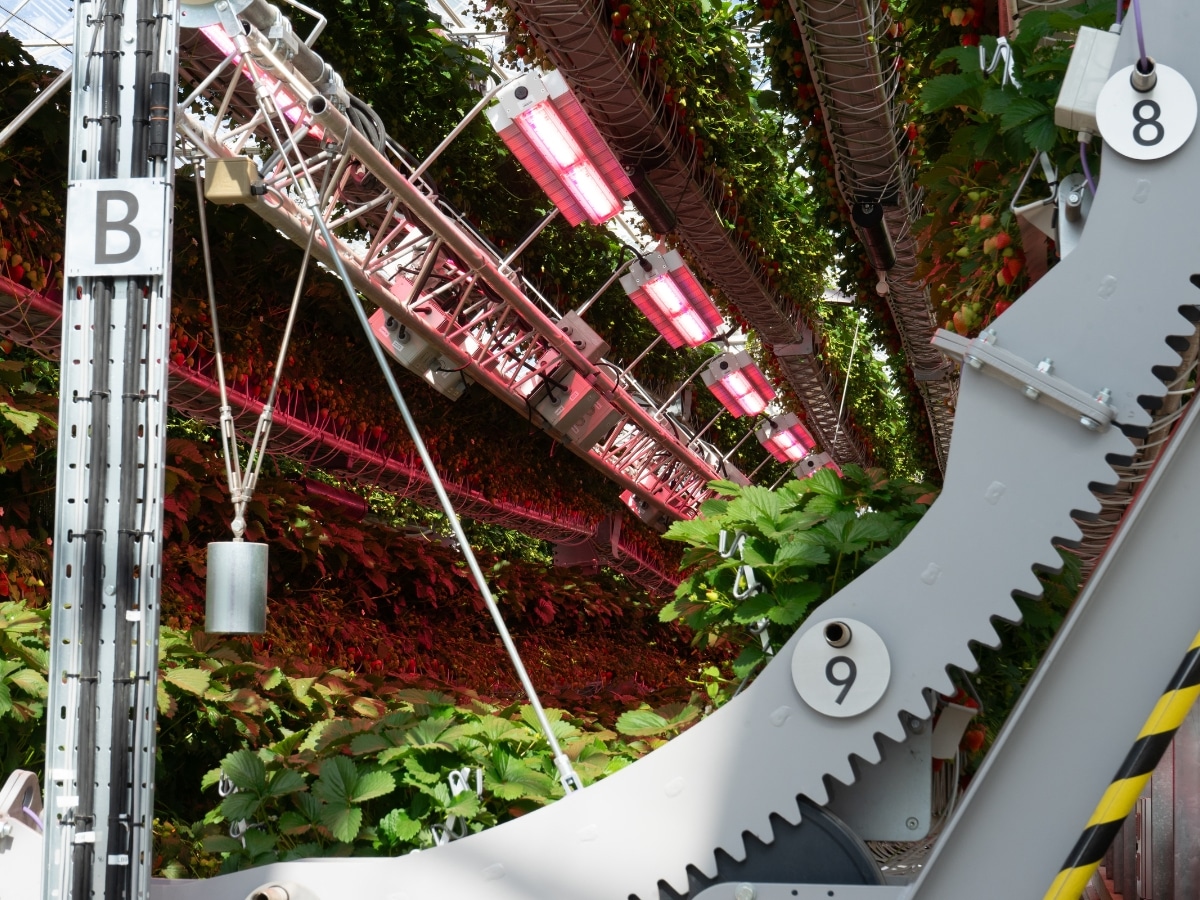
Even Dyson’s Strawberries Fit the Pattern
It might seem strange to say an electric car didn’t fit the company when Dyson is literally growing strawberries in Britain. And yet, here we are.
Dyson Farming can sound like one of those side quests only a billionaire-backed engineering company gets to take seriously. But Jake Dyson explains it in very familiar terms: “It often starts with frustration”.
In this case, the frustration was strawberries that had travelled a long way to Britain and arrived looking better than they tasted. Dyson calls it “a very human disappointment,” which is a polite way of saying those strawberries were rubbish.
But with this being Dyson, the company didn’t leave that disappointment alone. Instead, it applied its engineering and problem-solving skills to improving British strawberries at an industrial scale.
The company’s answer was to treat farming less like a rustic escape and more like a systems problem. Dyson says farming has more in common with manufacturing than it might seem: designing systems, managing energy, optimising inputs and improving performance over time.
“We simply brought a Dyson engineering approach to agriculture,” he says.
The result is a glasshouse designed to grow British strawberries year-round, heated with waste energy from an anaerobic digester. Very fancy stuff indeed.
Among all the Dyson appliances that have solved everyday human frustrations, strawberries still sit out in left field. But Dyson sees the company as a group of “obsessive problem-solvers”. Its curiosity, he says, deepens through “testing, measuring, refining” until the result improves.
If there’s a problem to be solved and enough frustration surrounding it for Dyson to take notice, you can bet it’s working on a way to fix it. In this case, as Dyson puts it, “the strawberries taste superb.”
The Next Frontier: Robotic Vision and AI Smart Cleaners
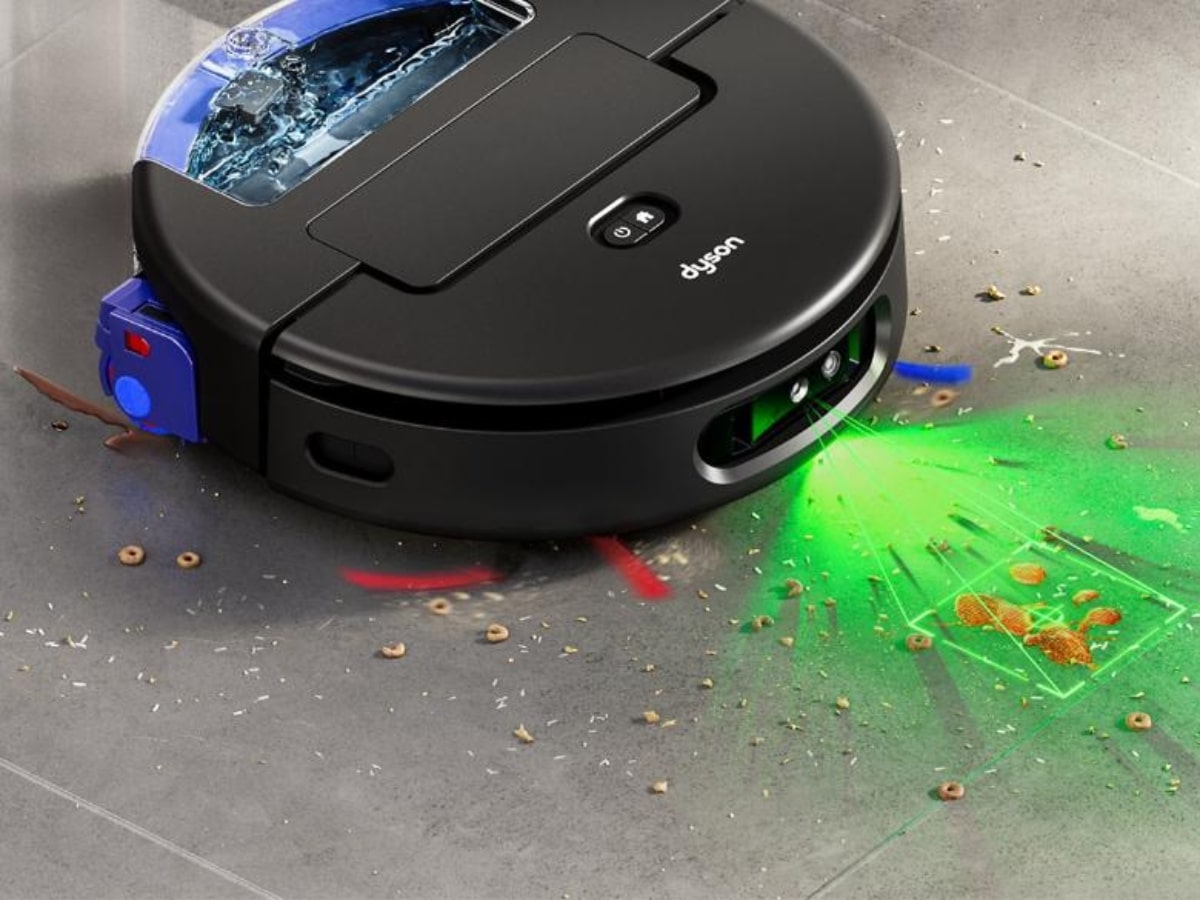
From here, however, the next problem isn’t just whether Dyson can build something better than before. It’s whether the machine can understand the mess in front of it.
“One such example is robotic vision,” Dyson says. “This is an area that our engineers have been working on for well over a decade, allowing our machines to see, interpret and understand their environment.”
The company now invests more than £400 million a year (roughly AUD $763 million) in research and development, including machine learning and AI. Dyson says software, connectivity and AI are increasingly being used to improve everyday products.
His example is the Dyson Spot+Scrub AI robot vacuum, which uses a camera and AI to inspect surfaces, identify stains and keep going back over dirty spots until they’re clean.
It’s the next step for a company already optimising motors, airflow and industrial design. Or more specifically, Dyson answering the old question applied to a newer set of tools: what annoying thing have we all learned to live with, and can a machine be built to deal with it properly?
“Innovation is only successful when it is something that truly benefits people,” Dyson says. “So we stay deeply connected to how products are actually used, in real homes, by real people.”

Dyson Doesn’t Give Away Secrets
Dyson doesn’t give too much away about what comes next. When we asked what everyday frustration he’d most like the company to tackle, he kept the answer open-ended.
“The most interesting problems are often the mundane ones that people have quietly learned to live with,” he says.
That’s probably as close as he gets to revealing their secret visionary sauce.
“Dyson engineers spend their days thinking about all sorts of interesting problems, but we keep our secrets
secret, so watch this space for new ideas, new products and, I hope, one or two surprises.”
Which means Dyson’s next product probably won’t arrive from some wild leap into the unknown. More likely, it’ll start with something obvious, irritating and sitting in plain sight, right up until an engineer decides it never had to be that way.






















Comments
We love hearing from you. or to leave a comment.