

Updated:
Readtime: 27 min
The Lowdown:
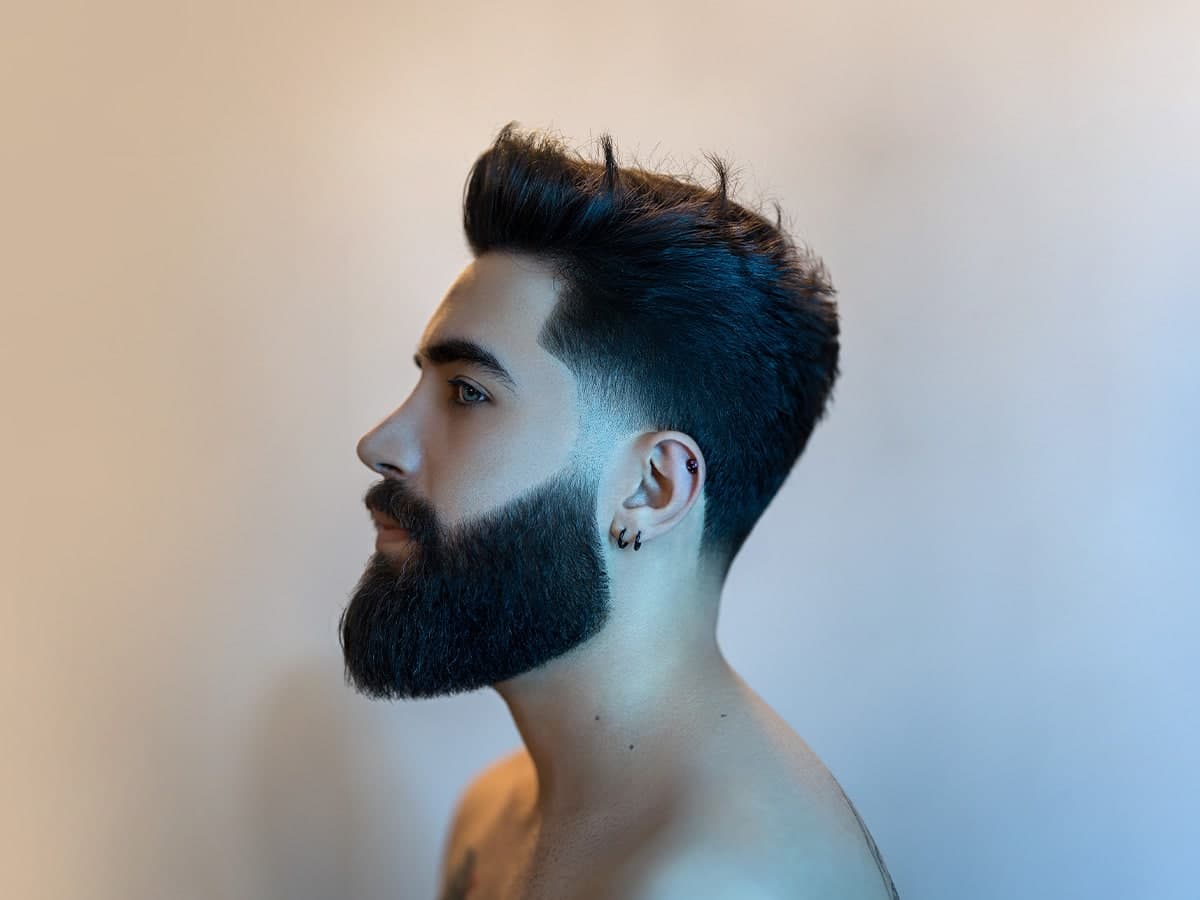
From clean fades to classic crops, a qualified barber breaks down the best short haircuts for men in 2026, including short, simple men’s haircuts, medium-short styles, messy cuts and the exact wording to use in the barber’s chair.
Every product is carefully selected by our editors and experts. If you buy from a link, we may earn a commission. Learn more. For more information on how we test products, click here.
Short haircuts for men are what the little black dress is to women: timeless and effortlessly cool. The classic short back and sides is still the default for a reason, but there is plenty of room to move. A low taper fade can keep things clean, a textured crop can add shape, and a messy short hairstyle can make it look like you woke up with good hair, even if there was some panic in front of the mirror.
In this guide, I’ve rounded up the best short haircuts and hairstyles for men in 2026, broken down by length, face shape, styling effort and what to ask your barber. You’ll find everything from buzz cuts and short crops to medium-short haircuts, undercuts, high fades and messy fringe styles. The trick is not just picking a haircut that looks good in a photo; it is choosing one that works with your hair type, face shape and morning routine.
Before you commit, however, you need to have a consultation with your barber. Tell them how often you want to come in, how much product you’re willing to use and whether you need the cut to work for the office, the weekend or both. A good short haircut should make life easier, not add another job to your morning.
About the author: Nick Hall is an expert on men’s haircuts and styles. He’s a qualified hairdresser and barber with an SHB30516 Certificate III in Barbering from The Queensland Hairdressing Academy. He spent five years as a senior stylist at Brisbane salon The Chopspot and two years at Sydney-based barbershop Kings Domain. As a men’s hairstyle expert, he has personally chosen every haircut on this list, providing extensive first-hand details and insights related to each style.
Men’s Short Haircuts & Hairstyles Overview
Best For Short Haircut to Ask For Maintenance Level Low maintenance Buzz cut or outgrown buzz cut Very low Round or square faces Pompadour or high fade Medium Office-friendly style Side part or 4 back and sides Low Thinning or receding hair Short crop or buzz cut Very low Thick or unruly hair Messy short hairstyle or textured crop Medium Something sharper Undercut, mid drop fade or short mullet Medium to high Best all-rounder Low taper fade Low to medium Medium-short length Pompadour, messy fringe or side part Medium Scroll horizontally to view full table
Best Short Haircuts and Hairstyles for Men
Here’s a curated list of the best short haircuts and medium-short haircuts for men, from easy buzz cuts and crops to sharper fades, messy styles and classic office-friendly cuts. Use these as a guide, but don’t be afraid to add your own personal touch. The best version of any men’s short haircut is the one that suits your face, your hair and your willingness to do more than towel-dry and hope for the best.
1. Outgrown Buzz Cut
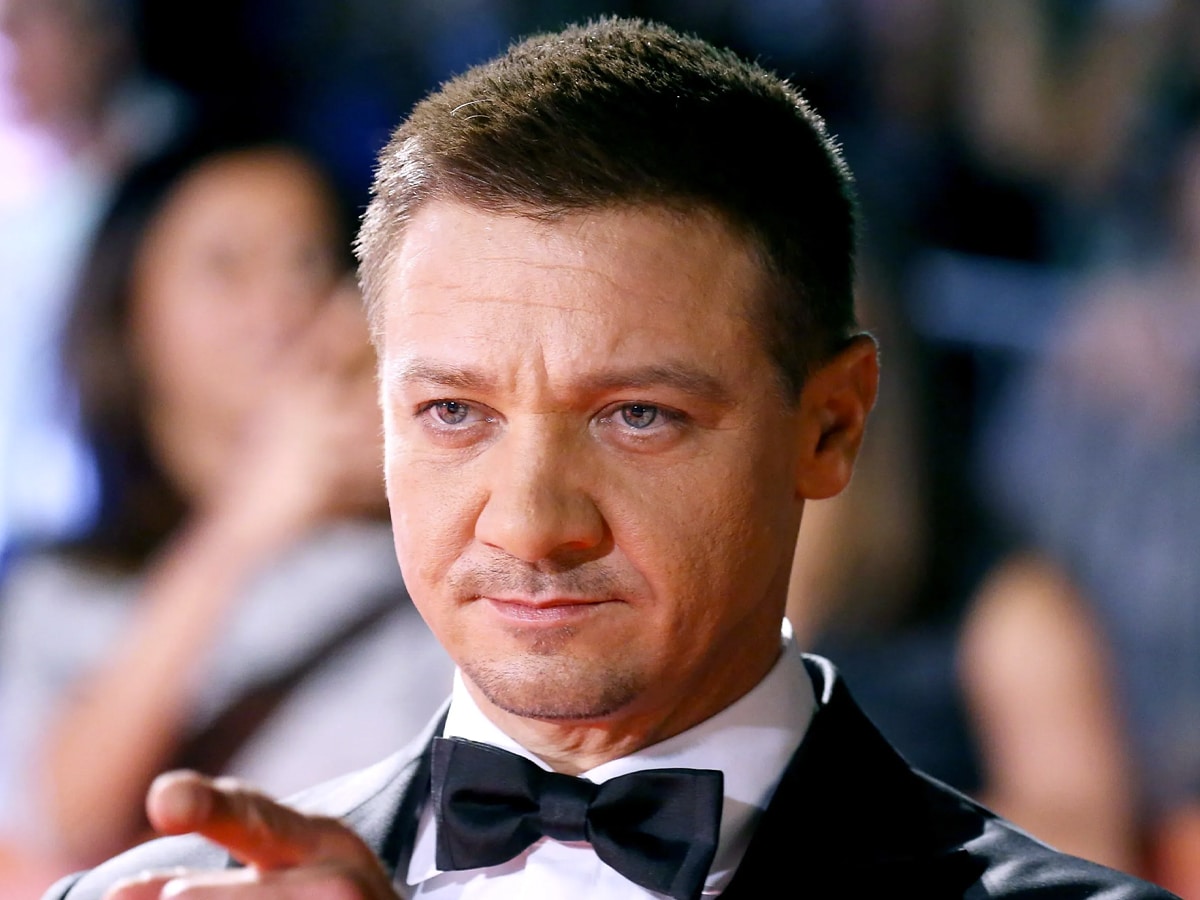
Outgrown Buzz Cut Characteristics
- Longer Length on Top: While a traditional buzz cut keeps the hair on top very short, this style leans more towards a longer clipper length (around a 5 or 6).
- Messy Styling: With the hair short and spiky, styling for this cut should be messy, so look for a matte product that highlights the texture.
Best Face Shapes for Outgrown Buzz Cut
- Oval
- Round
- Square
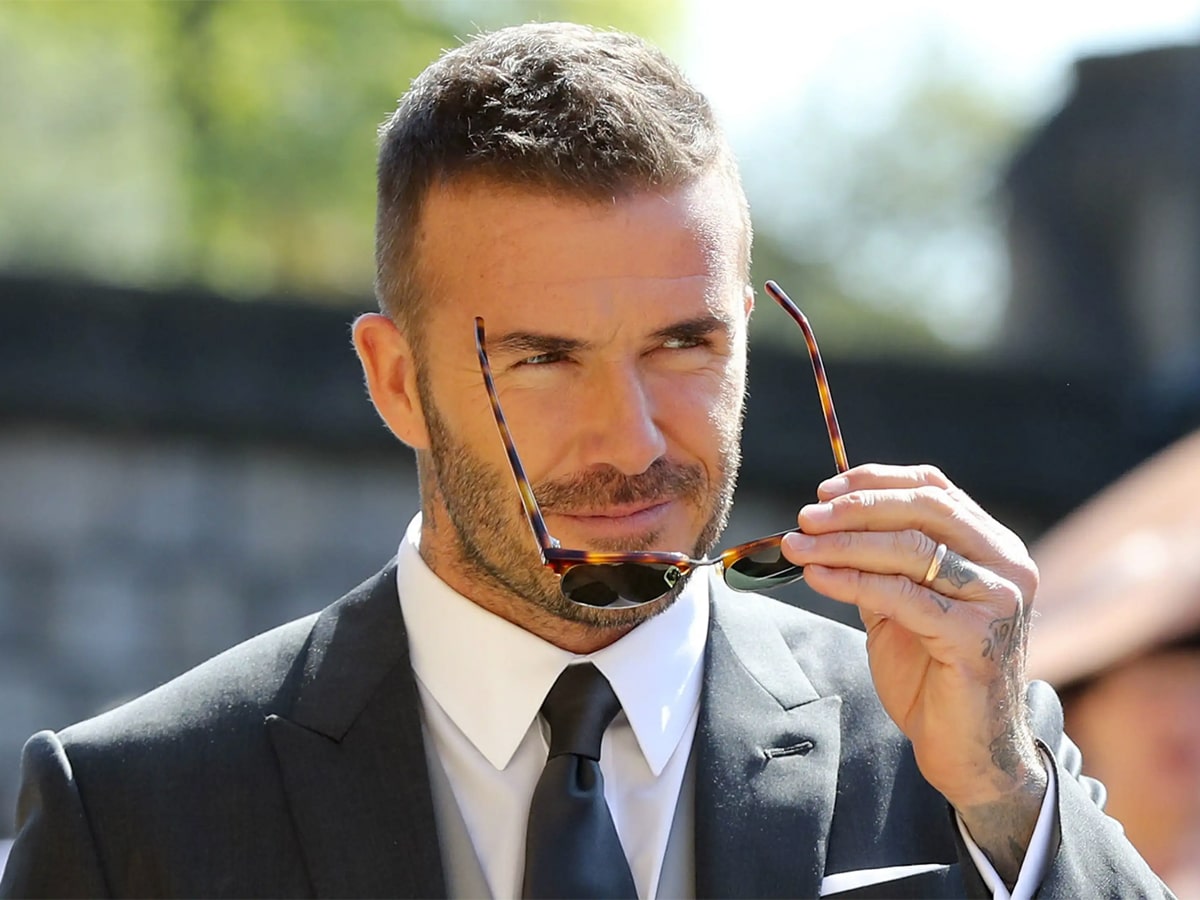
When it comes to stylish men’s haircuts, short is almost always the answer, and in my opinion, the humble buzz cut proves it. I’ve seen it evolve into the ‘outgrown’ buzz cut, with slightly longer clipper lengths on top inspired by the likes of Adam Levine and David Beckham. This version might need a little bit more product, but it gives you far more room to play with texture and shape.
I usually suggest keeping the hair on top about an inch longer than a traditional buzz so you can create some volume while still keeping that clean, close-cropped feel. In my experience, the outgrown buzz cut is incredibly versatile, particularly on oval, round, and square face shapes, where it can help elongate a rounder face and balance out a strong jawline.
How to Achieve an Outgrown Buzz Cut
- Run a long clipper blade all over the head (usually a 5-8 clipper)
- For a more sleek look, run a shorter clipper on the back and sides
- Blend accordingly to remove the blunt edge
2. Short Crop
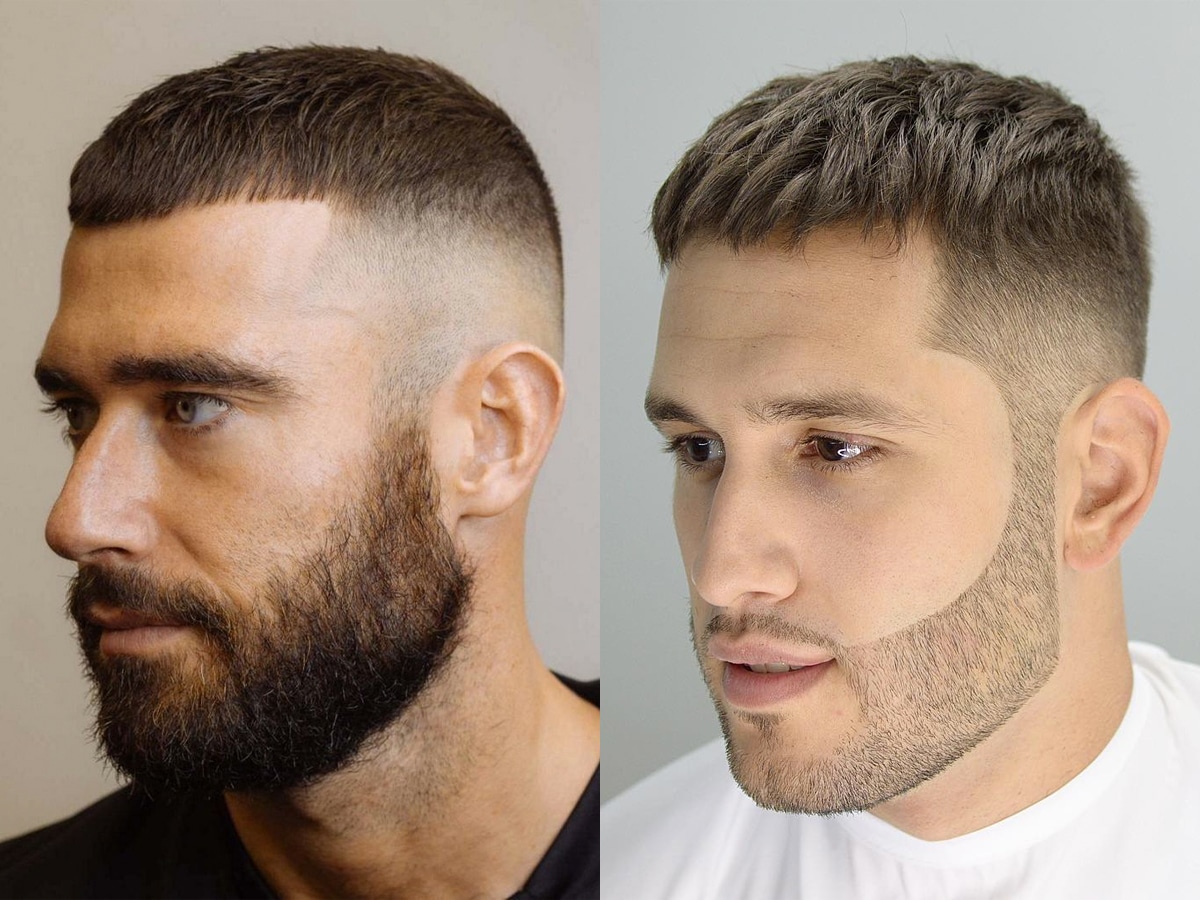
Short Crop Characteristics
- Blunt Fringe: The front section of the hair will be very short and styled forward. This can help add width to an elongated face shape.
- Texture: The hair on top should be highly textured, giving a messy and worn-in appearance to offset the bluntness of the fringe.
Best Face Shapes for Short Crop
- Oval
- Round
- Square
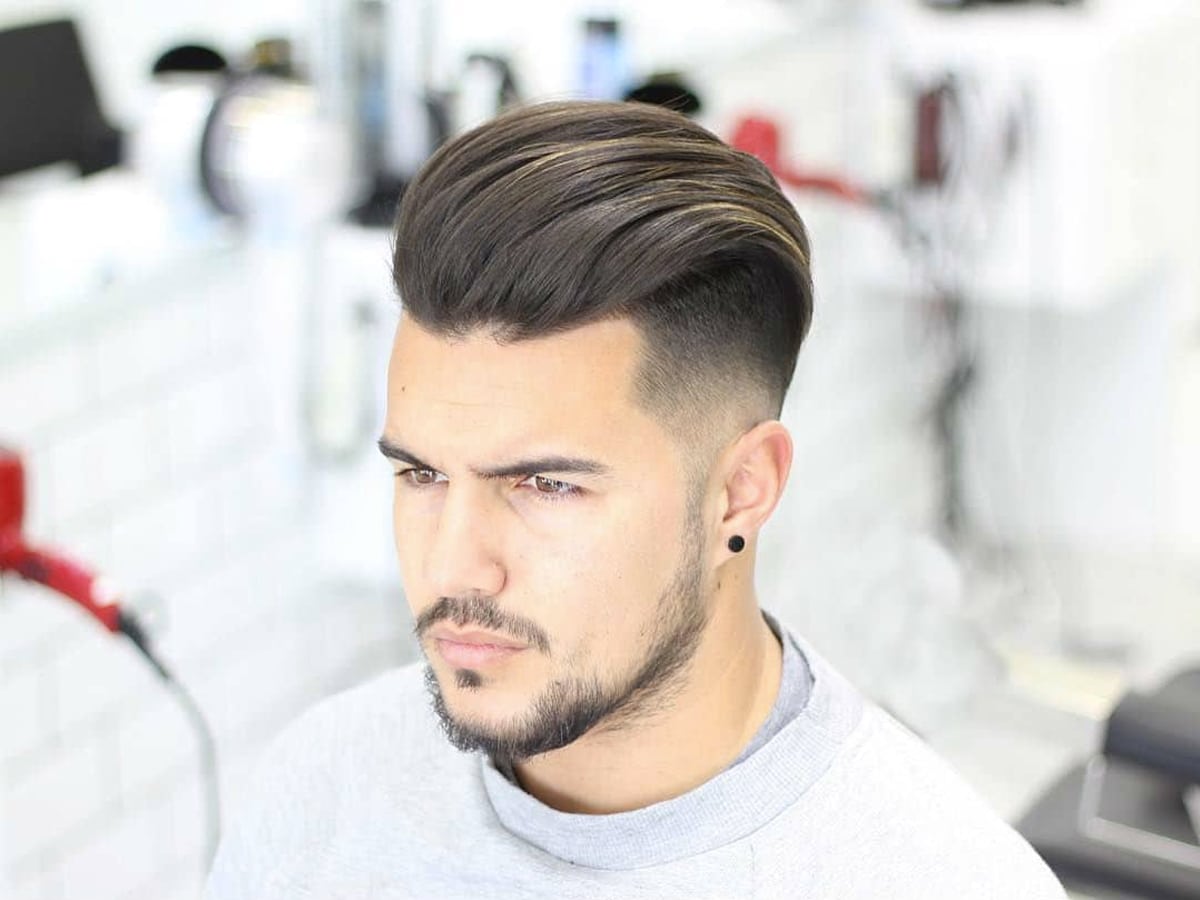
A solid crop cut focuses on keeping short hair closer to the crown and pushed forward, with a blunt fringe through the front. In most cases, that means directing the hair forward before cutting a straight, harsh line across the fringe, but in my opinion, keeping it sitting down and forward tends to look the best.
The risk here is drifting into bowl-cut territory, which is never the goal. To avoid that, I like to build contrast between the short sides and the textured top, or angle the fringe slightly downward so there is more movement and flow through the front.
In my experience, this is one of the most adaptable short hairstyles you can get. It works with almost every face shape, but really shines on oval, round, and square faces, where the short sides and textured top help balance rounder features and sharpen a strong jawline.
How to Achieve a Short Crop Cut
- Ask for a fade on the back and sides. The starting point should be particularly short, generally under a 1-blade
- Scissor-cut the top to around a finger length.
- Ask to have the top point cut for texture.
- For a more blunt look, you can ask to line up the front, however, this will be dependent on your hairline.
- Using texture powder, style the hair forward.
3. Pompadour
Pompadour Characteristics
- High Volume: The pompadour is best characterised by its high-volume top section. Think Elvis Presley and James Dean.
- Styling: While the classic pompadour is generally slick, modern interpretations utilise matte creams and pastes to give a more natural finish.
Best Face Shapes for Pompadours
- Round
- Square
- Triangle
The pompadour is a classic short hairstyle that, in my opinion, suits almost every face shape. The cut has been around for centuries, but most people recognise it as Elvis Presley’s signature look. His version feels a little dated now thanks to the heavy, slick cream and long sideburns, but modern pompadours are every bit as stylish.
Short on the sides and back with extra length on top, this style can be worn neatly swept back or with a more natural wave. If you have a round or square face, the added height and volume on top can help elongate your features and keep everything in proportion. On the flip side, if your face is already quite long or oblong, I would generally steer you away from this option, as it can exaggerate that length.
Traditionally, the pompadour is a scissor-cut with the hair combed back over the ears. Modern versions often bring in clippers on the nape and sideburns for a cleaner finish. You can add a hard side part, wear it pushed up, or keep it more relaxed, but in my opinion, a slick-back with a skin fade is the standout. The sharp top nods to its 1950s roots, while the fade gives it a very contemporary edge.
How to Achieve a Swept Back Pompadour
- Ask to scissor or clipper the back and sides
- Leave significant length on top, however, the texture is up to you. Pompadours can be sleek and polished or have a more textured and messy look
- Depending on the desired texture, style the product when the hair is damp by brushing it all back, before elevating the front section
4. Messy Hairstyle
Messy Hairstyle Characteristics
- Texture: Ask your barber to point-cut the top section for extra texture and movement.
- Powder: Rather than weighing the hair down with thick creams and pastes, a texture powder is the most natural-looking option for this style.
Best Face Shapes for Messy Hairstyles
- Oval
- Triangle
- Oblong
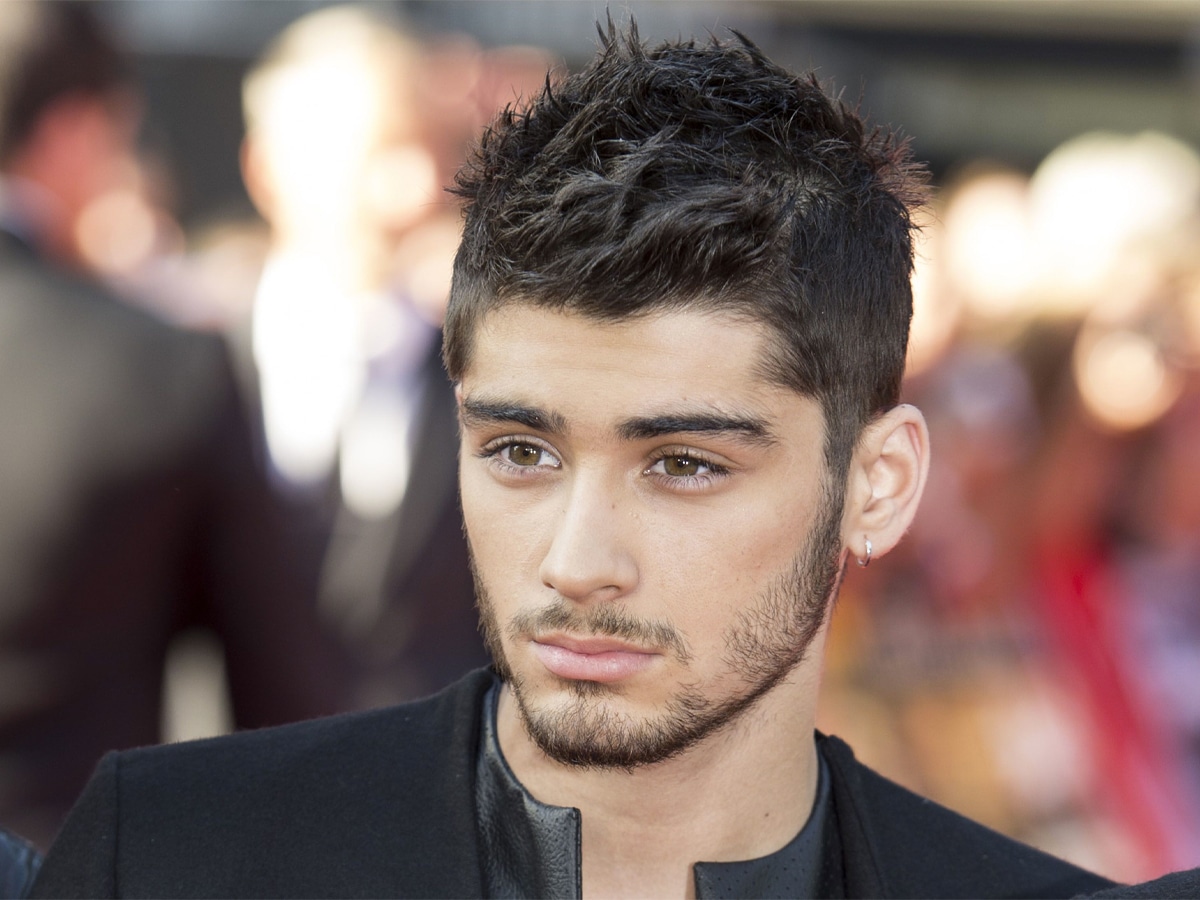
It might look effortless, but a quality messy hairstyle is anything but. Messy fringe styles are best suited to short hair as longer styles will naturally fall and part due to the weight. As a result, you should look to clipper the sides to a 2 or 3, leaving around two to four inches of hair on top.
The key element for making a messy fringe hairstyle work is texture, a visual aid that helps to create volume and definition. I would ask the barber to ‘point-cut’ the top section, a technique that creates slight variances in length and movement. When it comes to styling, look for a textured product, either matte clay or powder, that can add some volume to the overall look. Remember, just because it’s a messy fringe style doesn’t mean that you don’t have to put some effort in.
How to Achieve a Messy Hairstyle
- Ask to clipper the sides short or fade from 0
- Blend the sides using a combination of clipper over comb and scissor work
- Trim the top to around two to four inches
- Ask to have the top point cut to increase texture
- Style using a texture product such as matte clay or powder.
5. Side Part
Side Part Characteristics
- Defined Parting: The hair will split at a defined and predetermined section, running directly from the hairline to the crown.
Best Face Shapes for Side Part Hairstyles
- Oval
- Round
- Diamond
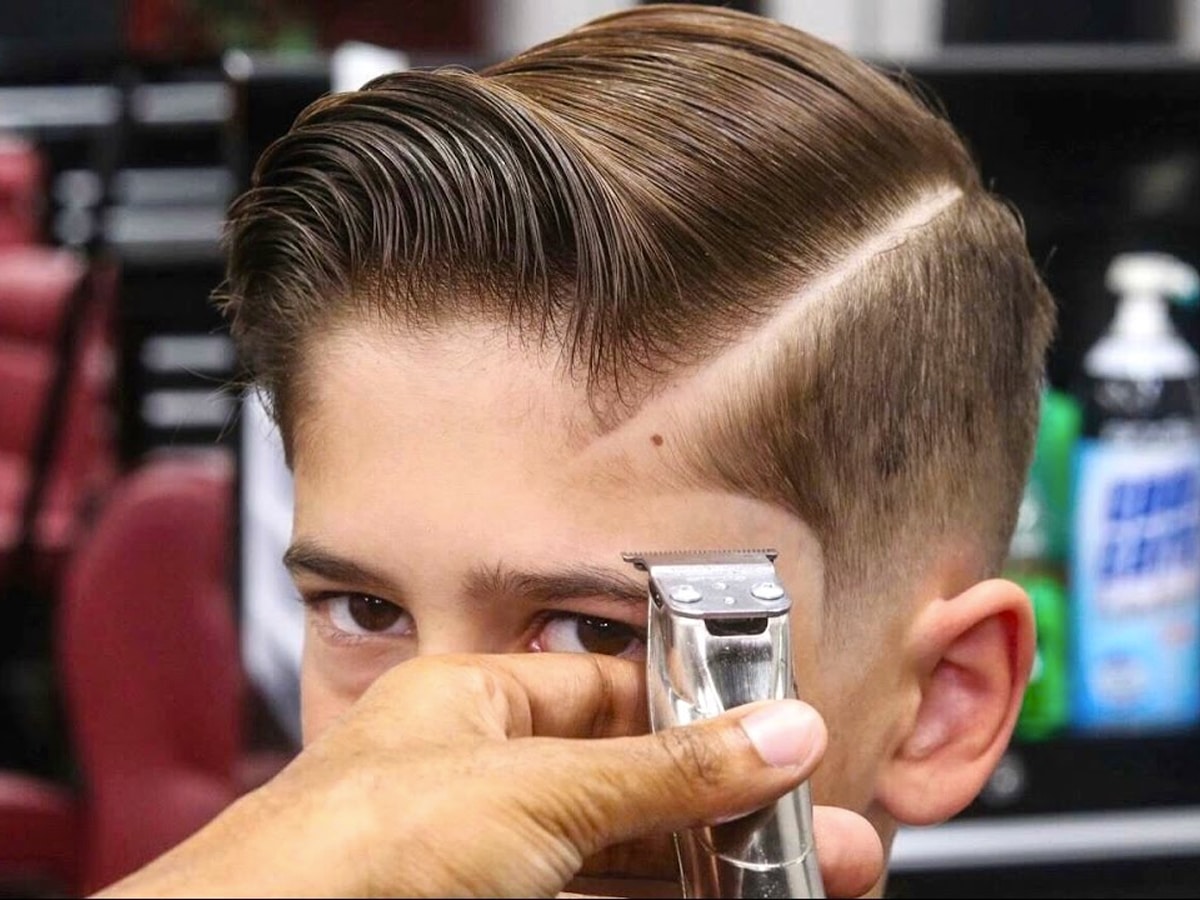
No list of men’s stylish short haircuts is complete without the classic side part. In my opinion, it still works best in professional or formal settings, but it’s also become a go-to everyday cut. The defining feature is the clear part line that runs from the front of the hairline back towards the crown.
The side of your head where the crown sits generally dictates which way the hair wants to part. To find the natural spot, run a comb in a straight line from the centre of the crown to the hairline and see where it falls. Cowlicks and curls can make things a bit tricky, but this style is most at home on thick, straight hair.
In recent years, some barbers have shaved the hair right up to the part to create a hard ‘disconnection’, but I wouldn’t recommend it. It tends to grow out awkwardly and can even cut into the crown. Instead, ask to keep some weight on the part side and have it blended, then leave two to three inches on top so you can sweep it over in one direction. For a clean, classic finish, use a pomade or water-based product; if you prefer something more relaxed, a matte clay will tone it down nicely.
How to Achieve a Side Part
- Ask to clipper or scissor the sides and back
- Using the natural part as a guide, ask to leave some weight on the part side and blend it
- Trim the top to around two or three inches
- Style the top by combing the hair to one side and elevating the front section
6. Undercut
Undercut Characteristics
- Harsh Disconnection: This cut will have a distinct and noticeable variance in lengths from side to top, whereby the elongated sections on top overhang the sharp sides and back.
- Short Sides and Back: To make the hairstyle work, the sides and back will be dramatically shorter than the top, so it’s always a good idea to opt for a fade on these sections.
Best Face Shapes for Undercuts
- Square
- Round
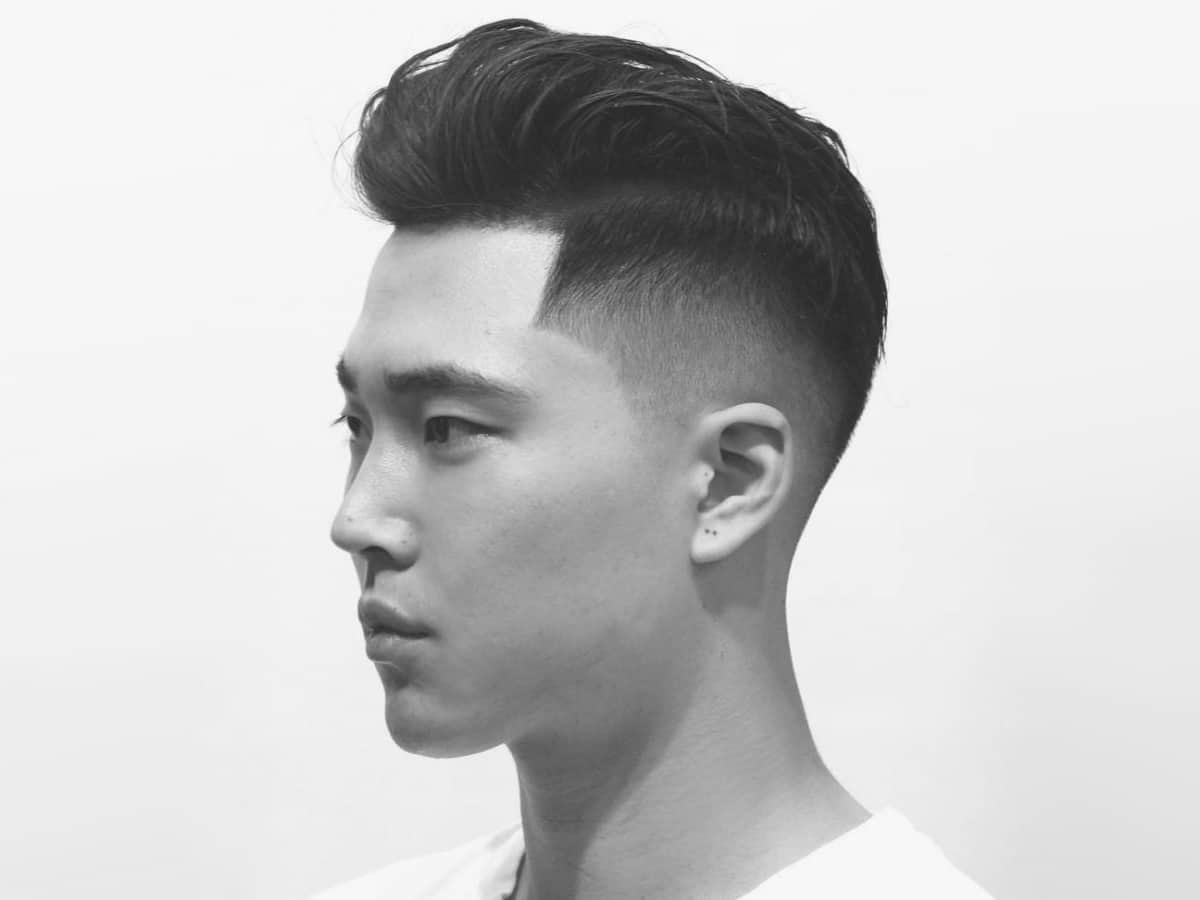
When it comes to men’s stylish short haircuts, the simple undercut is sharp and clean. This men’s short hairstyle is best characterised by its unique approach to the sides and back, marking a significant contrast to the long sections on top. Unlike a fade, where the hair transitions smoothly from short to long, the undercut clearly distinguishes between the short sides and the longer top.
While it might seem a little extreme, the undercut can actually be a good choice for a number of different face shapes, particularly those with extra width towards the jawline. For square and round face shapes, the added height can create the illusion of length, giving you a more balanced look. Though harder to maintain than other short hair cuts men tend to go for, the simple undercut is both practical and attractive.
How to Achieve the Undercut
- Ask to shave the sides and back relatively high
- Disconnect the top by having a defined contract between long and short sections (no blend)

7. Buzz Cut
Buzz Cut Characteristics
- Clipper Length on Top: Short clipper-length hair on top leaves little room for styling.
- Low-Maintenance Hairstyle for Men: The buzz cut is easily the most low-maintenance hairstyle for men as it does not require any styling.
Best Face Shapes for Buzz Cuts
- Oval
- Square
- Round
- Diamond
Being the fastest hairstyle for men, shaving your entire head might sound like the lazy man’s way out, the truth is that a quality buzz cut can often do wonders for your overall appearance, especially when it plays off the contours of your face. I’ve always found that oval and square-shaped faces usually go best with the buzz cut, but any shape that has significant width across the forehead will benefit from this style. As mentioned above, you can take the top down with a longer clipper in order to leave yourself some hair to style and play with, but the best option is likely a #2 or #3 guard over the scalp.
How to Achieve a Buzz Cut
- Run a clipper over the entire head to create a uniform length
- For a cleaner look taper or fade the back and sides with a shorter clipper
8. 4 Back and Sides
4 Back and Sides Characteristics
- #4 Guard Lengths: As the name suggests, this hairstyle takes a conservative #4 guard to the back and sides, giving you a grown-in look that is easy to style.
- Corporate Look: This hairstyle is best categorised as a corporate haircut. Straightforward and inoffensive, it is the everyman’s cut.
Best Face Shapes for 4 Back and Sides
- Oblong
- Round
- Triangle
- Oval
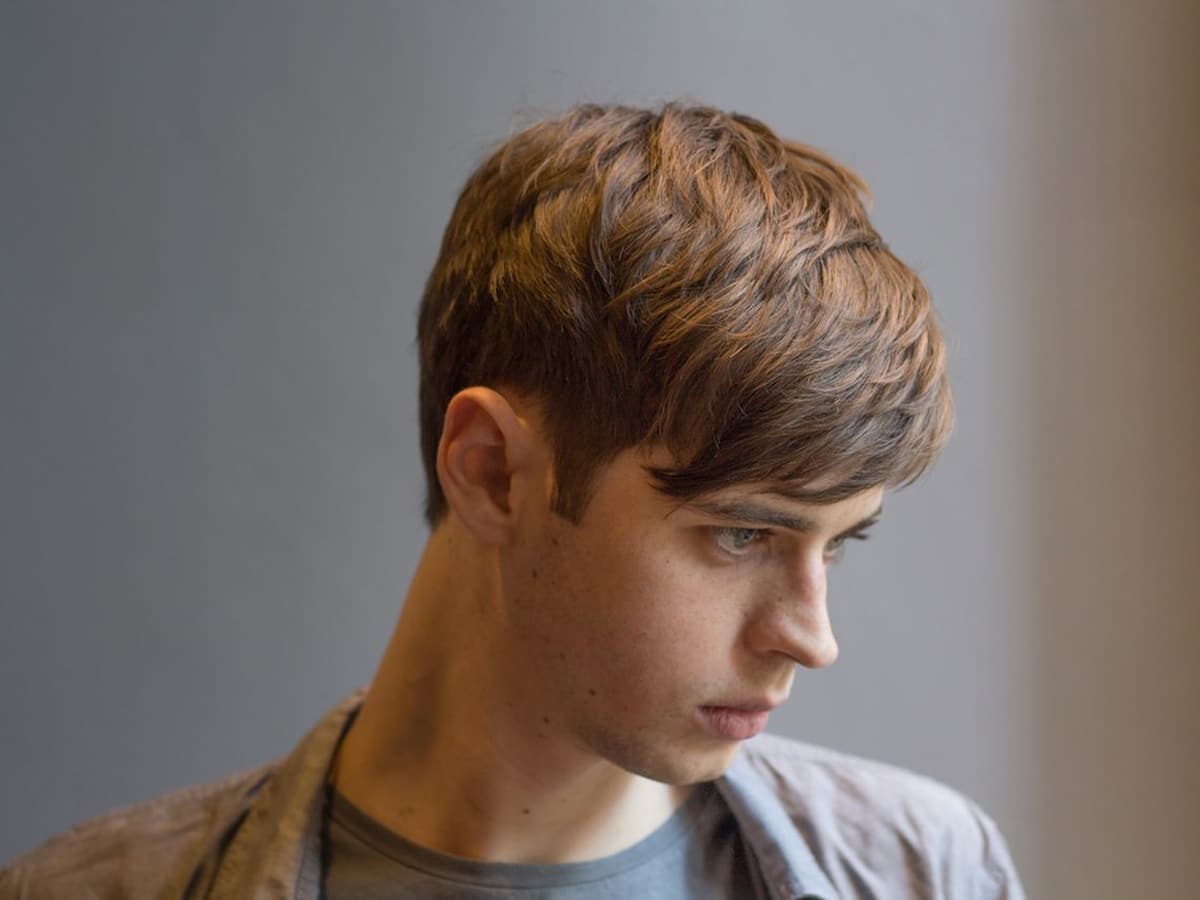
Not every short back and sides haircut has to cling tightly to the crown. Instead of a buzz cut or undercut, ask your barber for a 4 back and sides cut, which keeps things uniformly short in length, but not too short. In essence, this is the perfect example of a textbook corporate hairstyle and in my time working at inner-city and CBD barbershops, I executed thousands of these cuts. The 4 in the name refers to the #4 clipper guard that is used on the back sides, which roughly equates to around 13mm in length.
The big benefit of this style is that it is entirely inoffensive and simple, making it incredibly versatile. You can add a side part if need be, create a bit of movement and texture with a powder product, or simply give it a comb, and you are on your way.
How to Achieve a 4 Back and Sides
- Run a 4 blade clipper on the back and sides
- Ask to blend the shorter sections with the top
- Trim the top to a manageable length, generally three to five inches
9. Low Taper Fade
Low Taper Fade Characteristics
- Low Fade Point: Where the taper begins is quite low on the sides and back of the head, typically around the hairline at the nape of the neck.
- Gradual Transition: As this is the least aggressive style of the cut, the hair on the sides and back of the head gradually fades into longer hair on the top of the head. Similarly, the transition between the shorter and longer hair is more natural and subtle, without a distinct line as in a high taper fade.
Best Face Shapes for Low Taper Fade
- Oblong
- Round
- Oval
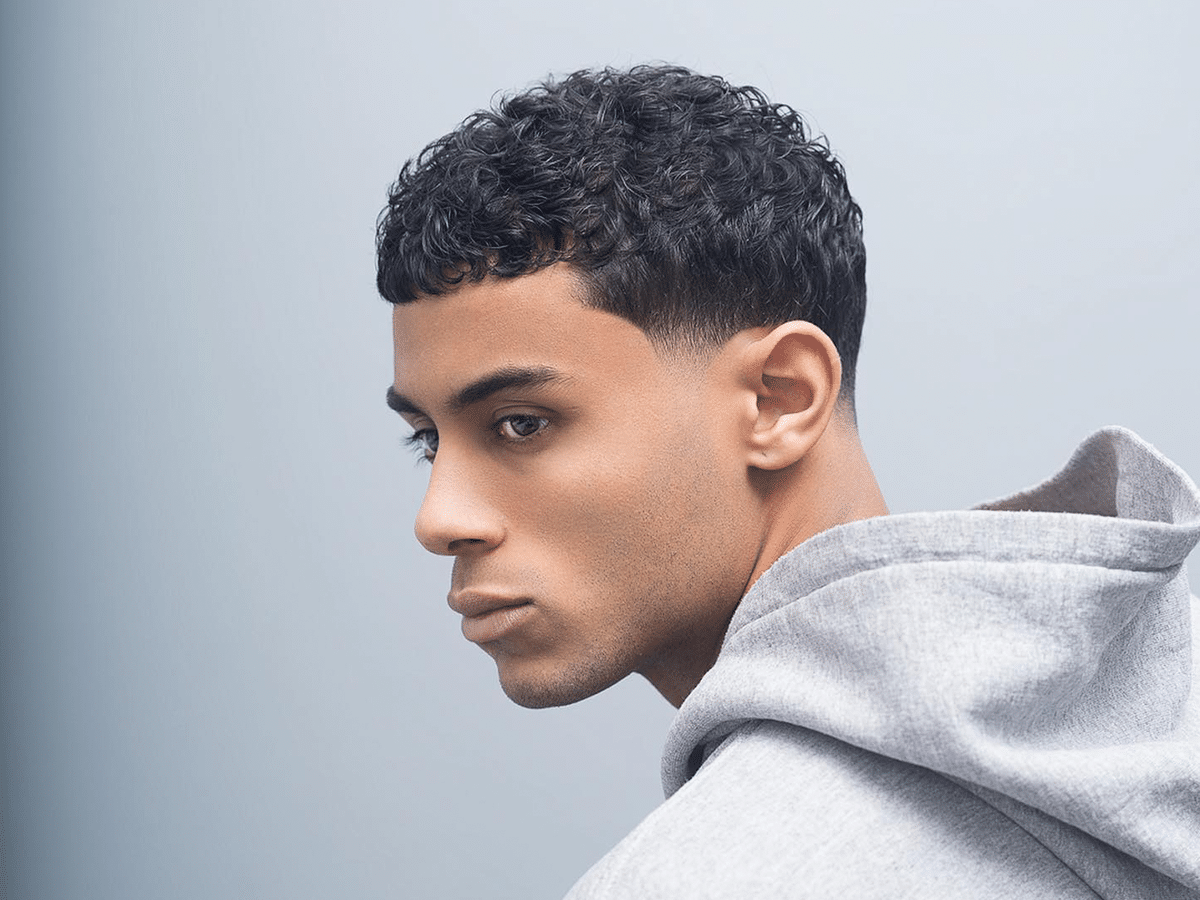
The low taper fade is, in my opinion, one of the most versatile short hairstyles for men. It’s a simple cut where the hair at the sideburns and nape is faded down to the skin in a smooth, gradual way, with the blend point usually sitting just above the earline.
Traditionally, the taper would connect the sideburns and nape, but more recently you’ll see a low taper at the sides with a softer, more natural finish through the back. That lets you work with the hair’s natural fall and movement.
You’ve got plenty of options on top. Tapers work with slick-backs, clean classic styles and even buzz cuts, but if you want something a bit more contemporary, I’d lean towards a low-taper textured fringe styled downward to help shape the hairline and soften a wider forehead.
The low taper fade is the perfect entry point if you want a low-maintenance cut that still feels current. You can always raise the blend over time and move into a mid or high fade if you decide you’re ready for something sharper.
How to Achieve a Low Taper Fade
- Run a clipper on the sideburns and nape
- Gradually fade these areas down to the skin
- Ask to keep the blend point of the hair below the temple line

10. Mid Drop Fade
Mid Drop Fade Characteristics
- Gradual fade: The hair on the sides and back of the head gradually tapers down in length from the longer hair on top. The fade can be smooth or more abrupt, depending on personal preference.
- Fade Drops at the Back: The main characteristic of this haircut is the rounded movement of the blend point. The fade may start at the temple line on the sides, however, as it makes its way around the back of the head, it drops below the occipital bone.
Best Face Shapes for Mid Drop Fade
- Oblong
- Round
- Oval
If you’re looking to make more of a visual statement, the mid drop fade is a good option. It works like a traditional fade: the hair is taken very short around the head and gradually blended into the length on top. The difference, however, is the overall shape.
The key detail is the rounded blend point. It might start higher at the sideburns, then drop lower as it wraps around the back. That can be for style, personal preference or even to disguise thinner patches. Dropping the fade below the occipital bone often makes it look cleaner and more natural.
With this type of fade, you’ll usually see a defined line a few centimetres above and behind the ears. In my opinion, it’s a great choice if you’re bored of a standard skin fade but still want something sharp. The mid drop fade feels a touch more stylish than a basic low-effort cut, yet it’s still neat enough for any formal setting.
How to Achieve a Mid Drop Fade
- Run a clipper on the sideburns and nape
- Gradually fade these areas down to the skin
- Ask to keep the blend point of the hair below the occipital bone at the back

11. Short Mullet
Short Mullet Characteristics
- Short Mullet Section: The mullet section of the hair at the back should be kept very short, just visible, flicking out behind the ears.
Best Face Shapes for Short Mullet
- Oblong
- Oval
A favourite amongst celebrities such as Jacob Elordi and Paul Mescal, the short mullet adds a little flair to the contentious cut. More on the ‘medium short haircuts for guys’ side rather than just a straightforward clipper trim, this style sees the hair on top and sides kept relatively short, with a slightly elongated section left at the nape.
This read at the back of the head will be left far more natural, allowing the hair to flow and flick subtly out to the sides. To achieve this look, ask your barber or hairdresser to feather blade the back section as this technique with create a softer, more natural finish. Best of all, this cut is one of the easiest and best mullet styles to pull off, as it doesn’t require much maintenance.
I recommend styling the top of the hair with a messy fringe to create a bit of texture and movement, while the back should be ruffled naturally with your fingers. For this cut, I would opt for a texturising powder or sea salt spray, as you don’t want a product that will congeal or add too much weight to the back of the head.
How to Achieve a Short Mullet
- Point cut the top and keep the sides relatively short
- Gradually fade the sideburns down – however, this does not need to be to skin
- Feather blade the back of the hair and keep the length an inch or two longer than the longest section of the sides
12. High Fade
High Fade Characteristics
- High Blend Point: High fades have a distinct line where the short hair transitions to the longer hair on top, generally above the ear line.
- Short Sides and Back: The sides and back of the hair will be taken down below a 0.
- Sharp Fade Line: As the blend point is high, the transition from short to long hair lengths will be rapid, leaving a sharp fade line. This is also often referred to as a ‘quick fade’.
Best Face Shapes for High Fade
- Pear
- Oblong
- Oval
- Square
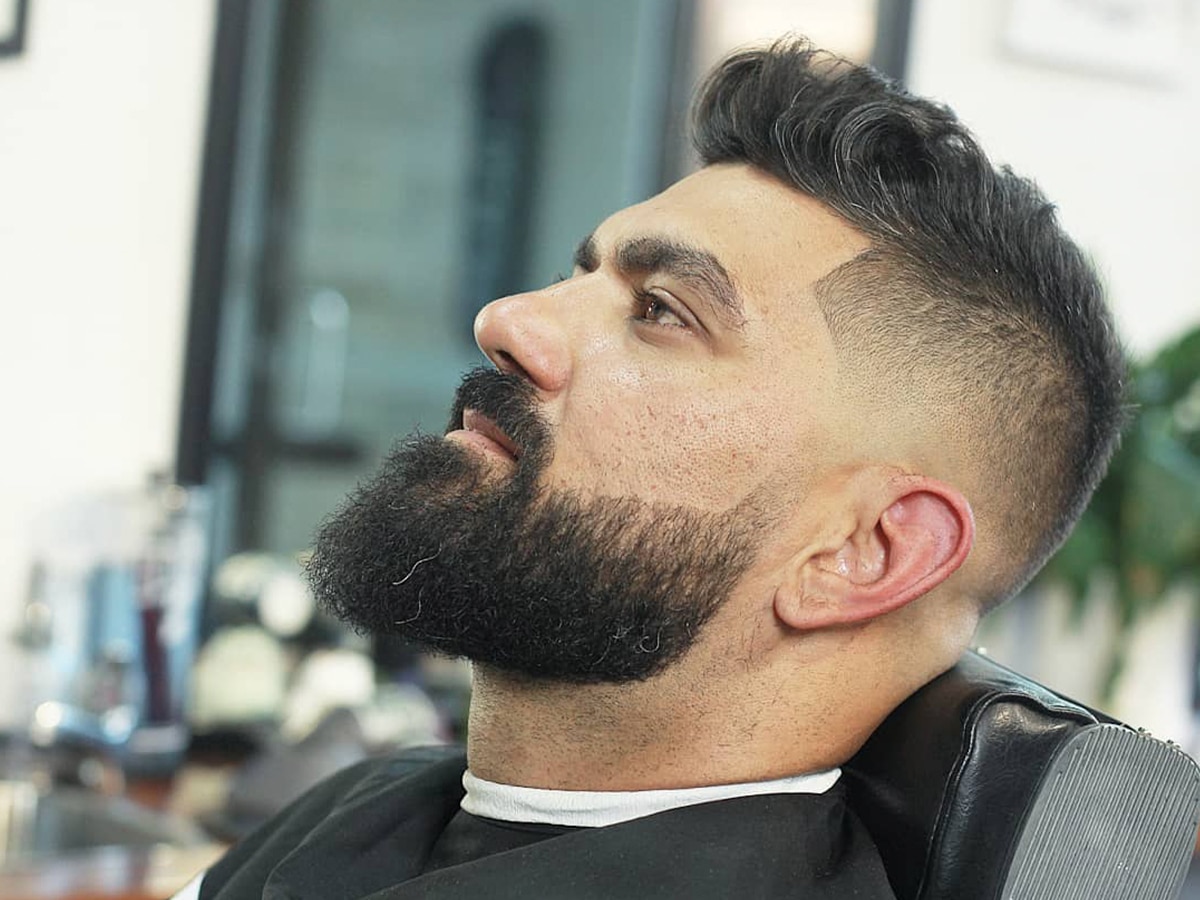
On the more extreme end of short haircuts, the high fade pushes the blend point right up the sides of the head, creating a sharp jump between long and short. It takes its cues from classic military cuts and is best known for that intense contrast.
This style exposes most of the sides and back, with the connection between the top and sides usually sitting just above the temple, which is why it’s often called a “quick fade” or “high and tight.” It works best on thick, dense hair – tight curls, wavy hair and many Asian hair types tend to really suit it – but it does demand frequent trips to the barber. If you’re taking the sides and nape down to the skin, expect it to grow out in a week or two.
If you’re trying a high fade for the first time, it’s worth leaving a little extra length on top. Thinking about your face shape before you trim the top will help, but generally keeping more length is the easiest way to ease into the look without going all in straight away.
How to Achieve a High Fade
- Take the hair down to the skin all the way around the head, starting at the temple
- Gradually fade the shortest sections into the length on top, ensuring there is a natural gradient
How to Choose the Right Short Haircut for Men
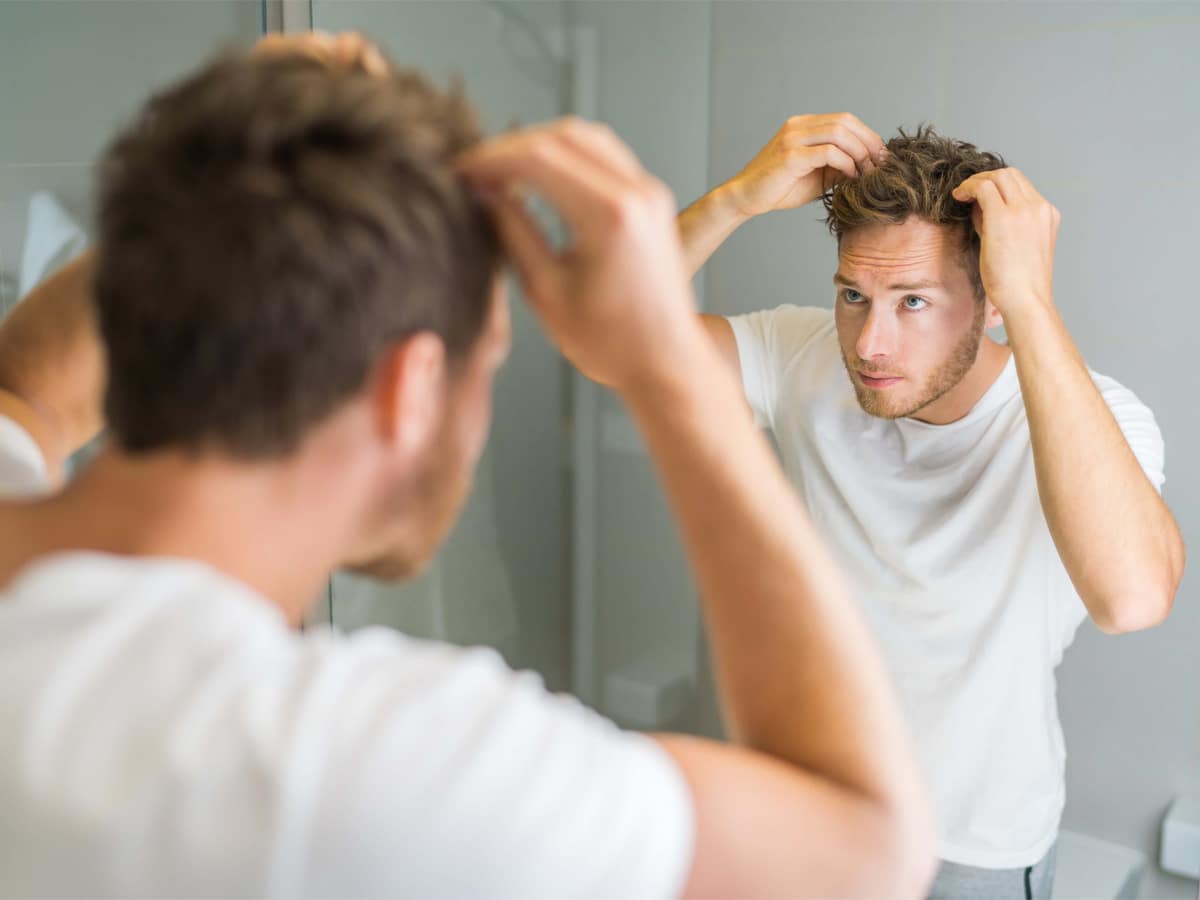
The easiest way to choose a short haircut is to start with your face shape, then think about your hair type and lifestyle. If you have a round face, a little height on top, such as a pompadour, messy fringe or high fade, can help create length. If you have a square face, you can usually get away with stronger shapes like a buzz cut, crop or undercut because the jawline already does a lot of the heavy lifting.
For straight hair, classic short haircuts like the side part, 4 back and sides, crop and pompadour are usually the easiest to control. Wavy hair works well with messy short hairstyles, low taper fades and medium-short cuts because the natural movement gives the style more character. If your hair is thick, ask your barber to remove weight through the top with point cutting or texturising. If it is fine or thinning, keep the sides neat and avoid leaving too much wispy length on top.
The other big factor is maintenance. A buzz cut or 4 back and sides can be tidied up quickly and needs very little product. A high fade, pompadour or undercut looks sharper, but it will also show regrowth faster. In my experience, the best short haircut is the one you can actually maintain between appointments.
Short Haircut Terms to Know Before You Sit in the Chair
Knowing a few barbering terms will make your next haircut much easier. You don’t need to speak fluent clipper, but knowing the basics means you are less likely to ask for a low taper and walk out with a full skin fade.
| Term | What it Means | When to Ask For it |
| Fade | Hair gradually goes from very short, sometimes down to skin, into longer hair above. | Ask for this if you want a sharper, cleaner finish on the sides and back. |
| Taper | A softer graduation around the sideburns and neckline, usually less aggressive than a fade. | Ask for this if you want a neat cut that grows out naturally. |
| Low fade | The fade starts lower on the head, usually around the ear or neckline. | Best if you want a modern cut without looking too severe. |
| Mid fade | The fade starts around the middle of the sides and drops or blends into the back. | Good if you want more contrast than a low fade but not a full high fade. |
| High fade | The fade starts high near the temple and creates a sharper contrast. | Best for a bold, clean look, especially with thick hair. |
| Texture | Small variations in length cut into the hair to create movement. | Ask for this if your hair sits too flat or looks too heavy. |
| Point cutting | A scissor technique used to soften the ends and add movement. | Useful for messy short hair, crops and fringes. |
| Guard number | The clipper length used on the hair. A #4 is longer than a #1. | Use this when explaining how short you want the sides or top. |
Short, Simple Men’s Haircut Tips From a Barber
What’s important is that you strike a balance between personal aesthetics and contemporary trends. You should also be prepared to get handy with the hair product, as even short men’s haircuts can go awry when left to their own devices. Here are some pointers from the experts:
- Add Texture – Be sure to utilise texture to its fullest potential. More texture means more room to play with various looks and styles. That goes for simple haircuts and complicated ones alike. You can gain texture through layering, choosing the right cut, using quality shampoos and conditioners, using sea salt sprays and even adding natural highlights.
- Go a Little Longer – Try to go a little longer on the top than on the sides. A nice taper, fade or undercut complements just about any short hairstyle on top and will serve you well.
- Add Product – Proper men’s hair products will help you go the extra style mile and allow you to experiment. Consider using some holding gel for conditioning and firmness, and then adding a touch (and just a touch) of pomade for texture and shine. Avoid the cheap stuff because you’ll get what you pay for
- Haircare – Don’t take your short hair for granted or let your aesthetic fall by the wayside. Visit your barber or hairdresser once every four weeks and maintain a diligent grooming regimen, including the removal of visible neck hair.
- If You’re Receding – If your men’s hair is thinning out and bald spots are forming, avoid the comb-over or equivalent equally transparent methods. Instead, go for a short crop cut, a buzz cut or shave your head entirely.
Men’s Short & Medium Haircut Inspo
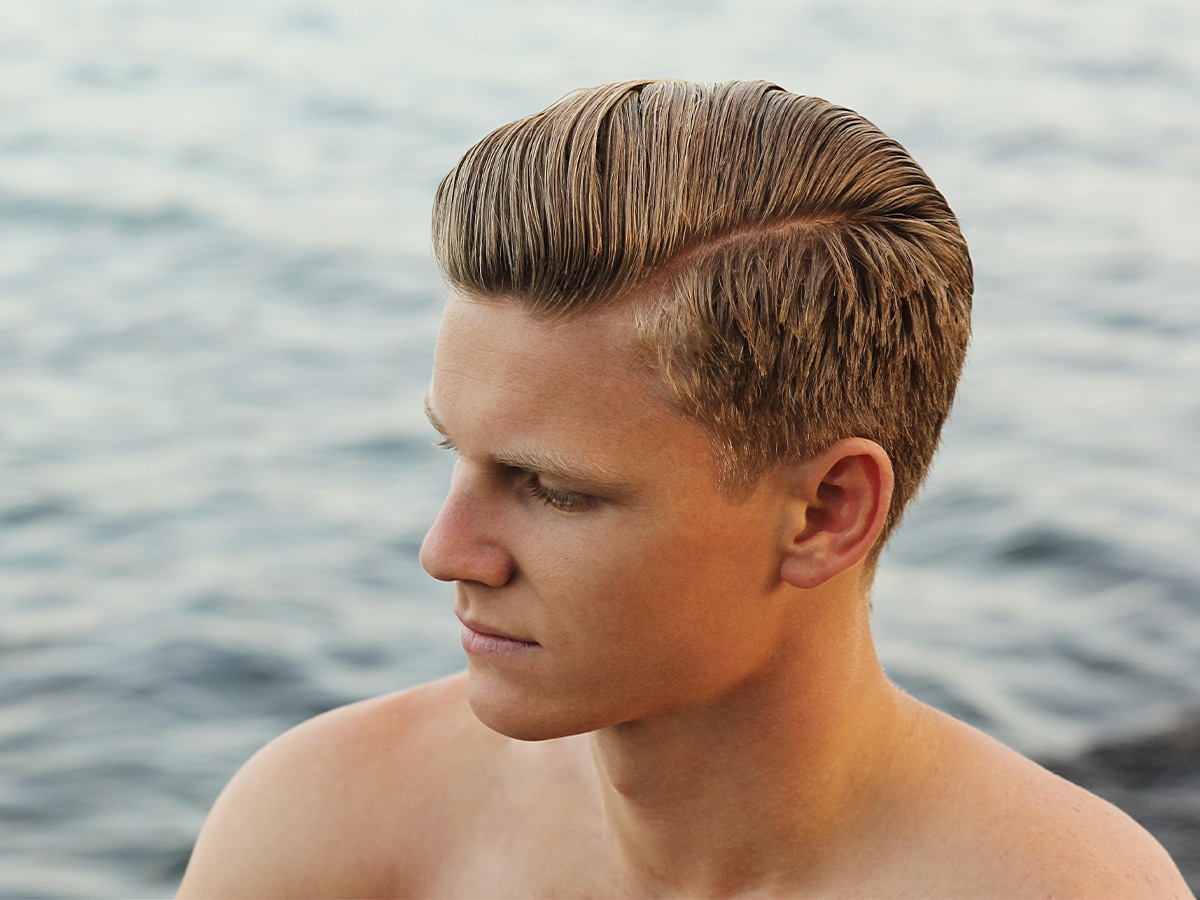
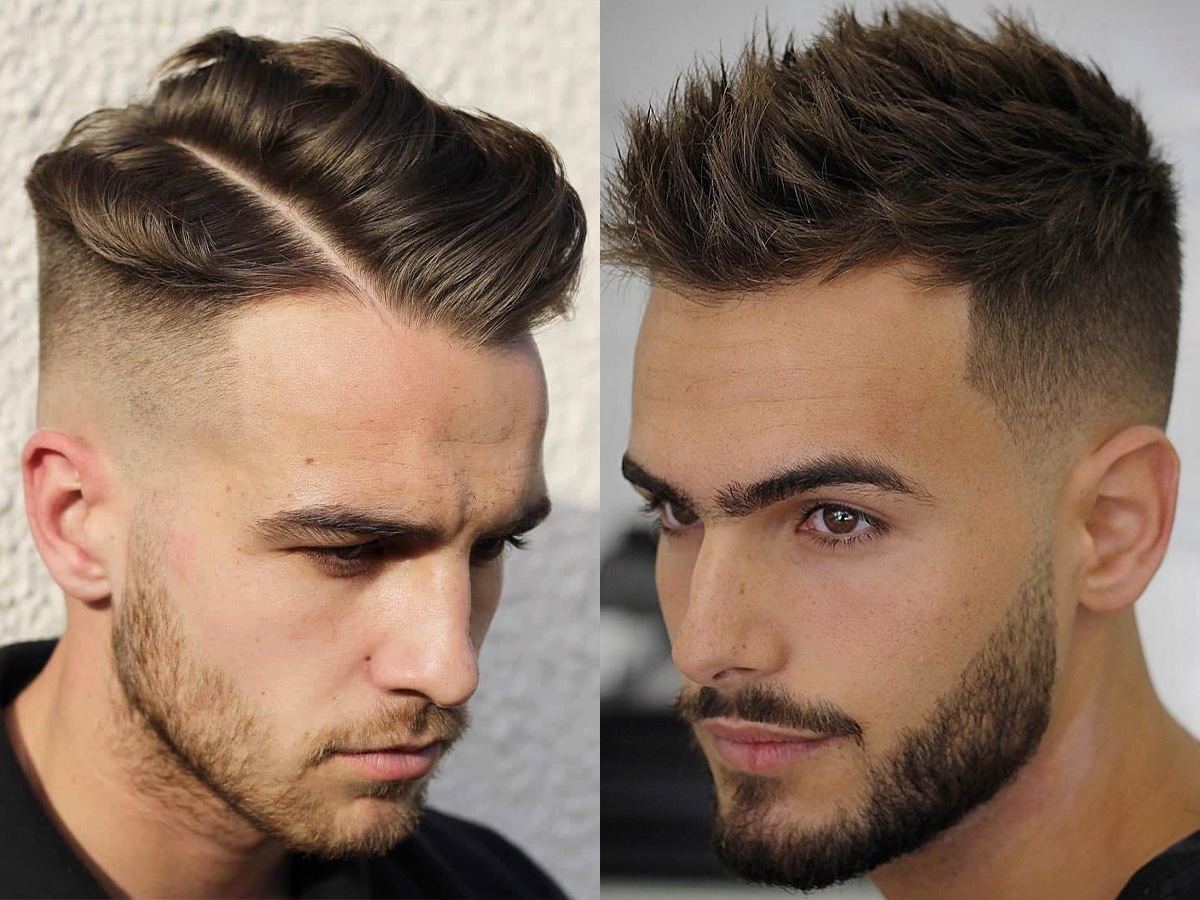
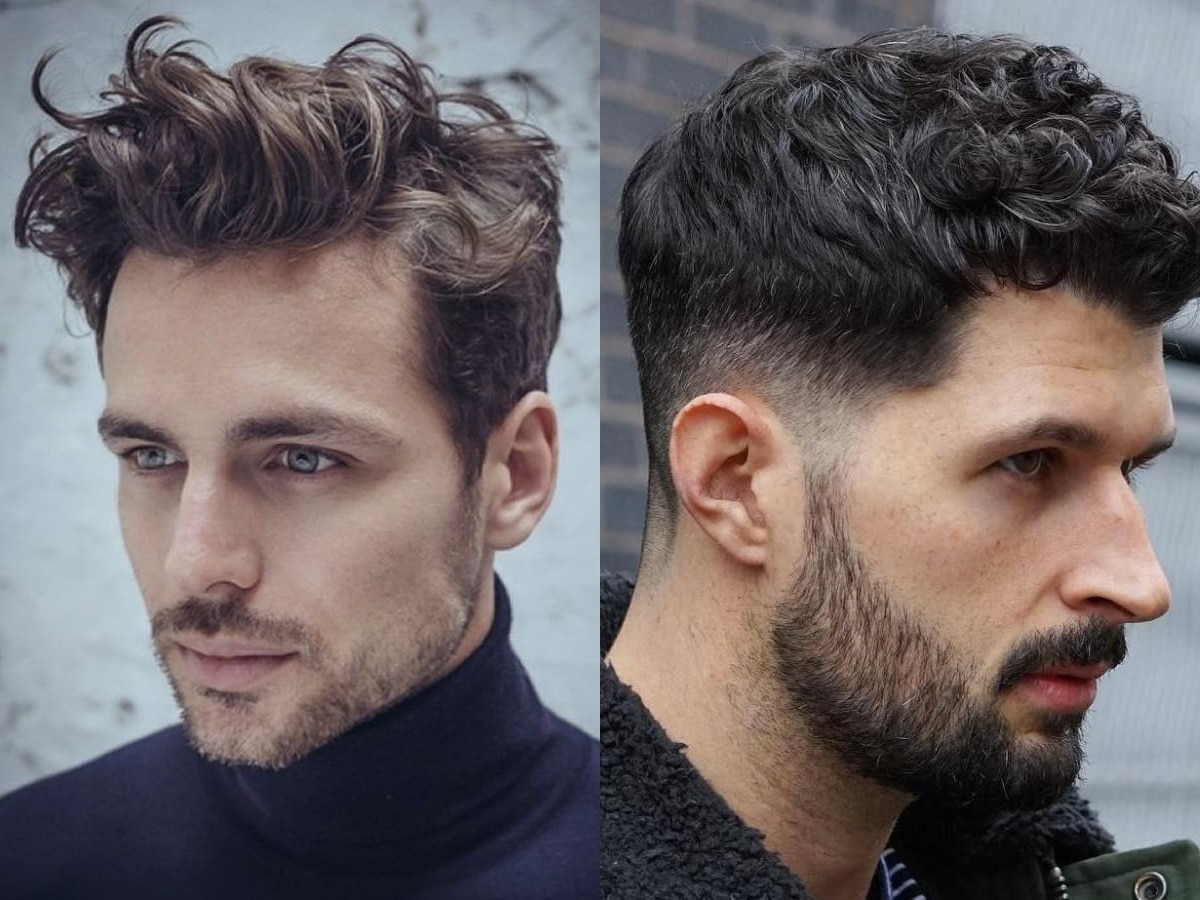
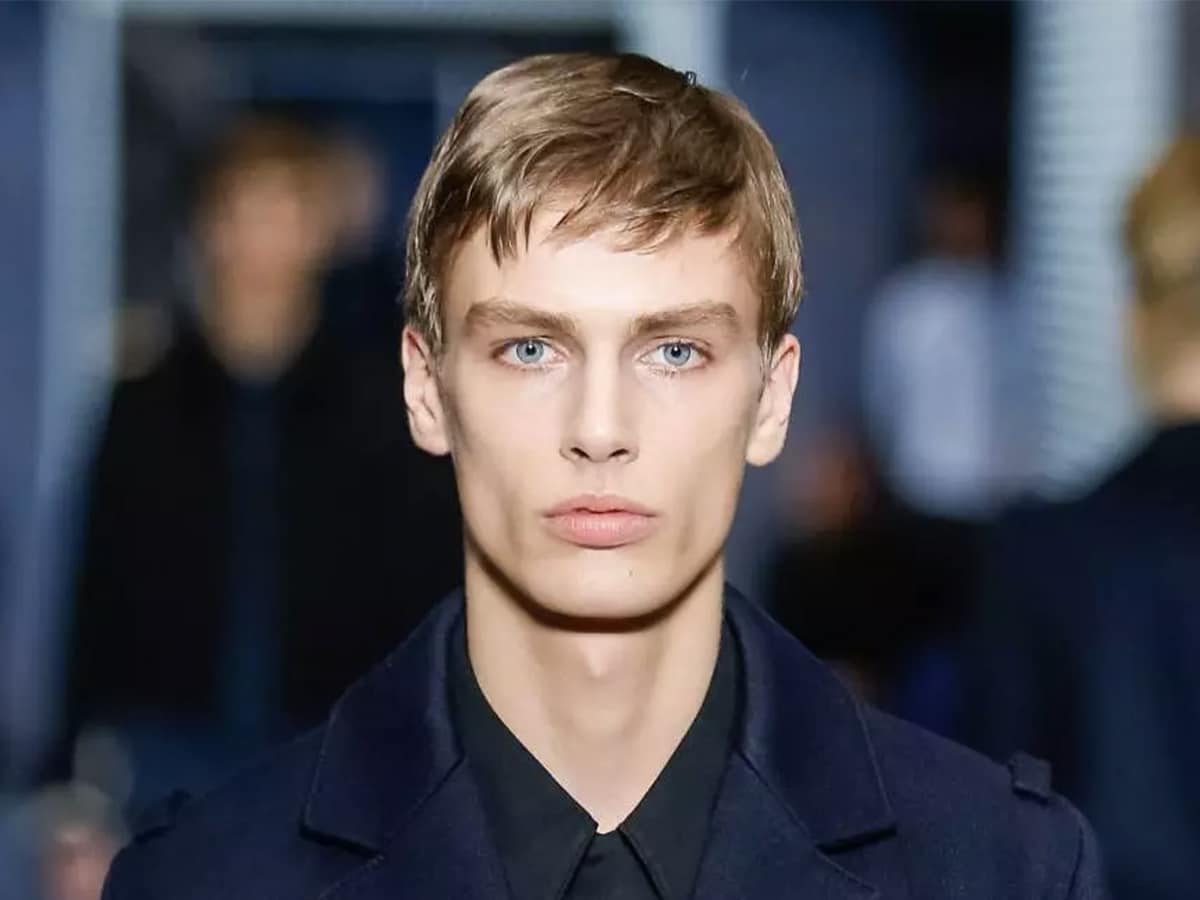
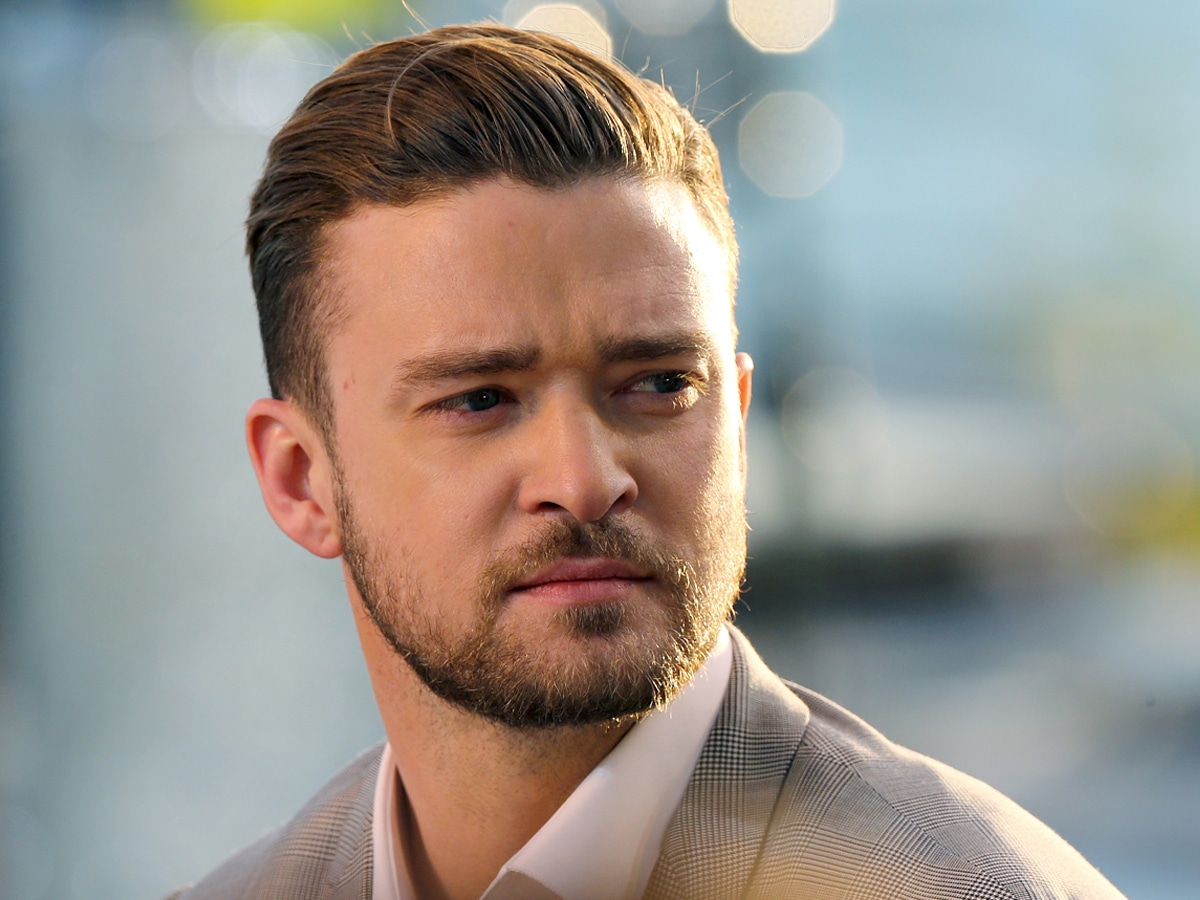
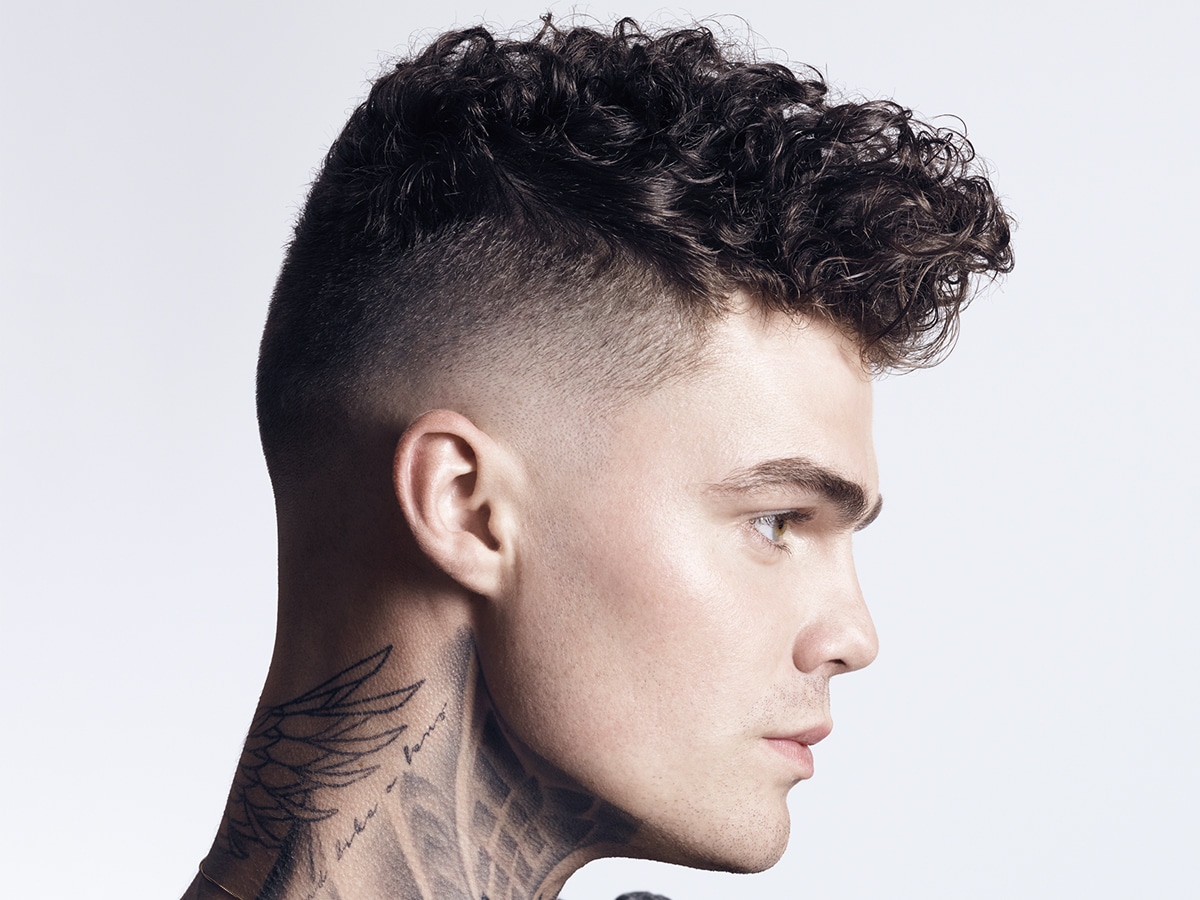
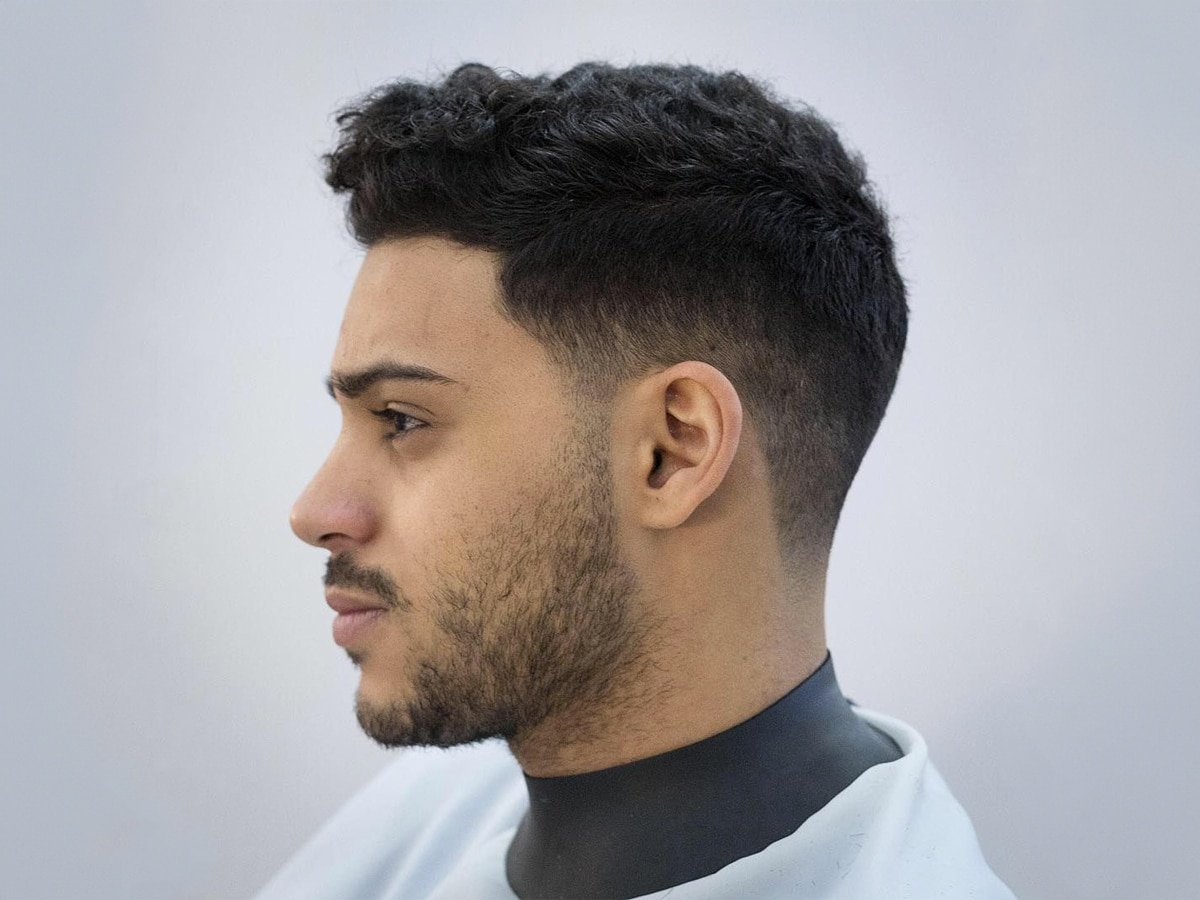
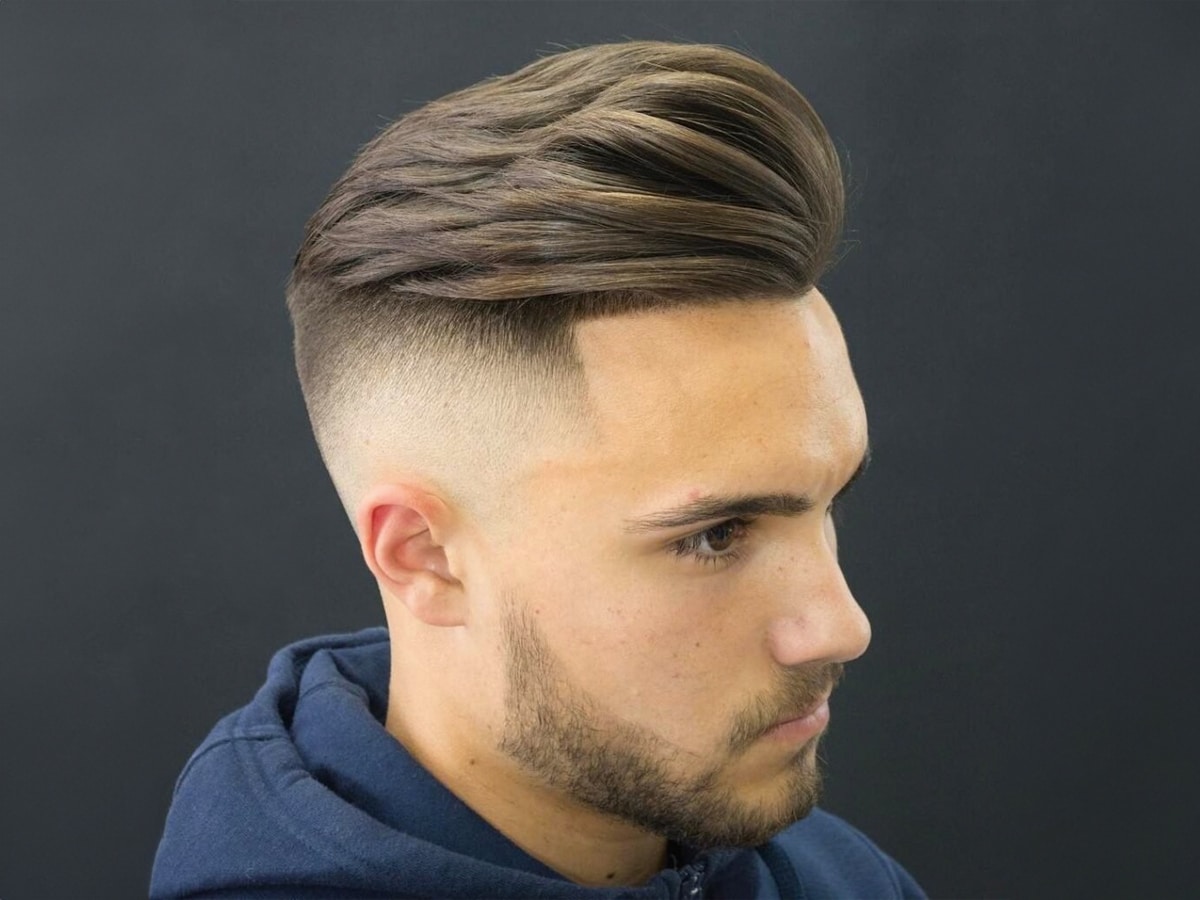
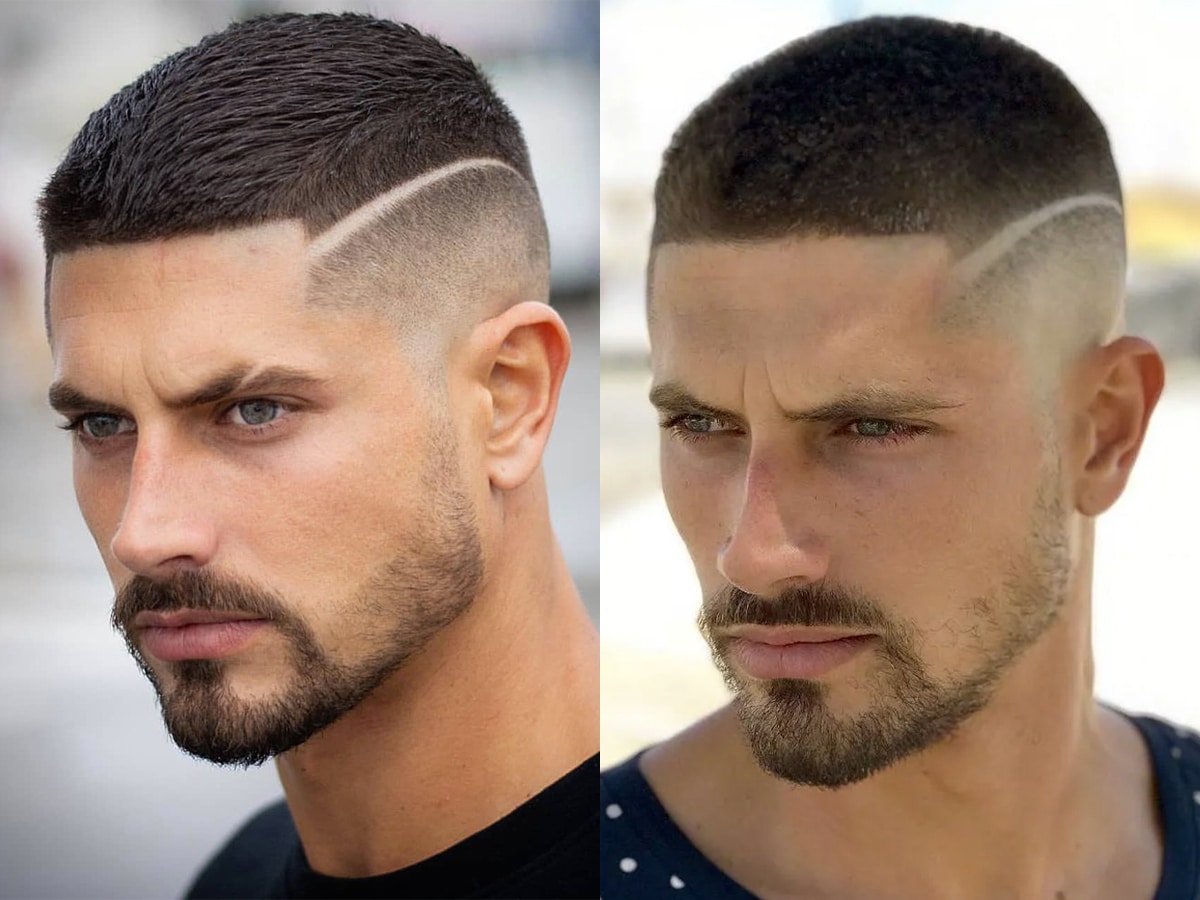
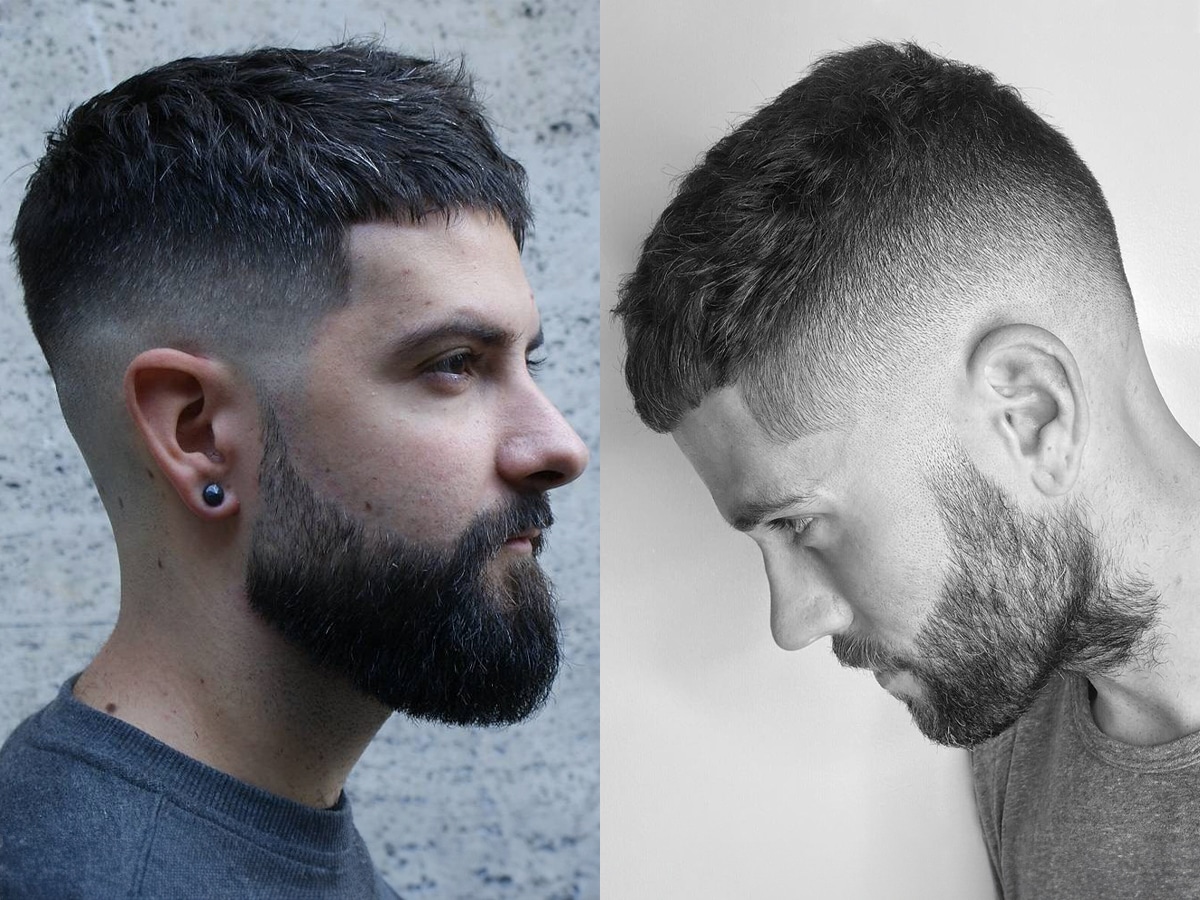
Now that we’ve covered the basics, peruse images of over 50 men’s short haircuts to see which one is right for you. Good luck, gents!
Related Grooming for Men Articles
On the lookout for more men’s hairstyles, haircuts and pointers? Be sure to check out the articles below:
- Long Haircuts & Hairstyle Tips for Men
- Straight Haircuts & Hairstyles for Men
- Curly Haircuts & Hairstyle Tips for Men
- Buzzcut Hairstyles for Men
- Middle Part Hairstyles for Men
- Slicked Back Hairstyles for Men
- Fade Hairstyles for Men
- Faux Hawk Hairstyles for Men
Short Haircuts for Men FAQs
If you want true set-and-forget, go for a buzz cut, outgrown buzz, or a simple 4 back and sides. These cuts work with your natural growth pattern, need minimal product, and can be tidied up in under 15 minutes at the barbershop.
Most men will need a tidy-up every 3-4 weeks to keep short hair looking sharp, but high fades and skin tapers often need a touch-up every two weeks. If your neckline is creeping down your collar or your sideburns have lost their shape, you’ve already left it a little too long.
Short haircuts are almost always more forgiving on thinning hair than longer styles. Buzz cuts, short crops, and low tapers take the emphasis off the hairline, blend lighter areas into darker ones, and avoid the obvious “comb-over” effect that longer styles can create.
For most short styles, a matte clay, paste, or powder is your best friend, as these products add texture without making the hair look shiny or greasy. If you prefer something more polished, a light pomade or cream will give you control and definition.
In many cases, yes! A buzz cut can grow into an outgrown buzz or crop, a low taper can evolve into a mid or high fade, and a short mullet can be squared off into a more conservative style. The trick is to let your barber know your end goal. This allows each cut to move you closer rather than starting from scratch every time.
A fade usually takes the hair much shorter through the sides and back, often down to the skin, before blending into the top. A taper is softer and usually focuses on the sideburns and neckline.
Yes, medium-short haircuts are a great option if you want short sides but still like some volume or movement on top. Styles such as the pompadour, side part, messy fringe and short mullet give you more flexibility than a buzz cut while still being easier to manage than longer hair.











Comments
We love hearing from you. or to leave a comment.