

Updated:
Readtime: 5 min
Every product is carefully selected by our editors and experts. If you buy from a link, we may earn a commission. Learn more. For more information on how we test products, click here.
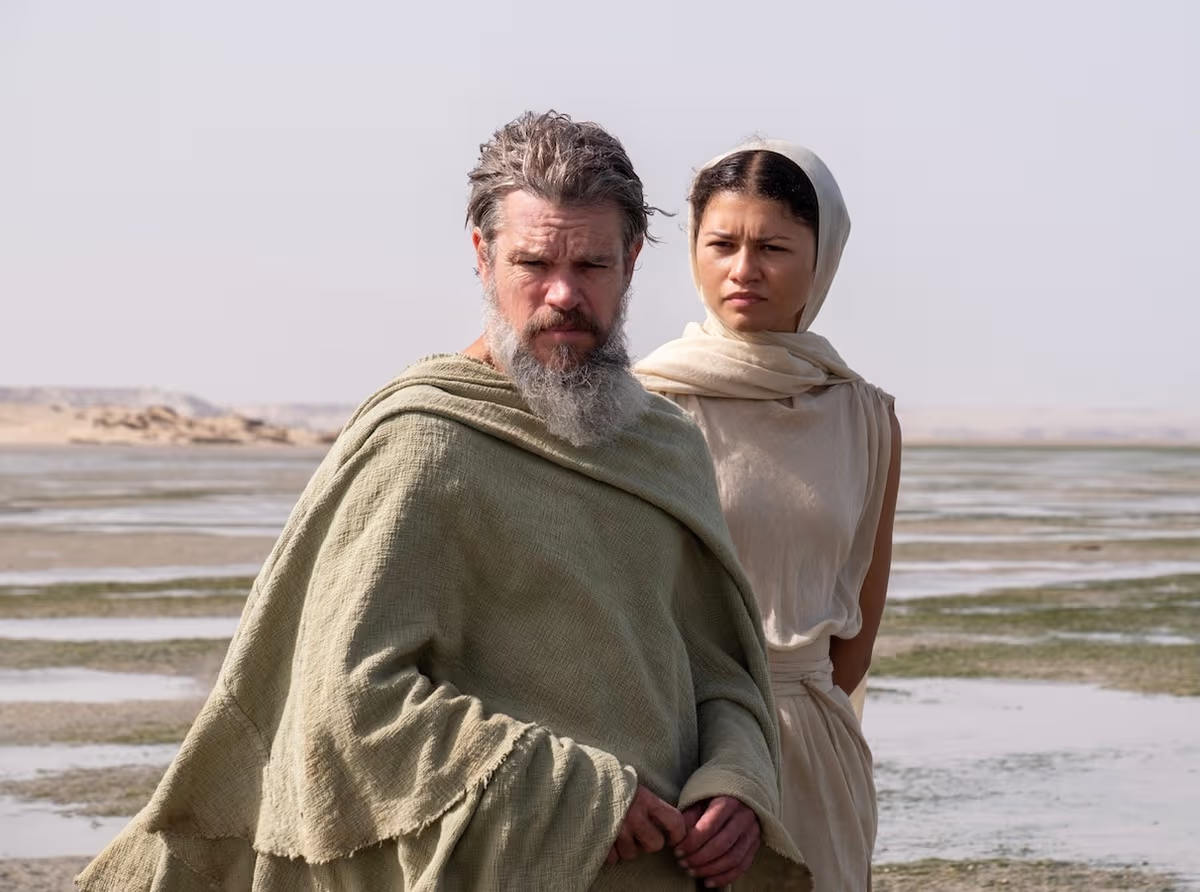
What would Homer think of his epic poem, The Odyssey, writ large on the cinema screen, the world’s biggest canvas?
The 2,800-year-old adventure has never felt more timely than in the hands of Sir Christopher Nolan, who continues to prove himself as one of our greatest (and most daring) storytellers. This is as brisk and authoritative as Nolan has ever been. His take on the tale arrives on a scale rarely seen in modern cinema, as a starry, big-budget production, shot on location and in-camera.
Drawing inspiration from the Greek mythology-inspired films he watched growing up (particularly those of animator and special effects artist Ray Harryhausen) Nolan’s study of the poem and its translations results in a well-told fever dream of Homer’s epic, and another masterwork under his belt.
Christopher Nolan’s Greatest Voyage
Like many, I initially encountered The Odyssey in high school, where I was enthralled by Homer’s monsters and magic morality tale. Those that remember their initial voyage with the text will probably recall much of the plot, but Nolan’s wildly imaginative interpretation is a welcome refresher course.
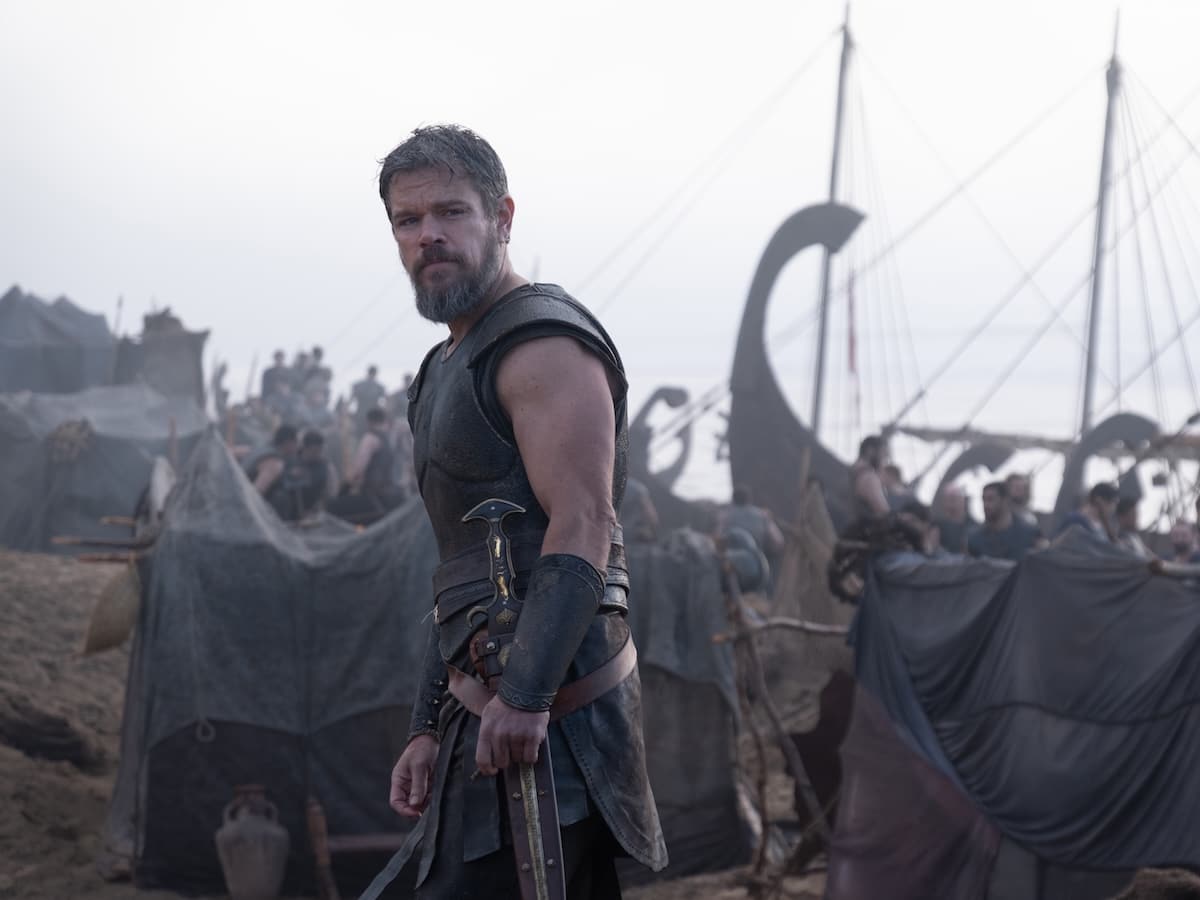
Largely leaving the gods on Mount Olympus, Nolan opens up the epic to explore the human perspective. While literature purists might take issue with the maestro filmmaker’s version, let’s not forget that Homer’s stories were living tales that existed orally for hundreds of years before being fixed to paper. Bards would have recounted it as they saw fit, which is exactly what Nolan presents here as he weaves Odysseus’ memories of his journey with Telemachus’ search for his father.
Across the board, every element of Nolan’s The Odyssey is expertly crafted. For the maritime sequences alone, the production design team used a modern-built Viking longship, the Draken Harald Hårfagre, which doubled for Odysseus’ warship. Rather than using extras, they relied on the longship’s seasoned expedition crew, training the actors to row alongside them, sometimes for hours at a time on the open sea. That’s just one small example of the practical steps taken to bring the story to life on such a massive cinematic scale. The result is a practical, tangible, immersive experience that other CGI-forward films will never replicate.
Watch ‘The Odyssey’ In IMAX On 70mm If You Can
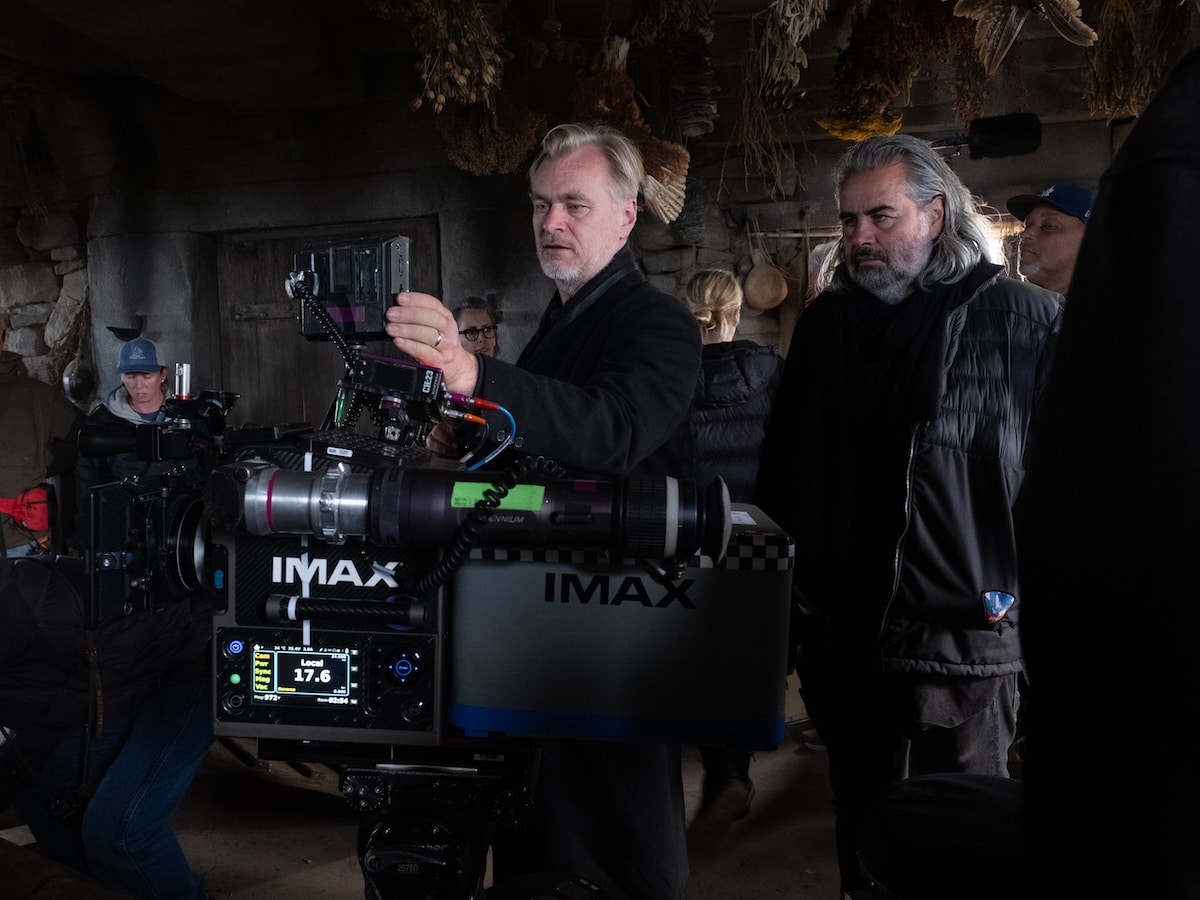
Created across the globe with the help of thousands, The Odyssey is captured by the brilliant Hoyte van Hoytema, who reunites with Nolan as cinematographer following Interstellar, Dunkirk, Tenet and Oppenheimer. Nolan has been synonymous with IMAX 70 mm since The Dark Knight, but with The Odyssey, he fulfilled a long-held dream by making it the first feature film shot entirely with IMAX film cameras.
The feat was made possible by a newly manufactured (quieter) camera, along with a blimp that could house and muffle the sound of the larger, louder models. Seeing The Odyssey in IMAX on 70 mm film, as Nolan envisioned it, is a real privilege.
Ludwig Göransson Strikes Gold Yet Again
Sound is also essential to The Odyssey experience. Ludwig Göransson, who previously gave us visionary scores for Oppenheimer and Sinners, re-teams with Nolan and flourishes under the directive to compose the score without a traditional orchestra.
The result is an impressive, oppressive soundscape of bronze gongs, haunting vocals and recreations of the traditional Greek aulos and lyre.
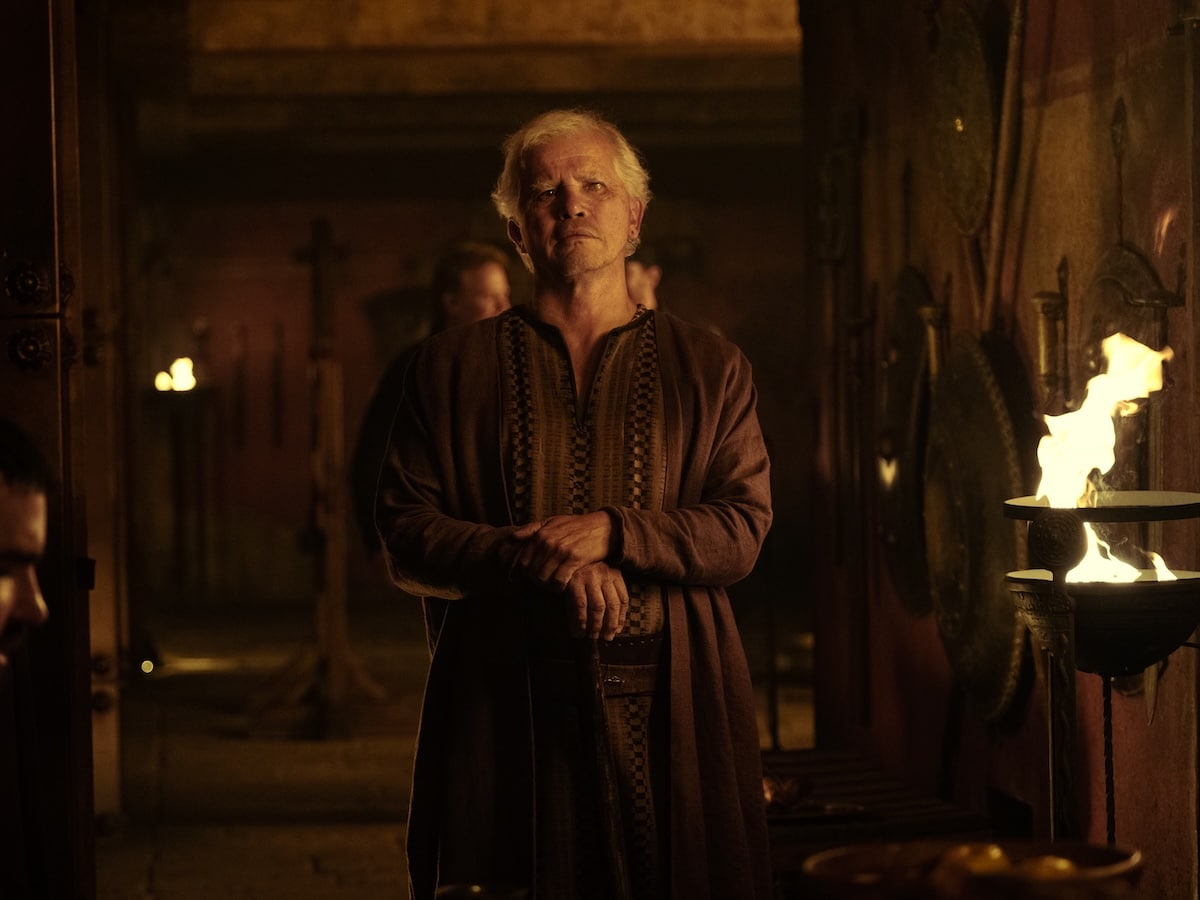
John Leguizamo And Samantha Morton At Their Career Best
Though it can also be initially distracting to see so many well-known faces popping up at every turn, the performances are really top-notch among a cast that includes Matt Damon, Tom Holland, Anne Hathaway and Robert Pattinson, all in peak form.
But John Leguizamo provides a career-best turn as Odysseus’ faithful servant Eumaeus that grounds the entire film, while Samantha Morton’s harrowing performance as Circe was so immediately impactful it received applause on the set – something Nolan recalled hasn’t happened since Heath Ledger’s Joker in The Dark Knight.
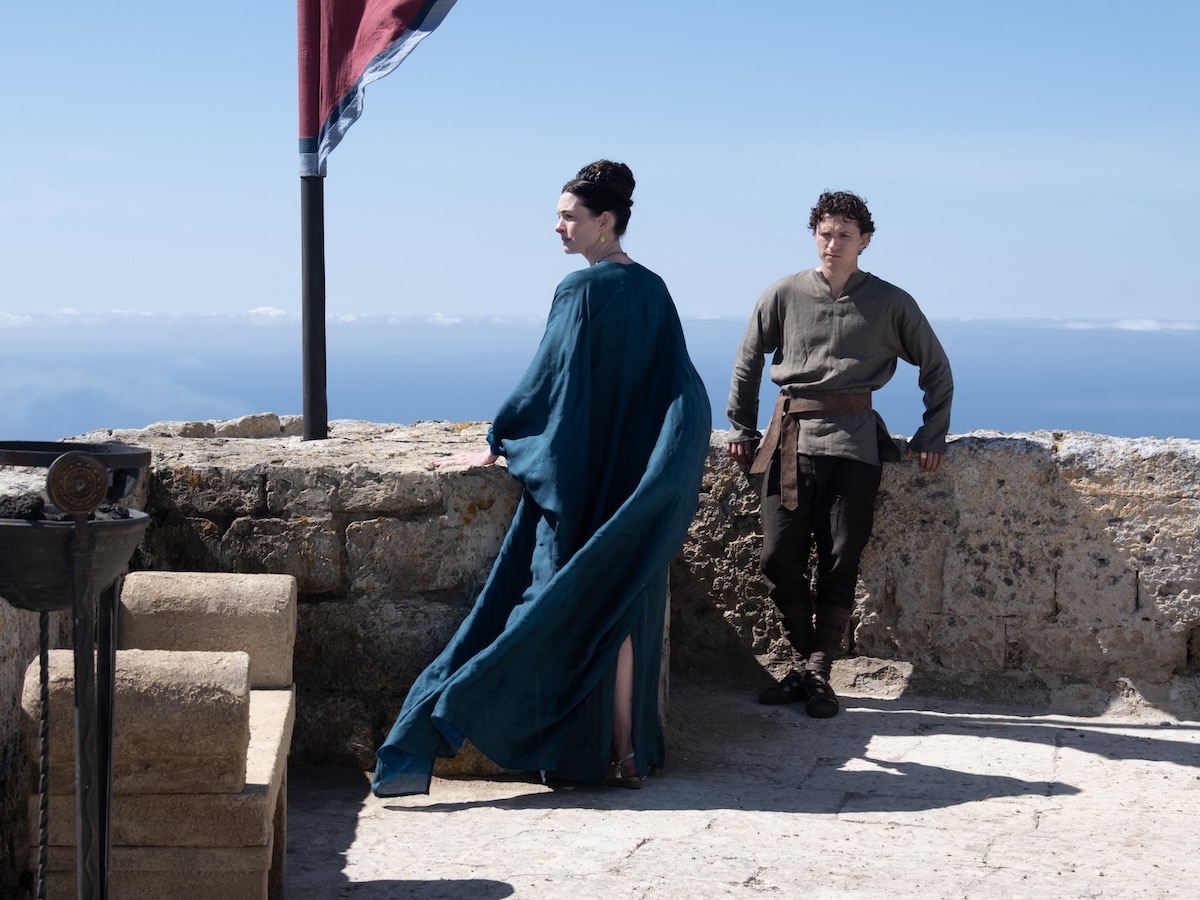
A Hero’s Journey
The film does away with that pesky unwritten Hollywood rule that all epics must be told in British accents, and while some may find the lack of Greek and regional accents a bit incongruous, it’s a part of Nolan’s intention. The Odyssey doesn’t feel elevated, stodgy, or removed from our ‘today’.
With a fantasy epic, there is no such thing as ‘historical accuracy’, but if you look carefully, Nolan deliberately places contemporary influences throughout, down to the end credits song. By doing so, he points us to our present. Like Oppenheimer, Nolan delivers another cinematic warning about the state of humanity. History’s greatest morality tale has a lot to say about the breaking of bonds among men and the rejection of hospitality towards our neighbours.
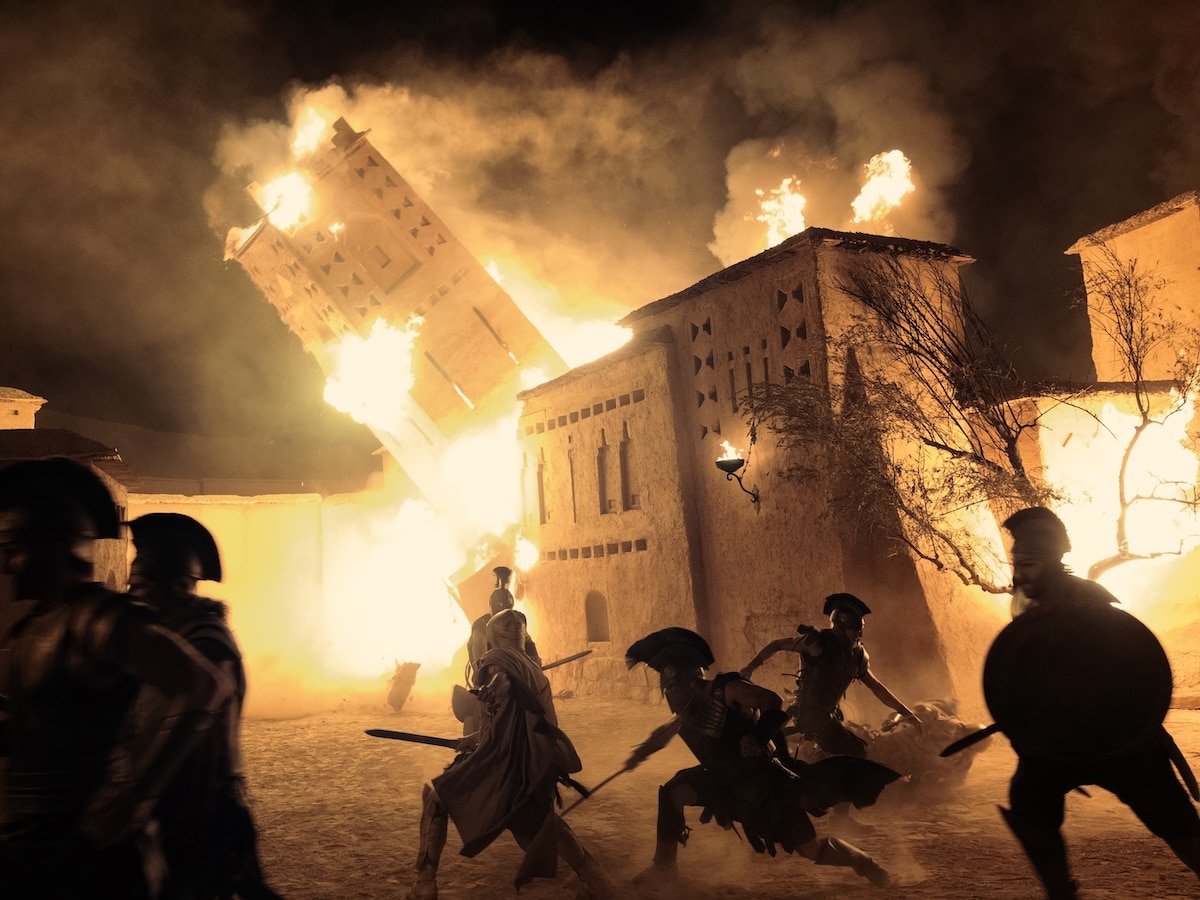
The final shot is a stark warning of the ways in which history tends to repeat itself. There is a reason why some tales are timeless, and The Odyssey’s lessons are well worth another listen. It also happens to be one of the best action films of the decade. Consider this your call to set sail.
Five stars ★★★★★ | The Odyssey is in cinemas now
Related reads





















Comments
We love hearing from you. or to leave a comment.