

Updated:
Readtime: 9 min
The Lowdown:
Forget the designer price tags. The men who always look the part have figured out that fit, fabric, and a bit of maintenance will take the look further than any logo.
Every product is carefully selected by our editors and experts. If you buy from a link, we may earn a commission. Learn more. For more information on how we test products, click here.
Looking like a million bucks doesn’t require spending a million bucks. In fact, some of the most stylish guys are probably wearing outfits that cost less than your monthly streaming subscriptions combined. The secret isn’t a trust fund or a black Amex but a series of calculated, deliberate style choices.
Looking expensive doesn’t come down to the label stitched inside the collar; it’s entirely based on how your clothes fit, feel, and are maintained.
If you’re ready to upgrade your wardrobe without taking out a second mortgage, here’s the definitive guide to dressing and looking expensive on a budget.
1. Prioritise Fit Over Labels
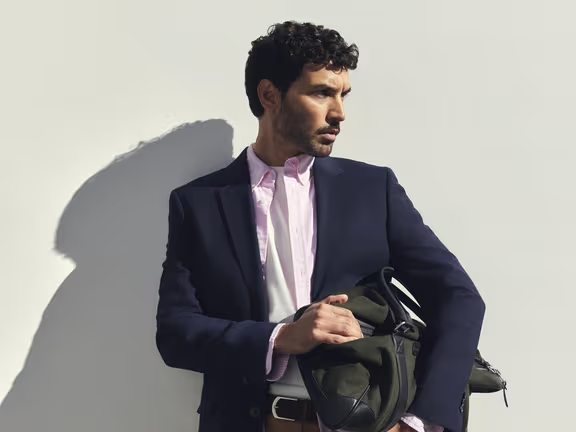
If there’s one absolute, non-negotiable rule in menswear, it’s this: fit beats flash every single time. You could drop two grand on a designer suit, but if the shoulders sag and the trousers pool around your ankles, you’re going to look like a kid playing dress-up in his dad’s closet. Meanwhile, a $150 suit from a high-street retailer can look like a custom masterpiece if it’s tailored to your exact proportions.
That’s why the most powerful weapon in your style arsenal is a good tailor. Off-the-rack clothing is designed to fit a statistical average, which means it rarely fits anyone perfectly. Spending $30 to have a shirt darted or trousers hemmed will exponentially increase how expensive your clothes look.
When shopping on a budget, buy for your broadest measurement (usually the shoulders or chest) and have the rest taken in. Perfectly fitted clothes communicate attention to detail and control, which are two hallmarks of true style.
Related read: A Fashion Expert’s Guide to Dressing Better
2. Choose Natural Fabrics
When you’re trying to look expensive, the material of your clothing speaks volumes. Cheap synthetic fabrics like polyester and acrylic often have an unnatural sheen, they don’t breathe well (a fatal flaw in the Australian summer), and they tend to pill and degrade quickly.
Instead, shop for clothes with natural fibres: cotton, wool, and linen. These materials drape better, age well, and inherently look more premium. In summer, a well-cut linen shirt from an affordable brand like Assembly Label or Venroy looks infinitely more sophisticated than a synthetic blend.
When the temperature drops, look for merino wool. Brands like M.J. Bale have built their reputation on high-quality Australian merino wool that offers incredible texture and longevity without the eye-watering price tag of international luxury houses.
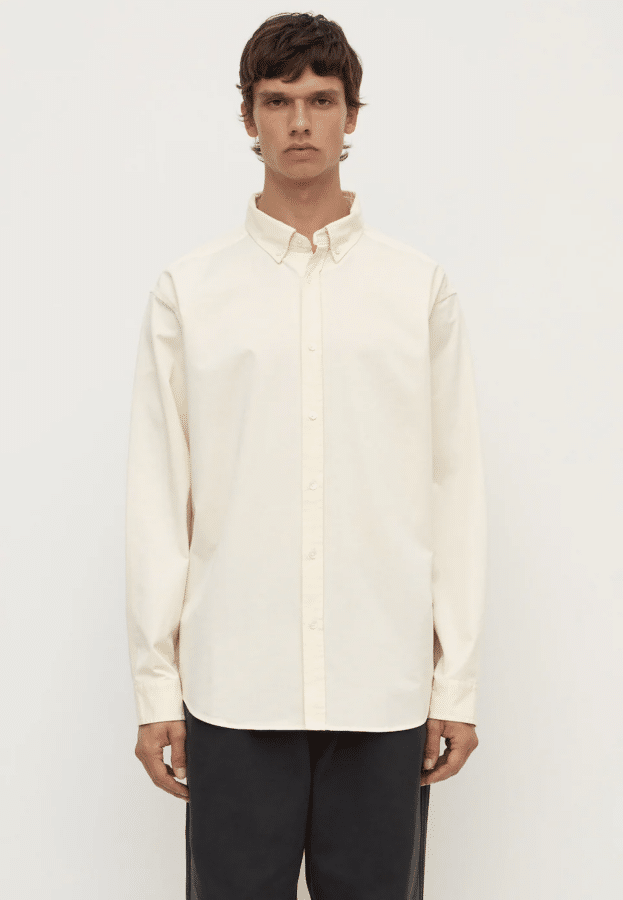
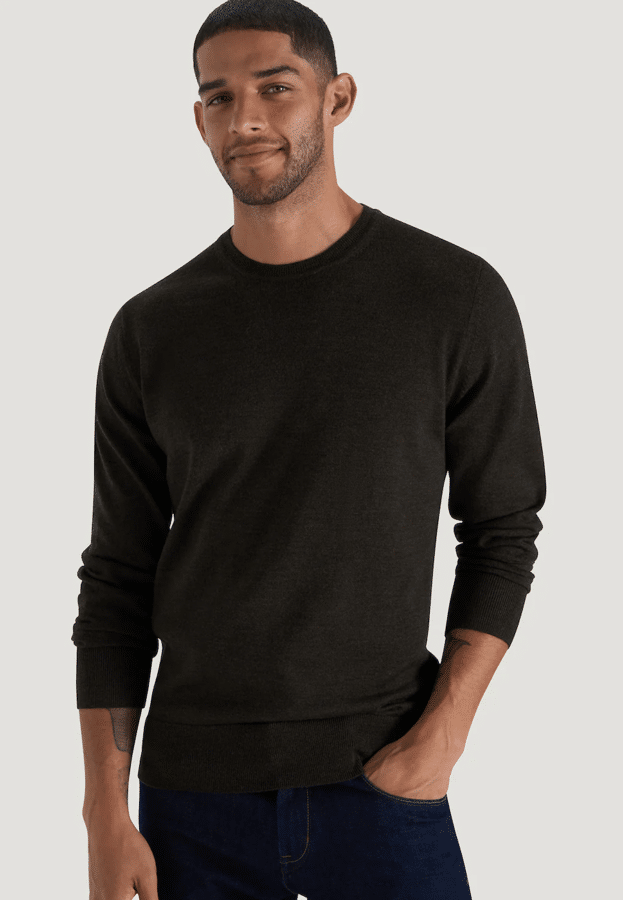
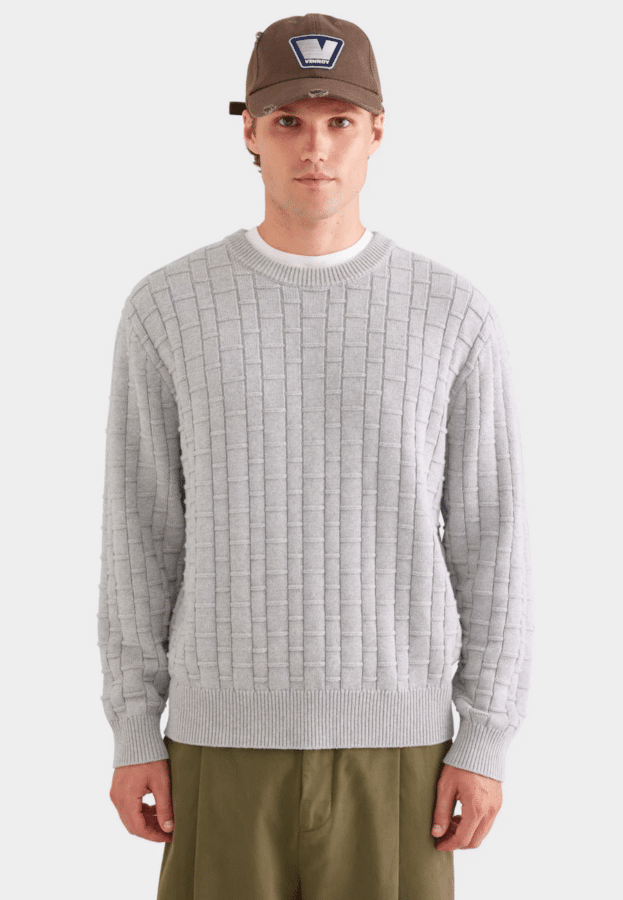
| Fabric Type | Best For | Budget-Friendly Brands |
| Linen | Summer shirts, lightweight trousers | Assembly Label, Venroy |
| Merino Wool | Winter knits, suits, overcoats | M.J. Bale, Uniqlo |
| Organic Cotton | Everyday tees, casual button-downs | Bassike, Afends |
3. Stick to a Neutral Palette
There’s a reason the “old money” aesthetic relies heavily on neutral tones. Navy, charcoal, olive, beige, and crisp white project understated confidence.
Loud prints, neon colours, and massive logos can often look cheap if not executed perfectly. Neutrals, on the other hand, are incredibly forgiving. A navy crewneck sweater from Uniqlo, or an oatmeal knitted crew from Nana Judy looks virtually indistinguishable from options that cost ten times as much.
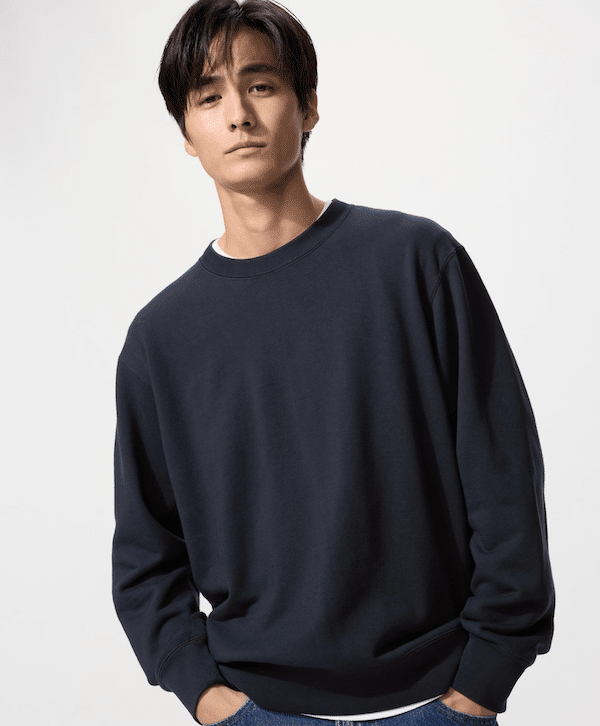
A crew with a 100% cotton body from Uniqlo for less than $50 | Shop the navy cotton crew at Uniqlo
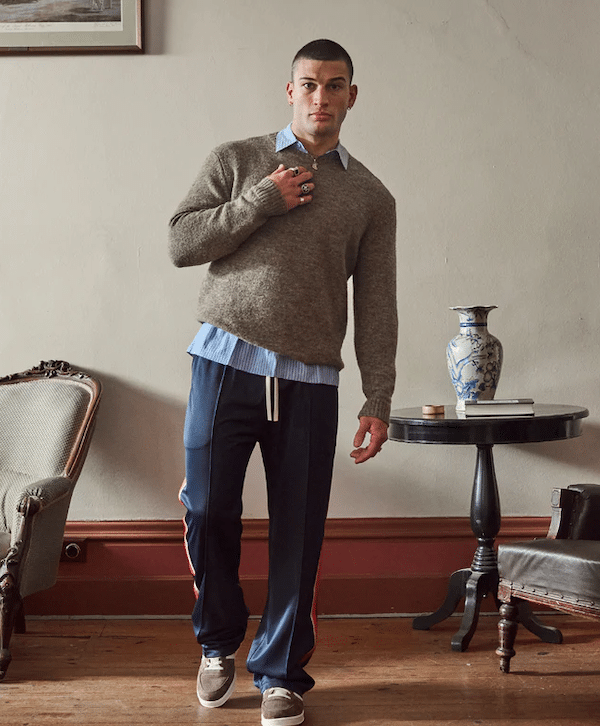
Plus, building a wardrobe around a neutral palette creates a highly versatile capsule collection. Everything matches everything else, meaning you can create dozens of outfits from a relatively small number of pieces. It’s the ultimate cheat code for maximising your wardrobe’s ROI.
4. Nail Your Grooming Routine
You can wear the sharpest, best-fitting outfit in the world, but if your hair is messy, your beard is patchy, and your nails look like you’ve been digging for potatoes, the illusion is instantly shattered. Grooming is the foundation on which good style is built.
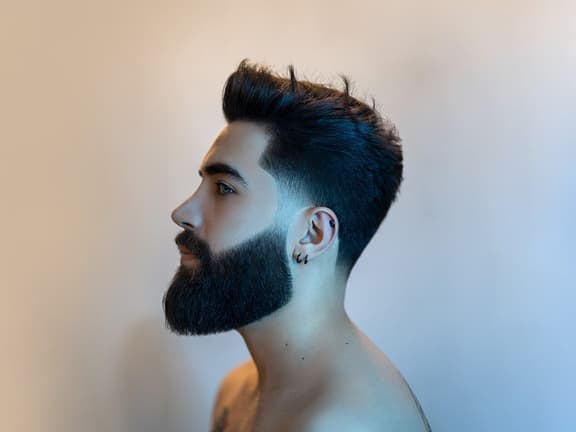
Looking expensive requires maintenance. This means finding a good barber and visiting them regularly – ideally every two to three weeks. It means investing in a basic skincare routine to keep your face looking fresh and healthy.
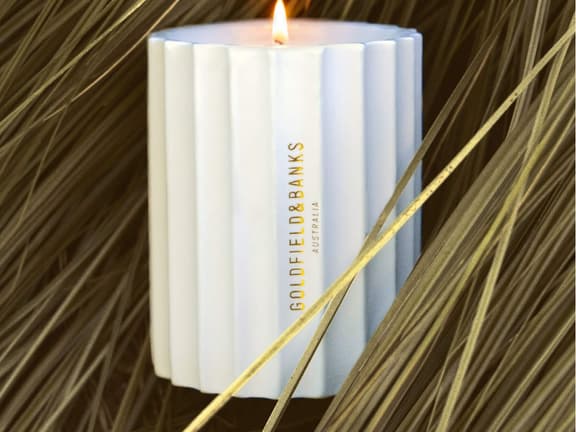
And let’s talk about fragrance for a moment. It’s the one part of getting dressed that has nothing to do with clothes, and yet the right scent can make everything you’re wearing feel more expensive than it is. The concept of a single “signature scent” is slightly outdated. Instead, think of fragrance as a wardrobe. You wouldn’t wear a heavy wool overcoat to the beach, so why wear a dense, spicy oud in the middle of summer? Build a small rotation: a fresh, citrusy scent for the day, and something woodier or more complex for the evening.
5. Shop Secondhand Strategically
There used to be a stigma attached to op-shopping, but those days are long gone. The secondhand market is a goldmine for the budget-conscious man looking to elevate his style. In fact, wearing vintage or archival pieces is currently one of the biggest flexes in menswear.
Stores like Savers, local Vinnies, or curated vintage boutiques in Melbourne and Sydney – think Newtown and Surry Hills in Sydney, or Fitzroy in Melbourne – are packed with high-quality garments that have already stood the test of time. Look for heavy wool coats, classic denim, and high-quality leather jackets. Because older garments were often made with superior construction methods compared to modern fast fashion, a vintage piece will often look and feel more expensive than something brand new.
The trick to successful thrifting is patience (and a discerning eye – but you can build on that skill with practice). Ignore the sizing on the tag (vintage sizing is wildly inconsistent) and focus on the fabric and the fit across the shoulders. Remember, you can always take it to your tailor.
6. Maintain Your Shoes
Shoes are the anchor of your outfit, and they’re often the first thing people notice. Scuffed, dirty, or worn-out shoes will immediately downgrade your entire look.
You don’t need a closet full of handmade Italian loafers, but you do need to take care of what you have. Invest in a basic shoe care kit: a horsehair brush, some quality polish, and leather conditioner. Taking ten minutes to shine your boots or clean the midsoles of your white sneakers pays massive dividends.
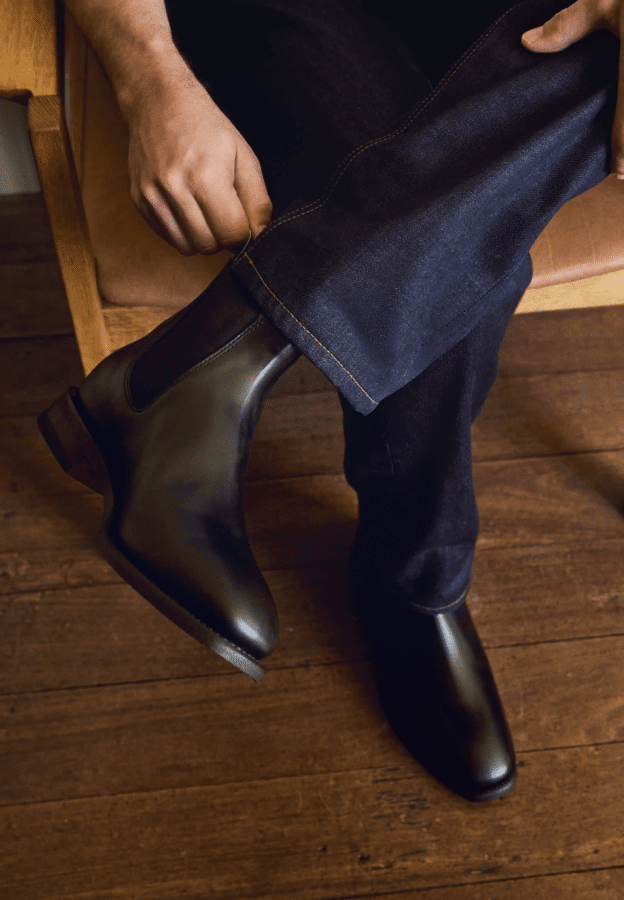
If you’re going to splurge on one item, make it footwear. A pair of classic R.M. Williams boots, for example, is an investment. Yes, the initial outlay is higher, but their durability and timeless appeal mean they’ll outlast ten pairs of cheap, glued-together alternatives. They’re the epitome of the “buy once, buy well” philosophy.
7. Pay Attention to the Details
Finally, looking expensive means considering the micro-details. Nothing ruins a look faster than wrinkles. A $20 shirt that’s crisply ironed will always look better than a $200 shirt that looks like it was pulled from the bottom of a laundry basket. If you hate ironing, invest in a handheld steamer. It takes two minutes and instantly refreshes your clothes.
Also, pay attention to the hardware on your clothes. Replacing cheap plastic buttons on a high-street blazer with genuine horn or tortoiseshell buttons is a five-dollar hack that can completely transform your clothes.
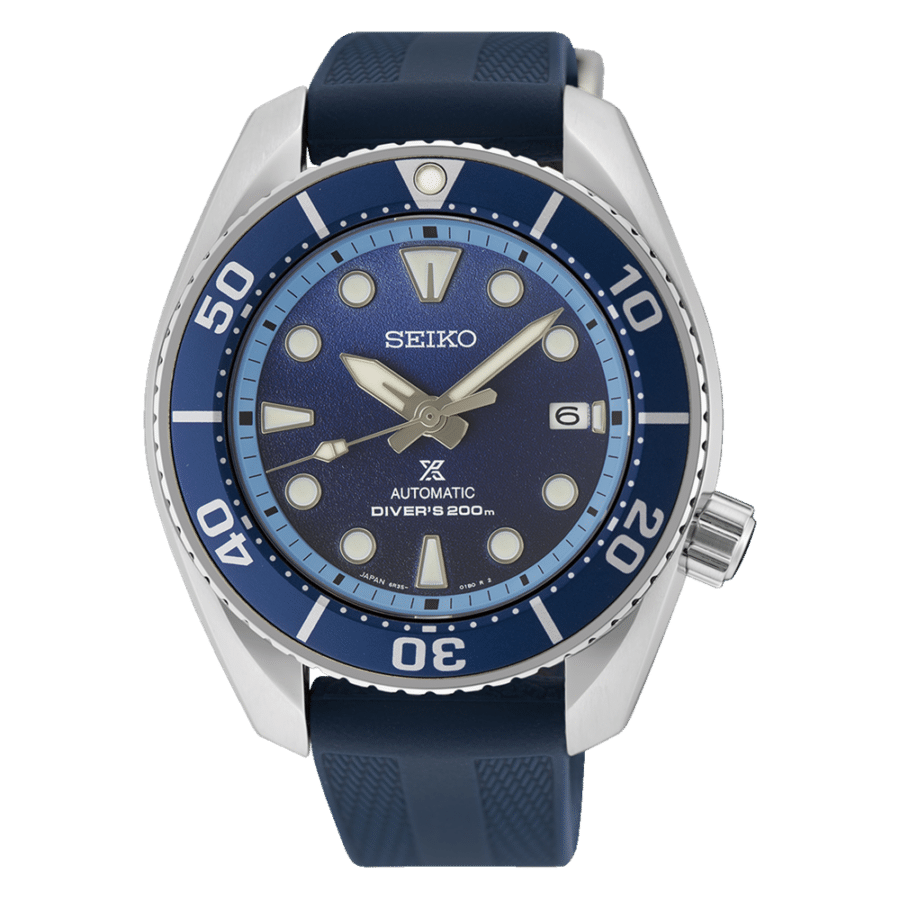
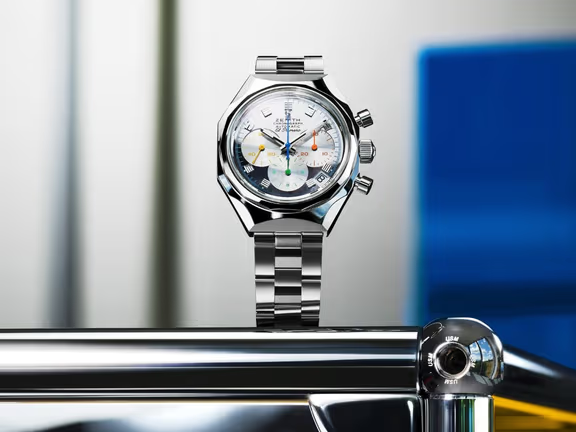
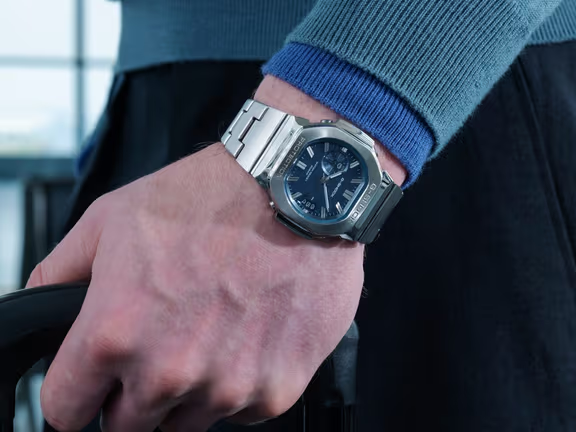
In terms of accessories, keep these minimal: a classic Browse watches tag, a simple leather belt that matches your shoes, and a pair of classic sunglasses.
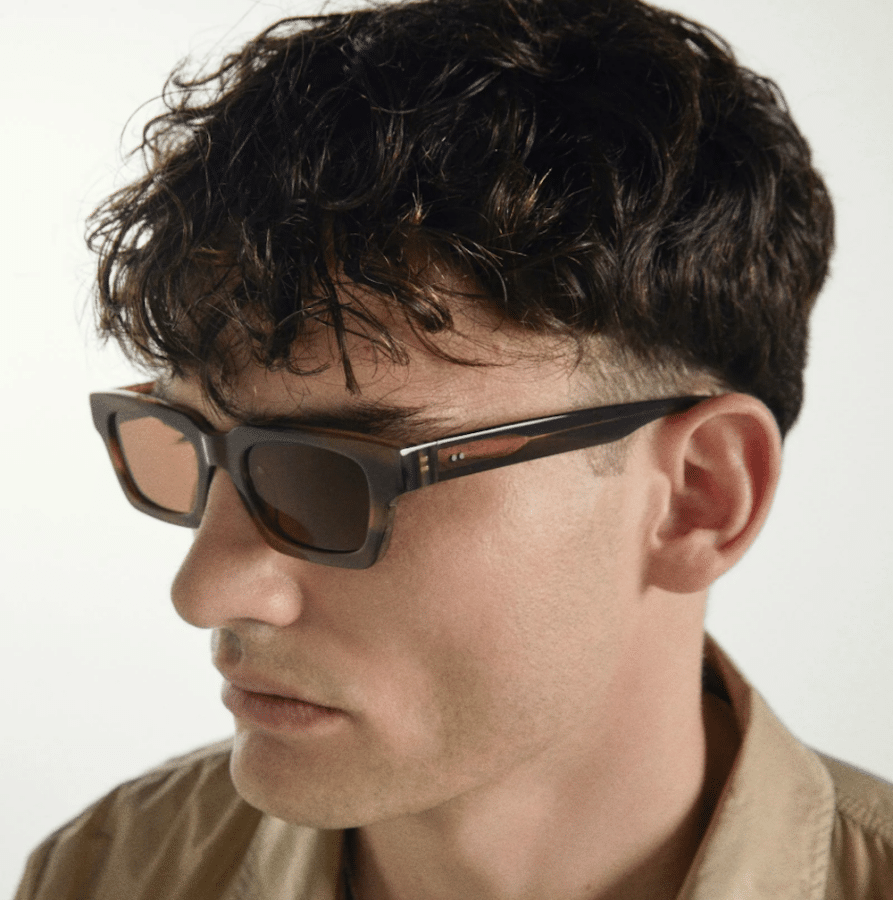
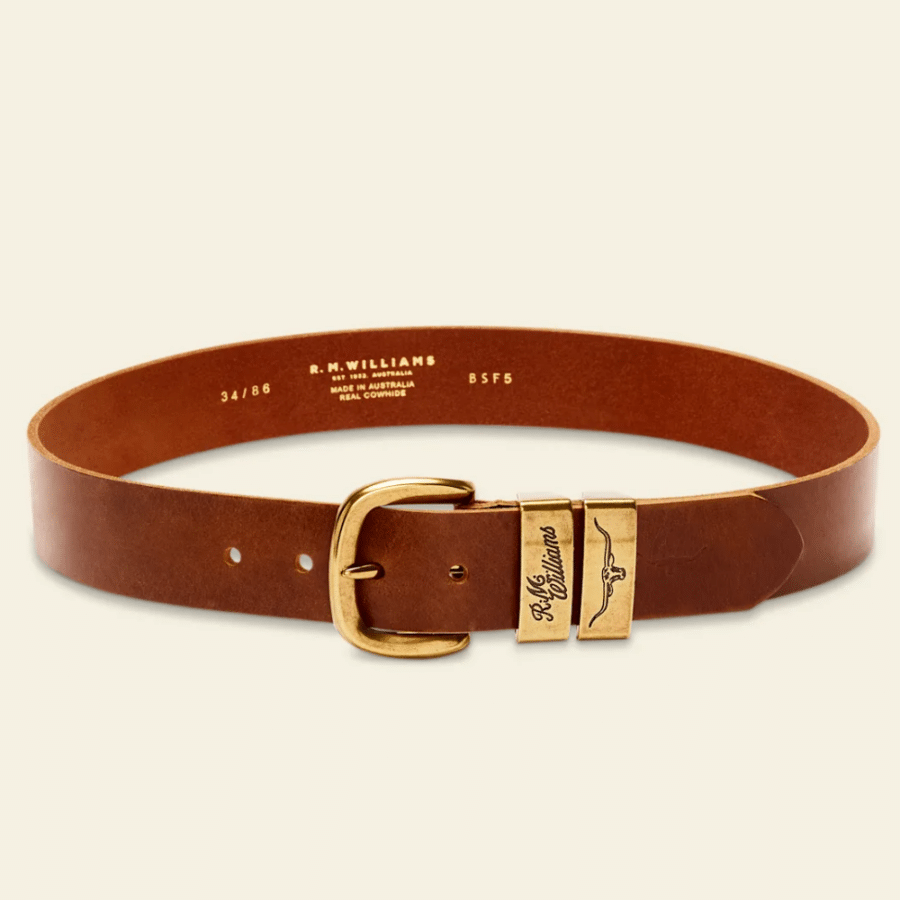
R.M. Williams Drover Belt ($169) | Shop the R.M. Williams Drover belt
8. Popular Brands That Look Expensive (Without Being Expensive)
If you’re not sure where to start, here are the brands worth bookmarking.
| Brand | Best For | Price Range |
| Uniqlo | Basics, merino knits, linen shirts | $30–$100+ |
| Assembly Label | Casual shirts, tees, trousers | $80–$200+ |
| M.J. Bale | Suits, blazers, dress shirts | $150–$600+ |
| Politix | Suits, tailored separates | $100–$400+ |
| Afends | Tees, casual shirts, denim | $60–$180+ |
| Bassike | Premium basics, tees, trousers | $150–$400+ |
| COS | Structured basics, minimal pieces | $80–$300+ |
| Muji | Basics, loungewear, layering pieces | $20–$120+ |
| R.M. Williams | Boots, leather goods, casual wear | $200–$600+ |
| Venroy | Linen shirts, swim, resort wear | $100–$280+ |
| Nana Judy | Casual tees, denim, streetwear | $60–$150+ |
Men’s Fashion FAQs
Get your clothes tailored. A $30 alteration can make a $50 shirt look like it cost ten times as much. Fit is everything in menswear. It’s the one thing no label can fake.
Not at all. The smarter move is to spend strategically. Invest in a few high-impact items like quality shoes or a well-cut coat, and keep everything else affordable. A neutral, well-maintained wardrobe of basics will always outperform a closet full of expensive impulse buys.
Absolutely! Older clothes were often made with better construction than modern fast fashion, and you can find quality wool coats, leather jackets, and classic denim for a fraction of the retail price.
More Fashion & Style Advice
Fit & Tailoring
- Made to Measure – Man of Many’s Guide to Buying a Tailored Suit
- Know The Difference Between an American, British and European Cut Suit
Wardrobe Building
- 10 Pieces Every Stylish Man Needs in His Capsule Wardrobe
- A Fashion Expert’s Guide to Dressing Better in 2026
- Expert Reveals the ‘Basic’ Trend Shaping Men’s Fashion
Shoes
Secondhand & Vintage
- 14 Best Thrift and Vintage Stores in Melbourne
- 15 Best Thrift and Vintage Stores in Sydney
- 10 Best Op Shops & Vintage Stores in Brisbane
Seasonal Style











Comments
We love hearing from you. or to leave a comment.