


Updated:
Readtime: 15 min
Every product is carefully selected by our editors and experts. If you buy from a link, we may earn a commission. Learn more. For more information on how we test products, click here.
You wouldn’t wear the same outfit to the gym, the office, and a date. Your scent deserves the same thinking. Here’s how to build a fragrance wardrobe.
Round out the topic with 10 Best Colognes for Men, According to a Fragrance Guru.
For a long time, the fragrance conversation for men began and ended in the same place: find your signature scent, and call it a day. All you needed was one singular olfactory identity; something people would smell on a crowded train and immediately think of you.
It’s a romantic idea, sure. But it’s also an increasingly outdated one. To understand why, and the best way to go about fragrance shopping, we spoke with Steven Glyde, Fragrance Education Lead at Mecca, who’s a gun at helping people navigate what is genuinely one of the more intimidating aisles in any beauty retailer.
His take? The signature scent era is winding down (and good riddance).
The Signature Scent is Dead, Long Live the Fragrance Wardrobe
The signature scent is one of grooming’s oldest myths; one fragrance, worn forever, that should somehow capture everything you are. It made sense when fragrance was simpler, the options fewer, and self-expression a less conscious act.
Fragrance has shifted in the same direction as style, skincare, and grooming over the last decade – away from rigid rules and toward something more personal and fluid.
“Fragrance has very much become a part of the mainstream conversation around self-expression, and that has naturally led us away from the idea of a signature scent,” says Glyde. “It’s now far more common for people to consider ‘what fragrance do I want to wear today, what goes with the vibe’ instead of the classic idea of finding a signature scent.”
However, Glyde is adamant that you don’t need to choose one or the other, and you can have the best of both worlds.
“You can absolutely still have a scent that feels like your signature, and have options for when you want to say something different with your choice of fragrance,” he adds.
What is a Fragrance Wardrobe, Exactly?
Think of it exactly as the name suggests: a wardrobe, but for scent. Just like you wouldn’t wear the same outfit to a job interview, a Saturday at the beach, and a dinner with someone you’re trying to impress, you probably shouldn’t reach for the same fragrance either. Different contexts call for different things, and having fragrance options is how you show up with intention, rather than by default.
The key is building it with purpose rather than impulse buying every bottle that smells good on a paper strip. A well-built fragrance wardrobe doesn’t need to be large. Three to five bottles that cover different moods, occasions, and seasons are more than enough for most men.
The question is knowing which three to five.
Understanding Fragrance Families: The Foundation Before You Buy Anything
Before you start buying, it helps to understand how fragrance is organised, because walking into a fragrance space without this knowledge is like walking into a bottle shop with no idea whether you drink red or white. You might land on something good, but you’ll spend a lot more time confused than you need to.
Fragrance is broadly divided into four families:
- Fresh: Citrus, aquatic, green notes. Think bergamot, lemon, grapefruit, and mint. Light, energising, and the most forgiving in warm weather and office settings. The white t-shirt of fragrance.
- Woody: Cedar, sandalwood, vetiver, patchouli. Warm, grounded, and sophisticated. Traditionally associated with men’s fragrance but increasingly unisex territory.
- Amber: Vanilla, resins, spices, incense. Rich, warm, and opulent. These are the scents that fill a room and linger after you’ve left it. Best in cooler months and evening settings, and the family most likely to earn you a “what are you wearing?” question.
- Floral: Rose, jasmine, iris, tuberose. Less obviously men’s territory, historically, but that’s changing quickly.
Most fragrances sit somewhere between these families rather than purely within one, which is what makes the mapping useful rather than prescriptive. Knowing you gravitate toward woody or fresh scents gives you a good starting point but it doesn’t lock you into a lane.
Related read: Eau De Toilette vs Eau De Parfum
How to Start Building A Fragrance Wardrobe
Glyde’s approach to getting started is simple. “First, I would consider if there’s a clear fragrance family that you gravitate towards. Smell a couple of citrus fragrances, then a couple of woody scents, ambery scents, and finally, a floral or two. This isn’t about finding your perfect scent just yet; it’s just about understanding your personal taste a little bit better.”
The second step: “Ask yourself how you want to feel when you wear your fragrance – calm, energised, confident, etc. If you know how you want your fragrance to feel and what fragrance families you gravitate towards, you’re closer than you think to finding your next perfect scent. The ability to walk into a fragrance space and say ‘I’m looking for a fresh, citrus scent and I want it to make me feel energised’ is more than enough to get the conversation rolling!”
Most men skip this step entirely. They walk into a fragrance counter, spray everything in sight, lose their ability to smell anything after the fifth strip, and leave with something that reminded them of a holiday they once had. Testing on skin, giving each scent time to develop through its dry-down, and going in with even a rough idea of what you want.
The Three Staples Every Fragrance Wardrobe Needs
Glyde is specific about where to start when building out the core of a wardrobe.
“When you’re beginning to build out your fragrance wardrobe, you have to consider what are the ‘staples’ that you’re going to want to reach for most often and start there. It’s just like building out your regular wardrobe! You have to consider if you want something that leans a little fresh that you can throw on every day without thinking, do you need something with more presence for special occasions, or would you reach for a ‘clean’ scent for throwing on before heading to the gym?”
Steven Glyde three recommended staples:
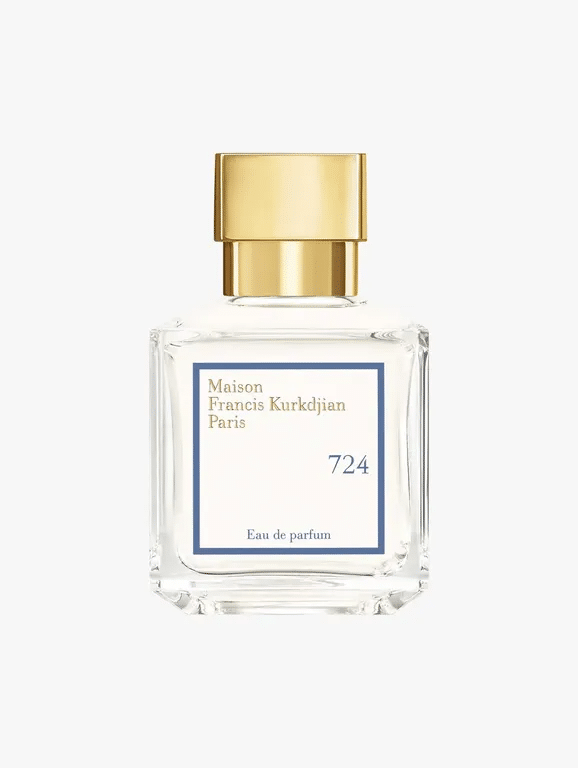
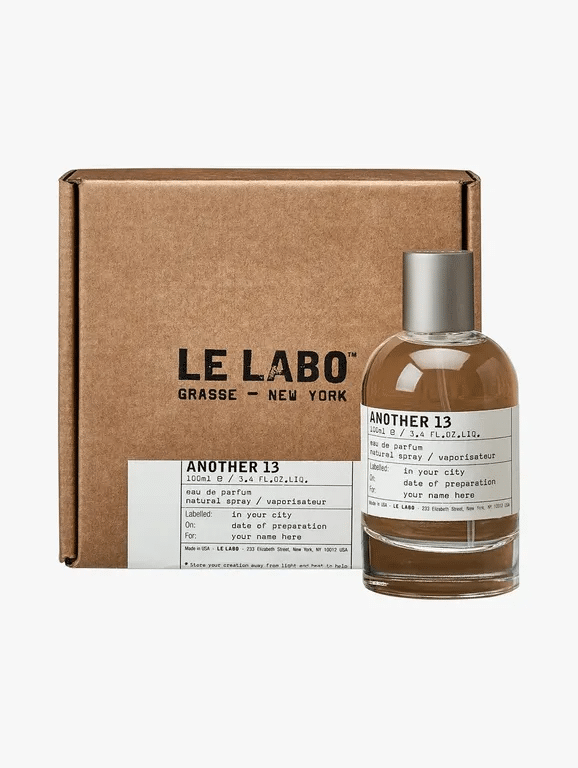
1. A clean, musky scent with a sharp citrus.
“Smelling clean and elevated will always be in style and will always be appreciated by others.”
Glyde’s picks: Maison Francis Kurkdjian ‘724’ and Le Labo ‘Another 13’. Both are effortless, skin-like, and the kind of scent that works everywhere from a Monday morning to a Friday night without requiring any thought.
2. A classic woody scent.
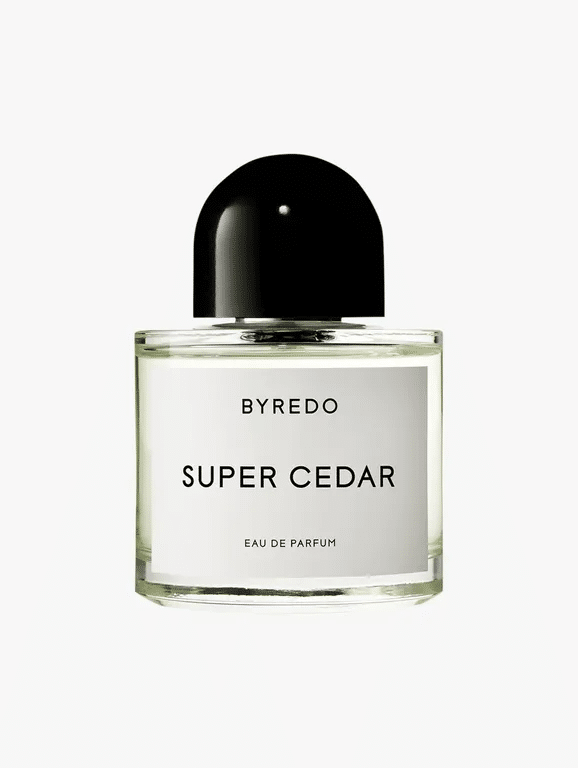
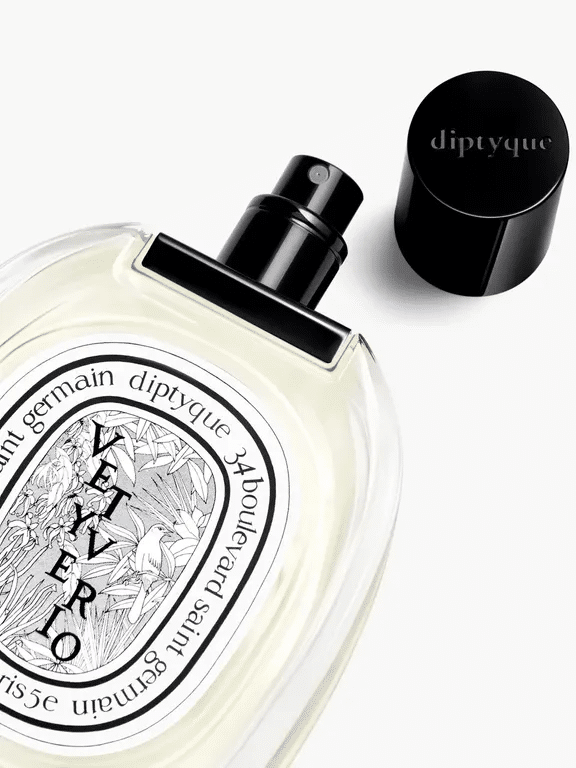
“This could be a light, fresh cedar all the way down to an earthy sandalwood,” Glyde says. “If you want a fragrance that has a little more mystery and impact, look for woody scents that also have notes like black pepper, frankincense, or myrrh.”
His picks: BYREDO ‘Super Cedar’, Diptyque Vetyverio EDT, and TSU LANGE YOR ‘TLY 5755’. The Diptyque is a particularly strong starting point – clean, dry, and versatile enough to wear almost anywhere.

3. A warm, ambery scent.
“A true, classic amber is opulent, timeless, and crucial for any fragrance wardrobe,” says Glyde.
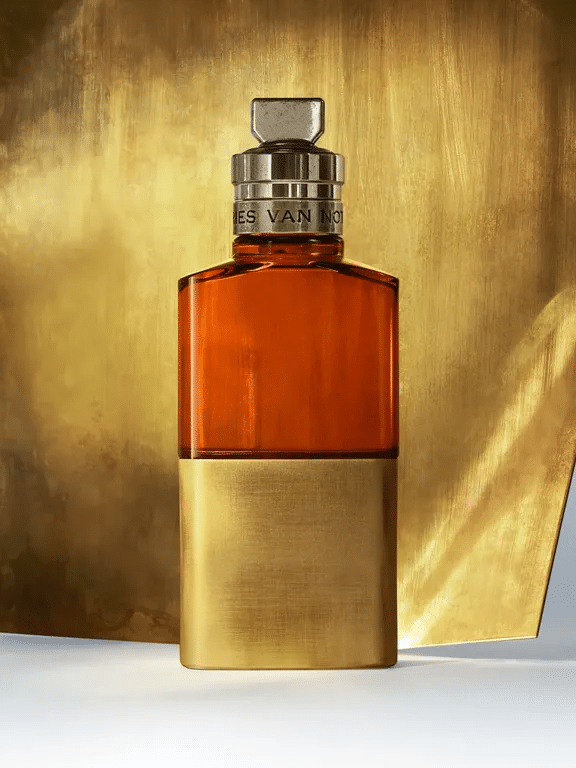
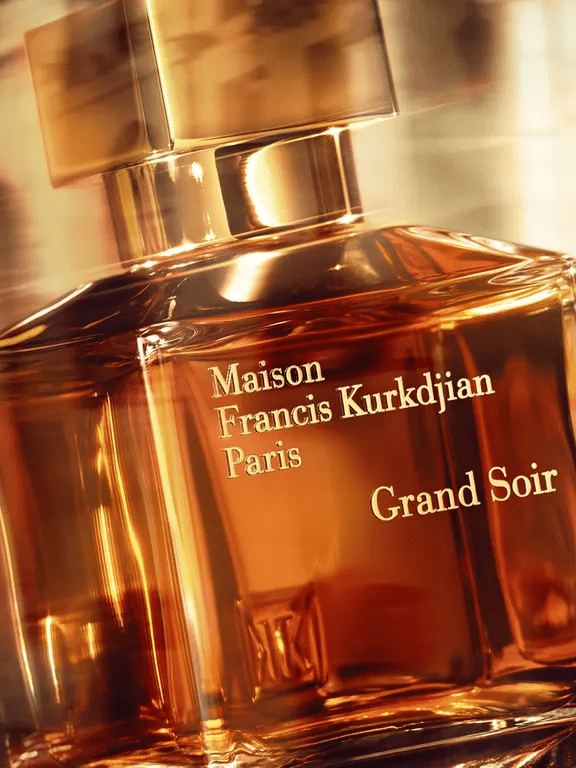
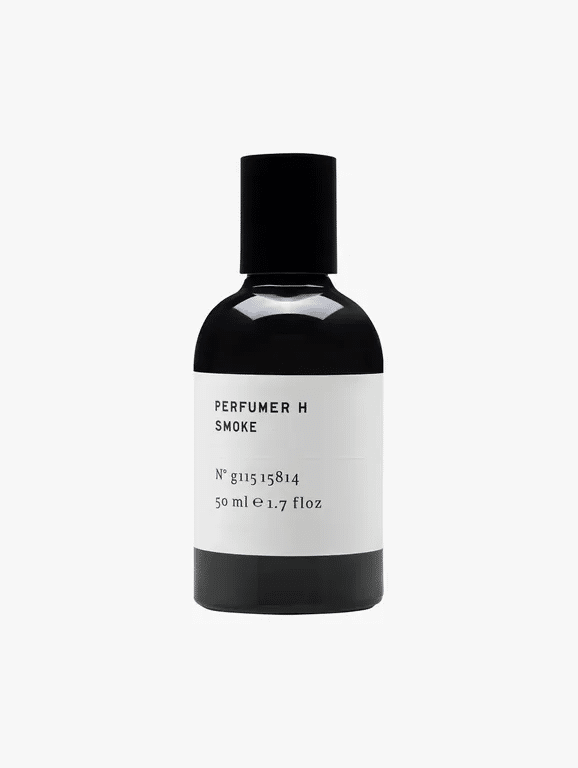
Glyde’s picks: Perfumer H ‘Smoke’, Maison Francis Kurkdjian ‘Grand Soir’, and Dries Van Noten ‘Havanna Gold’. These are the scents you reach for when you want to make an impression: evening wear, cooler months, the kind of dinner where the venue has a dress code.
Do Seasons Really Matter When it Comes to Fragrance?
The short answer is it’s personal, but temperature has an objective effect on how fragrance performs, and that does influence what most people reach for.
“I personally believe that the only thing that your fragrance choices should reflect is your desire for self-expression that day, and that there are no real rules for what is appropriate for a specific season,” says Glyde. “That being said, for some people a new season is an opportunity to refresh or rethink their style and try out something new, and I think fragrance can absolutely be a part of that journey.”
The practical reality is this: “Temperature can impact how our fragrance performs on the skin, and this can ultimately influence the types of scents we reach for at different times of the year. During cooler months, fragrance won’t project as much due to a lower body heat, and so it can be a great time to reach for bolder, richer scents. Conversely, during warmer weather, it’s natural to crave brighter, fresher scents that capture the quintessential summer vibe.”
In Australian terms: a heavy amber in January is ambitious, while a light citrus in July in Melbourne is probably not enough fragrance for the occasion. If in doubt, use temperature as a guide and not as a rule.
Niche Fragrances You Need to Know About
The most interesting developments in fragrance are happening in niche houses; smaller, independent perfumers who aren’t bound by the mass-market expectation of broad appeal. The result is scents that take creative risks, which is what makes them worth exploring once you’ve got the basics down.
Glyde recommends the following: “Comme des Garçons ‘Wonderwood’ and ‘Amazingreen’ have been classics ever since they launched, providing an entry for male customers into the world of niche fragrances. ‘I Don’t Know What’ by D.S. & DURGA has been a quiet cult scent amongst male fragrance shoppers; it offers an ethereal, woody aura of scent that can be worn alone or layered with any fragrance you have in your fragrance wardrobe.”
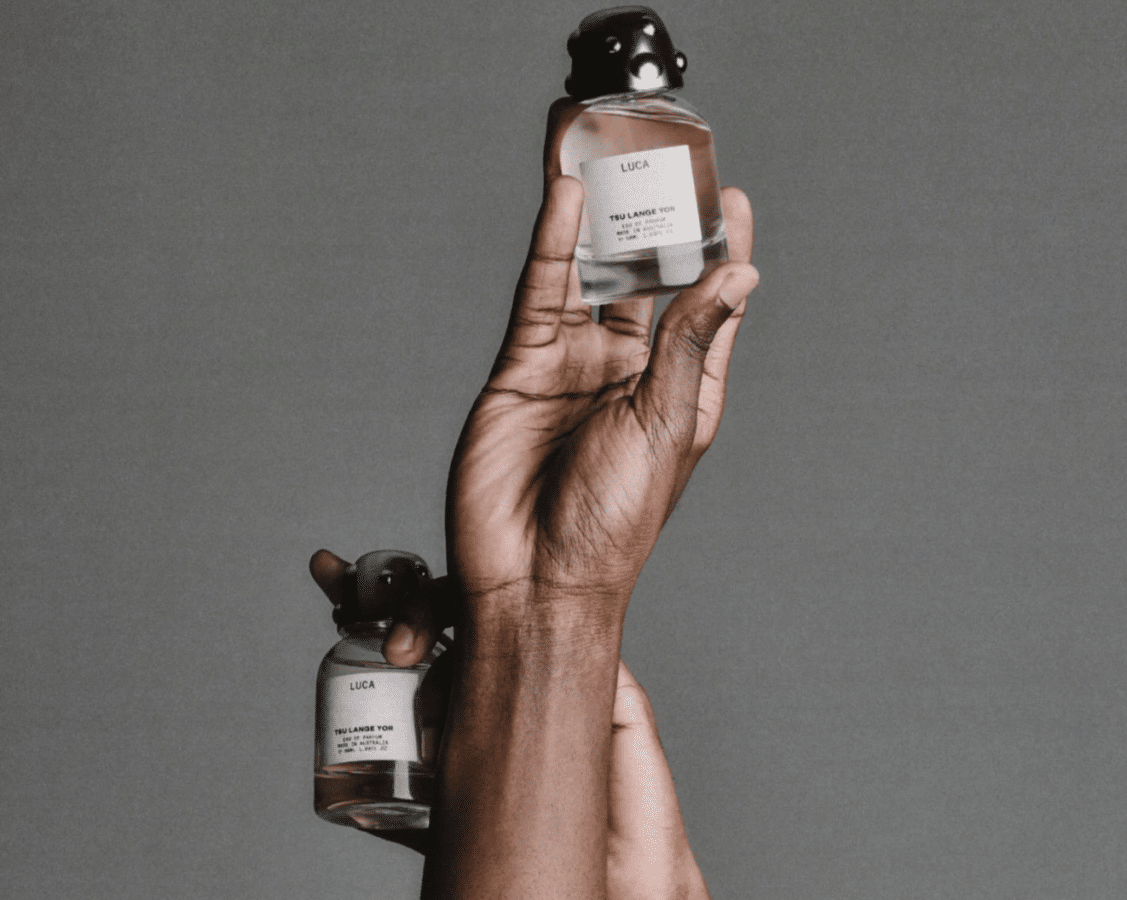
On the more recent end: “When TSU LANGE YOR launched, their ‘Luca’ fragrance exploded. I felt like I couldn’t go anywhere without smelling it on somebody, or being stopped because I was wearing it myself!” And looking ahead: “Santal Greenery from Dries Van Noten has been getting a lot of traction recently, and I can see this becoming a fragrance that draws in a whole new crowd of male fragrance shoppers.”
And then, because any fragrance conversation has to acknowledge it: “I of course do need to shout out the original cult classic fragrance, ‘Santal 33’ from Le Labo. Sandalwood, tobacco, leather, and the essence of the American West – what an icon.”
If you’re only going to dip one toe into niche territory, Le Labo is the easiest entry point. It’s widely available, well-priced relative to quality, and with enough variety in its range that there’s something for most preferences.
On Gendered Fragrance: Why the Labels Don’t Mean What They Used To
The “for men” and “for women” labels on fragrance bottles are, at this point, more marketing convention than significant guidance. They describe target demographics, not olfactive characteristics – and men who’ve dismissed entire fragrance families based on packaging have been missing out.
“The idea of masculine fragrances is absolutely a mix of marketing and cultural sensibilities,” says Glyde. “When fragrance was first emerging in France, floral fragrances were the height of masculine scents. This is obviously far from how we view floral fragrances today in the West, which goes to show that it’s ultimately pretty arbitrary. We’re seeing this shift across all forms of self-expression like fashion, skincare, beauty, and fragrance.”
The growth of niche perfumeries has been the biggest driver of this change. “The rise of niche perfumery has also begun to really dismantle this idea of masculine and feminine fragrances, showing how unique compositions can present fragrance notes in surprising ways, often subverting expectation.”
Glyde cites Ben Gorham, founder of BYREDO, on this point: “He famously said that when he sits down to eat a meal, he doesn’t ask if this meal is for a man or a woman. He is only concerned with finding a meal that brings him joy, and fragrance for him is the same. If you wear a fragrance and you like it, then it’s perfect.”
Common Questions About Building a Fragrance Wardrobe
Stop searching for the one fragrance that defines you. That’s an unnecessarily small ambition for something as expressive as scent. Start with your fragrance families and figure out whether you gravitate toward fresh, woody, or amber. Then build three staples: something clean and easy, something with depth and woods, and something rich and ambery for when you want presence. Add to it slowly and with intention, and soon enough, you’ll have yourself an enviable fragrance wardrobe.
More than one, but also fewer than you might think. Three to five bottles that cover different moods, occasions, and seasons is a complete wardrobe for most men. One fresh and easy, one woody with depth, one rich amber for presence. Beyond that, you’re adding for pleasure rather than function (which is fine, but not the goal when you’re starting out).
Skin, always. Paper strips give you a rough idea of a fragrance’s opening, but they tell you nothing about how it develops or how it interacts with your body chemistry. Spray on your wrist, give it twenty minutes, and smell it again. The fragrance you’re committing to is the dry-down, not the first thirty seconds.
Yes. As Glyde puts it, if you wear a fragrance and you like it, it’s perfect. The “for men” and “for women” labels describe marketing demographics, not olfactive properties. Some of the most interesting scents currently popular with male fragrance shoppers sit in the unisex or traditionally feminine section of the shelf.
Away from heat, light, and humidity (which means not on a sunny windowsill and not in the bathroom). A drawer, a wardrobe shelf, or a dedicated fragrance tray in a cool, dark part of your room. Heat and UV exposure degrade fragrance over time, affecting both the scent and the colour of the juice. An unopened bottle stored correctly can last years. An opened bottle kept in direct sunlight won’t.
It very much depends. The price difference between designer and niche fragrance reflects ingredient quality, batch sizes, and the lack of mass-market advertising spend rather than prestige for its own sake. A well-formulated niche fragrance will generally outperform a comparable designer option in complexity and longevity. That said, there are excellent designer fragrances and disappointing niche ones.
How To Build A Fragrance Wardrobe, at a Glance
| Category | Fragrance | Note Profile | Best For |
| 1. The Clean Staple | Maison Francis Kurkdjian 724 | Crisp, Urban, Musky | The office, daily errands, high summer. |
| Le Labo AnOther 13 | Skin-scent, Ambroxan, Minimalist | A “your skin but better” vibe; effortless. | |
| 2. The Woody Core | Byredo Super Cedar | Clean Cedar, Rose, Silk | A modern, dry woody scent for any season. |
| Diptyque Vetyverio (EDT) | Vetiver, Grapefruit, Rose | Versatile, sophisticated, and earthy. | |
| Tsu Lange Yor TLY 5755 | Woody, Industrial, Artistic | Making a unique, creative impression. | |
| 3. The Rich Amber | Dries Van Noten Havanna Gold | Honey, Tobacco, Vanilla | Formal events, dates, and cold nights. |
| MFK Grand Soir | Labdanum, Benzoin, Amber | A “liquid gold” evening powerhouse. | |
| Perfumer H Smoke | Incense, Birch Tar, Resin | Intimate, mysterious, and atmospheric. | |
| 4. The Niche Entry | Comme des Garçons Wonderwood | Sandalwood, Pepper, Cypress | Guys who want “maximum woods” in a bottle. |
| D.S. & Durga I Don’t Know What | Bergamot, Iso E Super | Layering over other scents or a minimalist glow. | |
| Tsu Lange Yor Luca | Earthy, Mossy, Australian | Standing out with a local, modern cult hit. | |
| Dries Van Noten Santal Greenery | Sandalwood, Fig, Green Tea | A fresh, creamy take on traditional wood. | |
| 5. The Icon | Le Labo Santal 33 | Sandalwood, Cardamom, Leather | The ultimate “status” scent; bold and recognizable. |


















Comments
We love hearing from you. or to leave a comment.