

Updated:
Readtime: 8 min
Every product is carefully selected by our editors and experts. If you buy from a link, we may earn a commission. Learn more. For more information on how we test products, click here.
- Cold plunges may boost mood and sleep, but there is no substantial evidence that they improve long-term heart health or prevent disease.
- The sudden temperature drop triggers a spike in adrenaline, blood pressure, and heart rate, which can pose serious risks to anyone with known or hidden cardiovascular issues.
- If you don’t have underlying health conditions, it’s still a good idea to ease in with cool showers, keep plunge times to two or three minutes, and avoid them right after lifting to preserve muscle growth.
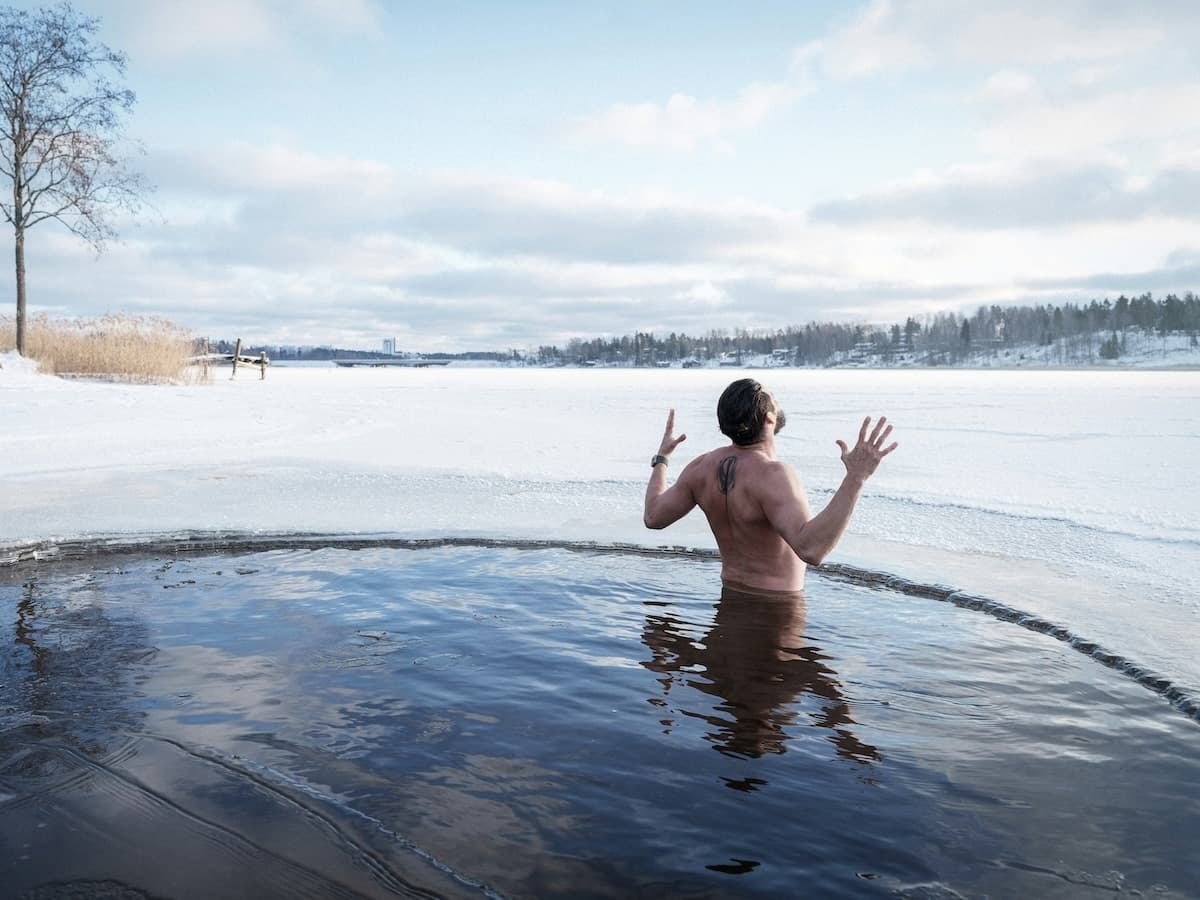
If you scroll through your social media feed before 8am, you’ll likely see a parade of guys plunging into sub-zero tubs, breathing through biohacking protocols or swimming through freezing ocean swells to “crush the day.” Ice baths and winter ocean swimming are treated as the ultimate flex for discipline, health, and mental resilience. A badge of mental and physical honour, if you will.
But while that freezing water gives you an immediate spike of adrenaline, top heart experts warn that the reality behind the trend is a lot more complicated than your favourite fitness influencer makes it look.
To get the latest research, we spoke to Cardiologist and physician Professor Jason Kovacic, Director of the Victor Chang Cardiac Research Institute, who breaks down the hype and why jumping into ice water might be putting unnecessary, dangerous strain on your heart.
What Are The Real Cardio Health Benefits to an Ice Bath?
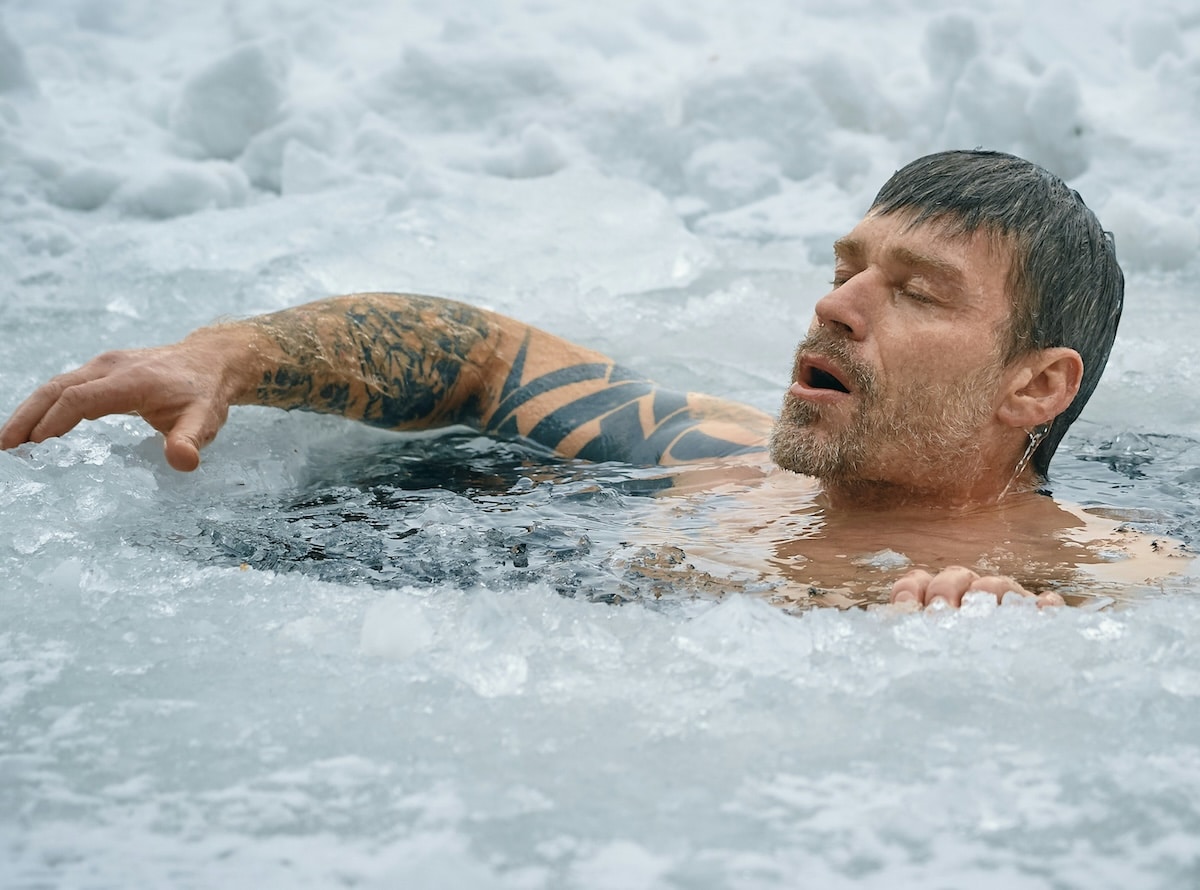
Influencers and health coaches like Joe Rogan and Wim Hof have been touting the benefits of cold plunges for years.
However, from a cardiovascular perspective, the hard evidence is just not there. While cold-water immersion has been shown to help with stress reduction and sleep quality, Professor Kovacic stresses there’s currently insufficient data to claim it does anything for long-term heart health.
“There’s no doubt cold plunges have surged in popularity, but from a heart health perspective the evidence remains limited,” says Professor Kovacic.
“Some research suggests cold-water immersion may help with stress reduction, sleep quality and overall wellbeing, but we don’t have strong evidence that it improves long-term cardiovascular health or reduces the risk of heart disease.”
For anyone treating an ice bath as a cure-all, Kovacic has a reality check: “For most men, cold plunges are best viewed as a wellness practice rather than a heart-health intervention. Proven strategies such as regular exercise, a healthy diet, quality sleep, and managing blood pressure and cholesterol remain far more important for protecting cardiovascular health.”
What Physically Happens When You Do a Cold Plunge?
Jump into an ice bath and your body instantly treats the sudden temperature drop as a life-threatening stress response.
“Within seconds, stress hormones such as adrenaline are released, heart rate and blood pressure can rise, and blood vessels near the skin constrict to preserve heat. This redirects blood toward the chest and core organs. This combination can increase the workload on the heart, particularly when the water is very cold,” Professor Kovacic explains.
That involuntary, sudden gasp you feel the moment you hit freezing water is the cold shock response kicking in. Accompanied by hyperventilation and a sharp spike in systemic blood pressure, it’s a primal biological reaction designed to keep you alive in extreme environments.
The real potential danger, however, lies in how your heart handles that rapid shift underwater. “The concern is that this sudden cardiovascular stress can trigger abnormal heart rhythms, particularly in people with underlying heart disease or abnormalities of the heart, and the involuntary gasp can be dangerous if your head is underwater when it happens,” says Professor Kovacic.
Who Should Not Do a Cold Plunge?
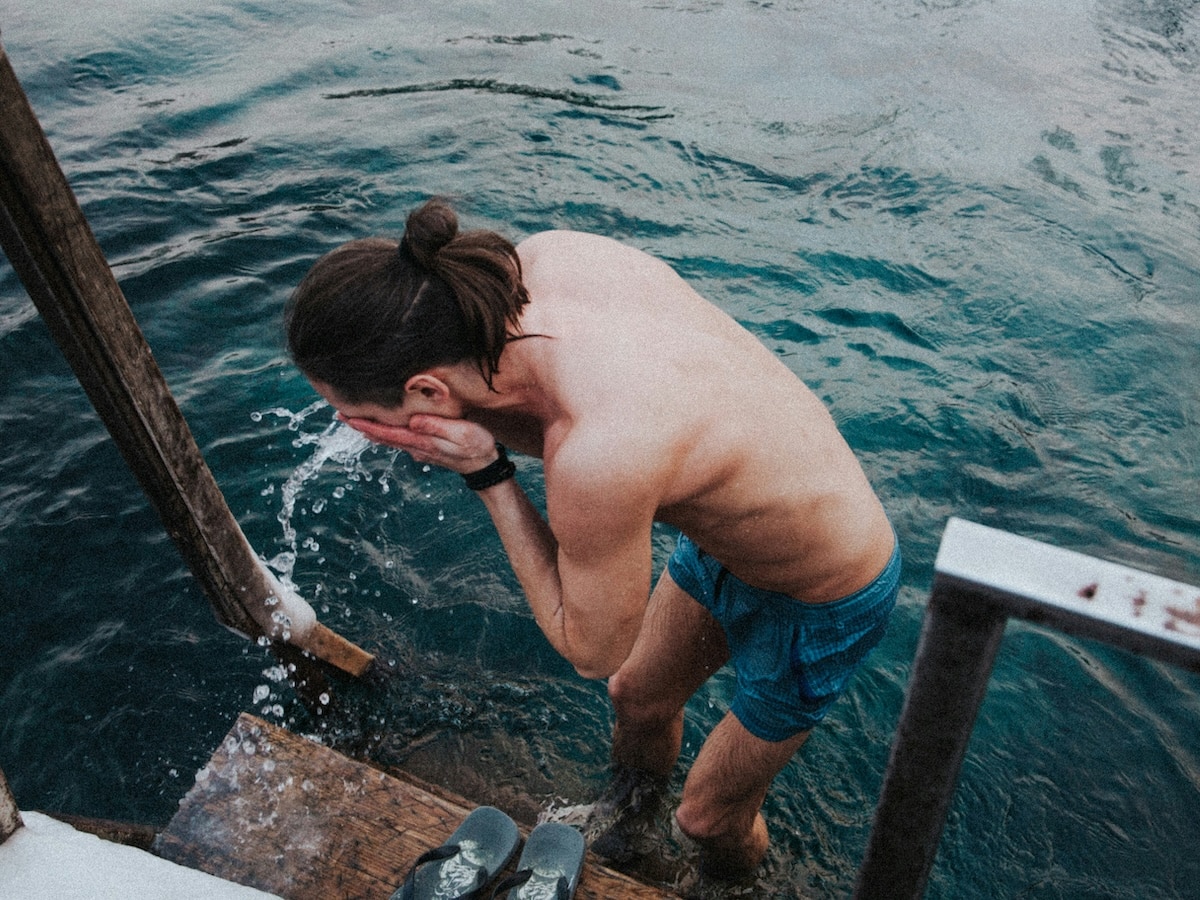
A cold plunge isn’t necessarily a potential danger for everyone, but if you have any history of cardiovascular issues, jumping straight into an ice bath or taking a winter ocean swim is a risk you simply shouldn’t take without medical clearance.
“Anyone with known cardiovascular disease should speak with their doctor before undertaking cold plunges or winter ocean swimming,” warns Professor Kovacic.
“This includes people with a history of heart attack, heart failure, uncontrolled high blood pressure, coronary artery disease or heart rhythm disorders. Cold-water immersion places sudden demands on the cardiovascular system that may increase risk in these groups.”
It’s not just people with heart conditions either who should be careful. Professor Kovacic says anyone with circulation disorders such as peripheral artery disease or Raynaud’s phenomenon should also seek medical advice before jumping into freezing water.

Red Flags You Should Never Ignore When Cold Plunging
A cold plunge isn’t exactly meant to feel comfortable, but it should never cause outright physical distress. Plenty of people carry undiagnosed conditions without knowing it, making warning signs critical to catch early.
“If someone experiences chest pain, chest tightness, an irregular heartbeat, severe shortness of breath, dizziness, fainting or feels like they’re about to pass out, they should get out of the water immediately and seek medical attention,” says Kovacic.
“Those symptoms are not normal responses to a cold plunge and could indicate that the heart is struggling to cope with the stress of the cold exposure.”
He suggests that if symptoms are severe or are persistent, you should seek urgent medical assistance.
How to Build Tolerance to a Cold Plunge Without Shocking Your System
For healthy men who are committed to chasing the cold-water high, the key is gradual adaptation rather than diving straight into sub-zero temperatures.
“Rather than jumping straight into an ice bath, it’s safer to start with cool showers or milder cold-water sessions and slowly reduce the temperature over time,” says Professor Kovacic.
“Controlled breathing is important, as is keeping sessions short and avoiding cold plunges when you’re unwell, exhausted or alone. Like any physical stressor, your body adapts better when exposure is introduced progressively rather than all at once.”
As for setting strict rules around exact temperatures and timer limits, science is still catching up to the trend.
“That’s one of the biggest unanswered questions because there isn’t any robust clinical study data to guide this, and so there is no universally agreed ‘safe’ temperature or duration,” notes Kovacic.
“What we do know is that colder water creates a stronger cold shock response and places greater strain on the cardiovascular system. Research studies have commonly used water temperatures of 15°C or below, but experts note there is still no consensus on the ideal temperature, timing or duration.”
As a general rule, however, the colder the water and the longer you stay in it, the greater the stress on the heart and the higher the risk.
To Cold Plunge or Not to Cold Plunge?
Cold plunges can be a great mental tool and an undeniably effective wake-up call, but they’re not a silver bullet for your health. While cold exposure can improve your mood, stress levels, and sleep, the cardiovascular perks are largely unproven, and the immediate physiological shock can place significant stress on your heart. If you choose to plunge, it’s best to treat it more like a lifestyle reset rather than a medical intervention. Make sure you ease in gradually, keep your sessions brief, listen to your body’s warning signs, and leave the extreme exposure off your daily agenda.
Cold Plunge FAQs
For healthy men without underlying heart conditions, daily cold exposure can be safe if kept short and moderate. However, doing it daily can increase cumulative stress on the central nervous system, meaning taking the time to recover and listening to how your body feels is essential.
Research shows jumping straight into an ice bath after lifting weights constricts blood vessels, flushes out blood flow, and essentially puts your body’s recovery signal to sleep. Basically, immediate post-workout cold plunges significantly blunt muscle protein synthesis and slow long-term hypertrophy. So, if you’re training for muscle growth, keep the ice bath for non-lifting days or wait at least 4 to 6 hours after your last set before plunging.
You don’t need to torture yourself with extended sessions to trigger the dopamine release from cold exposure. Most experts suggest that 2 to 3 minutes in water around 10°C to 15°C is more than enough to achieve better mental clarity without unnecessarily overworking your heart.
Related reads:



















Comments
We love hearing from you. or to leave a comment.