

Updated:
Readtime: 9 min
Every product is carefully selected by our editors and experts. If you buy from a link, we may earn a commission. Learn more. For more information on how we test products, click here.
Luxury home technology doesn’t always announce itself. When it’s done properly, you barely notice it at all. A space simply feels more considered, more cohesive and easier to live in, with systems working quietly in the background.
This isn’t about flashy gadgets or chasing the latest upgrade. It’s about technology that quietly elevates how your home feels, improving atmosphere, reducing mental load and making everyday rituals more effortless. Better tech means less fiddling, less scrolling and more presence.
For those who value thoughtful design as much as function, here are our top 8 recommendations for home technology that can elevate your space and make it feel like a luxury home, regardless of size.
Luxury Sound & Vision
These are pieces designed to disappear into the room while fundamentally improving how it sounds and feels.
1. Bang & Olufsen Beosound Theatre
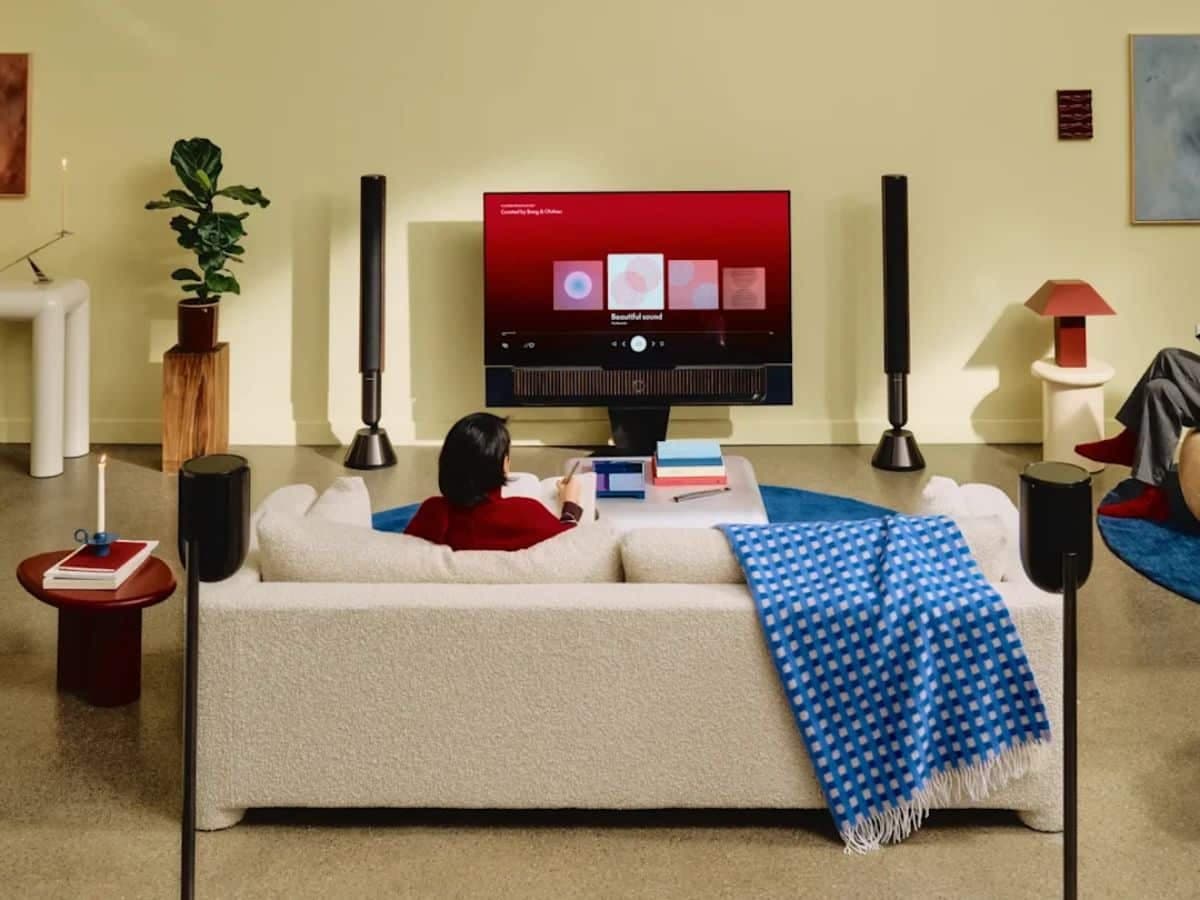
This isn’t a soundbar pretending to be premium. The Bang & Olufsen Beosound Theatre is a sculptural centrepiece that just happens to deliver cinema-grade sound.
Wrapped in aluminium with swappable oak or fabric covers, it sits beneath your screen like a piece of custom furniture. Using beam-forming technology and automated room calibration, it’s engineered to deliver an expansive, immersive soundstage without the visual clutter of traditional surround systems.
We covered the Beosound Theatre when it first launched, recommending it as a long-term investment rather than a quick upgrade, and our verdict still stands.
- Best for: Design-led living rooms that still demand cinema-grade sound.
- Pros: Sculptural design, adaptable room calibration and a modular long-term system.
- Cons: Premium pricing escalates quickly with customisation.
- Price: Starting from $19,400 AUD. If aesthetics matter less, the Sonos Arc Ultra delivers strong performance at a more affordable price of $1,799 AUD.
2. Samsung The Frame TV
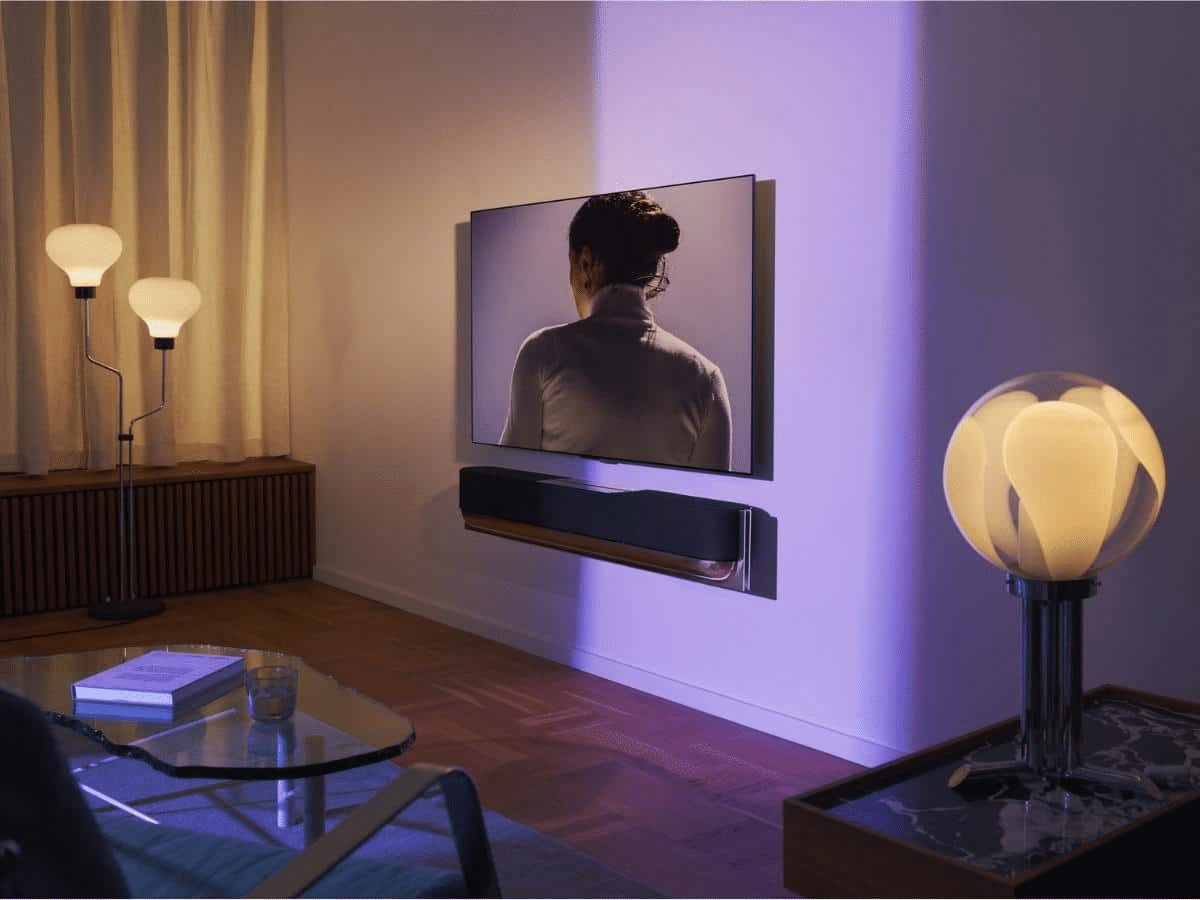
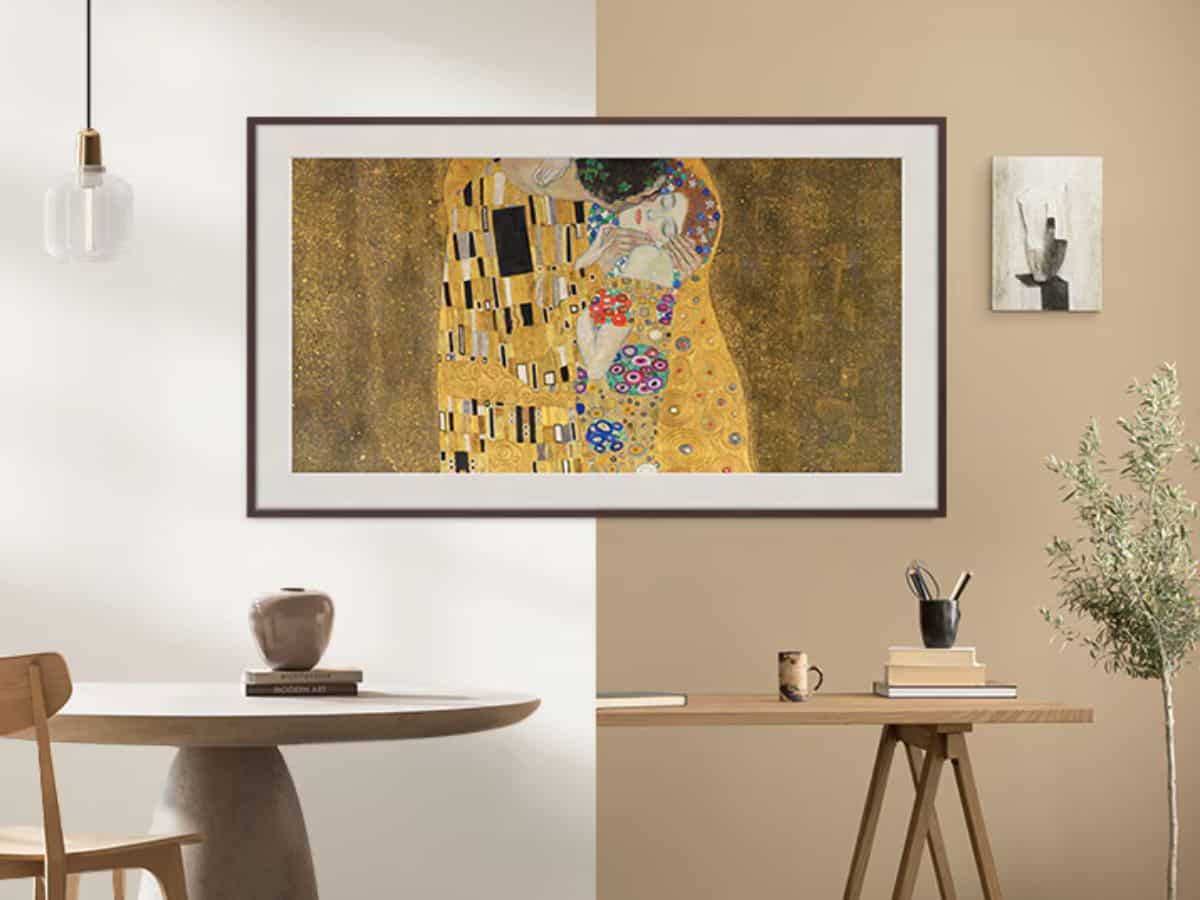
If, like me, you live in a small apartment and you’re all about maximising space while reducing visual clutter, a TV that sits flush to the wall and doubles as art makes a lot of sense. Samsung’s Frame TV does exactly this.
When it’s not being used, it displays curated artwork or photography, posing as wall art rather than a screen. It reflects a broader shift in design-led home tech, where the goal is to hide technology in plain sight rather than letting it dominate the room.
And if the idea of investing in a “proper” piece of art feels intimidating, The Frame gives you the visual calm and intent of art without the pressure of choosing something permanent.
While the concept isn’t new, The Frame has certainly earned its place.
- Best for: Design-conscious rooms where you don’t want the TV to be the focal point.
- Pros: Art Mode transforms the screen when idle, the no-gap wall mount keeps the screen flush to the wall, interchangeable bezels suit different interior styles.
- Cons: Its picture quality can’t quite match the contrast and depth of premium OLED panels.
- Price: From around $799 AUD, depending on size and configuration.
Premium Smart Lighting Solutions
Lighting is the fastest way to change how a space feels (and give it a luxury feel) without adding anything new.
3. Ketra by Lutron
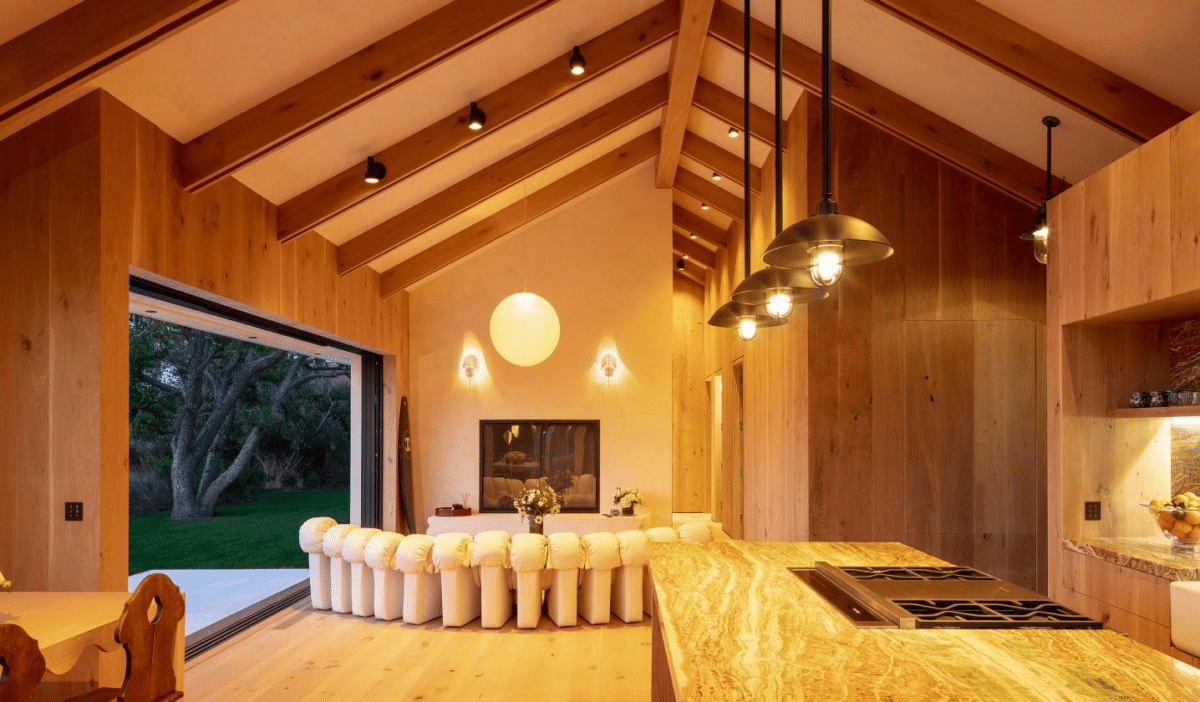
I once stayed in an architecturally designed Airbnb where I never touched a single light switch, and it felt unapologetically boujee in the best possible way.
This was my first experience of Ketra by Lutron. More than just smart lighting, it’s a human-centric system that uses sensors, timing and tunable colour temperature to shape how a space feels, automatically responding to movement, time of day and the mood each room creates. Once programmed, you forget it exists (which is entirely the point).
If you’re anything like us and believe watching TV with the big light on should be illegal, this system was built for you.
- Best for: New builds or major renovations where lighting is considered from the outset.
- Pros: Accurate light quality, seamless shifts from day to night and automation that removes the need for switches or apps entirely.
- Cons: High upfront cost and professional design and installation are essential.
- Price: From $40,000 to $50,000 AUD for smaller homes, with larger projects exceeding $100,000. For a more affordable option, Philips Hue offers easy retrofit smart lighting from $1,000–$3,000 AUD.
4. Luxaflex PowerView Motorised Blinds
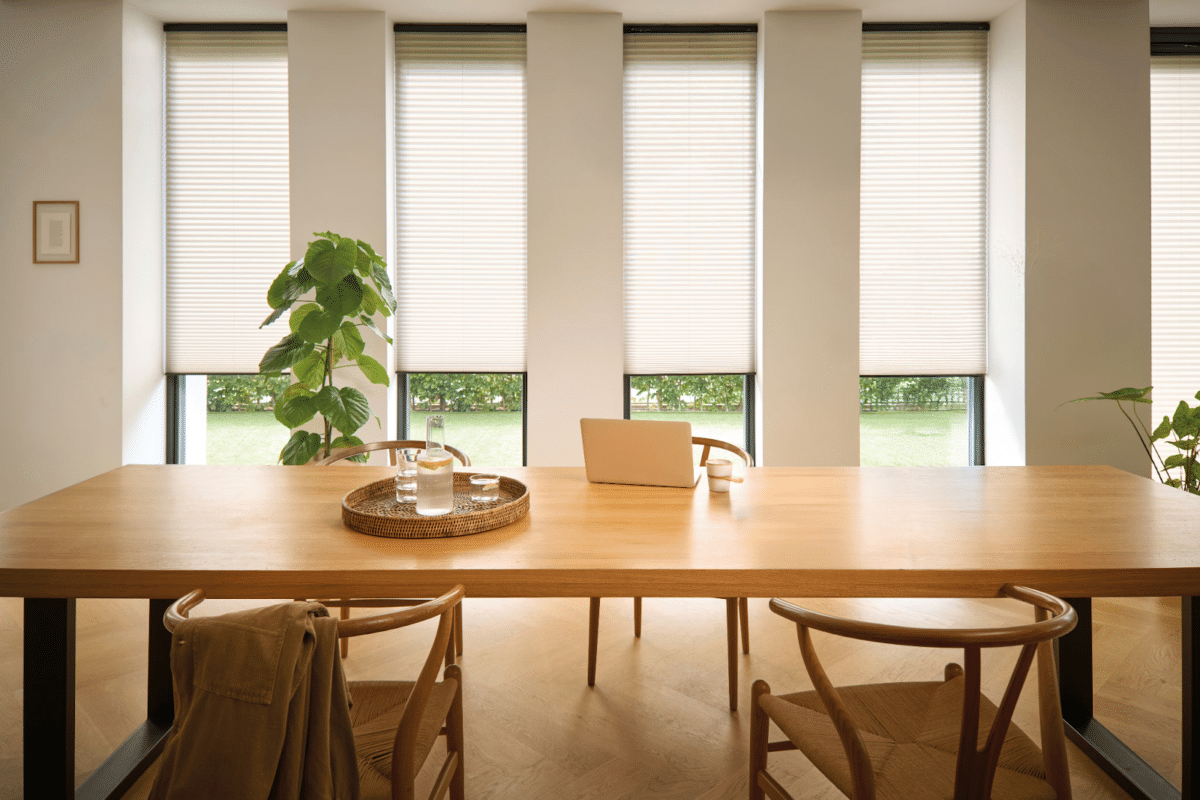
Remember that scene in The Holiday, where Kate Winslet’s character discovers the motorised blinds and has the best sleep of her life? That’s not Hollywood exaggeration.
Motorised blinds are peak quiet luxury. They remove friction from two moments that matter most in our day, waking up and winding down.
Systems like Luxaflex PowerView handle this with minimal fuss. Blinds automatically open and close based on time of day, schedules or light conditions, letting natural light in when it’s welcome and blocking it out when it’s not.
Suddenly mornings feel gentler and evenings feel calmer without having to lift a finger. Sign us up!
- Best for: Bedrooms and north or west-facing living spaces.
- Pros: Effortless control of light and privacy, improved sleep routines and reduced heat and glare without manual adjustment.
- Cons: Requires upfront investment and professional installation, making it less suitable for renters or short-term setups.
- Price: Around $1,500 to $2,500 AUD per window depending on configuration.
High-End Kitchen Appliances Worth the Investment
If you love to cook but want your kitchen to feel more masculine and architectural rather than purely functional, the most effective upgrades are often the ones you barely see.
5. TPB Tech Invisible Induction Cooktop
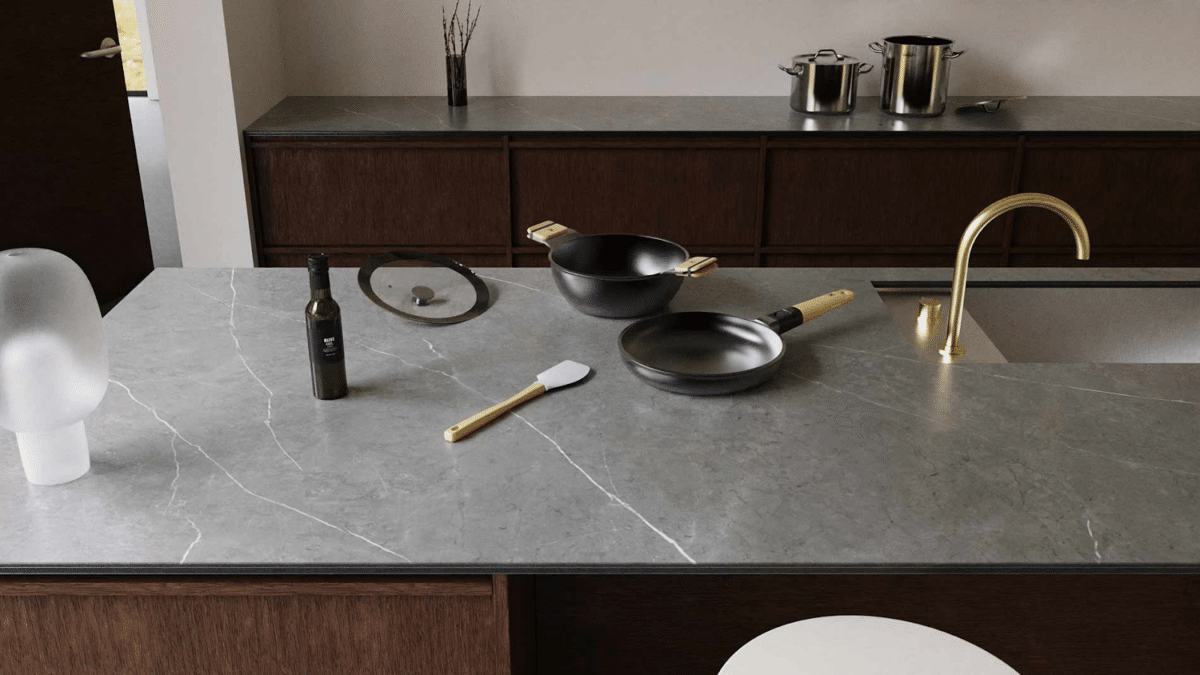
Invisible cooktops embed induction elements beneath stone benchtops, allowing you to cook directly on the surface, then return it to a seamless slab.
TPB Tech takes this approach seriously, offering invisible induction systems designed to be integrated beneath compatible stone surfaces in high-end residential kitchens. Cooking capability appears when needed, then visually disappears, creating that luxurious, minimalist feel.
- Best for: Minimalist open-plan kitchens where bench space is at a premium and the kitchen is a shared living and entertainment area.
- Pros: A seamless benchtop, more usable surface area and faster cooking speeds than traditional electric cooktops.
- Cons: They’re a significant financial investment, requiring professional installation and must be paired with specific compatible stone surfaces.
- Price: Invisacook systems start from $8,000–$12,000 AUD, with added costs for the benchtop.
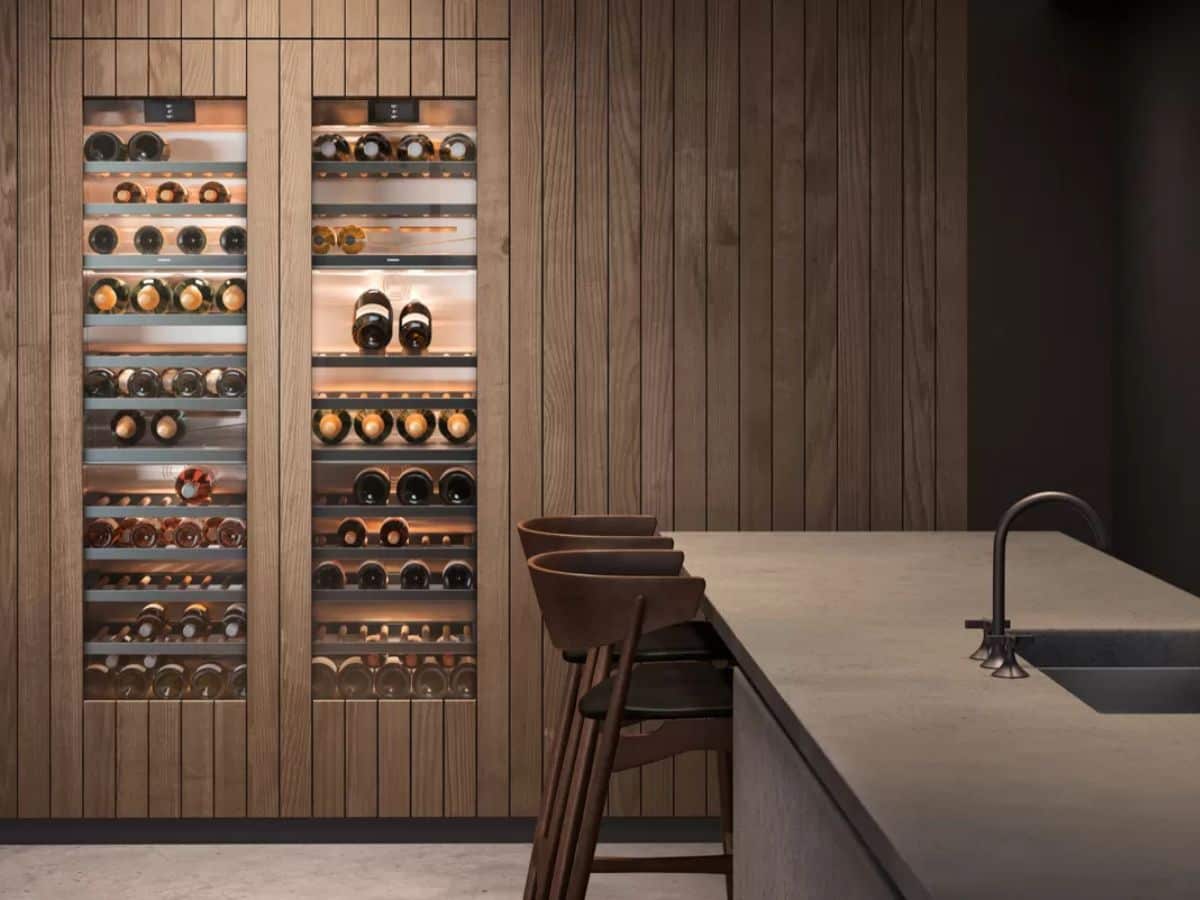
6. Gaggenau Wine Climate Cabinets
For those who take wine seriously enough to cellar but not seriously enough to build a dedicated room, the Gaggenau Wine Climate Cabinet is for you. Built seamlessly into cabinetry with soft interior lighting and dual or triple climate zones, these cabinets feel like design features rather than appliances.
Bottles are softly lit and perfectly stored, while dual or triple climate zones keep everything at serving temperature.
- Best for: Wine enthusiasts in apartments or homes without cellar space, or anyone building a home bar who wants integrated storage that feels permanent.
- Price: From $10,000 to $20,000 AUD, depending on configuration.
Image: Gaggenau
Luxury Home Office Essentials
If you work from home and want your office to feel masculine, focused and intentional rather than like a spare room with a laptop, the foundational pieces matter more than the accessories.
 Pic: Herman Miller
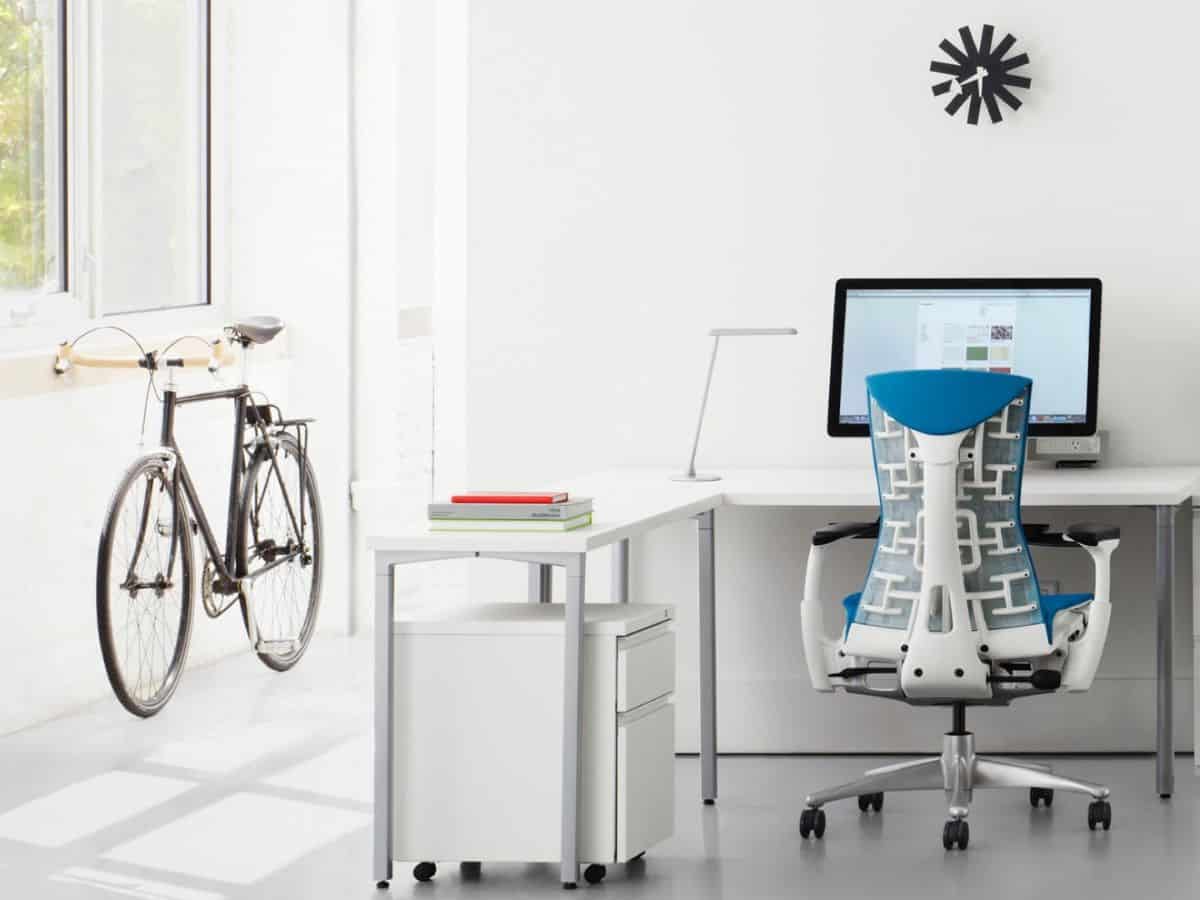
7. Herman Miller Embody Chair
Ergonomic chairs are easy to dismiss until your back reminds you otherwise.
Embody is Herman Miller’s most technically ambitious chair, designed around how the body actually moves rather than forcing perfect posture.
It uses a pixelated support system in the backrest that adapts as you shift throughout the day. Instead of locking you into one position, it encourages micro movement, improving circulation and reducing fatigue over long sessions.
Visually, it reads more architectural than corporate. In darker finishes, it feels intentional and modern rather than like something borrowed from a boardroom.
- Best for: Anyone working from home who wants adaptive support and comfort.
- Pros: Dynamic back support that moves with you, excellent pressure distribution for all day use, and a modern silhouette that suits design-led spaces.
- Cons: Premium pricing and a look that is distinct rather than minimal.
- Price: Around $2,800 to $3,300 AUD depending on configuration.
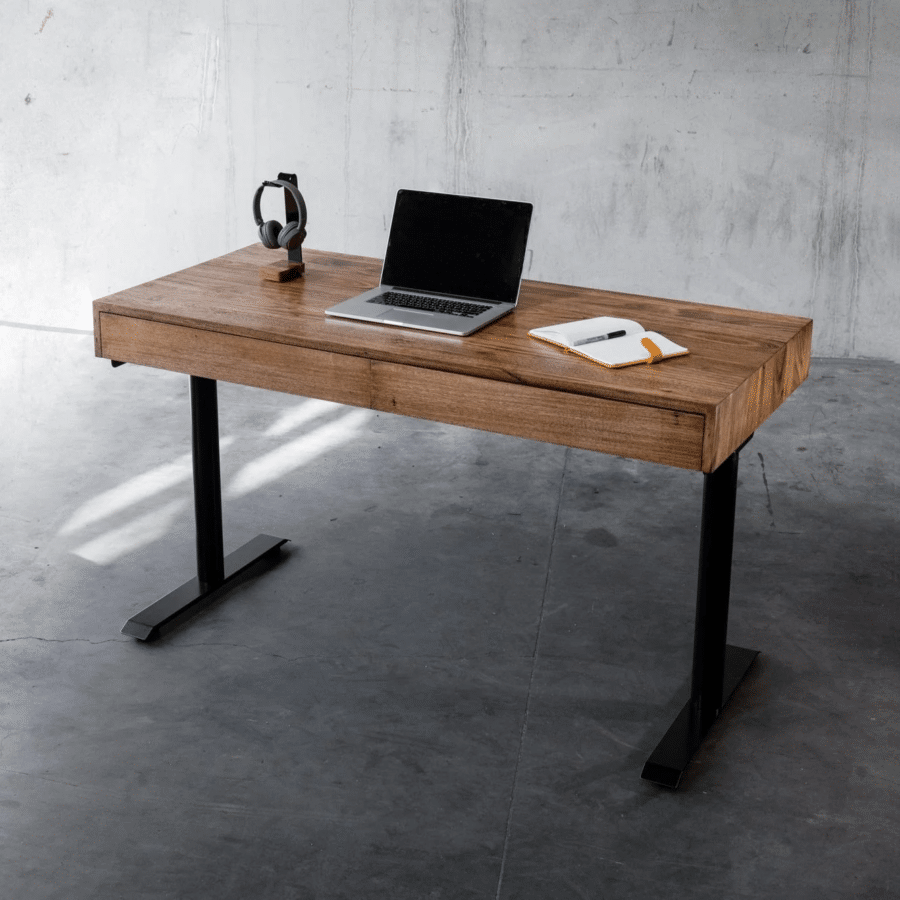
8. We Are Minimal Moov Duplex Desk System
Most home office desks look like they escaped from a corporate office park.
The Moov Duplex desk from We Are Minimal pairs serious ergonomic performance with a considered design suited for any home office. Think hardwood tops, clean lines and integrated cable management keeping visual clutter in check.
Plus, subtle storage and integrated cable management keep visual clutter in check, while locally made hardwood tops add warmth and longevity.
- Best for: Anyone working from home regularly who wants a desk that balances design, comfort and everyday usability.
- Pros: Smooth, quiet dual-motor lift, locally made hardwood tops and clean cable management.
- Cons: Premium pricing and longer lead times due to local manufacturing and custom finishes.
- Price: From $3,100 AUD, depending on size and timber selection. For a more simple yet affordable option, check out the Moov Mountain Ash standing desk, from $1,590 AUD.
Looking for more inspiration for your home? Check out interior design tips to elevate your living room and bedroom.

























Comments
We love hearing from you. or to leave a comment.