
Updated:
Readtime: 6 min
Every product is carefully selected by our editors and experts. If you buy from a link, we may earn a commission. Learn more. For more information on how we test products, click here.
- 2026 electric C-Class features a massive 39.1-inch MBUX Hyperscreen option.
- Mercedes reintroduces physical steering wheel switches and a tactile volume roller.
- The C 400 4MATIC delivers 360kW, hitting 100km/h in 4.1 seconds.
- A 94.5kWh battery provides a WLTP range of up to 760 kilometres.
- An 800-volt architecture adds 320 kilometres of range in 10 minutes.
- Dynamic chassis tech includes predictive air suspension and rear-axle steering.
When we trace the modern car interior back to its origins, we end up at the early Tesla Model S, which was recently discontinued. When Tesla ditched the traditional dashboard for a massive, vertical screen that functioned more like an iPad than a clunky car touchscreen, the rest of the industry rushed to copy it. We’ve spent the last decade dealing with the fallout, an era where turning on the heated seats, adjusting your mirrors, or opening the glovebox often means looking through three layers of distracting digital sub-menus, while steering a 2-tonne chunk of metal on wheels.
The backlash didn’t arrive quickly, but it’s here. Drivers are annoyed, safety regulators are threatening to dock crash ratings for overly complex interfaces, and carmakers are backing down as consumers realise that a touchscreen is no longer “luxury,” but a clever way to cut costs. Reviews for the newly launched 2026 Hyundai Elexio, which boasts a massive 27-inch touchscreen on the passenger side, are already calling out its maddening touchscreen UI, noting that the physical start button is one of the few remaining analogue joys in the cabin. Similarly, the upcoming 2026 Mazda CX-6e will join the fray with a large 26-inch display of its own.
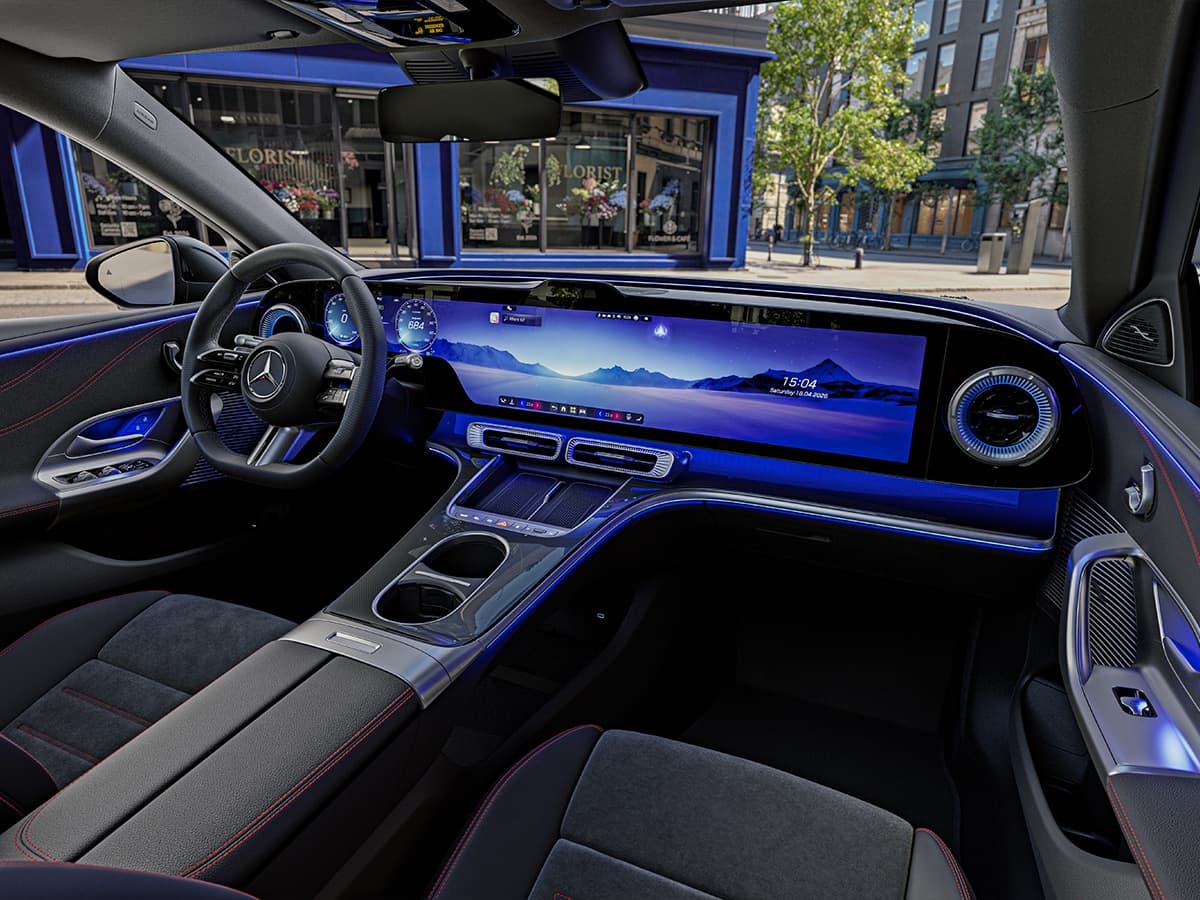
However, to see exactly how this course correction is playing out at the premium end of the market, look no further than the newly announced 2026 all-electric Mercedes-Benz C-Class. With its enormous 39.1-inch MBUX Hyperscreen that extends seamlessly across the entire width of the dash, we have officially reached peak touchscreen.
| Detail | |
| Model | 2026 Mercedes-Benz C-Class Electric |
| Top Trim | C 400 4MATIC |
| Power Output | 360 kW |
| Acceleration | 0-100 km/h in 4.1 seconds |
| Battery & Range | 94.5 kWh / Up to 760 km WLTP |
| Charging | 800-volt architecture (320 km in 10 minutes) |
| Infotainment | 39.1-inch MBUX Hyperscreen |
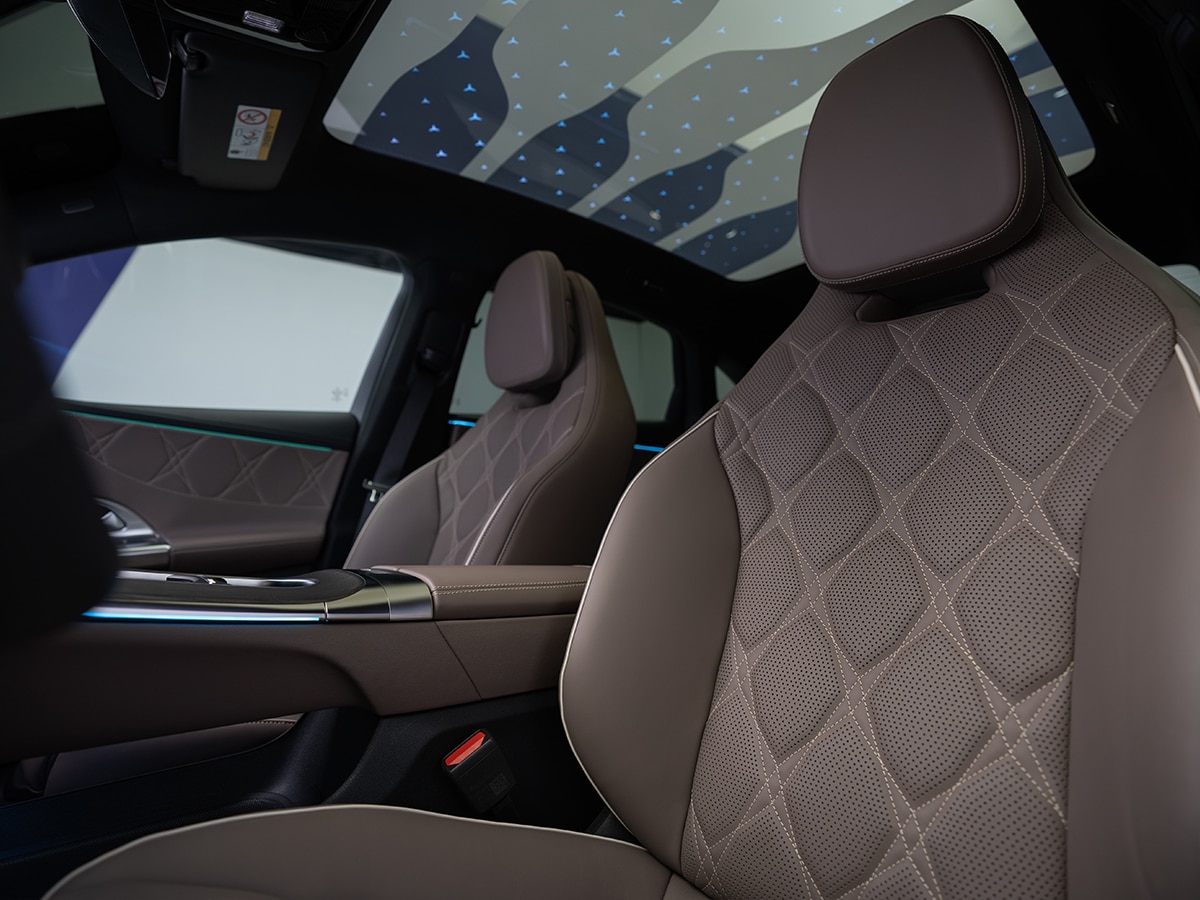
Mercedes has been fully committed to the screen wars for years, unveiling their “Hyperscreen” around 2022 with the Mercedes-Benz EQS. However, the latest variant of that screen has made its way to the Mercedes-Benz C-Class, where a dashboard layout is available in three configurations. If you tick the most expensive options box, things get ridiculous quickly.
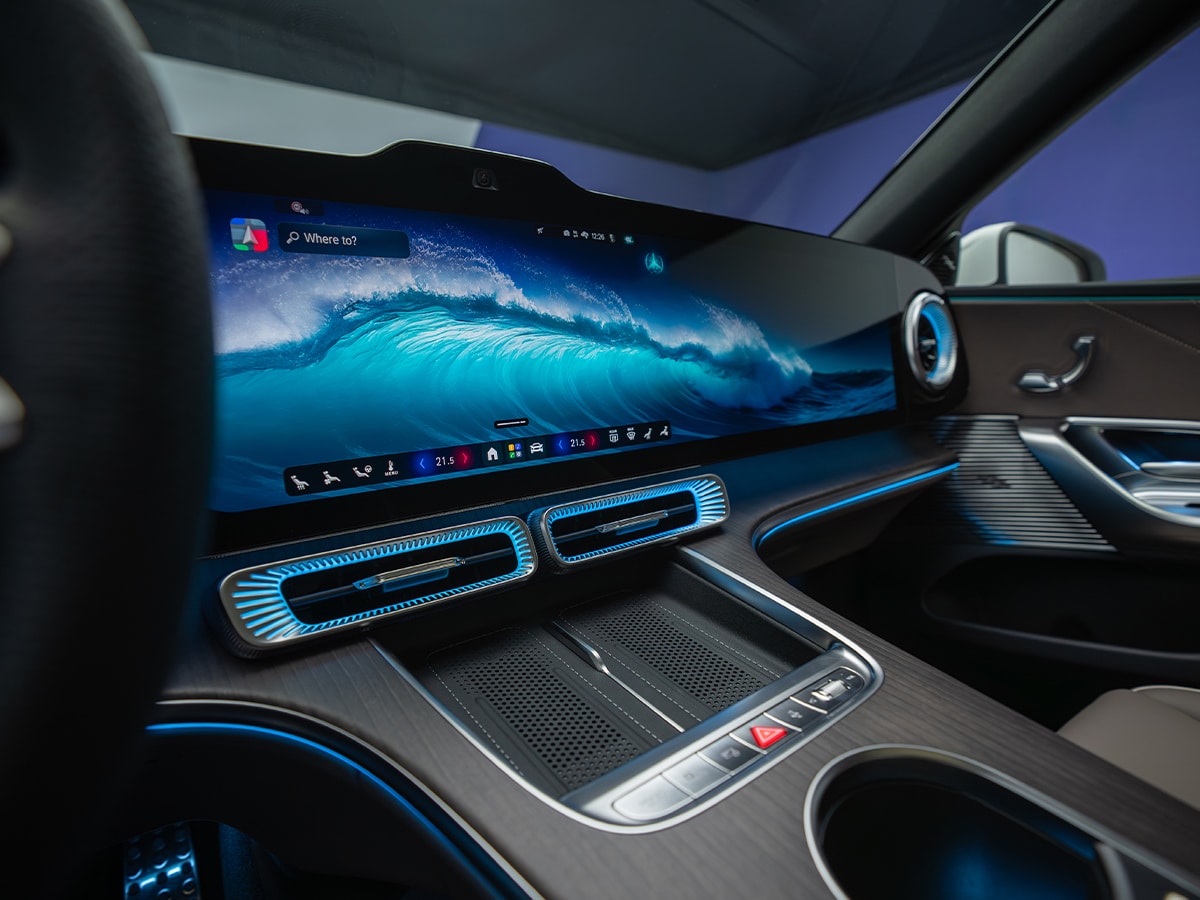
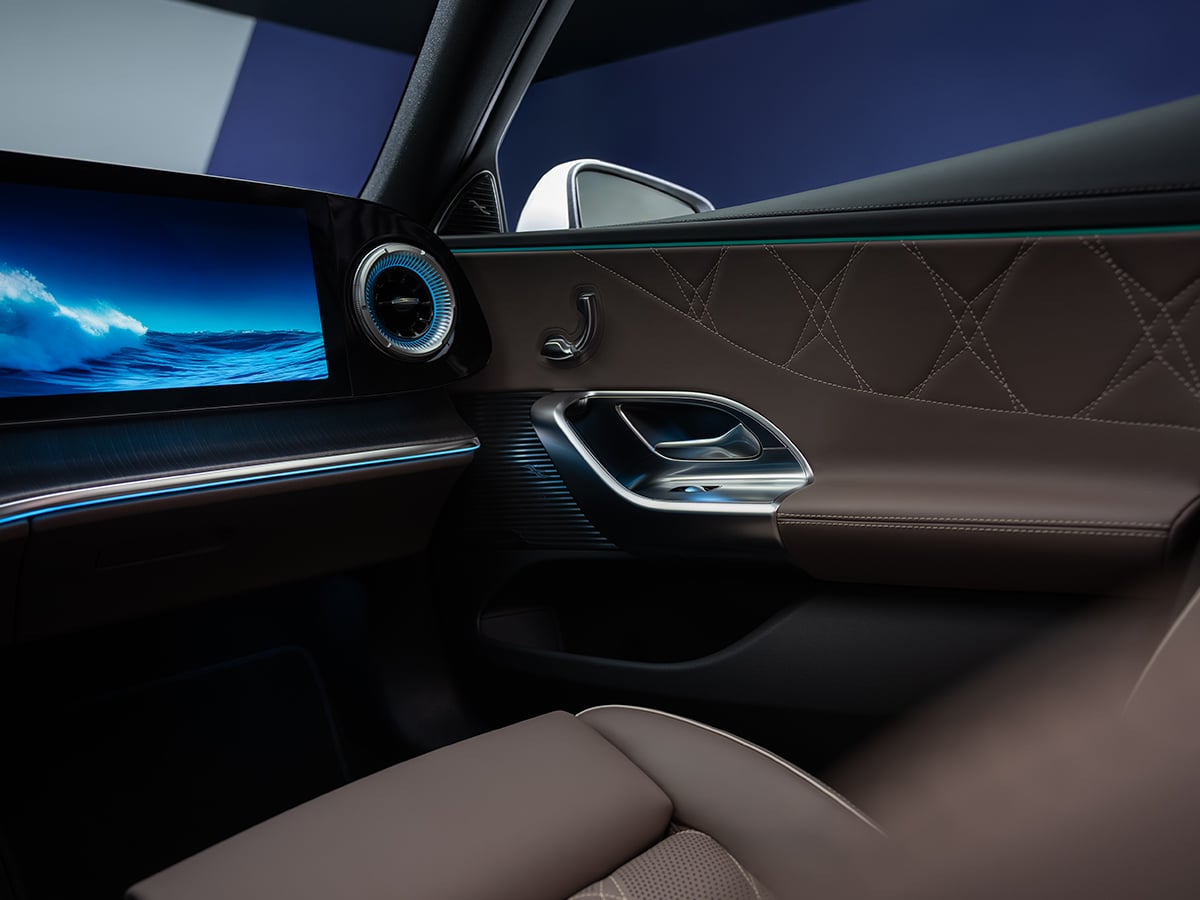
While you can stick with a standard display layout, stepping up to the MBUX Superscreen adds three separate screens under a large, continuous glass surface. If that’s still not enough, the top-tier option is the staggering 39.1-inch (99.3-centimetre) MBUX Hyperscreen that extends across the entire width of the interior. It’s an absolute monolith of glass, packing matrix backlight technology with over 1,000 individual LEDs and independently adjustable brightness zones. Frankly, it’s another ergonomic nightmare hiding behind a veil of “high-tech” luxury. No, you’re still not allowed to drive while looking at your new iPhone.
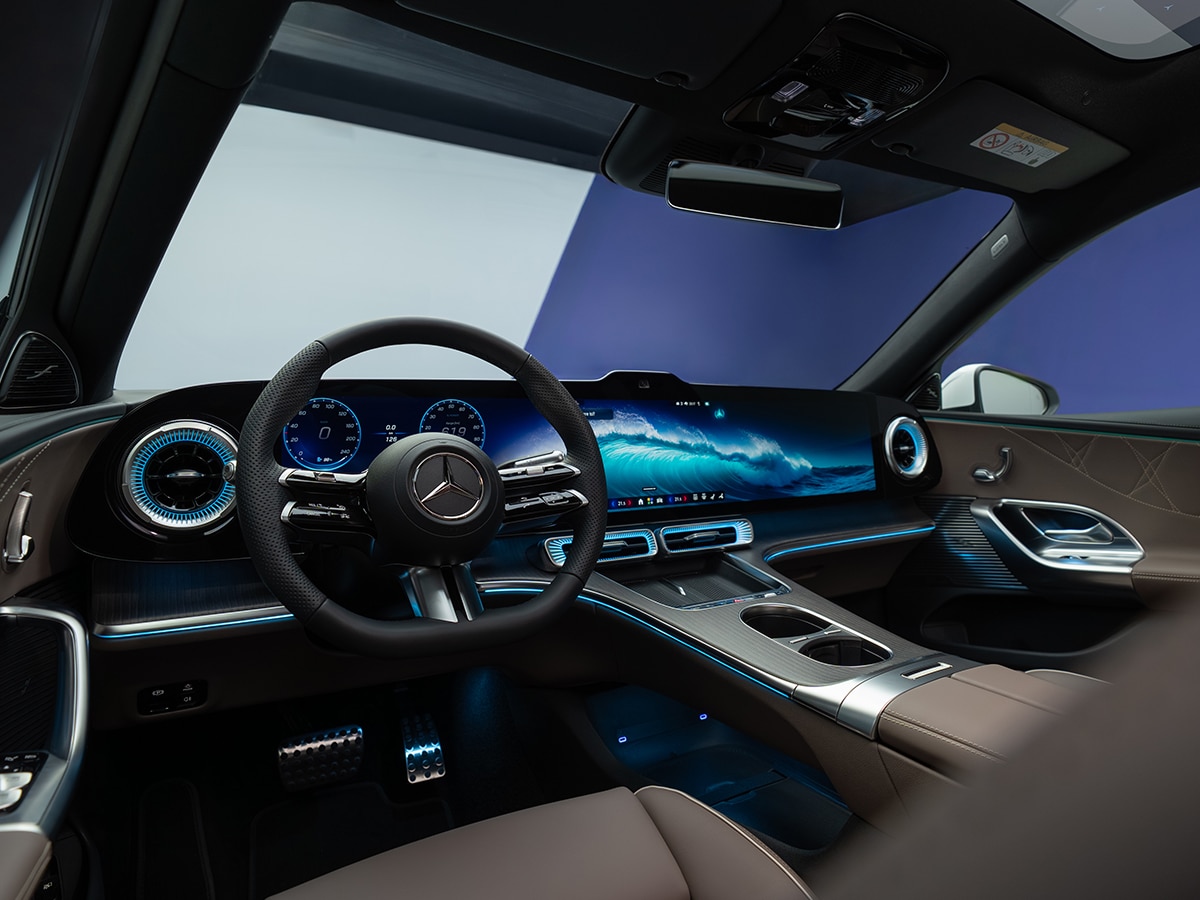
Look below that exorbitant digital real estate, and you’ll see that Mercedes has at least included what is now an absolute must-have for safe, everyday driving: actual, tactile switches.
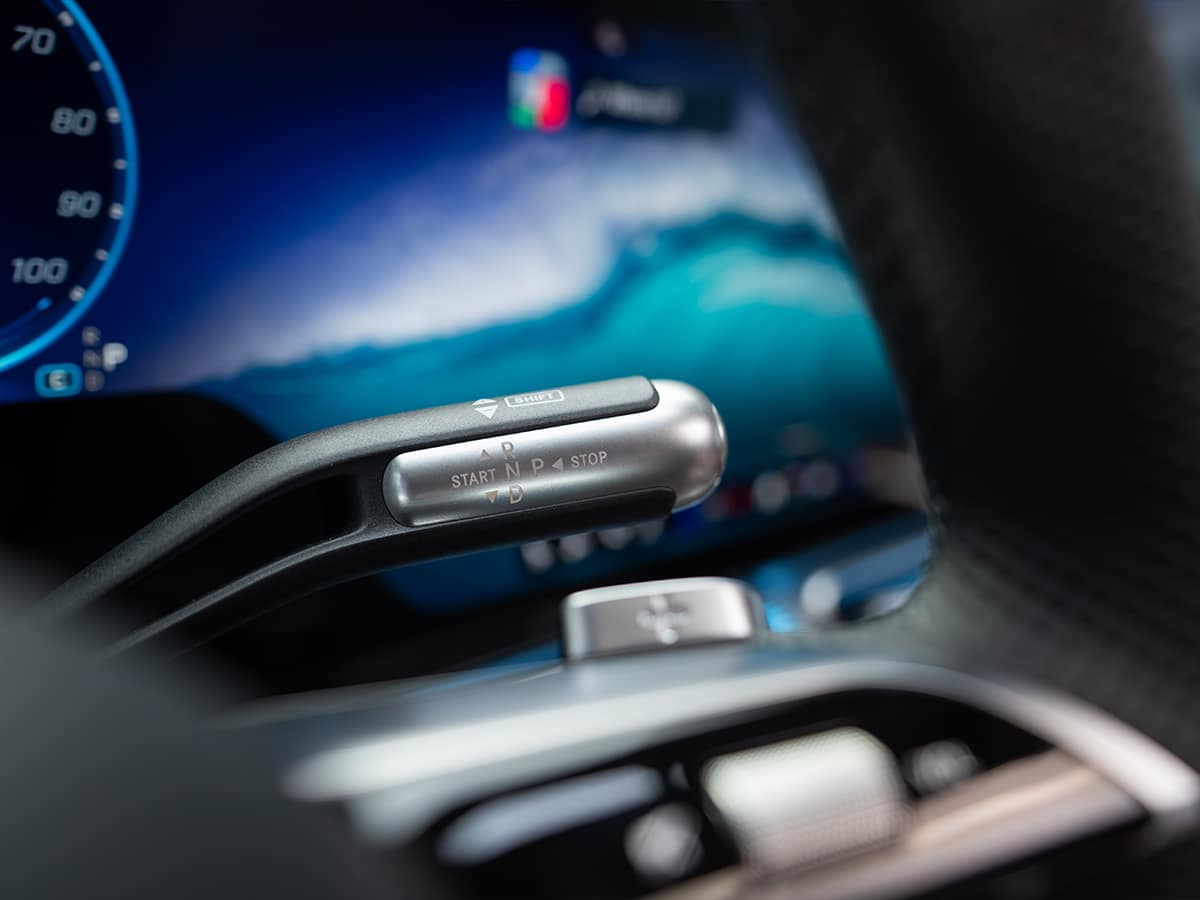
The brand has engineered a new control panel in the centre console that features physical buttons and a dedicated roller switch for volume control. We see the same on the new multifunction steering wheel, which thankfully ditches the infuriating haptic-touch pads of recent years in favour of a proper volume roller switch and physical rocker switches to control the speed limiter and DISTRONIC cruise control. Mercedes-Benz themselves note that this specific combination of digital functions and physical elements is a must for intuitive operation.
 1/8
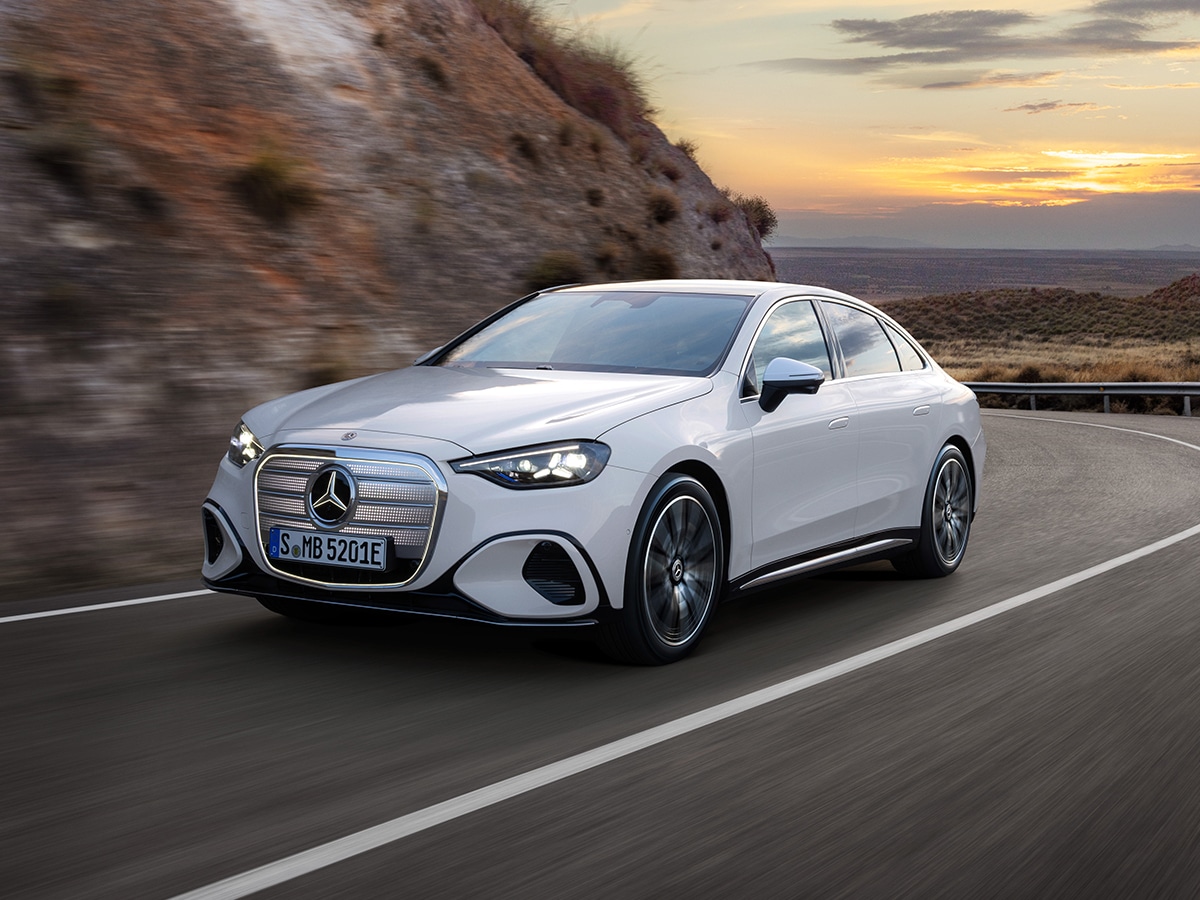
1/8To be fair to Mercedes, the engineering underneath the digital excess is genuinely impressive. The sporty top-of-the-range C 400 4MATIC electric delivers a hefty 360 kW, sprinting from zero to 100 km/h in just 4.1 seconds. It boasts a new lithium-ion battery with 94.5 kWh of usable energy, offering a benchmark-chasing WLTP range of up to 760 kilometres. Thanks to its 800-volt architecture, it can even add up to 320 kilometres of range in just 10 minutes.
The brand is also pitching this as the “sportiest C-Class ever,” and they’ve thrown heaps of driving tech at the chassis to back that up. It features a two-speed rear axle transmission to balance aggressive off-the-line acceleration with high-speed cruising efficiency like a Porsche Taycan, and this is paired with a braking system capable of 300 kW of recuperation. Optional 4.5-degree rear-axle steering shrinks the turning circle to just 11.2 metres, while an intelligent AIRMATIC air suspension uses Google Maps and live Car-to-X data to predictively adjust the damping for upcoming speed bumps. It’s a car genuinely engineered to be driven hard and enjoyed.
What’s the Next Frontier for Touchscreens?
So, if the screen wars have peaked and buttons are a mandatory lifeline, where does cabin design go from here? If my recent time in the US is any indicator, the next thing on the chopping block is the steering wheel itself.
Having spent time over in the U.S. letting a ghost-driven Waymo navigate LA streets and testing the limits of Tesla’s Full Self-Driving (FSD) tech here in Australia, it’s clear the endgame isn’t about how much we interact with the car, but how little we do. Remove the human from the driving equation, and the cabin turns into a lounge room. Once the car is entirely responsible for keeping you out of the median strip, the 39-inch screen becomes a home cinema, and that’s exactly where we’re heading if and when regulations catch up.
The new electric C-Class has hit the limit of what a human driver can safely manage on a screen while piloting a two-tonne vehicle, and it’s fair to say the era of the giant, buttonless slab is over for cars we actually drive. Next time interior design takes a leap this big, we’ll be arguing about why the car has a steering wheel at all.



















Comments
We love hearing from you. or to leave a comment.