

Updated:
Readtime: 10 min
Every product is carefully selected by our editors and experts. If you buy from a link, we may earn a commission. Learn more. For more information on how we test products, click here.
- Global conflict has triggered severe fuel shortages and price spikes in Australia.
- Panic buying caused many regional service stations to run dry quickly.
- Energy Minister Chris Bowen suggests working from home to save fuel.
- Rideshare apps like Uber and DiDi introduced new driver fuel surcharges.
- High freight costs are threatening to increase everyday supermarket grocery prices.
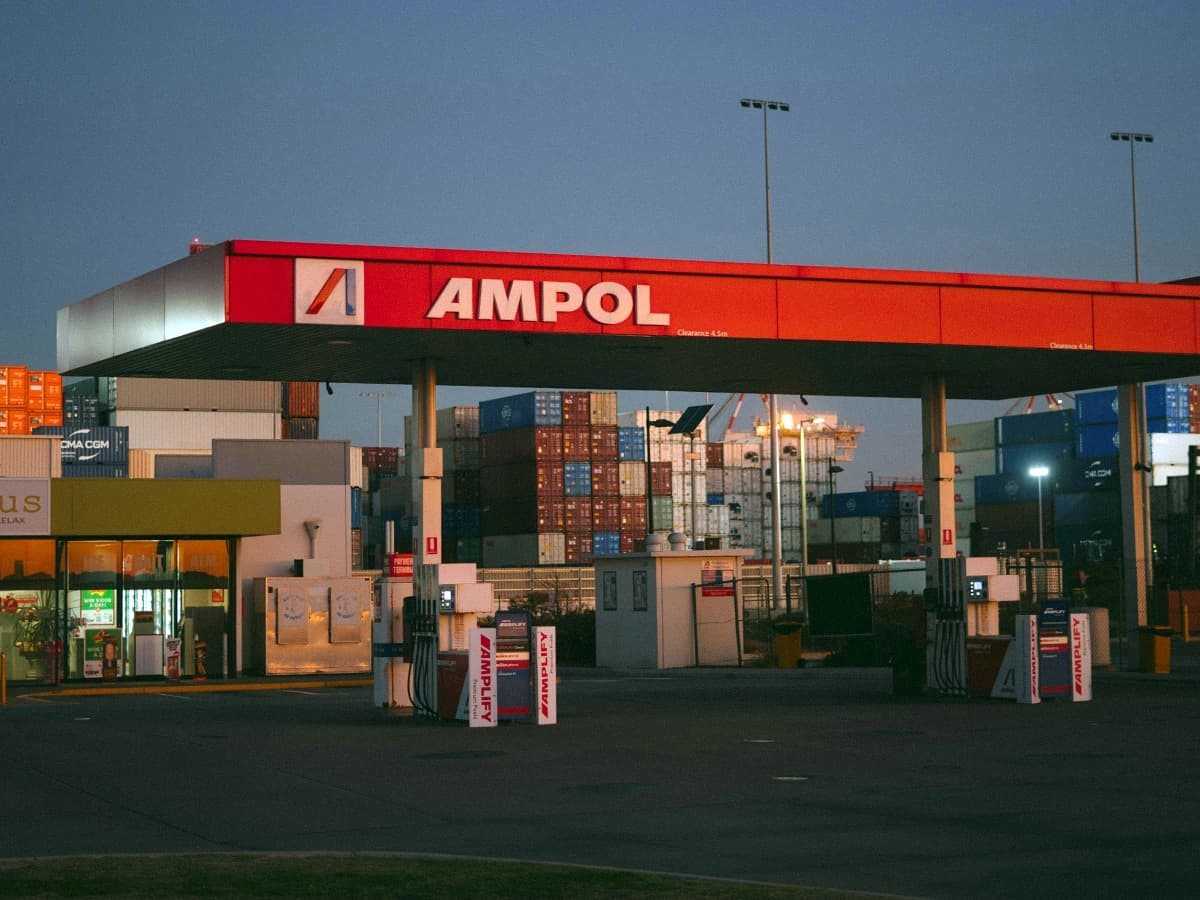
Panic buying, fuel shortages, and no light at the end of the tunnel for a war that sent shockwaves through the energy market. It’s what most would call a fuel crisis, unless you’re a politician being taxied around in a Commonwealth car. Domestic petrol and diesel prices have skyrocketed to unprecedented levels, transforming the simple act of filling up the car into a major financial burden. However, while the price per litre soars at the local bowser, the Federal Government insists that the dry pumps popping up across the country are largely a self-inflicted wound, with a flow-on effect.
Energy Minister Chris Bowen has sought to calm the public, declaring that only six of the 81 oil shipments bound for Australia since the conflict began earlier this month have actually been cancelled. Instead, the government is pointing to human behaviour as the real culprit, noting that severe shortages in regional and rural areas are being driven by intense panic-buying rather than actual supply chain failures. In some areas, desperate motorists and businesses have driven demand up by a staggering 400 per cent, draining local reserves faster than tankers can refill them. The situation recently reached a critical point in New South Wales, with Premier Chris Minns revealing to state parliament that out of the state’s roughly 2,500 service stations, 51 were completely out of fuel and 164 had run dry of diesel.
Like toilet paper in the pandemic, the fuel crisis has created a logistical nightmare. With the nation realising the volatile new reality, the fallout is extending beyond the rising cost of a full tank. It’s quietly creeping into almost every aspect of Australian life, altering how we work, eat, shop, and travel. With memories of the sudden resurrection of pandemic-era working arrangements to the surging cost of a simple Friday night takeaway, the squeeze is on. Here are five unexpected ways the fuel crisis is currently affecting everyday Australians.
| Detail | |
| Cancelled Shipments | 6 out of 81 inbound oil tankers |
| NSW Station Shortages | 51 out of fuel, 164 out of diesel |
| Regional Fuel Prices | Nearing $3.50 to $4.00 per litre |
| DiDi Surcharge | 5 cents per kilometre |
| Uber Pay Increase | 6% average driver earnings boost |

1. WFH Deemed “Sensible Choice” in Current Circumstances
It’s the excuse that many needed, and employers dreaded. Work from home is back, at least that’s the plan if Energy Minister Chris Bowen has it his way, telling the ABC that it’s a sensible choice in the current environment. With fuel prices on the way to $4 per litre in some parts of Australia, and public transport a rarity outside of the CBDs, it will become a reality for many businesses as employees reduce their expenses.
“I think that’s a sensible thing to do in any environment, really,” said Bowen to the ABC. “Work from home has become an important part of Australian working life.”
“There are other people for whom it’s not an option, and I think people would already be looking at their options to minimise their fuel use at the moment, Bowen continued. “For other people, that’s a lot harder. I don’t think a one-size-fits-all approach is necessary and that IEA report is a smorgasbord of options for all countries around the world to look at in terms of their own personal circumstances.”
However, NSW Premier Chris Minns questioned the theory that WFH would save fuel in his state. “When it comes to the NSW public service, our advice is that it wouldn’t make much of a difference in terms of demand, mainly because 85 per cent of our public servants work at the coalface,” he said. “They’re not working from home. It’s not possible. Most of our employees are nurses, paramedics, police officers and firefighters. “We just can’t issue that order.”
2. Gig Economy and Food Delivery Becomes a Luxury Service
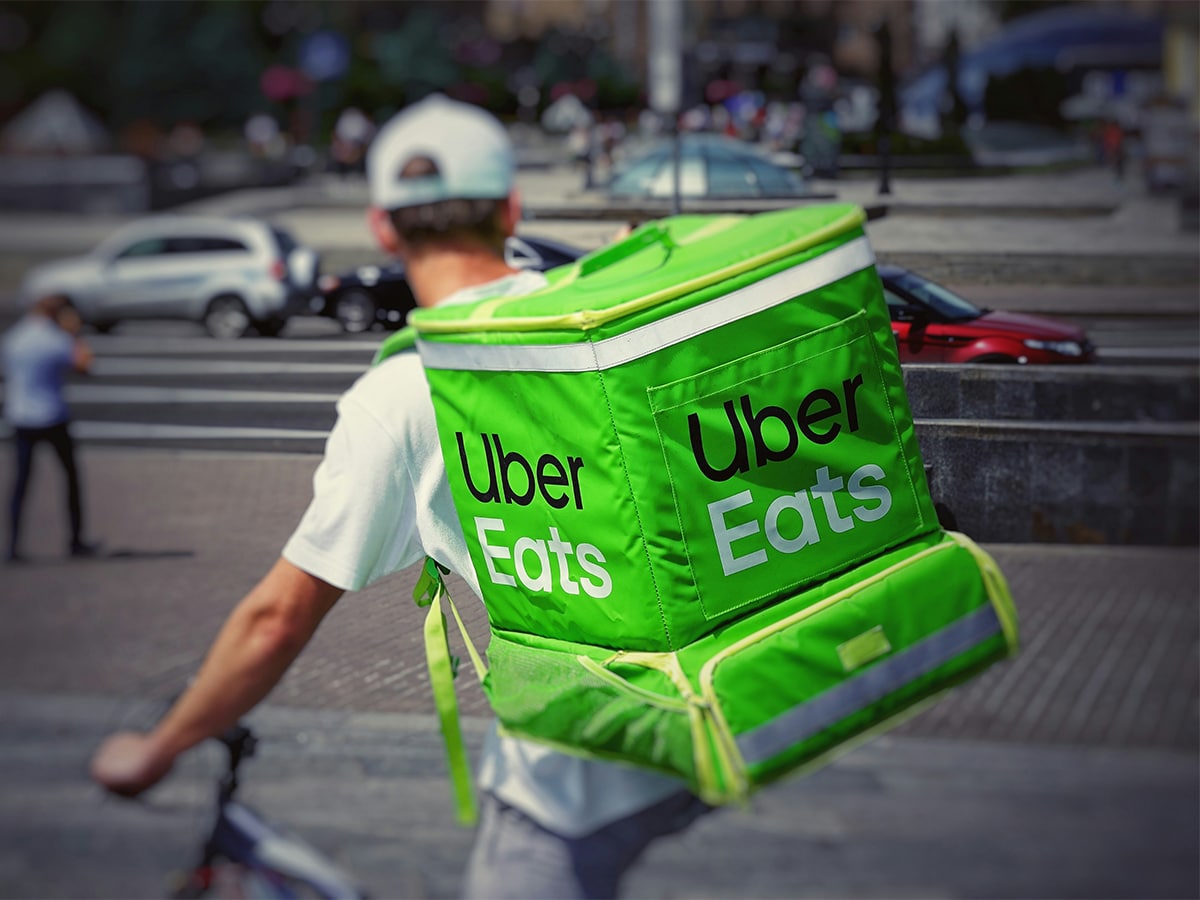
Rideshare apps Uber and DiDi have already increased ride prices in response to the fuel crisis. This will push up the cost of your cheeky Friday night takeaway, but assist drivers in the short term.
The cheaper of the two services, DiDi, has added a 5-cent-per-kilometre surcharge on rides to cover fuel costs. “To help offset these increasing operating costs, DiDi will increase the temporary fuel surcharge applied to every DiDi trip nationwide,” head of external affairs Dan Jordan said. It could extend this further, as it regularly reviews prices and fees. “This adjustment is designed to provide additional support to drivers while fuel prices remain elevated.”
Uber will increase its prices at the end of March 2026, and the surcharge will continue indefinitely. “We will be updating Uber fares, which will increase driver earnings by an average of six per cent across Australia,” said an Uber spokesperson to the AAP. “These changes build on work already underway and reflect our ongoing commitment to better supporting driver earnings over time.”
Finally, DoorDash will provide immediate relief with cash support from the last week of March through the end of April for Dashers who complete more than 100 km in a week. “Rising fuel prices have a real impact on all Aussies, particularly those who are making deliveries across our communities,” DoorDash vice president Simon Rossi told AAP. “We want to back Dashers and provide immediate relief at the pump during this fuel crunch.”
3. “Sticker Shock” on the Grocery Shelf
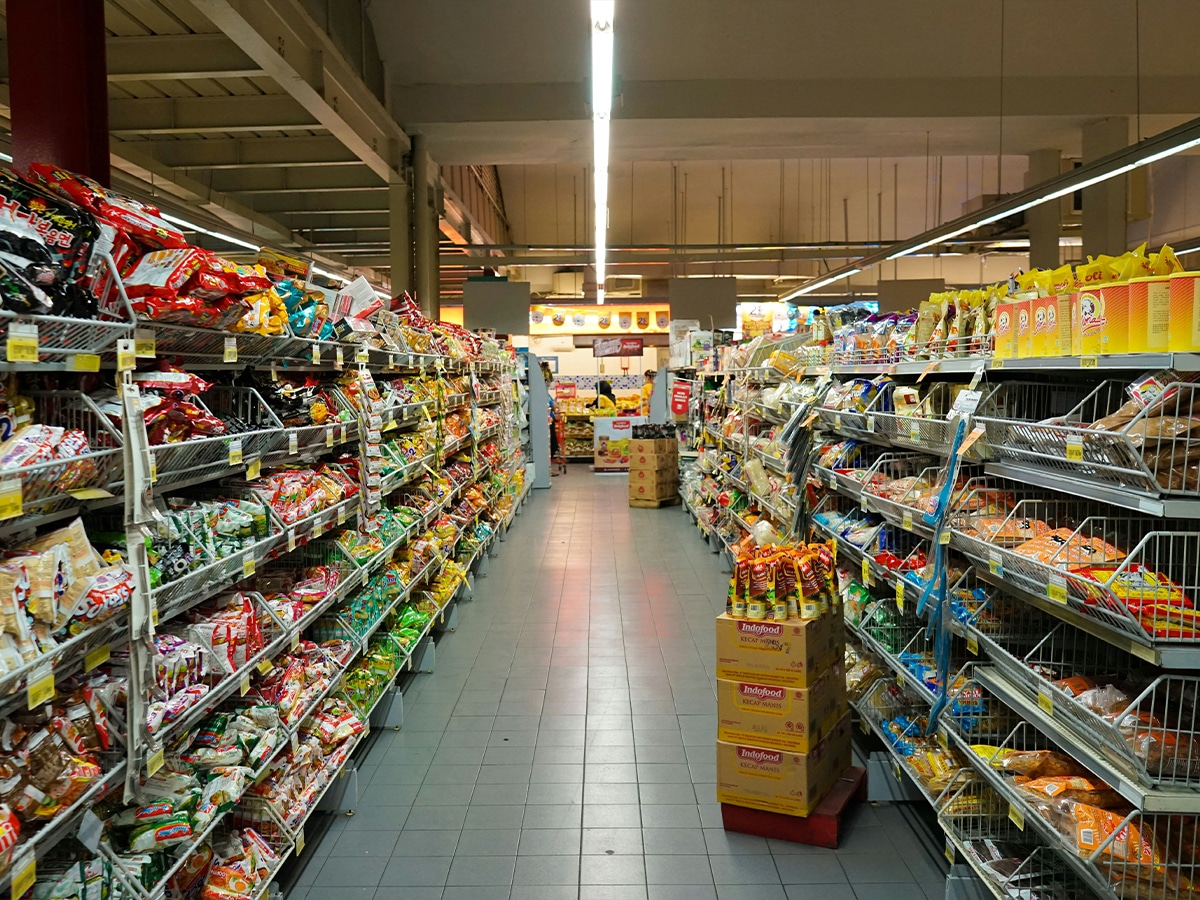
This isn’t the first or last time that we’ll feel the pinch in the grocery store, but the fact is that conflict in the Middle East has forced commercial shipping to take longer, safer, and vastly more expensive routes, driving up the baseline cost of all imported household goods. Local fuel prices will also cause a flow-on effect as farmers are struggling to find fuel in regional areas, an issue Primary Producers SA chair Simon Maddocks tackled head-on, telling The New Daily that it’s “outrageous,” and that South Australian farmers who produce grain, milk, grapes, citrus, stonefruit and meat cannot cover the costs forever.
“Farmers don’t have the wherewithal to wear that cost,” said Maddocks. “So these are going to have to get passed up the supply chain and, ultimately, it’s going to land on consumers. This is an important industry and one of South Australia’s core economic drivers, and they need a guarantee of supply right now. It’s pretty critical.”
There’s a lack of fuel at regional fuel stations, particularly, and while we can access fuel here on our doorsteps in the city, the reality is far different in the regions. “Regional stations have not been able to supply, and we’ve certainly had stories of farmers thinking they had an order placed and being told the order won’t be able to be fulfilled,” continued Maddocks.

4. Squeeze on Weekend Sports and Regional Tourism
With the cost of unleaded petrol nearing $3.50 per litre in some regional towns and the cost of diesel upwards of $4 per litre, the weekend road trip will take a backseat for now. The regions will take advantage of the increased tourism over the Easter weekend, but drivers will have to budget for a fuel price blowout.
The ACCC Chair, Gina Cass-Gottlieb, reiterated that the ACCC was closely monitoring behaviour in the fuel market during the current Middle Eastern conflict, with particular attention to the regions. “We reiterated that the ACCC stands ready to use its authorisation powers to assist with effective fuel distribution throughout the country. Today’s meeting was important for our engagement with industry to support the consideration of any authorisation application,” said Ms Cass-Gottlieb.
“We understand the concerns of farmers, businesses and consumers about petrol and diesel supplies in regional locations. In today’s meeting, we noted that independent suppliers with established relationships in regional areas are a crucial part of this market and need to be part of the solution to the supply issues, including by receiving adequate allocations from the major suppliers.”
“If we find there is conduct that is collusive, for example, any agreements to divide up or supply certain customers or set prices, or any other collusion in breach of competition laws, we will investigate it and take action,” continued Ms Cass-Gottlieb. “During this time and at all times, we encourage fuel companies to be accurate, open and honest about the reasons for price increases across the country and to treat their customers fairly.”

5. Suburban E-Bike Boom and Public Transport Crush
Despite privately owned electric scooters still being illegal to ride on public roads in several Australian states, both e-scooters and e-bikes are seeing massive sales spikes, as consumers look for ways to do school drop-offs and local errands without turning on the car.
Meanwhile, public transport has become the go-to for commuters. The Rail, Tram and Bus Union (RTBU) thinks a reduction in public transport fares or their temporary removal is the way forward. “We could reduce it to nothing for a period of time, or drop it to 50 cents, which has worked well in Queensland,” said RTBU NSW branch secretary Toby Warnes at a press conference in Sydney. “Get them out of their cars, give them cost-of-living relief, use the fuel where we need it.”
Not a fan of the idea, Transport Minister John Graham disagreed wholeheartedly. “Public transport is a good alternative if you are worried about fuel prices,” he said. With transport networks already heavily subsidised and straining under the sudden influx of commuters, a blanket fare reduction remains off the table for now.
More Ways a Fuel Crisis Could Affect Everyday Australians
Whether we’re talking about food, tourism, public transport, or the cost of living, the reality is that the fuel crisis is quietly rewriting the unwritten rules of our neighbourhoods and daily conveniences.
Beyond the researched issues we’ve detailed above, the effect will be felt deeply. Retailers are already axing “free returns” to combat astronomical last-mile delivery costs. Meanwhile, finding a plumber or sparky without getting hit by a hefty fuel surcharge is nearly impossible, shrinking our service economy to a hyper-local “tradie radius.” Even our streets are bearing the brunt, as local councils slash their diesel budgets, residents are noticing the “shaggy suburb” effect, with mowing of local parks and nature strips becoming less frequent.
Like we did during the pandemic, communities are being forced to adapt together, and we’ve even heard reports that the neighbourhood carpool could be making a triumphant return for the school run. Ultimately, the fuel crisis is unlikely to end until the war is over, and who knows when that will be.


























Comments
We love hearing from you. or to leave a comment.