

Updated:
Readtime: 15 min
Every product is carefully selected by our editors and experts. If you buy from a link, we may earn a commission. Learn more. For more information on how we test products, click here.
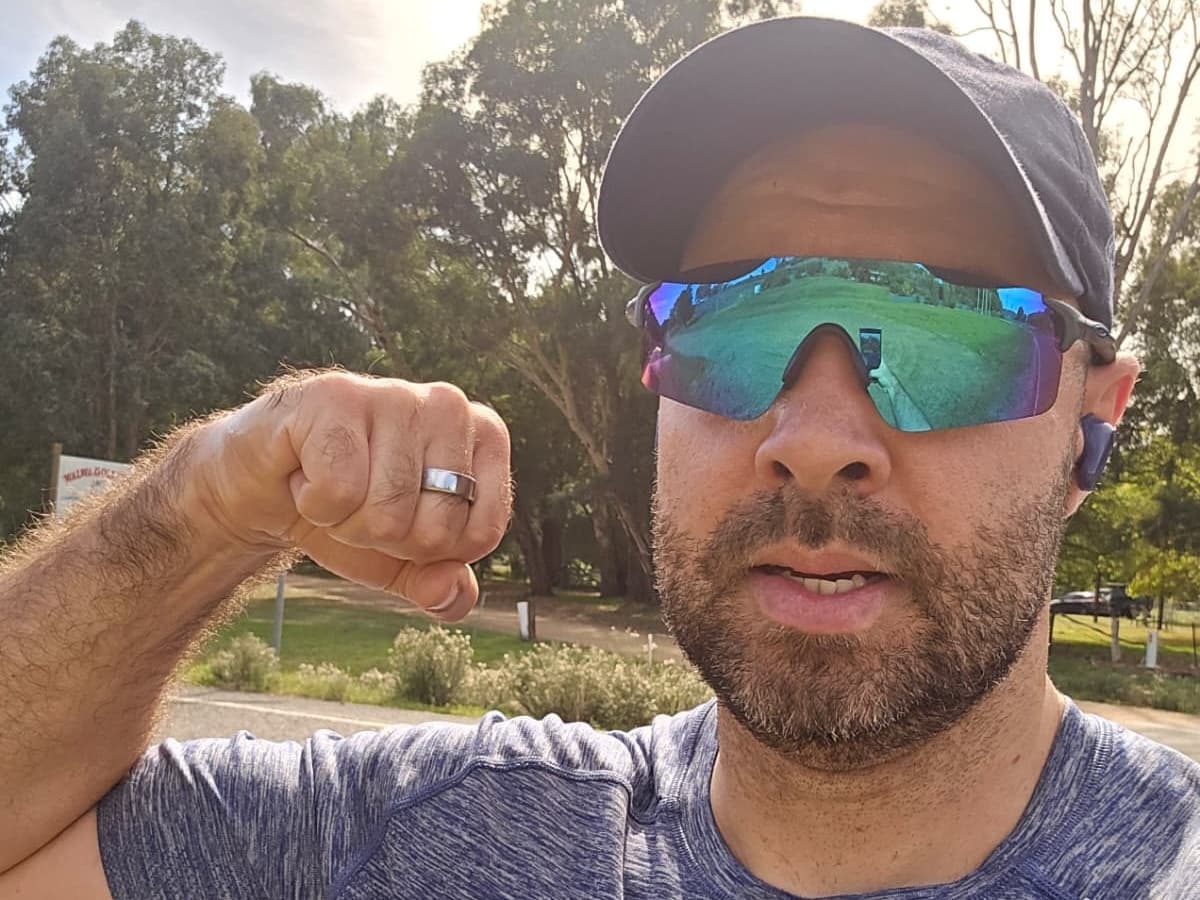
I wore the Oura Ring 4 in Stealth every day for six months. In that time, I dropped 10kg, cut my body fat from 25% to the high teens, and brought my cholesterol back inside the healthy range. The ring did none of that. I did the work. But the Oura Ring 4 kept me honest about whether I was actually doing it. If you are a man in your thirties or forties weighing up whether a smart ring is worth the money, this review covers real-world sleep tracking accuracy, readiness scores, body composition changes, and how the Oura Ring compares to the WHOOP and Eight Sleep Pod 4.
Oura Ring 4 Review: The TL;DR
- Six months of daily wear. Worn through two F45 challenges, editorial travel, 180-plus nights of sleep tracking, and every late deadline a media co-founder can invent.
- The numbers that moved. Weight down roughly 10kg from peak. Body fat percentage down from 25% to the high teens. Visceral Fat Level from 9 to 1. InBody Score up from 80 to 92. Total cholesterol down from 7.1 mmol/L at its worst to 5.8 mmol/L. LDL from 4.9 to 3.4.
- Best for: men in their thirties or forties who want a discreet wearable that nudges them toward better habits without screaming for attention. Especially if you already lift, run, or train and want a recovery and readiness layer on top.
- Not for: people who want their wearable to actively coach them through workouts, or anyone expecting a smartwatch experience. The Oura Ring is a quiet observer, not a personal trainer.
- Verdict: The most useful piece of health tech I have owned in a decade, but it works best as part of a stack, not as a standalone tool.
Why I Got an Oura Ring: The Health Wake-Up Call
I am 37, 5’11 (on a good day), and I spent most of my early thirties running on caffeine, late nights, and the assumption that “I’m fine”. Co-founding a media business will do that to you. By mid-2025, I was not fine.
In April 2023, a routine InBody 570 scan clocked me at 82.4kg with 17% body fat and an InBody Score of 87 out of 100. Visceral Fat Level of 1. Lean, strong, comfortably inside every healthy range. Then life happened. Work got loud, dinners got late, beer got easier, and the numbers drifted.
By mid-2025, another InBody session showed body fat around 25%, a Visceral Fat Level of 9, and an InBody Score of 80. Target weight sat about 9kg below where I was. Two years. Ten kilos the wrong way.
The blood tests told the same story in a different language. My GP had been nudging me about my cholesterol for two years. Total cholesterol of 7.1 mmol/L back in August 2023. LDL at 4.9. The clinical notes on my bloods literally read “hypercholesterolaemia; weight gain”, which is the medical version of your doctor saying “sort it out”.
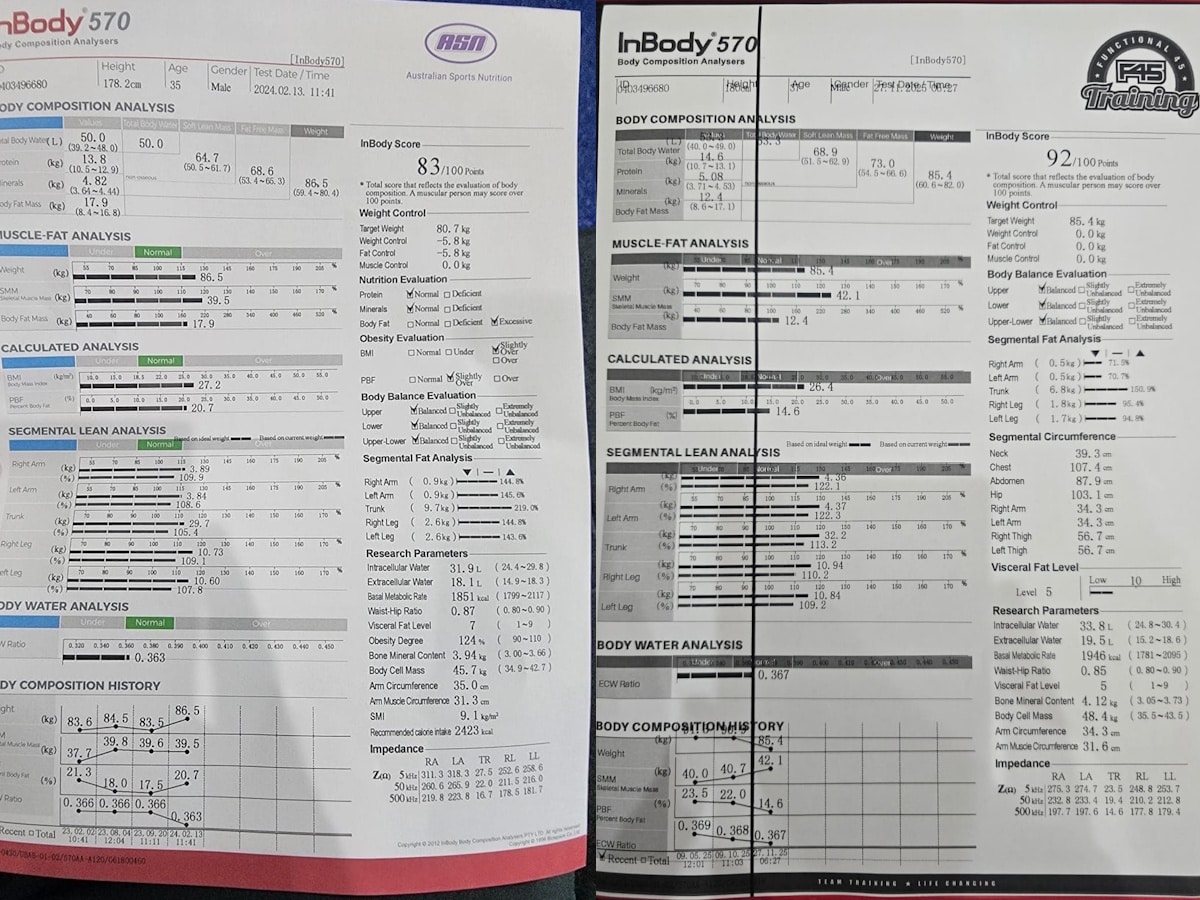
I had tried the usual things. More steps, the occasional gym streak, cutting the second beer. Nothing stuck. My weight kept inching up, the cholesterol number kept hovering, and the 2023 InBody printout sat on my desk like a passive-aggressive Post-it note.
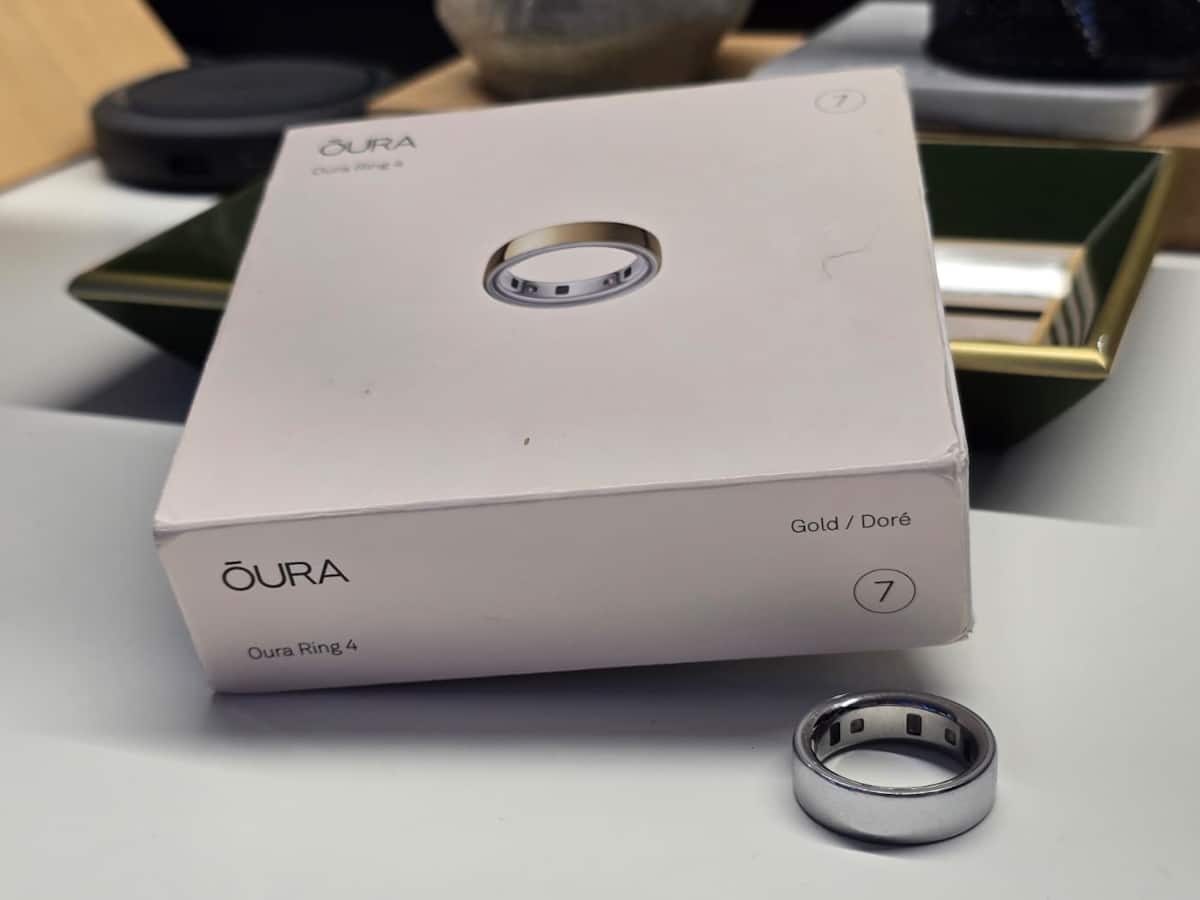
Around then, the Oura team reached out. They sent two rings, one for me and one for my partner, and offered an expert call whenever I was ready to write about them. I said yes, mostly because I wanted to see what all the fuss was about. I had no idea I was about to give it six months of the most rigorous data collection of my adult life.
My Oura Ring 4 Health Stack: F45, Macrofactor, Eight Sleep
Here is what nobody tells you about wearables. The ring on its own does not lose weight for you. What it does is create a feedback loop. Pair that loop with a couple of complementary tools and the loop becomes a system.
- Oura Ring 4 (Stealth finish) for daily readiness, HRV, body temperature, sleep stages, and step counts. The wearable I never take off.
- F45 Darlinghurst for the training. Eight-week challenges, 45-minute sessions, three to five times a week. See the best HIIT workouts for men and Sydney’s best HIIT gyms.
- Macrofactor for nutrition tracking. The only food tracker I have ever stuck with. Its expenditure algorithm adjusts your calorie target based on your actual weight trajectory. Background: macros for men and calories per day.
- Eight Sleep Pod 4 for sleep. Already under me every night, temperature regulation is life-changing. Read our full Pod 4 Ultra review.
The Oura Ring 4 slotted into this stack as the connective tissue. It tracked me when I was away from the bed, the gym, and the phone. That continuity mattered more than I expected.
Oura Ring 4 Body Composition Results: What the InBody Data Said
Over thirty InBody 570 scans across the last three years, I have a clearer picture of my own body than I have ever had. Here are the numbers that moved.
- Weight: Roughly 10kg dropped from peak, back inside striking distance of the 82kg target I sat at three years earlier.
- Body Fat Percentage: Peak of around 25%, now tracking back into the high teens. That is the biggest shift, because it means the weight loss has not been muscle.
- Visceral Fat Level: The one I care about most. InBody scores this one to ten, and anything over nine is flagged as a health risk. I was at 9 at my worst. Current scans put me back at 1.
- Skeletal Muscle Mass: Essentially unchanged. I have lost almost exclusively fat. That is the combination of F45, Macrofactor, and Oura’s readiness score that was quietly engineered in the background.
- InBody Score: From 80 at my lowest to 92 on my most recent scan. For context, 80 is “fair”, 90-plus is “excellent”.
And the blood test, taken in July 2025 before the F45 challenge had really started biting, already showed total cholesterol back inside the normal range at 5.8 mmol/L, with LDL at 3.4. HbA1c steady at 5.1%. Fasting glucose 4.6. By the time I next sit down with my GP, I expect every one of those numbers to have improved further.
The ring did not do any of that. I did the work. But the ring kept me honest about whether I was doing the work.
Oura Ring 4 Features That Actually Work
Readiness Score Changed How I Trained
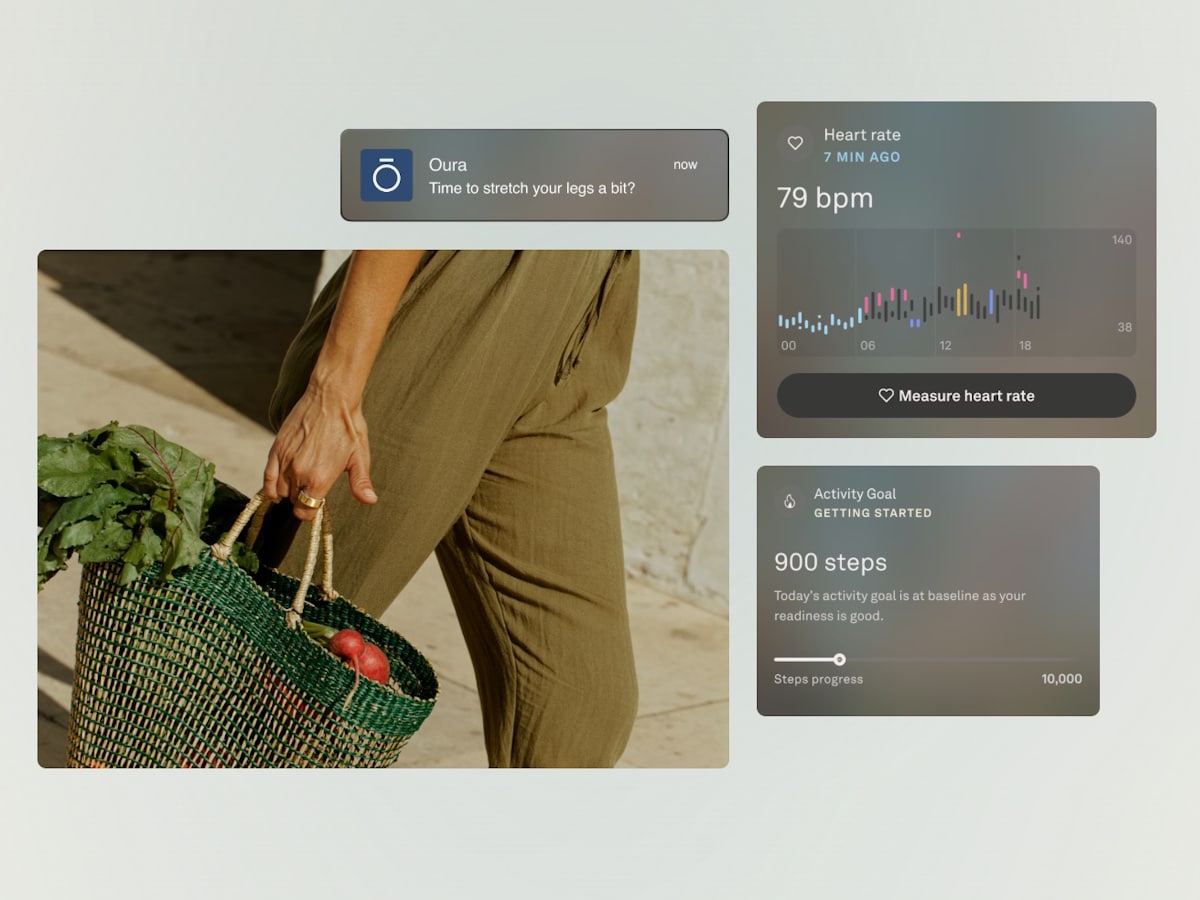
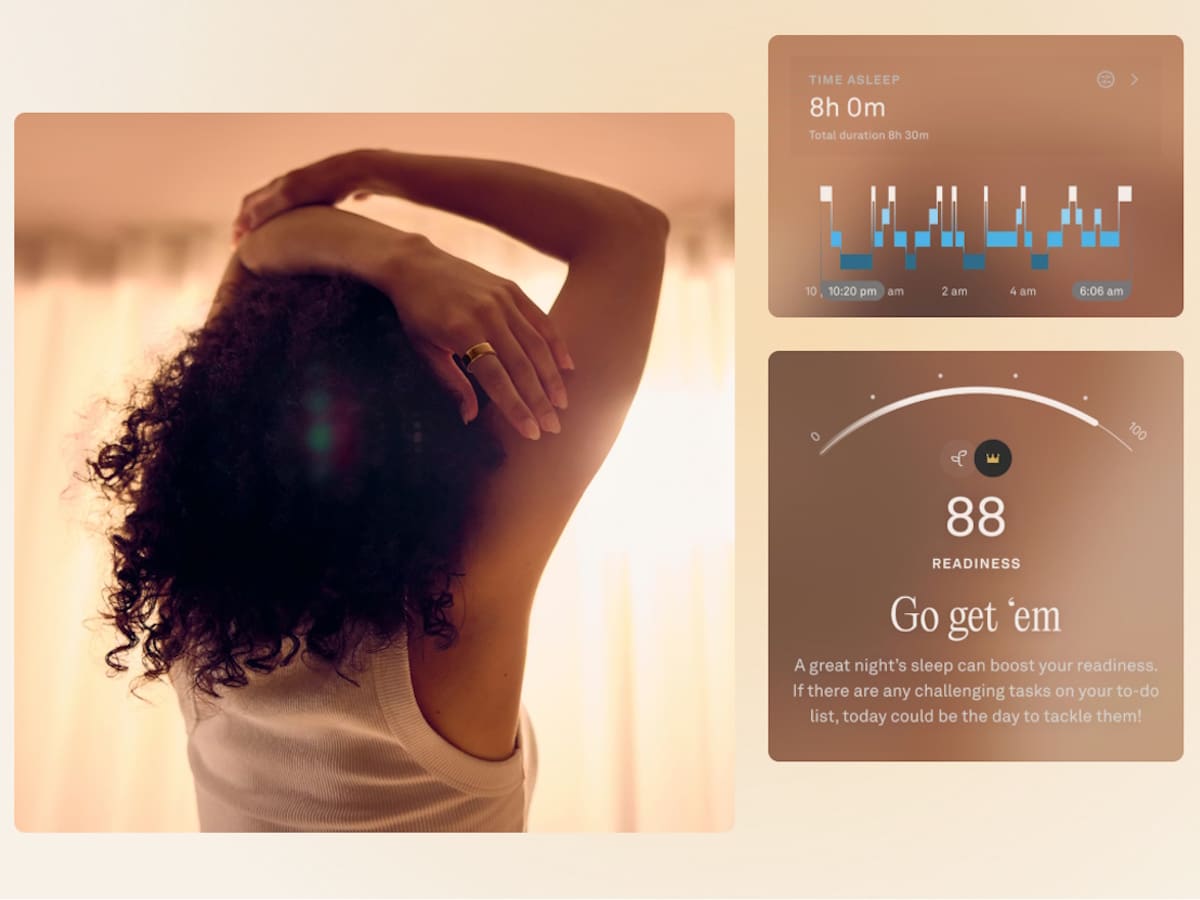
The Oura Ring 4 serves up a “readiness score” each morning, out of 100, based on overnight HRV, resting heart rate, body temperature, and the previous day’s activity load. I was sceptical at first. Then I started noticing the days I felt genuinely awful were the days the ring had already flagged as red.
Pretty quickly, I started treating a sub-70 readiness score as a sign to swap a high-intensity F45 session for a Recovery class or a long walk. The first month, I was pushing through every red day and wondering why my workouts were getting worse. Once I started listening to the ring, my session output improved measurably, and I stopped picking up niggling injuries.
Oura Ring Sleep Tracking Accuracy
Here is where I have to be honest about something. I do my serious sleep tracking on the Eight Sleep Pod, not the Oura Ring. The Pod is under me every night and gives me a deeper sleep stage breakdown.
What surprised me was how closely the Oura numbers matched the Pod. Total sleep time, time in deep, REM percentages, and even the wakeups in the middle of the night. The two devices agreed within tens of minutes most nights. I went in expecting the ring to be the inferior tracker. Six months in I would say it is the equal of a much more expensive piece of hardware for the metrics that matter.
The ring’s advantage is portability. It tracks the night I crash on a friend’s couch in Melbourne, the redeye flight back from a conference, the Saturday afternoon nap. The Pod cannot follow me around. The ring can.
Oura Ring Illness Detection
The feature I did not expect to rate is Illness Detection. The ring picks up an elevated resting heart rate, higher skin temperature, and depressed HRV all at once, and then raises a “your body is fighting something” message the morning before you start feeling sick. It has done this to me four or five times and been right every single time, usually 18 to 24 hours ahead of me noticing a head cold. For someone on caffeine and deadlines, that early warning to cancel the evening plans is genuinely valuable.
Oura Ring for Women: Temperature and Cycle Tracking
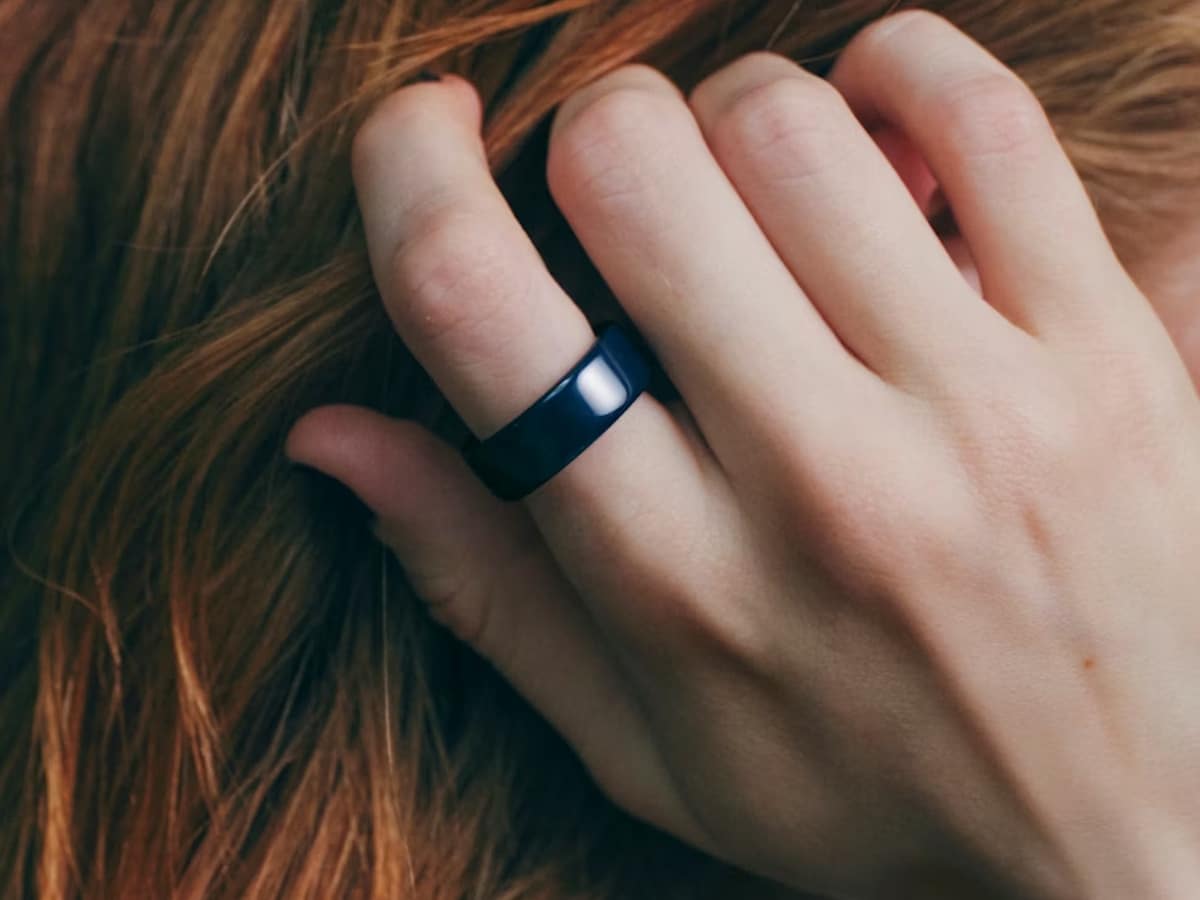
One of the most interesting things about reviewing the Oura Ring as a couple is how differently it serves men and women. My partner’s ring data tells a fundamentally different story to mine, and the difference comes down to one thing the Oura platform does extraordinarily well: continuous overnight body temperature tracking.
For women, that temperature data is not a nice-to-have. The Oura Ring uses overnight skin temperature deviations to infer cycle phase and flag period prediction, giving a much more accurate picture of where you are in the month than calendar apps. My partner has found the cycle prediction more accurate than any dedicated cycle app she had tried before, and vastly less effort than tracking basal body temperature manually.
For men, the temperature data is more subtle but still useful. A persistent uptick of half a degree over baseline is the ring’s way of telling you you are either fighting something off, have been drinking, or have been overtraining. It picks up a hangover with depressing accuracy.
The broader point is that Oura has built a wearable that takes female physiology seriously in a category that has historically defaulted to the male body. That alone makes it the thoughtful choice if you are buying one wearable for yourself and your partner.
Oura Ring 4 Limitations: What It Does Not Do
- It is not a workout tracker. The ring automatically picks up most workouts, but it does not replace a chest strap for accurate heart rate during high-intensity training. At F45, I still glance at my Lionheart belt.
- The subscription is annoying. Buying the ring outright and then paying roughly $9.50 a month to unlock most of the insights feels grating. I get the business model. I still do not love it.
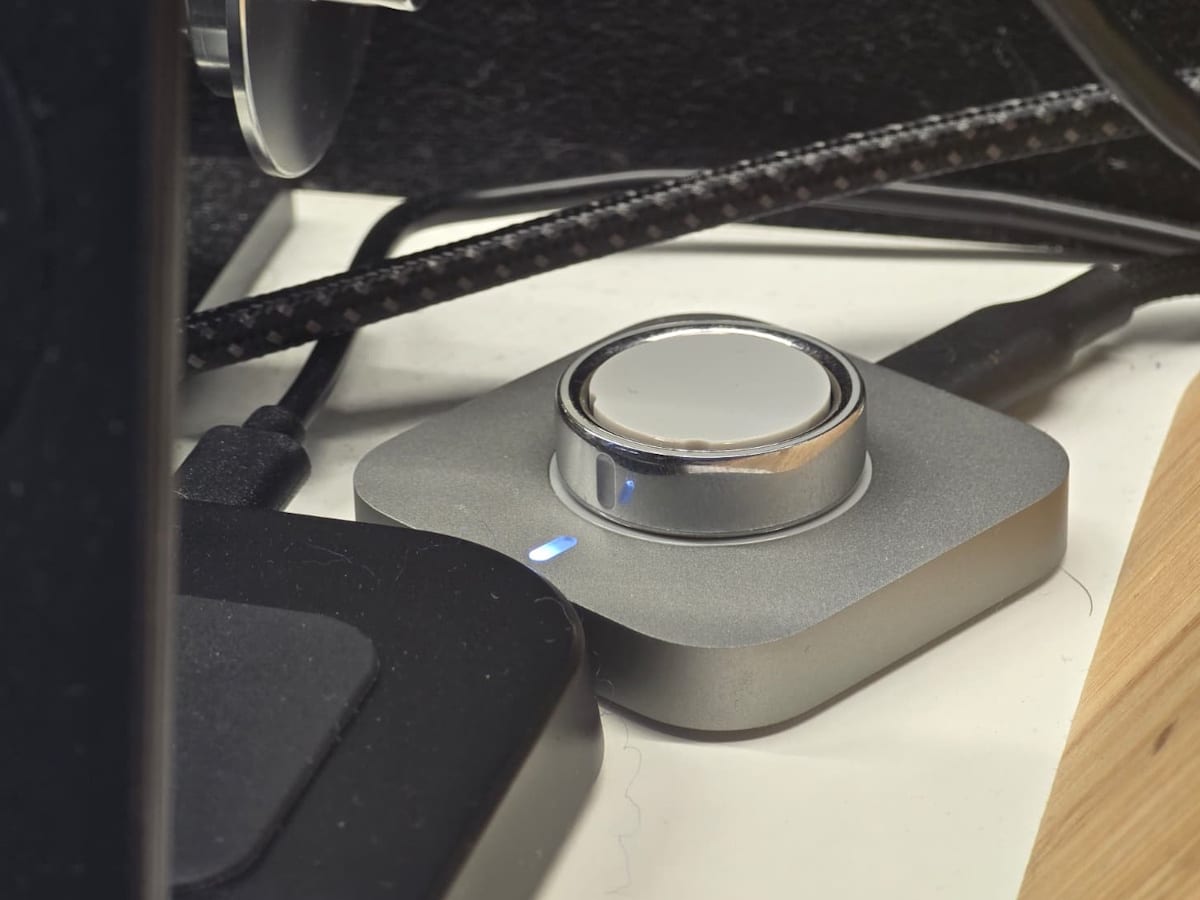
- It nags about charging. Battery life is genuinely good, but you do have to take it off to charge, which means you will occasionally miss data.
- It is a passive coach. The ring gives you data and gentle nudges. It does not yell at you to do twenty burpees.
- It scratches. Expect marks on the finish within months if you do any barbell work.
Oura Ring vs WHOOP vs Eight Sleep Compared
Eight Sleep Pod 4 Ultra: The best dedicated sleep device I have ever used. Temperature regulation is the killer feature. But it is locked to your bed and costs many times what an Oura Ring costs.
WHOOP: The strap is great if you want a recovery score and a community feel. It sits on your wrist, where most people already wear a watch. We covered why WHOOP has become the wearable of choice on the pro tennis tour. Read our full WHOOP MG review.
Oura Ring 4: The most discreet. It disappears on your finger after a week. It is the only one of the three I genuinely never take off, which means it gets the most complete data set. For a broader look at the category, see our Samsung Galaxy Ring review and our write-up on the Ultrahuman Ring PRO.
Who Should Buy the Oura Ring 4
- Men in their thirties or forties who want to take their health seriously without becoming a quantified-self obsessive.
- Couples who share an interest in devices, where the temperature tracking gives a useful signal to both parties.
- Anyone who already trains and wants a recovery and readiness score they can act on.
- People who hate wearing watches. See our best Garmin watches guide if you prefer a wrist wearable.
- Frequent travellers. The ring runs in the background across time zones.
Who Should Skip the Oura Ring
- People who want a screen, notifications, GPS, or live workout metrics on their wrist. Get a Garmin or an Apple Watch.
- Hardcore strength athletes. Expect visible wear on the finish within months.
- Anyone who hates subscriptions.
- People are looking for a quick fix. This is a year-long commitment, not an eight-week transformation tool.
Oura Ring 4 Tech Specs
| Model reviewed | Oura Ring 4 (Stealth finish) |
| Case material | Titanium |
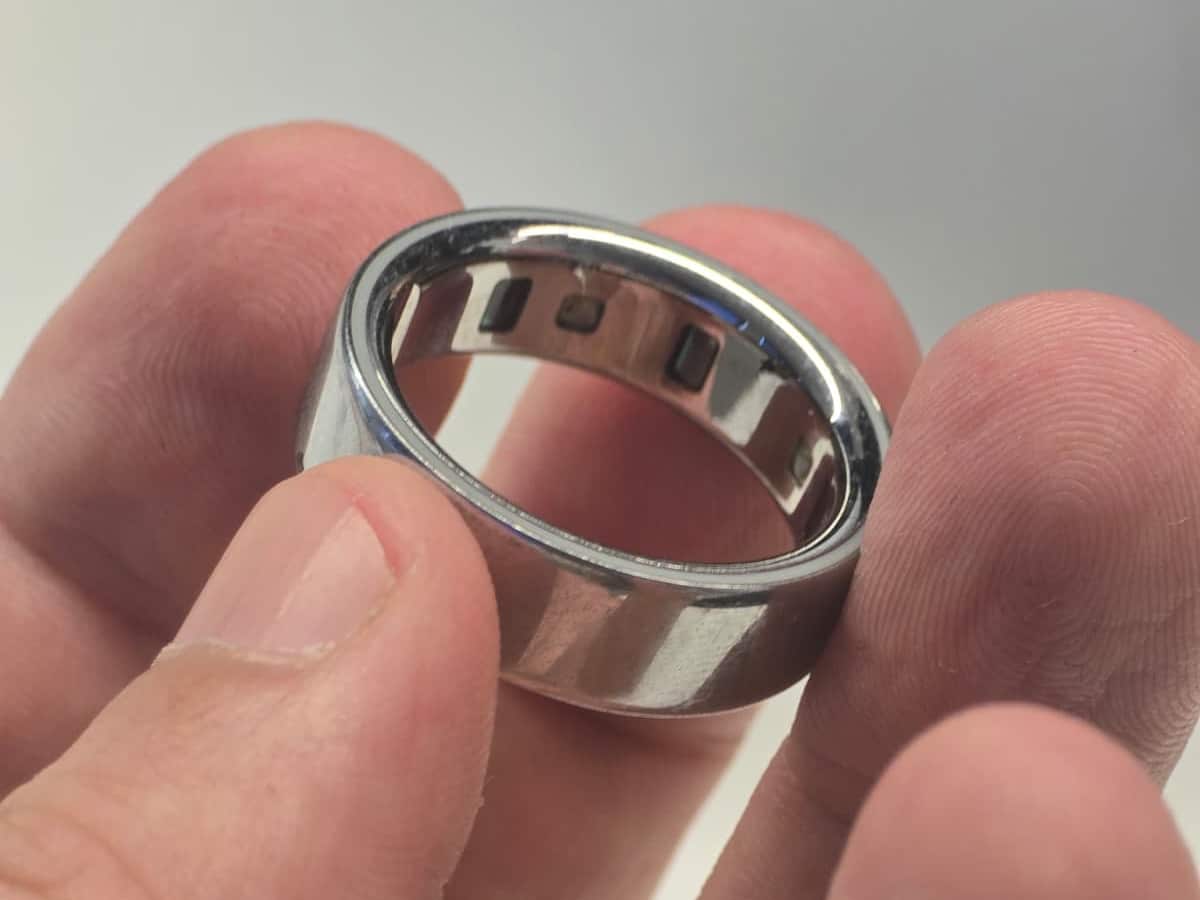
| Finishes available | Silver, Stealth, Black, Brushed Silver, Gold, Rose Gold |
| Sensors | Infrared PPG (heart rate and SpO2), NTC body temperature, 3D accelerometer |
| Battery life | Up to 8 days (real-world closer to 4 to 6) |
| Charging | Wireless dock, full charge in 20 to 80 minutes |
| Water resistance | 100 metres |
| Size range | US 4 to 15 (free sizing kit before order) |
| Connectivity | Bluetooth 5.0, iOS and Android |
| Subscription | Oura Membership at approximately $9.50 AUD per month |
| Price in Australia | $599 to $850 AUD depending on finish |
Oura Ring 4: The Six-Month Verdict
Six months ago, I was 10kg heavier, my GP was politely concerned, my cholesterol was in the high-risk zone, and my InBody Score was the worst I had seen in years. Today I am down 10kg, back inside healthy ranges, Visceral Fat Level back at 1, InBody Score pushing into the nineties, training harder than I have in five years, and sleeping better than I did in my twenties.
The Oura Ring 4 didn’t do any of that. I did the work. But the ring kept me honest about whether I was doing the work, and that honest mirror was the missing ingredient in every previous half-hearted attempt to sort out my health.
If you are a man in your thirties or forties who has been quietly worrying about your numbers but has not worked out where to start, the Oura Ring 4 is one of the lowest-friction places I can think of to begin. Pair it with a real training routine, an honest food tracker, and decent sleep, and you have a system that compounds.
You will not regret the ring. You might regret the subscription. You will absolutely regret not starting sooner.
For more, read our guide to 8 pieces of tech for peak health, our Eight Sleep Pod 4 Ultra review, the best HIIT workouts for men, the best weight loss exercises, and our 9 essential pieces of fitness kit.
Transparency note: Oura provided two rings (one for me, one for my partner) for this review. I was not paid to write this piece, and Oura had no editorial input. The Eight Sleep Pod 4 referenced throughout this article was also provided for review and is not a commercial partner of Man of Many. All numbers, photos and opinions are my own.
Oura Ring 4 FAQs
For men in their thirties or forties who already train and want better recovery data, yes. The readiness score, HRV trend, and illness detection are genuinely useful every day. If you are in your twenties and already fit, a cheaper fitness tracker will do most of the job.
In my side-by-side comparison with an Eight Sleep Pod 4 over six months, the Oura Ring matched the Pod’s total sleep time, wakeups, and stage breakdown within tens of minutes on most nights. Not medical-grade, but accurate enough for reliable trend data.
Practically, yes. Without it, you see your sleep, activity, and readiness scores as single numbers, but the detailed breakdowns, trend graphs, and insights are paywalled. If the subscription is a deal-breaker, consider a WHOOP strap or a Garmin as a one-off purchase.
The Oura Ring automatically detects workouts but does not provide set-by-set tracking or live heart rate. For heavy lifting, pair it with a chest strap or dedicated app and let the ring handle recovery.
Yes. The Oura Ring 4 has 100 metres of water resistance, so showering, swimming, and sauna use are all fine. I still take it off on heavy-saltwater days.
Oura claims up to eight days. My real-world experience is closer to four to six days, depending on SpO2 tracking and workout detection. Charging takes less than an hour from a cold start.
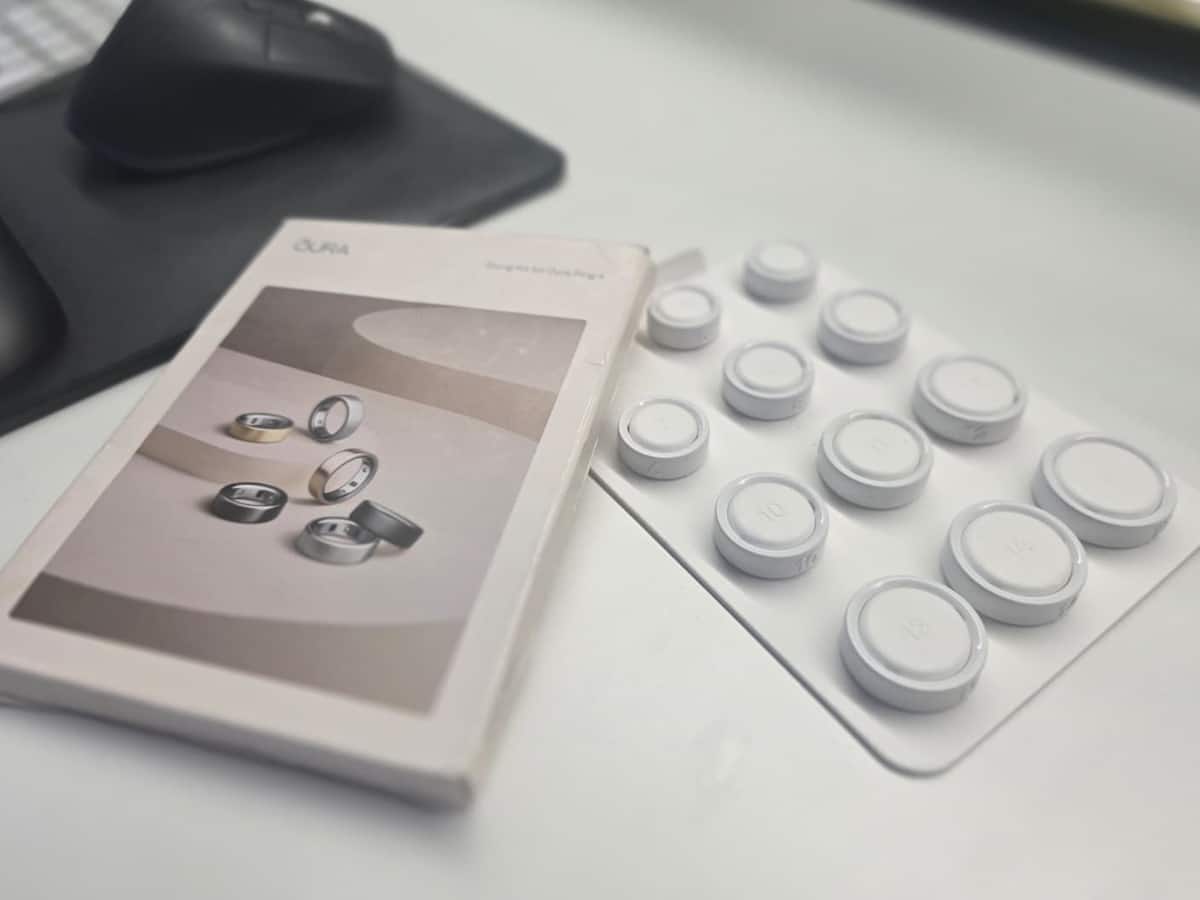
Do not guess. Oura ships a free sizing kit before you order. Wear the sizing ring for at least twenty-four hours, including overnight, because your fingers change size throughout the day. Err toward the snugger size, because the sensor needs good skin contact.





















Comments
We love hearing from you. or to leave a comment.