

Updated:
Readtime: 5 min
Every product is carefully selected by our editors and experts. If you buy from a link, we may earn a commission. Learn more. For more information on how we test products, click here.
- Aylo is restoring Pornhub access for eligible adult iOS users in the UK
- The move follows Apple’s rollout of device-based age verification through iOS 26.4
- Australia introduced new age-restricted material rules on 9 March 2026
- The big question is whether device-level age checks could solve the privacy problem here
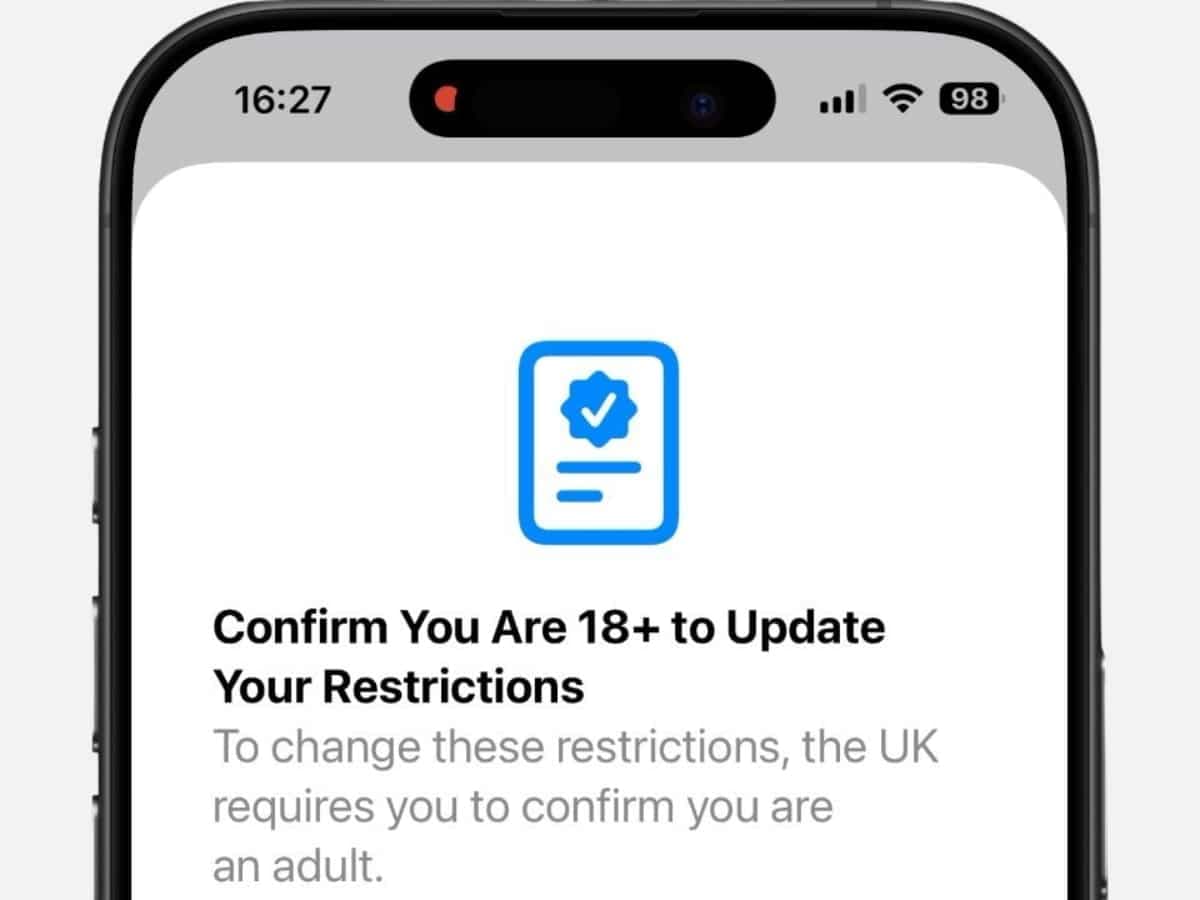
Pornhub’s UK comeback is not really about adult content. At least, not entirely. Aylo, the parent company behind Pornhub, YouPorn and Redtube, has started restoring access for eligible adult iOS users in the UK after Apple introduced device-based age verification through iOS 26.4.
Using just their iPhone or iPad, some UK users can now confirm they are adults rather than handing over age-check information directly to an adult website.
It’s a technical workaround Australians should be paying attention to.

- Related: Australia’s National Digital ID: What is It? Who’s Eligible? How Does It Impact Your Privacy?
Why Adult Websites Started Blocking Australians
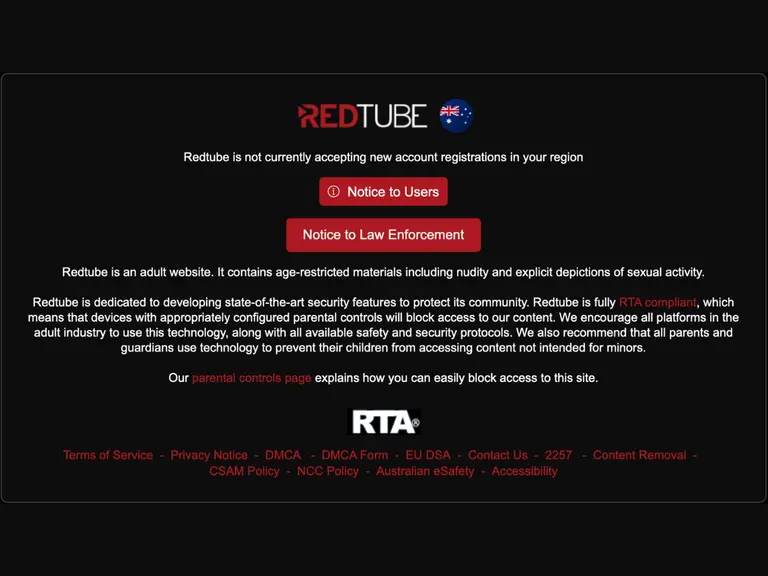
Since 9 March 2026, Australia’s new age-restricted material codes have required services that host or provide access to explicit adult material to introduce more meaningful age checks.
The old “I am over 18” button is no longer enough. Adult websites, app stores, search engines, social media platforms, AI services and some device providers are all caught up in the broader online safety push.
Because once you move beyond the obvious point that children should not be stumbling into hardcore porn online, things get much messier.
Who checks your age? Where does that information go? Does every site get its own system? And how many adults are realistically going to trust a random adult website, third-party vendor or offshore platform with sensitive personal information alongside deeply personal viewing habits?
What Aylo is Doing in the UK
Aylo restricted Pornhub and its other user-uploaded adult platforms in the UK earlier this year, arguing that the country’s Online Safety Act had failed to deliver meaningful child protection while pushing users toward less regulated websites.
You only have to see the headlines about kids using their parents’ IDs or drawing on fake moustaches to see how quickly these verification systems fall apart when pressured. As the biggest operator in this space, the company argues that the requirements are not appropriately applied across the industry.
If large, regulated adult sites introduce strict age checks, but thousands of smaller or less-moderated sites do not, users simply move elsewhere. Some use VPNs. Others find sites with weaker safeguards. Either way, Aylo argues the result is worse for children, worse for privacy and worse for the adult users trying to access legal content.
There’s no doubt Aylo has an interest in giving people easier access to its sites, but that doesn’t mean the argument lacks substance.
The age-verification problem has always been a balancing act. Nobody wants children accessing adult content. Nobody wants to upload a driver’s licence to a porn site either.
The Australian Problem
Australia is dealing with the issue of age verification on several fronts, not just adult content. The new rules are designed to stop children from accessing all kinds of age-inappropriate material online. And while it’s an easy goal to support, the harder part is building a system that protects children without locking adults out of using the internet properly.
That’s why device-based age verification is so appealing. Instead of every adult website checking your age separately, the phone, tablet or computer becomes the trusted middleman. The user confirms their age once, then the site receives a signal that the person is old enough without collecting personal information directly.
At least, that’s the promise.
Could It Work Here?
In theory, yes. Australia’s rules already pull device makers and operating software providers into the age-safety conversation. If Apple can provide a device-level age signal in the UK, it’s more than reasonable to ask whether a similar system could be used locally. But there are some limits.
An Apple-only solution obviously doesn’t include Android users or any third-party devices. Desktop users, shared household devices, older hardware and even macOS are all left out. And while Apple has plenty of privacy systems in place across its ecosystem, the same responsibility may be out of reach for other platforms, raising even more questions about control, access and accountability.
It’s not a perfect solution, but we know who we’d prefer to verify our age online. And it’s not the website with XXX in the title.
What Happens Next
What Aylo is doing in the UK doesn’t mean the whole world will suddenly regain access to Pornhub. But it does show why Australia should be watching closely.
Australia’s age-verification debate was never going to stop at adult sites. It now touches app stores, search engines, AI chatbots, social platforms and the devices people use to access them.
Pornhub’s UK return shows one possible path through the mess: keep kids away from adult content, without asking adults to scatter proof-of-age across the internet. That might be the version Australians are most likely to accept.























Comments
We love hearing from you. or to leave a comment.