

Updated:
Readtime: 9 min
The Lowdown:
R-Rated video game adaptations have never been more popular. Does this mean Hollywood finally understands gaming? I sure hope so.
Every product is carefully selected by our editors and experts. If you buy from a link, we may earn a commission. Learn more. For more information on how we test products, click here.
I often joke that I’ve been a gamer from birth. Some of my earliest memories are of playing Crash Bandicoot and Spyro. When I look back on my teenage years, countless hours were spent playing Halo, Mass Effect and many more games. For years now, I’ve had the same thought sitting in the back of my mind: how has film and TV not caught up to this yet?
The stories were always there. The scale, the emotion, the world-building. Games have been operating on the same level as blockbuster cinema (and often surpassing it) for a long time now. And yet, video game adaptations have never quite been able to reflect their greatness. Until now that is.
That’s why the current wave of R-Rated (MA 15+ in Australia) video game adaptations feels so significant. Not just because they’re bigger or more successful, but because they signal a real shift in how Hollywood views the medium. These projects aren’t being watered down or reshaped into something more “palatable” anymore. They’re darker, weirder, more uncompromising and all the better for it.
It feels like proof of something I’ve believed for years: gaming was never just a “hobby for children.” It’s a legitimate artform, one capable of telling stories just as impactful, complex, and visually striking as anything on the big or small screen. And now, finally, Hollywood is starting to treat them that way.
Why is Hollywood Finally Making R-Rated Video Game Movies?
For a long time, there was this unspoken rule that video game adaptations had to be softened for wider audiences. Violence toned down, themes simplified, edges sanded off and anything too strange or stylistically bold was swapped out for something safer.
The result? Adaptations that felt like hollow imitations rather than meaningful translations. The problem with this is that some of the most iconic games were never designed for the masses in the first place. As someone who has always deeply appreciated the artist depth that games possess, this has infuriated me to no end.
However, the past few years have turned this preconceived notion on its head, promising a bright future for videogame adaptations and legitimising the medium as an art form. After all, when you’ve got a high-profile actor like Brie Larson stating throughout her press tour for the Super Mario Bros. Galaxy movie that Hollywood needs to take gaming more seriously, you know there’s some real legs to it.
“There’s so much that video games are taking from cinema, and I think it’s really time for us in cinema to recognize what we can take from video games,” shared Larson while speaking on Fandango’s Seen on the Screen podcast.
That’s why the rise of more mature R-Rated video game adaptations feels less like a trend and more like a correction. Studios are finally recognising that audiences don’t need these stories diluted to engage with them. If anything, it’s the opposite. Viewers are far more willing to lean into darker, more complex narratives than Hollywood ever gave them credit for.
A Shift Towards Mature Storytelling
Most recently, Sony announced at CinemaCon that they will develop an animated, R-rated Bloodborne movie. We’ve also got A24 currently working on a live-action Elden Ring film, and Hunger Games director Francis Lawrence working on a Bioshock film with Netflix.
While Hollywood has previously shied away from more R-Rated video game adaptations in favour of child-centred content, there has been a dramatic shift in recent years. To say I’m pleased about this is an understatement. Not just because it’s showing that Hollywood is beginning to take gaming seriously, but also because it’s paving the way for some of the best narratives in gaming to finally get the recognition and global attention they deserve.
The reason for this? It’s twofold. Directors and streaming services are finally understanding the worldwide appeal of the gaming community and, more importantly, taking the time to do these adaptations the justice they deserve.
You can’t take something like Bloodborne and strip it back to a safe, crowd-pleasing format without losing the very thing that makes it compelling. The dread, the grotesque imagery, the sense of isolation and angst of something horrifying appearing at every turn. That’s the whole point, why bother adapting it without all the things that make it special. The same goes for The Last of Us, where the brutality isn’t there for shock value, but to reinforce just how fragile and desperate its world really is.
How Streaming Saved the Video Game Movie
I’m still unsure how I feel about streaming. As someone who grew up constantly at the cinema (even working at one for more than five years) the experience of grabbing your popcorn and watching a movie on the big screen is still very dear to my heart.
However, I’ve got to give streaming platforms credit where credits due. Without the constraints of traditional box office expectations, platforms are far more open to letting creators take risks. Whether that means pushing violence further, exploring heavier themes, or simply embracing the weirdness that defines so many games. As a result, these adaptations don’t feel like compromised versions of their source material anymore. Rather, they feel like natural extensions of them.
Because at the end of the day, maturity in this context isn’t just about gore or shock value. It’s about trust. Trust that audiences can handle stories that are messy, unsettling, and, at times, outright brutal. And right now, that trust is paying off.
TV Adaptations Prove Games Are Being Taken Seriously
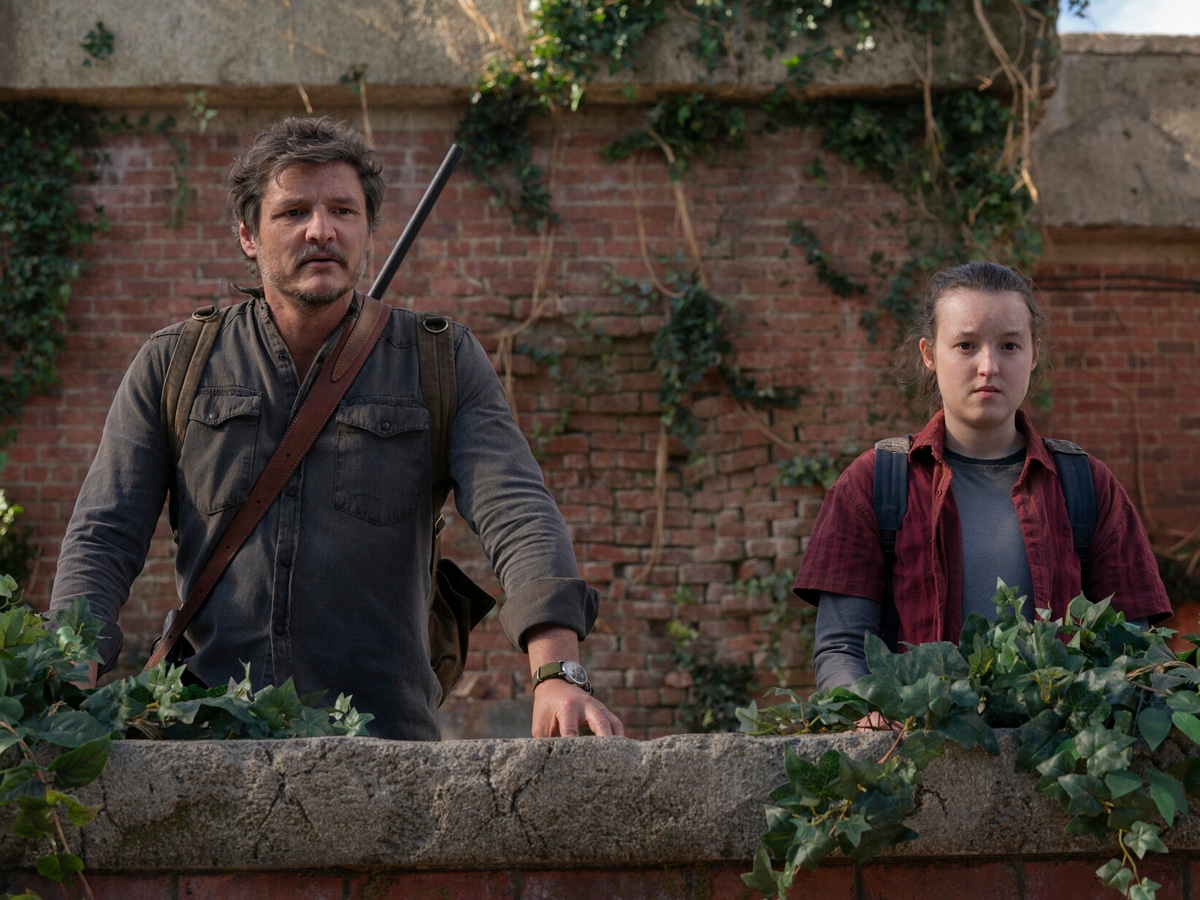
Take HBO’s adaptation of The Last of Us as an example. Known for adapting the likes of Game of Thrones, having a network as acclaimed and lucrative as HBO taking an interest in video game adaptations is not only a new concept, it also signifies a massive turning point in the pop culture world.
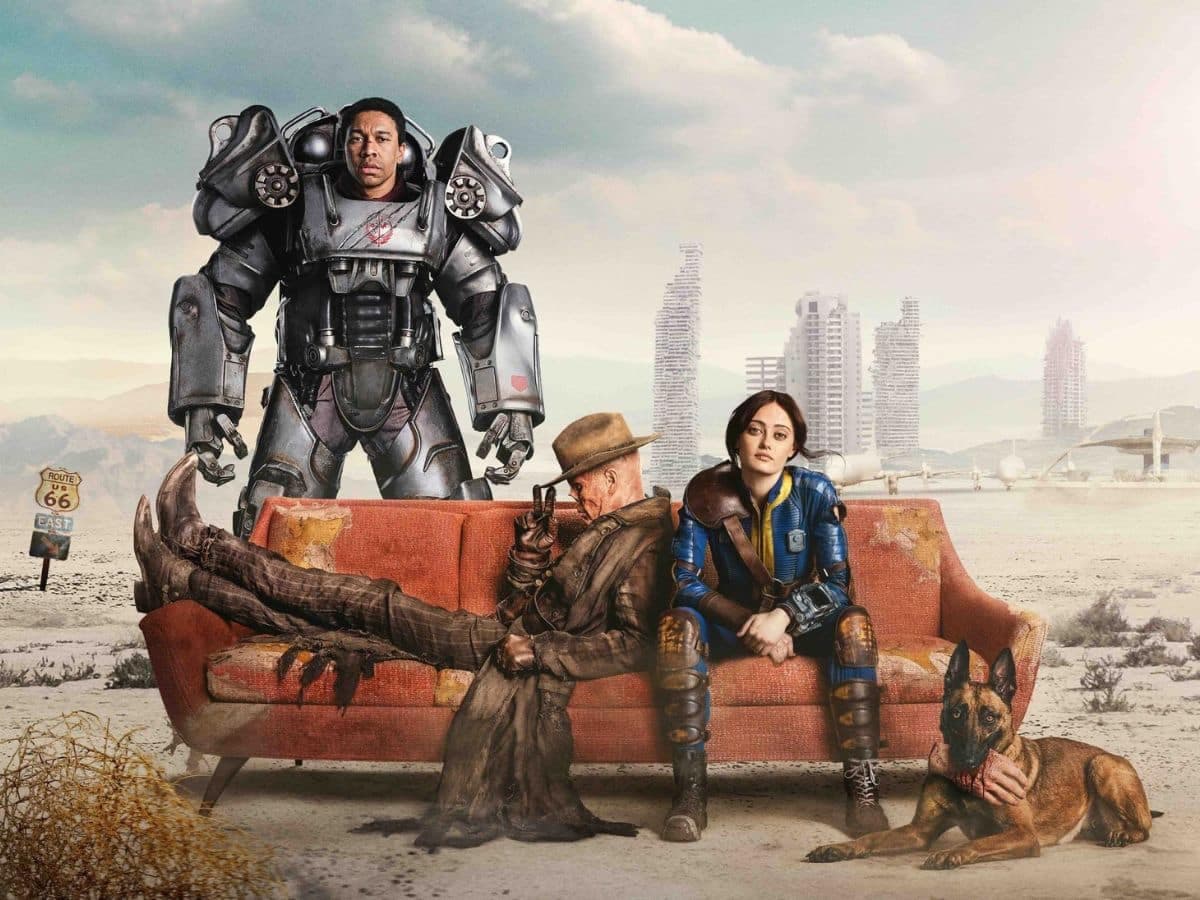
There’s nothing childish about HBO’s The Last of Us. Rather, it’s a story of humanity, love, and devastation that took the world by storm when it premiered, winning nine Emmys and breaking viewership records. Then we’ve got Amazon’s Fallout, another Emmy-winning series that spectacularly brings Bethesda’s post-apocalyptic America to life. Another massive hit that has also broken viewership records for the platform and is one of the best shows available on the streaming service.
These shows don’t just prove that video game adaptations can work. They prove that they can sit comfortably alongside prestige television that typically only consisted of book adaptations. They’re not being treated as novelty projects anymore. Instead, they’re serious storytelling vehicles with just as much emotional and critical weight as anything else on TV.
Animation Is Where Things Get Interesting
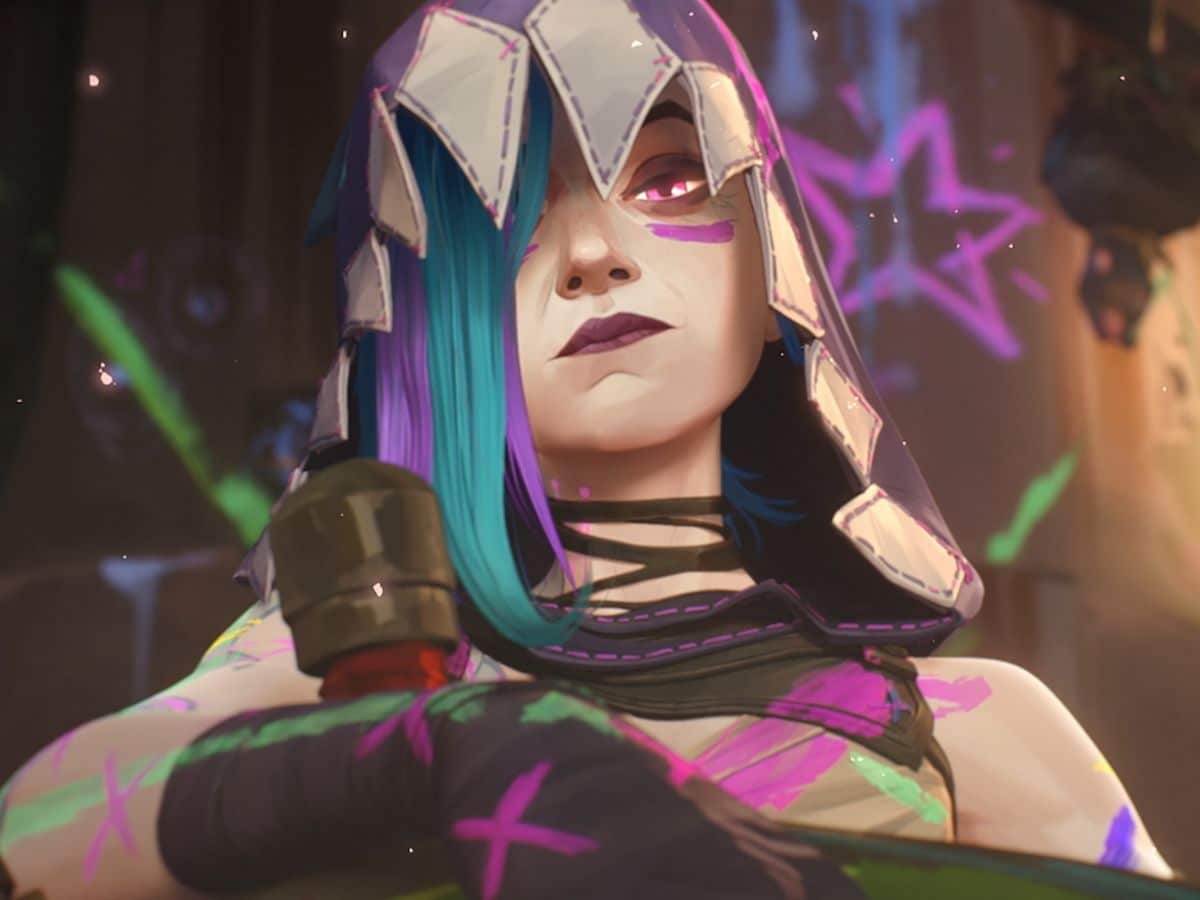
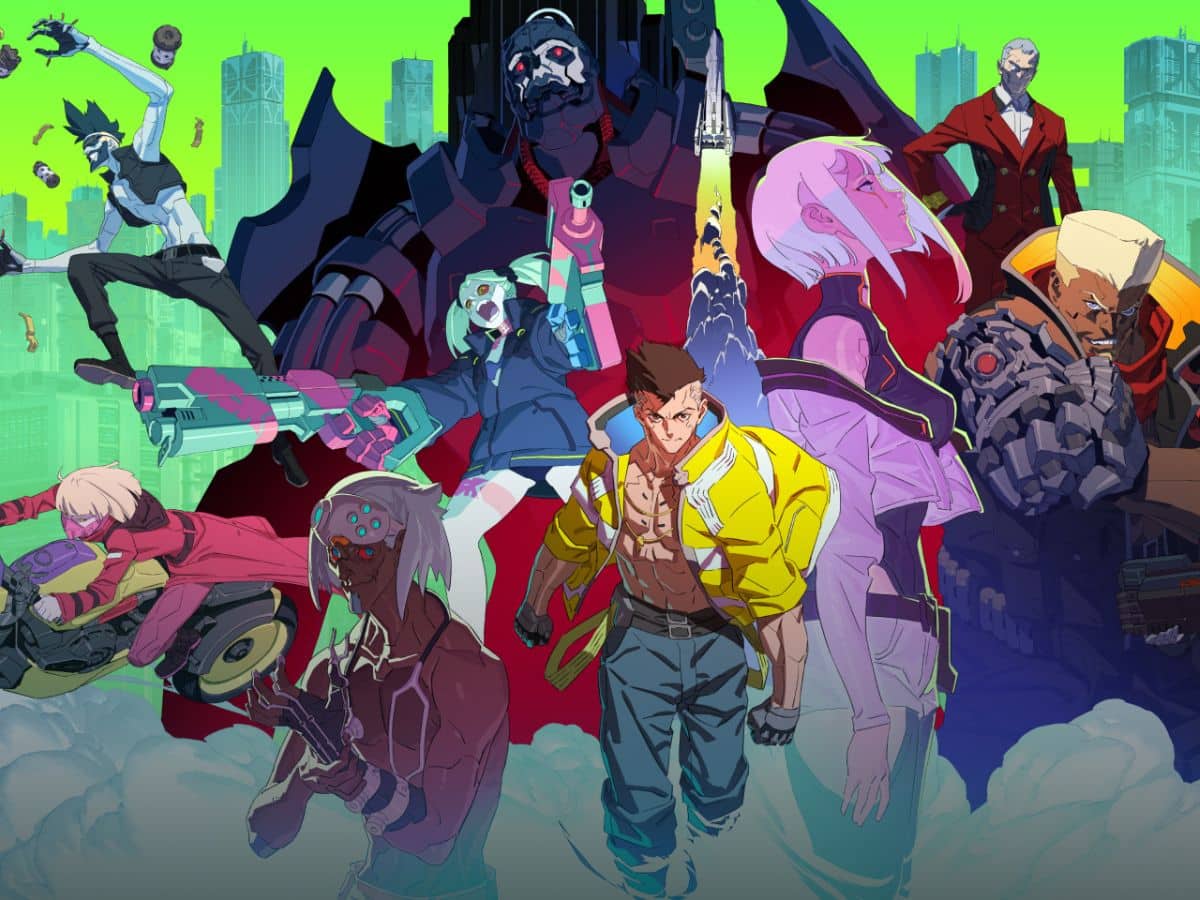
What makes animation such an exciting space for videogame adaptations is the sheer creative freedom it allows. Netflix’s stylistic Cyberpunk: Edgerunners boasts a perfect Rotten Tomatoes score, in large part due to its fast-paced action wrapped up in the edgy, futuristic ambiance of the Cyberpunk aesthetic. I’d be remiss without mentioning Arcane, the Netflix animated series that racked up nine Emmys across its run, featuring some of the most showstopping animation in recent years.
These worlds don’t have to be grounded or restrained by realism. They can be exaggerated, stylised, and pushed to their absolute limits without losing their identity. In many ways, animation feels like the natural home for some of gaming’s strangest and most visually distinct worlds. It allows creators to fully embrace the tone, pacing, and visual identity of the source material in a way live-action often can’t without compromise.
Game Adaptations are Thriving Across the Board
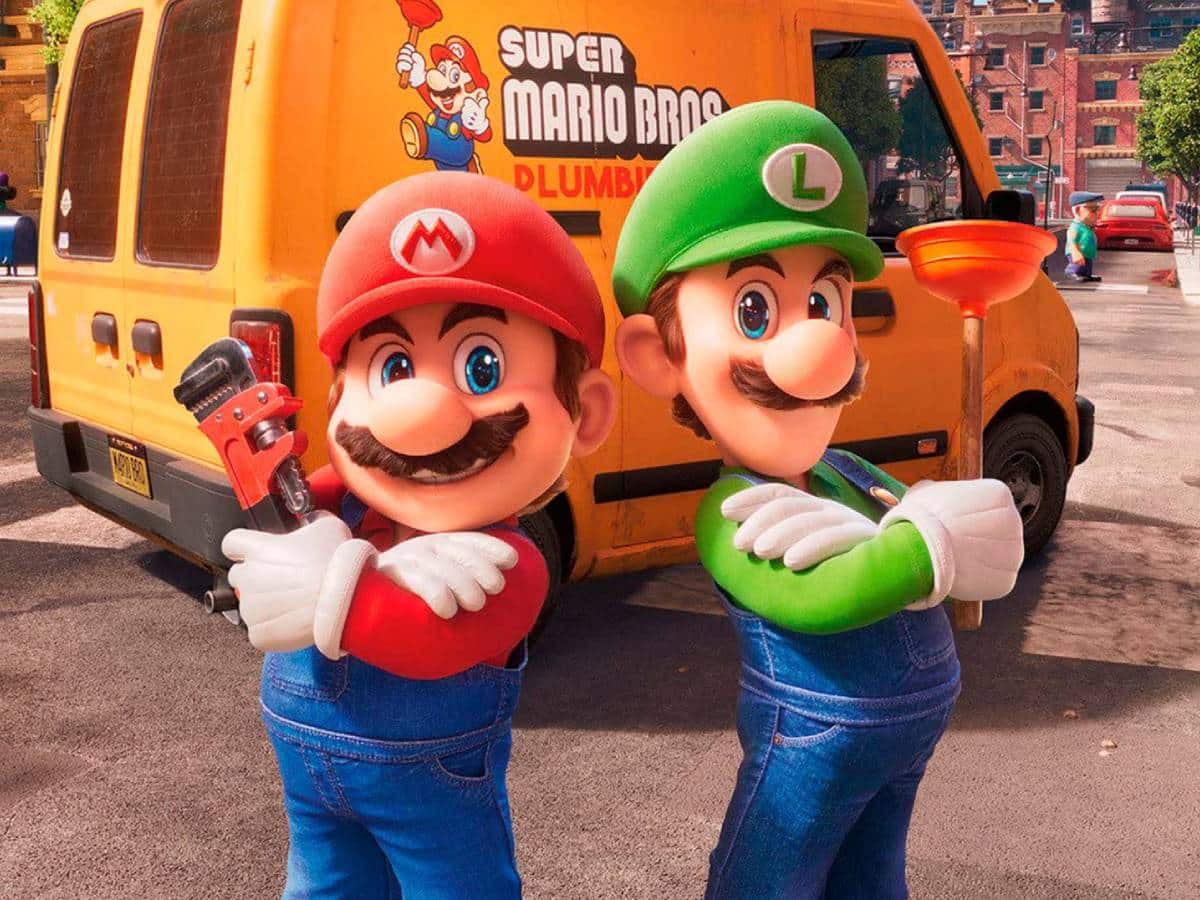
It’s not just the darker, more experimental projects that are thriving. At the same time as epic dramas and R-Rated animations are finding their footing, crowd-pleasers like The Super Mario Bros. franchise are dominating the box office. Bright, simple, and unapologetically geared towards a broad audience, it proves that not every adaptation needs to be gritty or emotionally devastating to succeed.
That’s the real shift here. Video game adaptations are no longer being forced into a single mould.
Where once there was a narrow idea of what these projects should look like, there’s now room for everything. Kids’ movies can be colourful and straightforward, prestige series can be slow and emotionally complex, and animated projects can go full chaotic, stylised, nightmare fuel without hesitation.
A Bright and Uncompromising Future
The key difference now is freedom. Freedom for studios to take risks, for creators to stay true to their vision, and for audiences to choose the kind of stories they want to engage with. That’s why something like an R-rated Bloodborne adaptation doesn’t feel surprising anymore, it feels inevitable.
That’s not to say moving forward that the capacity for lacklustre videogame adaptations isn’t possible. I’m not so naive as to think that. However, it does mean that now more than ever, the possibility of greatness is real and alive.
The “videogame curse” isn’t just fading into irrelevance. It’s already been left behind. And in its place is a landscape where video game adaptations are some of the most exciting, unpredictable projects in film and television right now.
The Upcoming Video Game Adaptation Slate (2026-2028)
| Title | Release Date | Studio / Platform | Rating (Anticipated) | The Buzz |
| Mortal Kombat 2 | May 8, 2026 | New Line / Cinema | R (MA 15+) | Releasing in just 10 days. Features Karl Urban as Johnny Cage and Adeline Rudolph as Kitana. |
| Resident Evil (Reboot) | Sept 18, 2026 | Sony / Cinema | R (MA 15+) | Directed by horror maestro Zach Cregger (Barbarian). Described as “zombie Mad Max” with a survival-horror focus. |
| Street Fighter | Oct 16, 2026 | Legendary / Cinema | M | Directed by Kitao Sakurai. Rumoured to be a grittier, more visceral take on the tournament. |
| Bloodborne | TBA: 2027 | Sony / Cinema | R (MA 15+) | Confirmed at CinemaCon (April 2026). An R-rated animated feature produced by Jacksepticeye. Expected to be “intensely faithful.” |
| The Legend of Zelda | May 2027 | Sony & Nintendo / Cinema | PG / M | Directed by Wes Ball. Shigeru Miyamoto is producing. Cast confirmed: Evan Ainsworth (Link) and Bo Bragason (Zelda). |
| Fallout (Season 2) | Late 2027 | Amazon Prime | R (MA 15+) | Production is currently underway. Expected to move the setting to New Vegas. |
| Elden Ring | March 2028 | A24 / Cinema | R (MA 15+) | Confirmed April 20, 2026. Directed by Alex Garland (Ex Machina). Kit Connor is rumored for the lead role of The Tarnished. |
| BioShock | TBA | Netflix | R (MA 15+) | Directed by Francis Lawrence (Hunger Games). Still in active development with a focus on a “prestige horror” tone. |


















Comments
We love hearing from you. or to leave a comment.