

Updated:
Readtime: 28 min
Every product is carefully selected by our editors and experts. If you buy from a link, we may earn a commission. Learn more. For more information on how we test products, click here.
Beard styles range from clean stubble to the kind of full, sculpted growth that reshapes your whole face. This guide covers more than 50 of them, from the 10 most popular looks to a 40-plus style gallery, plus how to match a beard to your face shape and keep it looking sharp. We spoke to two of Sydney’s best barbers, 5000BC and Tate & Lyle, to understand how professionals actually approach beard design.

Finding the Right Beard Style
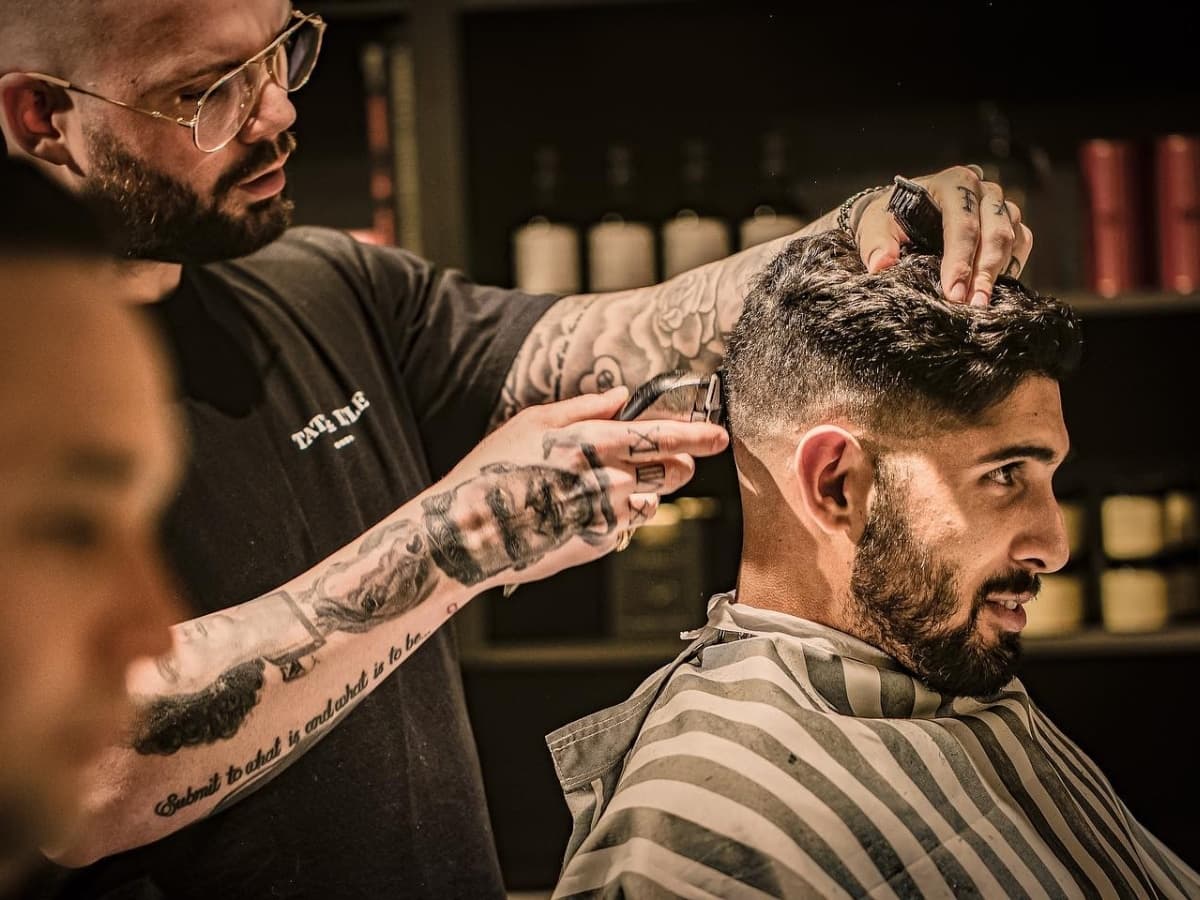
Modern barbers don’t treat a beard as something you simply grow out. They shape it with the same precision as a haircut. As Jimmy De Jesus, Director at 5000BC, puts it, “A beard should act as a frame.”
This approach is sometimes called the architectural beard. Instead of chasing size or thickness, the focus is on shape and structure. Jacob Martin, founder of Tate & Lyle Sydney, explains, “the biggest mistake is letting a beard grow without direction or purpose.”
Choosing the right one comes down to two things: your face shape and your natural growth pattern. Some men can grow thick, dense beards that support fuller styles, while others find shorter or more sculpted looks work better. Understanding those limitations is part of finding a style that actually suits you.

Whether you can only muster a bit of peach fuzz or your beard doubles as a neck warmer, there’s a style out there for you. The good news is that facial hair grows back, which makes experimenting one of the easiest ways to refresh your appearance without committing to a dramatic haircut.
Below, we break down the beard styles most men actually wear, how they change the shape of your face and what it takes to maintain them.
The 10 Most Popular Beard Styles
There are a handful of beard styles that consistently show up in barbershops, whether they’ve been around for decades or only recently come back into fashion. These are the styles most men actually consider, along with what they do to your face and what it takes to maintain them.
1. The Precise Fade Beard
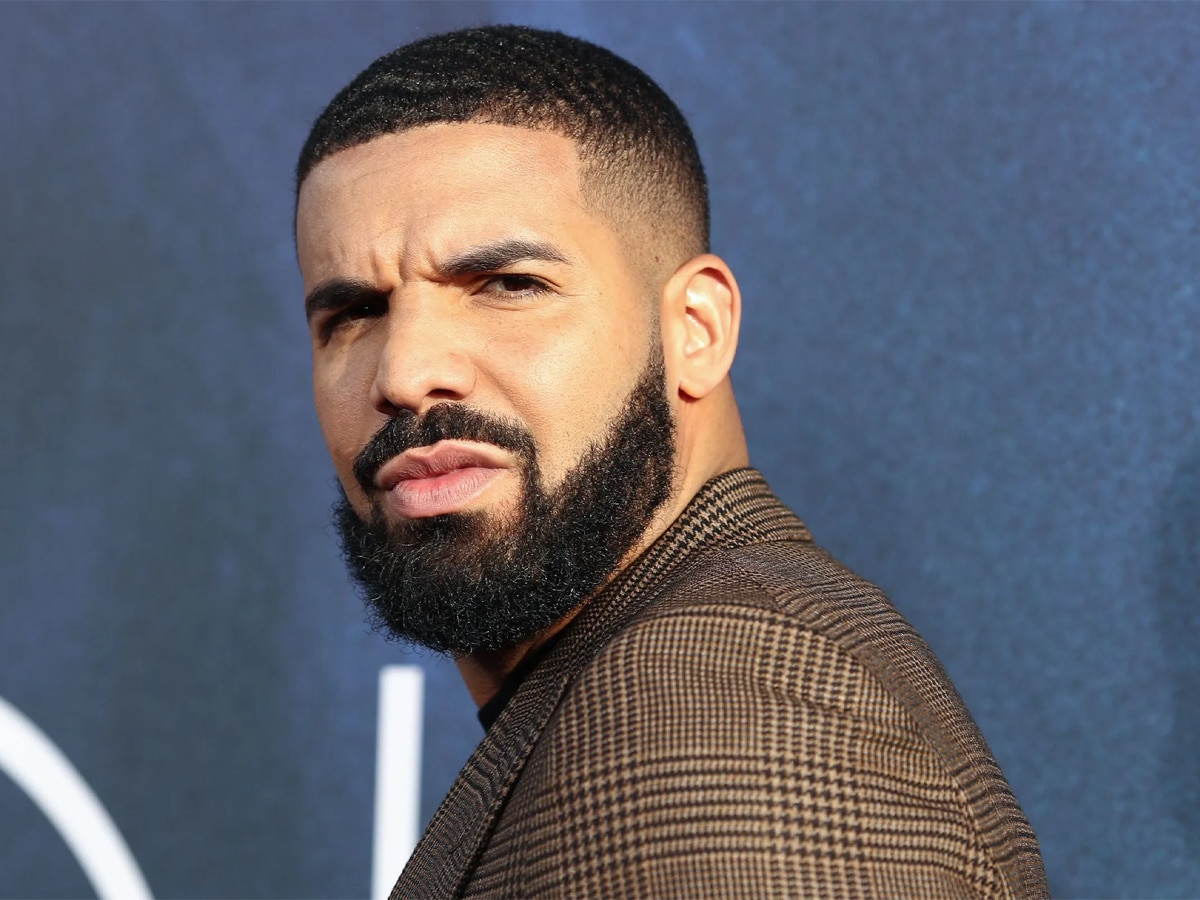
This style blends the sideburns gradually into the beard, creating a smooth fade that sharpens the cheekbones and jawline. It’s one of the cleanest ways to add structure to the face, but it only works if the fade stays tight. If you let it grow too long, the whole effect disappears quickly.
Best face shapes: Oval, square and diamond faces.
Maintenance: High. Maintaining the fade usually requires weekly barber visits or careful trimming at home.
Why it works: Fade techniques became popular in Black barbershops during the late 1980s and 1990s. Today, blending the haircut directly into the beard is one of the most requested modern barbershop looks. “The taper where the sideburn meets the beard is where the magic happens,” says Jacob.
Associated with: Drake (his signature faded beard throughout the 2010s), Michael B. Jordan (sharp fade-and-beard blend during the Creed press tours).
2. The Short Boxed Beard
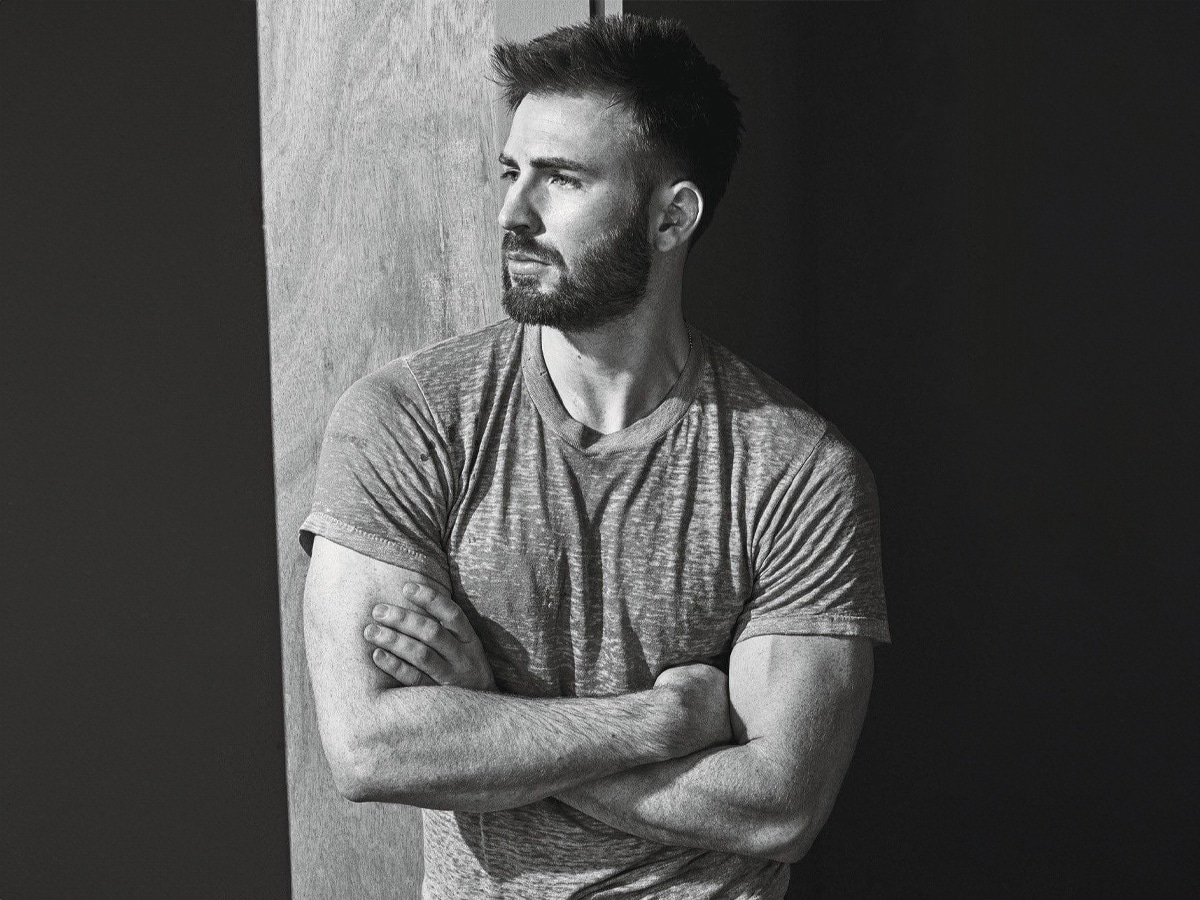
A short, neatly trimmed beard that follows the jawline closely, typically kept between one and two centimetres with defined cheek and neckline lines. This is one of the safest options for most men, but it still relies on clean lines. Let the edges drift, and you’ll lose the sharpness that makes it work.
Best face shapes: Oval, square and diamond faces.
Maintenance: Medium. Most men trim it every few days to keep the edges tidy.
Why it works: The short boxed beard emerged as one of the defining looks of the 2010s beard revival, offering the structure of a full beard while still looking clean and office-friendly.
Associated with: Ryan Reynolds (his standard red-carpet beard through the Deadpool era) and Chris Evans (his trimmed beard during the later Captain America films).
3. Model Stubble
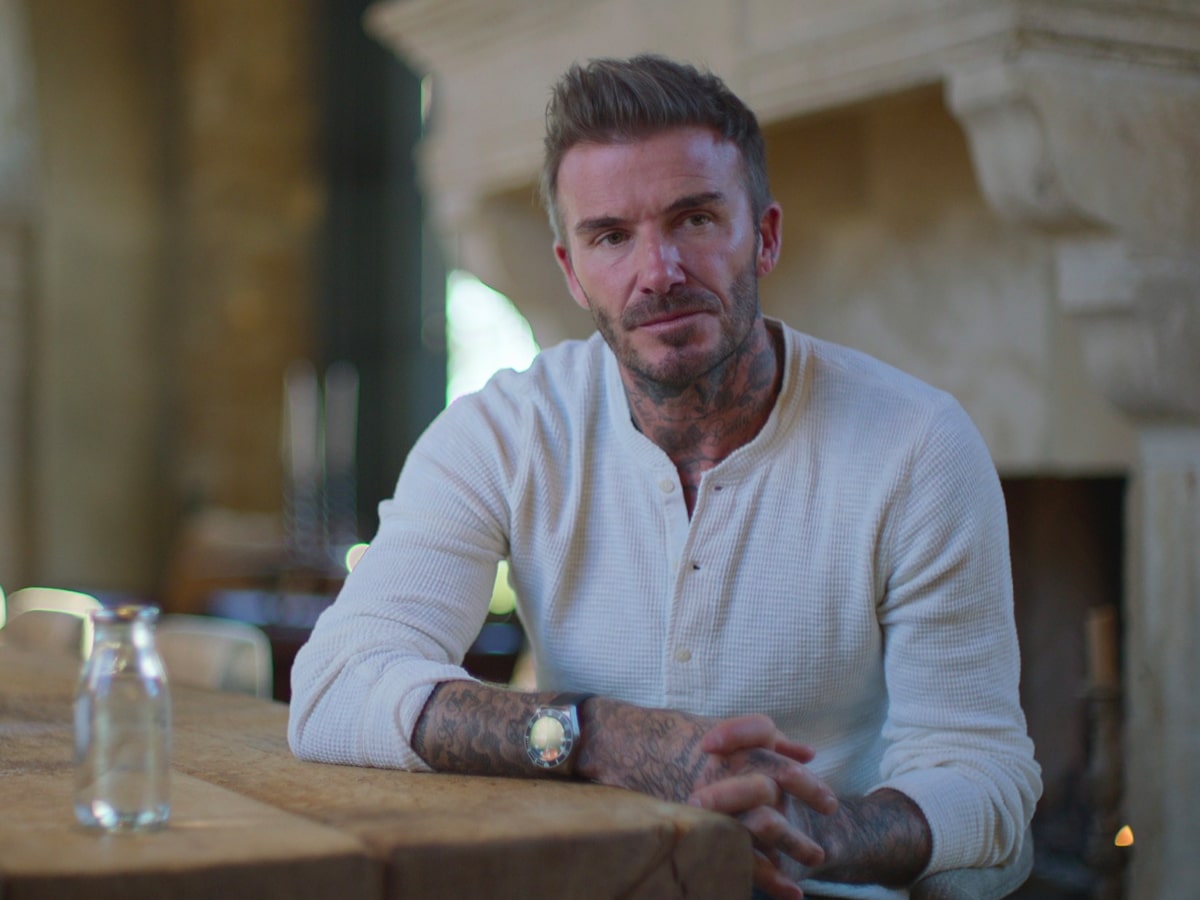
Often called the three-day beard, this look keeps facial hair very short while maintaining clean cheek and neckline definition. With a bit of precision trimming, you can safely ignore those who call stubble low effort.
Best face shapes: Works well on most face shapes, particularly oval and square.
Maintenance: Low to medium. It might look effortless, but it rarely is. “Trying to grow length on a patchy beard usually just highlights the gaps,” says Jacob, demonstrating why shorter, controlled styles tend to work better.
Why it works: Heavy stubble surged in popularity during the early 2000s when actors and footballers began favouring the relaxed three-day beard over clean-shaven looks.
Associated with: David Beckham (the classic designer stubble look that defined his grooming style in the 2000s), Ryan Gosling (his relaxed stubble in films like Drive and Crazy, Stupid, Love).
4. The Sculpted Goatee
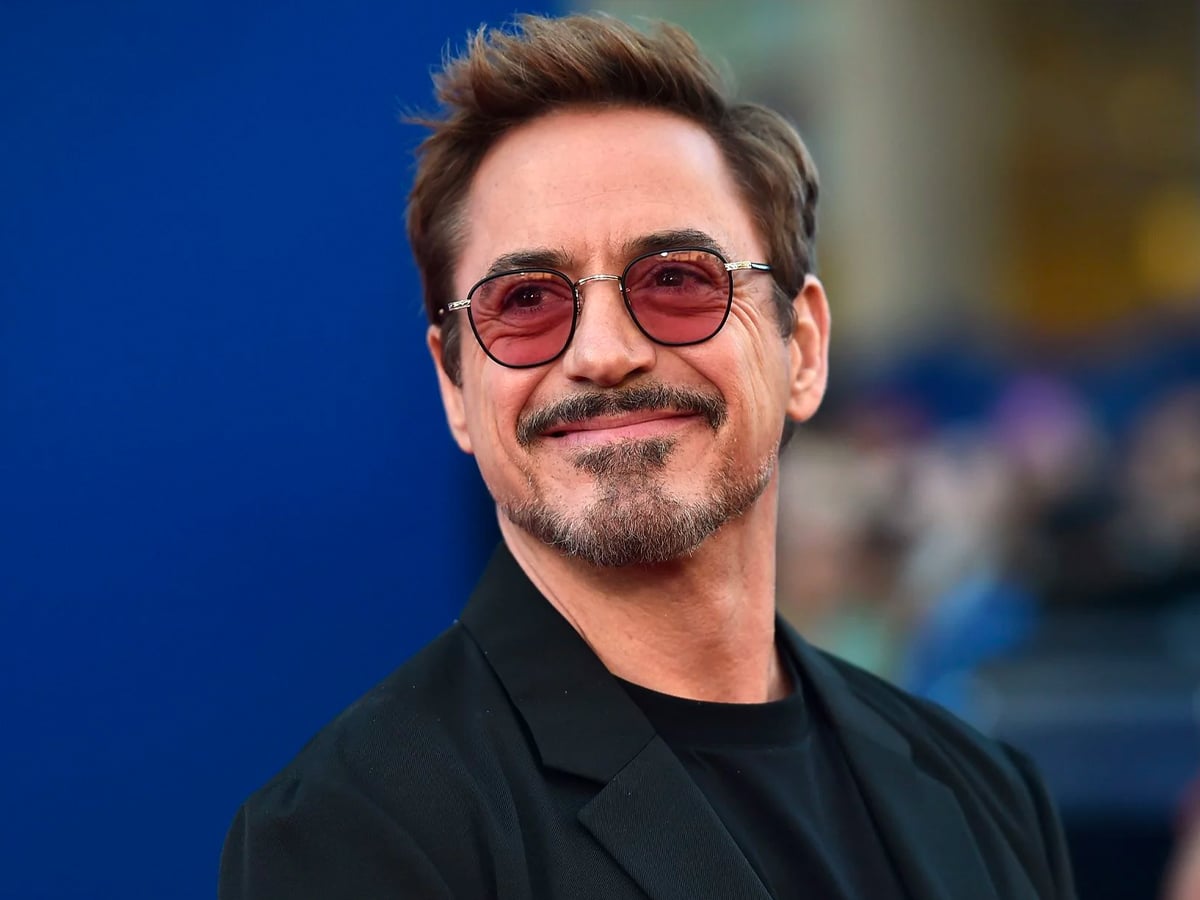
A beard focused around the mouth and chin, with clean-shaven cheeks. It’s the ideal option for those with patchy growth around the cheeks, but it does require a bit more trimming to get the look right.
Best face shapes: Round and oval faces benefit most, as the chin length adds vertical definition.
Maintenance: Medium. The edges require regular trimming to keep the shape sharp.
Why it works: Goatees were everywhere during the 1990s and early 2000s, particularly in rock and film culture, and remain a practical option for men with patchy facial hair.
Associated with: Robert Downey Jr. (the sharply sculpted goatee worn throughout the Iron Man and Avengers films), Johnny Depp (his stylised goatee during the Pirates of the Caribbean era).
5. The Beardstache
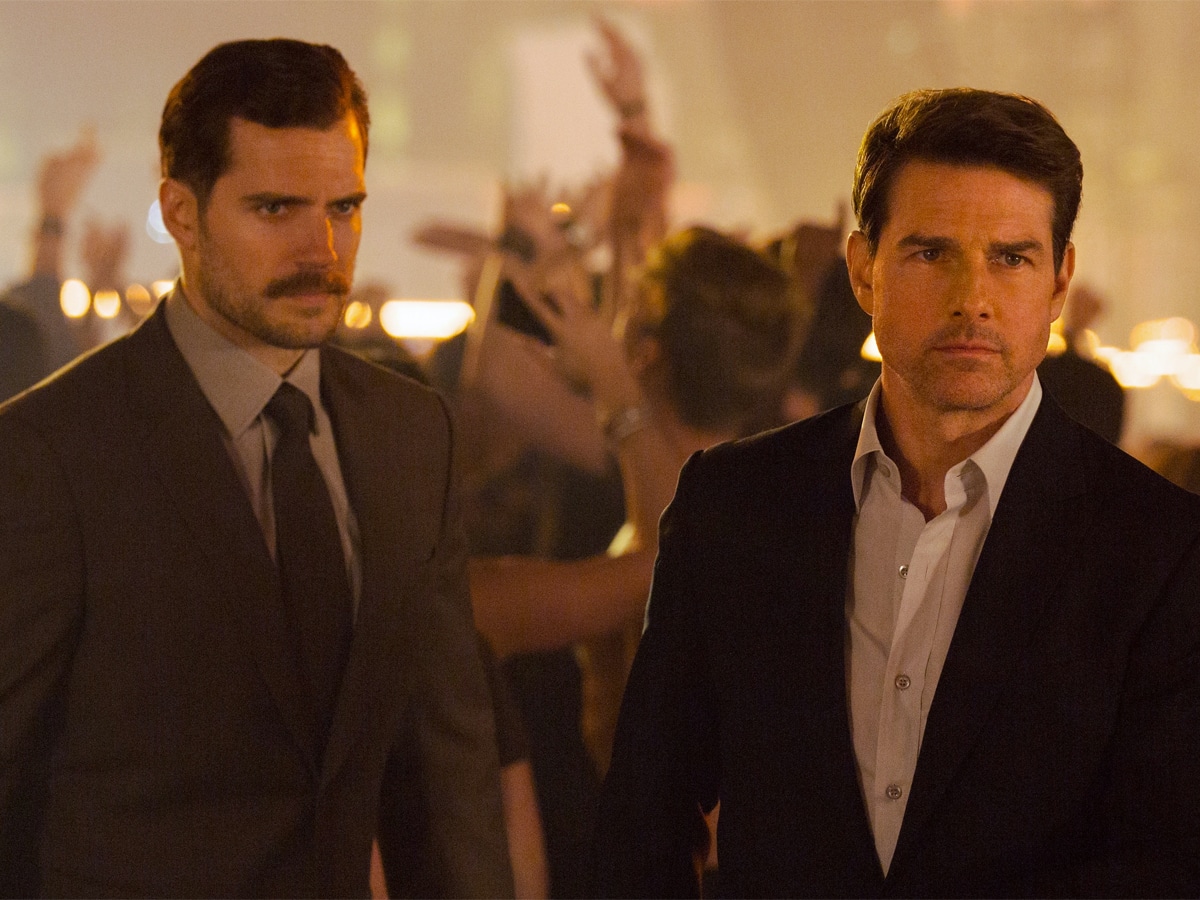
A bold moustache paired with short beard stubble across the cheeks and jaw. With your moustache as the centrepiece, you only need to keep your stubble in check.
Best face shapes: Oval, diamond and heart-shaped faces.
Maintenance: Medium. The moustache requires regular trimming and shaping.
Why it works: The beardstache saw a resurgence during the late 2010s as moustaches returned to fashion, combining classic facial hair with modern stubble.
Associated with: Henry Cavill (his moustache-forward beard style during the Mission: Impossible – Fallout press cycle), Jamie Dornan (his beardstache look during the Fifty Shades promotional period).
6. The Textured Full Beard
A natural full beard that keeps its density and texture while still maintaining a defined outline. Growing a full beard requires quite a bit of balance to avoid making your face look too wide or heavy.
Best face shapes: Square and oval faces suit fuller growth best.
Maintenance: Medium to high, depending on length.
Why it works: Full beards returned to mainstream fashion during the early 2010s beard boom, when rugged, natural facial hair became a defining grooming trend.
Associated with: Jason Momoa (his rugged full beard as Aquaman and pretty much his entire career), Chris Hemsworth (the fuller beard seen during the Thor: Ragnarok era).

7. The Hollywoodian
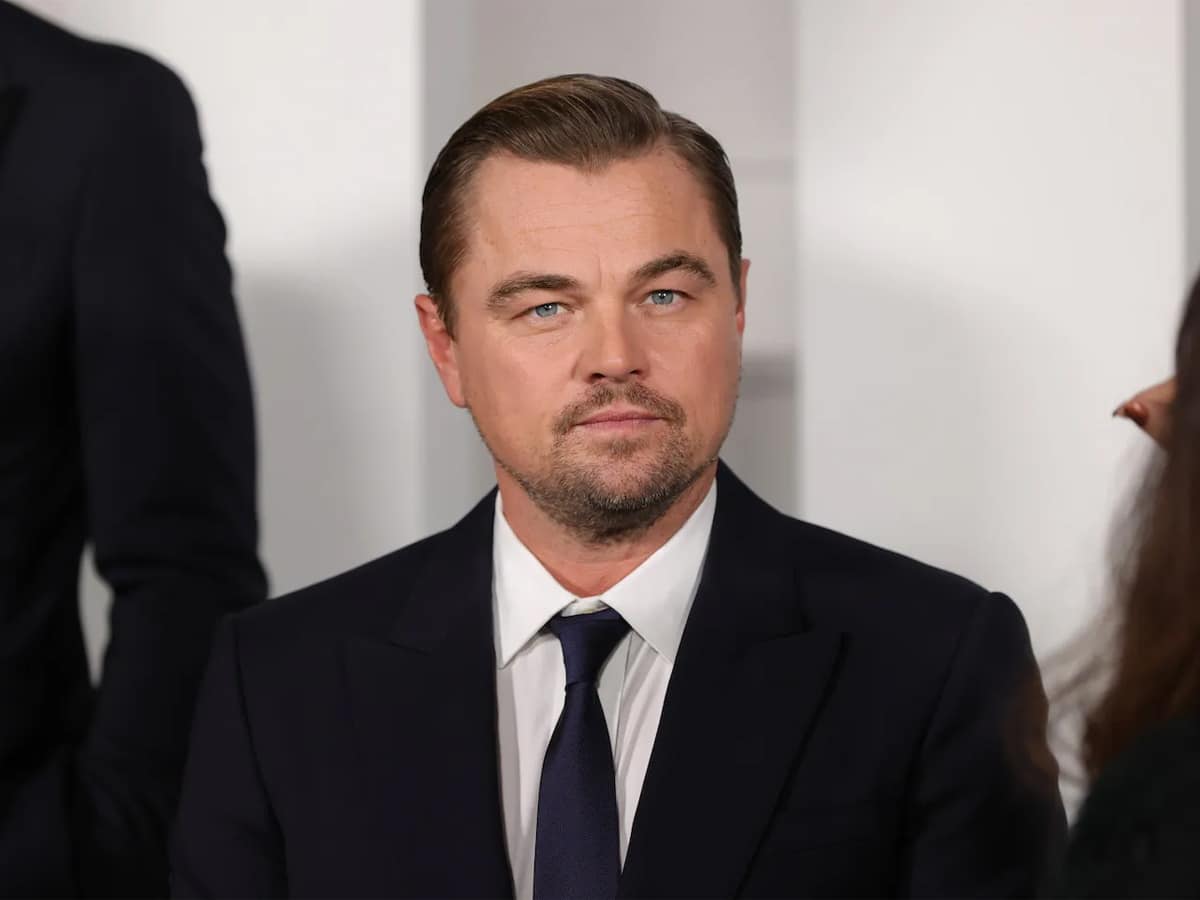
A beard style that removes the sideburns and focuses growth along the jaw and chin. Removing the sideburns draws attention to the jawline, but the transition can make the look feel unnatural if it isn’t clean.
Best face shapes: Round and square faces.
Maintenance: Medium. The cheek lines must stay clean to maintain the style.
Why it works: The Hollywoodian first appeared on early film stars before returning as a sharper alternative to the full beard.
Associated with: Leonardo DiCaprio (his jawline-focused beard during awards season appearances), Brad Pitt (his Hollywoodian variations during the mid-2000s).
8. The Van Dyke

A pointed chin beard paired with a detached moustache. It’s distinctive, but also one of the easiest styles to overdo. The sharper the shape, the more deliberate the grooming needs to be.
Best face shapes: Oval and diamond faces.
Maintenance: High. The shape requires precise trimming to avoid looking uneven.
Why it works: Named after the 17th-century Flemish painter Anthony van Dyck, this style has remained popular for centuries thanks to its distinctive, artistic shape.
Associated with: Johnny Depp (his pointed-chin beard in the early Pirates of the Caribbean films), Guy Fawkes (the historical inspiration for the style’s moustache-and-goatee silhouette).
9. The Garibaldi
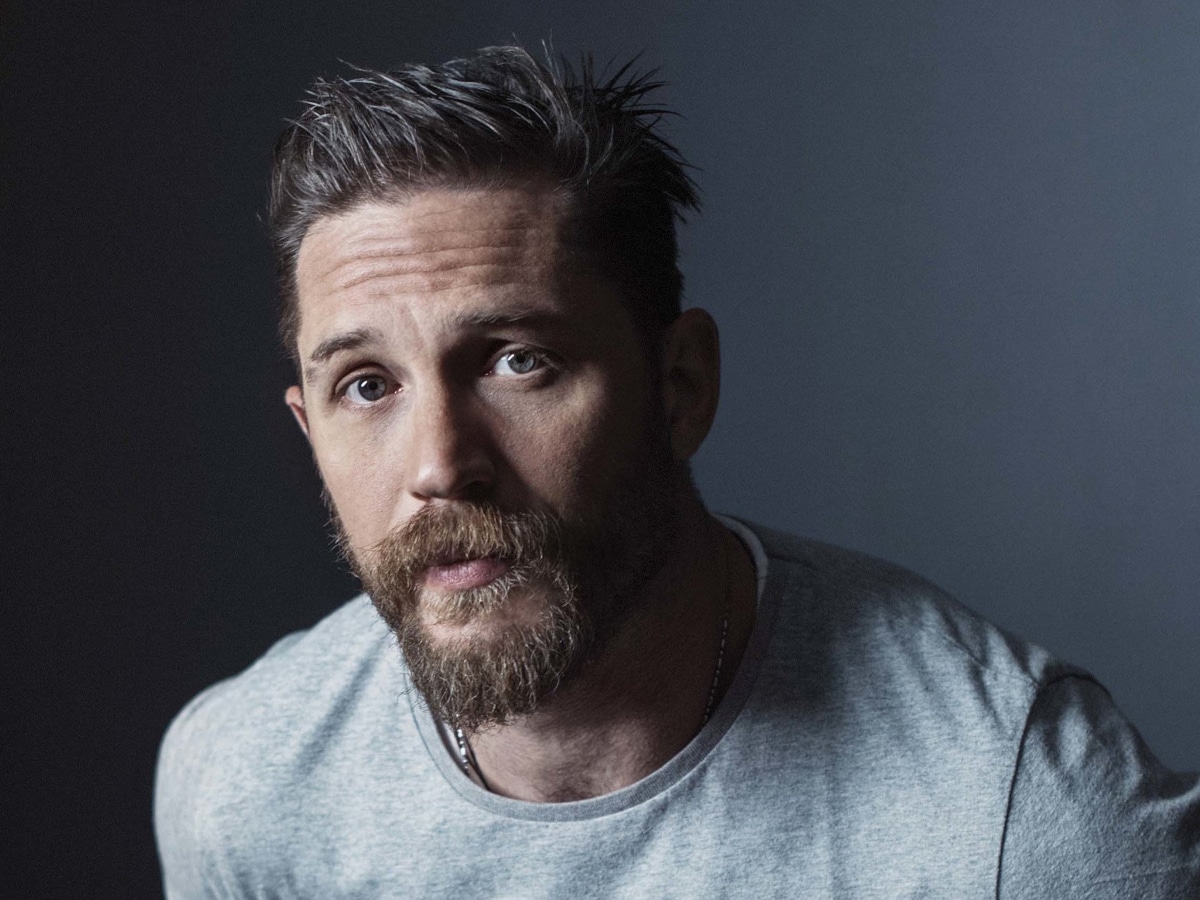
A wide, rounded, full beard that’s usually grown longer and paired with a natural moustache. This is more about presence than precision. It works if you commit to the length, but half-grown versions tend to look unfinished.
Best face shapes: Oval and rectangular faces.
Maintenance: Medium. While the beard grows naturally, the shape still requires occasional trimming.
Why it works: Named after Italian general Giuseppe Garibaldi, the style reflects the large, natural beards worn by many soldiers and revolutionaries during the 19th century.
Associated with: Giuseppe Garibaldi (the Italian general whose large natural beard inspired the style), modern lumberjack aesthetics seen throughout the 2010s beard revival.
10. The Corporate Beard
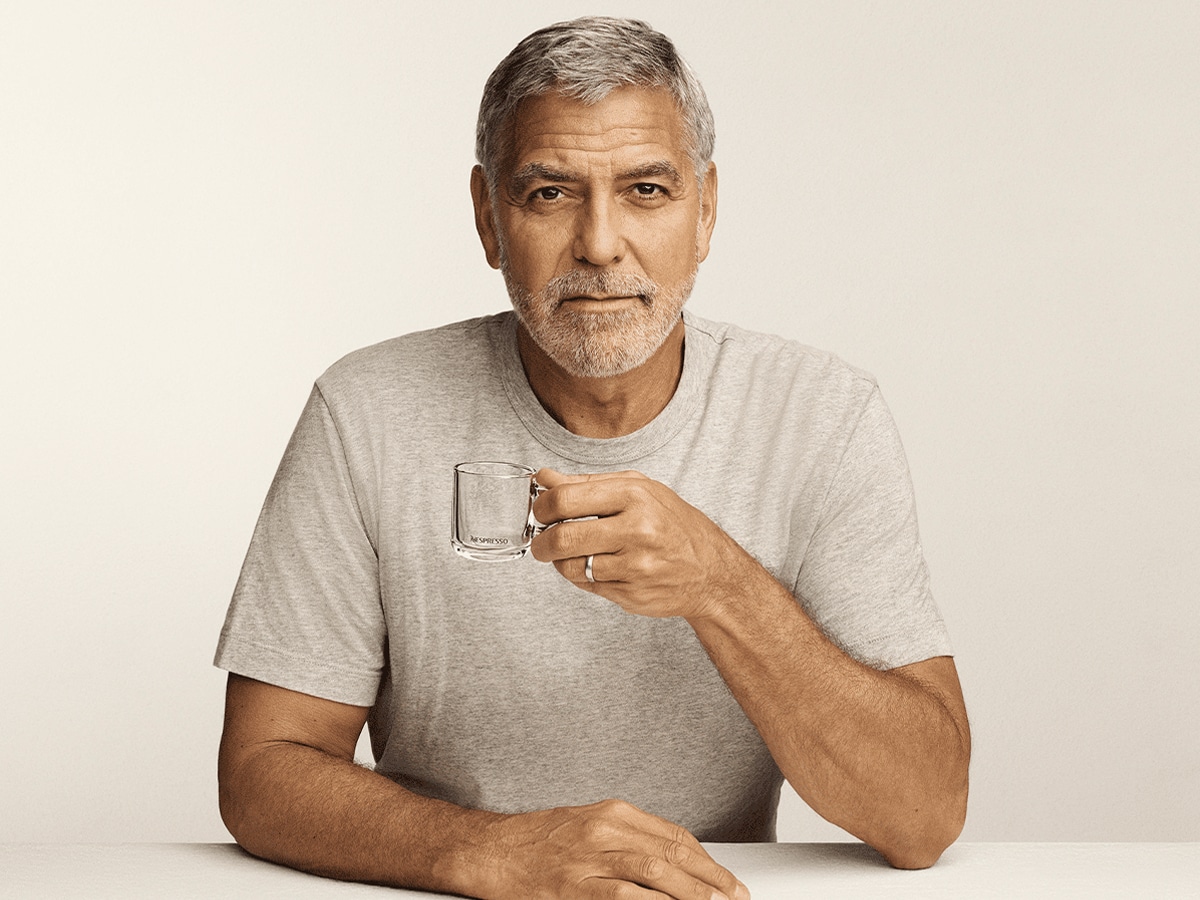
A short, well-groomed beard that follows the natural jawline without extending too far in length. You get to grow a beard without breaking any office rules.
Best face shapes: Works across most face shapes.
Maintenance: Medium. Regular trimming keeps the beard neat and professional.
Why it works: Short, tidy beards became more widely accepted in professional workplaces during the 2010s as office dress codes relaxed and well-groomed facial hair became mainstream.
Associated with: George Clooney (his short, tidy beard during later red-carpet appearances), Idris Elba (his polished beard style throughout the Luther years).
40+ More Beard Styles
The styles above cover what most men actually ask for in the chair. But they’re only part of the picture. Barbers work across dozens of variations depending on length, moustache shape and how the beard interacts with the jawline.

Some are historic styles that have been around for centuries. Others are modern barbershop shapes that evolved alongside fades, tapering and precision grooming. The gallery below is a visual reference you can take to your barber. Not every style will suit you, but understanding the range makes it easier to recognise what will.
Classic and Historical Beard Styles

11. Balbo Beard. A beard without sideburns that combines a trimmed moustache with a separate chin beard, most famously associated with Iron Man-era Robert Downey Jr, alongside Christian Bale.

12. Verdi Beard. A rounded full beard paired with a styled moustache that curls slightly outward, named after Italian composer Giuseppe Verdi.

13. Anchor Beard. A beard shaped like a ship’s anchor, featuring a pointed chin beard connected to a moustache. It’s often associated with sharply groomed red-carpet facial hair and stylised barbershop looks.

14. French Fork Beard. A long beard that splits slightly into two points at the bottom, a style often linked to historical warrior and pirate imagery.

15. Imperial Beard. A beard paired with a large, styled moustache that curls upward, drawing on old military and aristocratic grooming styles.

16. Royale Beard. A narrow moustache combined with a small chin beard, often seen as a more refined, dressier variation of the goatee family.

17. Horseshoe Moustache. A moustache that extends downward along both sides of the mouth toward the jawline, forming a distinctive horseshoe shape.
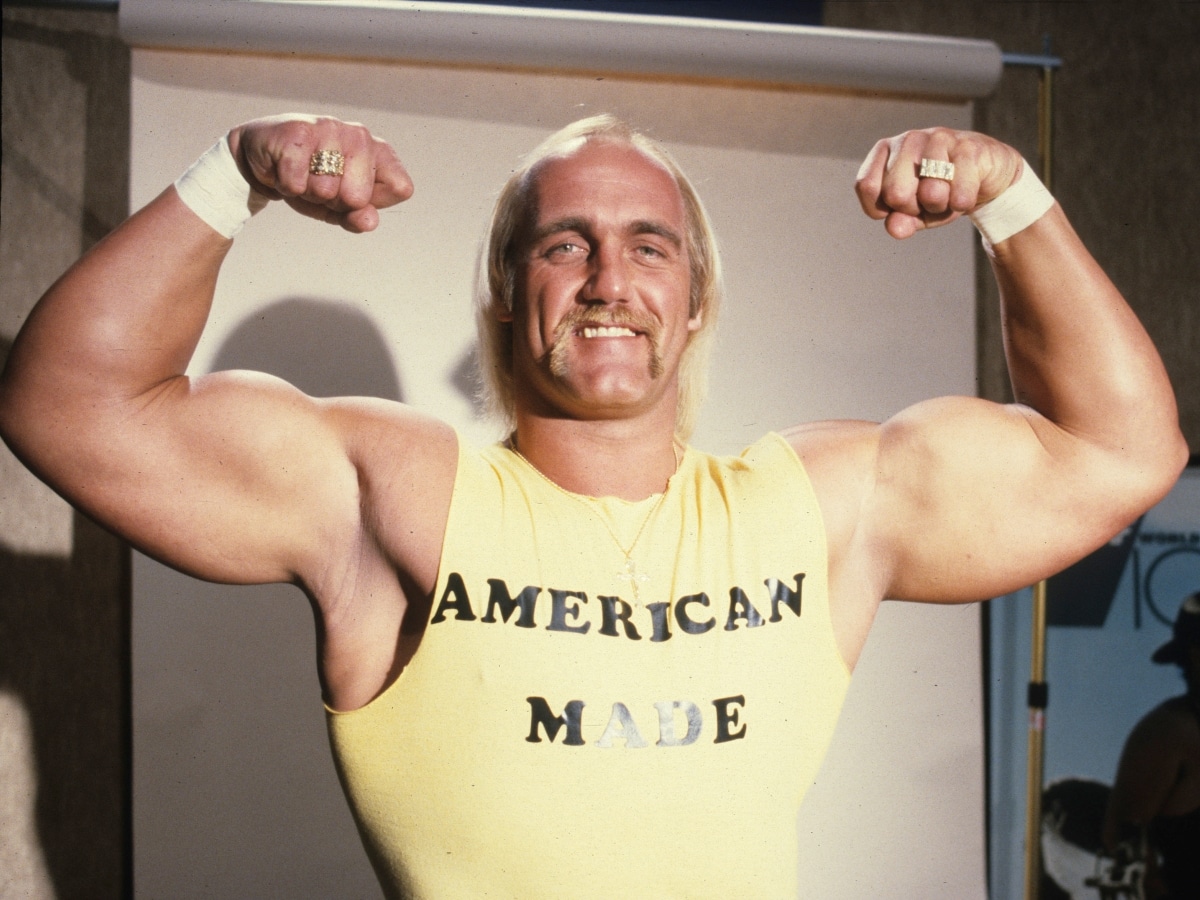
18. Hollywood Horseshoe. An exaggerated version of the horseshoe moustache worn with a clean-shaven chin and long vertical extensions down the sides of the mouth. Hulk Hogan turned the look into one of the most recognisable moustaches in pop culture during the 1980s and 1990s wrestling boom, brother!

19. Garibaldi Extended. A longer variation of the Garibaldi with additional length and density, best imagined as an even fuller version of the beard style named after Giuseppe Garibaldi.

20. Lincoln Beard. A chin curtain beard paired with longer sideburns and no moustache, famously associated with Abraham Lincoln.
Full and Natural Beard Styles

21. Bandholz Beard. A long, natural beard grown out fully with minimal trimming, often paired with a thick moustache. It’s the kind of beard you’re more likely to see on craft-brewery founders and lumbersexual-era grooming ads than classic Hollywood figures.

22. Viking Beard. A large, rugged beard typically worn long and naturally, more associated with pop culture versions of Norse warriors and shows like Vikings than strict historical grooming.

23. Natural Beard. A beard grown with minimal shaping, allowing the natural hair pattern to define the look. Think less celebrity signature style and more “let it grow and tidy it occasionally.”

24. Short Full Beard. A compact version of the full beard, kept neatly trimmed, is commonly seen on actors, athletes, and presenters who want a full beard without too much bulk.

25. Layered Beard. A longer beard styled in layers to add texture and shape, often used in premium barbershops for men growing denser, longer facial hair.

26. Yeard Beard. A full beard grown naturally for roughly a year with minimal trimming, allowing the hair to reach significant length and density. The term became popular during the 2010s beard revival, when longer natural beards returned to mainstream grooming culture.

27. Tweard Beard. A longer variation of the yeard, referring to a beard grown for two years or more. While the name is partly tongue-in-cheek, the style reflects the kind of long, fully developed beard seen among dedicated beard growers and competitive beard communities.
Goatee and Chin-Focused Styles

28. Circle Beard. A neat combination of a rounded moustache and chin beard that forms a circular shape around the mouth, popularised for years by actors like Pierce Brosnan.

29. Extended Goatee. A goatee that stretches outward along the jawline while keeping the cheeks clean-shaven, a style often seen on men like Brad Pitt during various mid-2000s phases.

30. Petite Goatee. A small, neatly trimmed patch of hair just below the lower lip and chin. Think of it as a smaller, cleaner cousin of the traditional goatee.

31. Goatee with Stubble. A goatee combined with light stubble along the cheeks creates a softer, less severe version of the classic goatee.

32. Chin Puff. A small patch of hair grown directly on the chin, often associated with late-90s and early-2000s alt-rock musicians like Fred Durst. It’s just one of those beards.

33. Soul Patch. A small patch of hair located directly beneath the lower lip that will be forever linked in Australia with Shannon Noll.

34. Disconnected Beard. A beard style where the moustache and beard remain separate rather than connected, often due to natural growth patterns or deliberate trimming.
Sideburn and Jawline Styles

35. Mutton Chops. Thick sideburns that extend down the cheeks, often paired with a shaved chin. Wolverine made these famous for a modern audience, even if the style itself is much older.

36. Friendly Mutton Chops. Sideburns that connect across the moustache but leave the chin clean, giving the style a more theatrical, Victorian-era appearance.

37. Chin Strap. A thin strip of facial hair that runs along the jawline from ear to ear, a look strongly tied to early-2000s R&B and hip-hop style, worn by artists like Chris Brown.

38. Chin Curtain. A beard that follows the jawline without a moustache, giving it an old-school, pre-modern grooming feel.

39. Jawline Beard. A beard focused tightly along the jaw to emphasise facial structure, often seen in more sculpted modern barbershop styles.

40. Neck Beard. Online, the term “neck beard” has become shorthand for the kind of unkempt facial hair often linked to internet-dwelling stereotypes. In reality, it simply describes hair that grows mainly along the neck rather than the jawline. The fix is simple: trim the neckline and shape the beard closer to the jaw. Then, touch some grass.
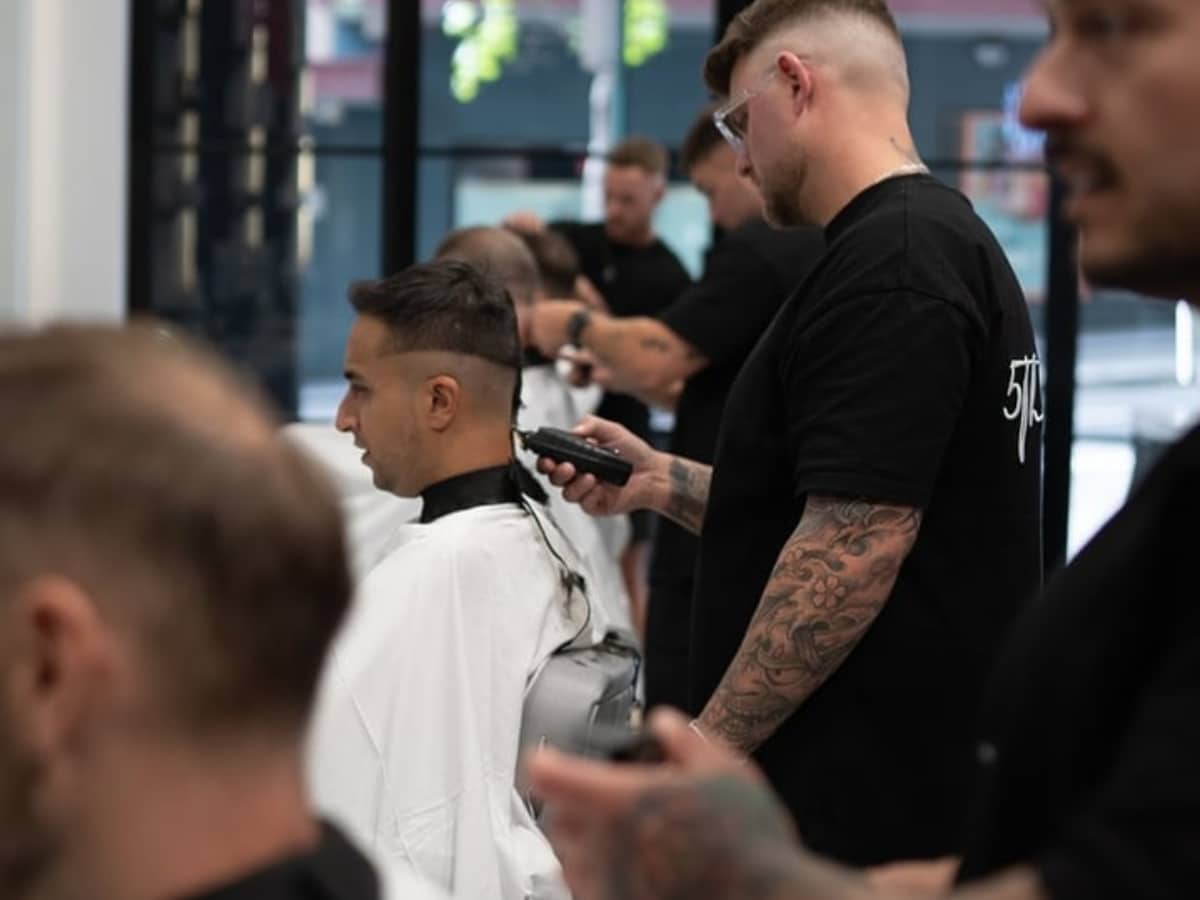
Modern Barbershop Styles

41. Ducktail Beard. A full beard that tapers to a point at the chin, creating a ducktail shape. In recent years, it’s been worn by men like Chris Pine and Leonardo DiCaprio.

42. Designer Stubble. A carefully trimmed stubble beard kept at a uniform short length, a look closely associated with David Beckham and the rise of polished men’s grooming in the 2000s.

43. Corporate Stubble. A shorter stubble that keeps the cheek and neckline edges sharp, common among executives and professionals who want texture without looking unshaven.

44. Shadow Beard. Very short facial hair that creates a subtle shadow across the jawline, sitting somewhere between clean-shaven and full stubble.

45. Tapered Beard. A beard that gradually becomes shorter toward the sideburns, creating a smoother transition into the haircut and a more polished overall finish.

46. Low Cheek Beard. A beard with deliberately lower cheek lines for a more angular appearance, often used to make growth look sharper and more controlled.

47. High Cheek Beard. A fuller beard that keeps the cheek line higher and more natural, closer to the way Jason Momoa often wears his beard.

48. Box Beard. A neatly shaped beard with straight cheek lines and a defined square outline around the jaw. It’s often worn at short to medium length and emphasises facial structure.

49. Faded Beard. A beard that gradually blends into the haircut through the sideburns, creating a seamless transition between hair and facial hair. This is a staple of modern Black and contemporary barbershop grooming.

50. Stubble Beard. Very short facial hair that sits between clean-shaven and a short beard, typically maintained at one to three millimetres. It’s the classic three-day beard look made famous by everyone from George Clooney to Ryan Gosling.

51. Ducktail Fade. A ducktail beard that gradually fades into the haircut through the sideburns, creating a smooth transition from the head to the beard. The style combines the structured point of a ducktail with the sharp blending techniques common in modern barbershops.
Seeing the range is one thing. Choosing what actually works for you is another. If you’re stuck, your first point of call should be your barber.

Best Beard Style for You: Quick Picks
Not sure where to start? These quick picks group the styles in this guide by the problem they solve, so you can narrow things down before you reach the chair.
Best for a Patchy or Thin Beard
- Sculpted Goatee: focuses hair around the chin.
- Beardstache: moustache leads, stubble fills in.
- Van Dyke: chin and moustache, no cheeks.
- Model Stubble: short length hides the gaps.
- Extended Goatee: works around patchy cheeks.
Best for Low Maintenance
- Model Stubble: quick to keep tidy.
- Stubble Beard: minimal trimming required.
- Natural Beard: grow it and tidy occasionally.
- Shadow Beard: barely there, easy to manage.
- Corporate Beard: simple weekly upkeep.
Best for a Professional Look
- Short Boxed Beard: clean and office-friendly.
- Corporate Beard: tidy without breaking dress codes.
- Designer Stubble: polished and controlled.
- Model Stubble: sharp cheek and neck lines.
- Corporate Stubble: texture without looking unshaven.
Best for a Weak or Soft Jawline
- Hollywoodian: draws attention to the jaw.
- Sculpted Goatee: adds vertical chin definition.
- Ducktail Beard: tapers to lengthen the chin.
- Box Beard: squares off the jawline.
- Jawline Beard: emphasises the natural jaw.
Best for Making a Statement
- Garibaldi: full length and real presence.
- Viking Beard: rugged and worn long.
- Bandholz Beard: big natural grow-out.
- Imperial Beard: styled, upward-curling moustache.
- Mutton Chops: bold Victorian sideburns.

Best Beards for Your Face Shape
Another big mistake most men make with beards is copying a style they like without thinking about their face shape. A beard that looks great on someone else can look completely different on you. Add length in the wrong place, and your face can look wider. Keep the sides too thick, and a square jaw can start to look blocky.
For Jacob, a good reference point is David Beckham. His beard consistently enhances his jawline and works seamlessly with his haircut, rather than competing with it. Barbers often think about beards the same way architects think about structure. They create balance. Some faces need more length, others need more definition, and some simply need a cleaner outline.
As Jacob puts it, “More hair doesn’t equal a better beard. It often just adds bulk in the wrong areas and softens the face.” You can see the difference in someone like Keanu Reeves. When his beard is left too natural without structure, it can look patchy and undefined. With proper shaping, it sharpens his entire look.
Here’s a simple guide to choosing a beard style that works with your natural face shape.
Best Beards for a Round Face
Round faces typically have softer jawlines and similar proportions in width and height. You want to add vertical length and avoid width along the cheeks.
Best beard styles:
- Ducktail Beard
- Sculpted Goatee
- Van Dyke
- Hollywoodian
These styles extend the chin area, which visually lengthens the face.
Styles to avoid: Very full beards with heavy sides can make a round face appear wider.
Best Beards for a Square Face
Square faces usually feature strong jawlines and broad cheekbones. Try softening the angles slightly while maintaining definition.
Best beard styles:
- Short Boxed Beard
- Textured Full Beard
- Beardstache
These styles keep structure without exaggerating the jawline.
Styles to avoid: Beards that are too square along the bottom can make the face look overly blocky.
Best Beards for an Oval Face
Oval faces are considered the most versatile because they’re naturally balanced. The lucky few with oval faces will suit just about any beard on our list, which is why barbers often use oval faces as the reference point when designing new looks.
Best beard styles:
- Model Stubble
- Precise Fade Beard
- Short Boxed Beard
- Beardstache
These styles maintain the natural balance of the face without adding too much width or length.
Styles to avoid: Very long beards that add excessive length can make the face appear overly narrow.

Best Beard for a Diamond Face
Diamond faces are narrower at the forehead and chin, with wider cheekbones. You’ll want to add structure to the chin while balancing the cheeks.
Best beard styles:
- Short Boxed Beard
- Hollywoodian
- Textured Full Beard
These styles add structure to the chin, helping to anchor the lower half of your face.
Styles to avoid: Very wide full beards can exaggerate cheek width, making the face appear top-heavy.
Best Beards for a Triangle Face
Triangle faces have a wider jaw and a narrower forehead. Your focus is on balancing the width of the jawline.
Best beard styles:
- Stubble
- Beardstache
- Sculpted Goatee
These styles keep the sides lighter while adding definition around the mouth and chin.
Styles to avoid: Full, heavy beards that add extra width along the jawline.
Why Face Shape Matters
The reason barbers think about face shape first is simple. A beard can either exaggerate or correct the natural proportions of your face. That’s why two people can grow the same beard and end up with completely different results. One might look sharper and more defined, while the other suddenly looks wider or heavier. Once you understand your face shape, choosing the right beard style becomes much easier.

Beard Maintenance Toolkit: Growing, Cleaning, Trimming
Growing a beard is the easy part. Keeping it looking intentional is where most men struggle. The difference between a sharp beard and a messy one usually comes down to three things: patience, consistent trimming and the right tools. It’s where most beards fall apart. Not because the style is wrong, but because the maintenance isn’t there. Here’s how barbers generally think about beard maintenance.

The Growth Stages
Most men underestimate how long it takes a beard to properly fill in. Here is how the growth typically progresses.
- Stage 1: Weeks 1 to 2. Facial hair can look uneven or patchy. This is the stage where many men shave it off before it has a chance to settle into its natural growth pattern.
- Stage 2: Weeks 3 to 4. The beard usually starts to take shape. This is when trimming becomes useful, especially along the neckline and cheeks.
- Stage 3: Months 2 to 4. A full beard generally reaches consistent coverage, depending on genetics and hair density.
- Stage 4: Beyond four months. Longer styles like a Garibaldi keep developing, so patience becomes part of the process.
As Jacob explains, trying to grow a beard longer to hide patchiness usually has the opposite effect. It often makes gaps more obvious. “Work with it, not fight it,” he says.
There are limits to what you can grow, too. As Jacob puts it, if your beard hasn’t filled in by your mid-30s, it’s not likely to go full Viking mode anytime soon. Working with what you’ve got will always look better than trying to force it.

Washing and Beard Care
Beards collect oil, sweat and debris throughout the day, so basic hygiene matters. Barbers recommend washing your beard two to three times per week using a gentle cleanser. Washing it too often can dry the hair and skin underneath.
Beard oil is also widely used to soften hair and reduce itching during early growth stages. A few drops rubbed through the beard and skin can help prevent dryness and what many people call “beardruff”. For longer beards, a simple beard comb or brush helps distribute natural oils and keep the shape controlled.

Precision Trimming
Even if you’re growing a longer beard, trimming remains important. Most styles rely on two key lines:
The cheek line defines where the beard meets the upper cheek.
The neckline usually sits just above the Adam’s apple and prevents the beard from spreading too far down the neck. As Jimmy puts it, less is usually best. Clean up stray hairs, but avoid dropping the line too low.
“Most guys try to carve the line right on the jawbone, which creates a ‘double chin’ effect,” says Jimmy De Jesus. “It’s a common mistake that kills the look of a well-established beard.” Keeping these edges tidy instantly makes a beard look more intentional.
Electric Trimmers and Beard Maintenance
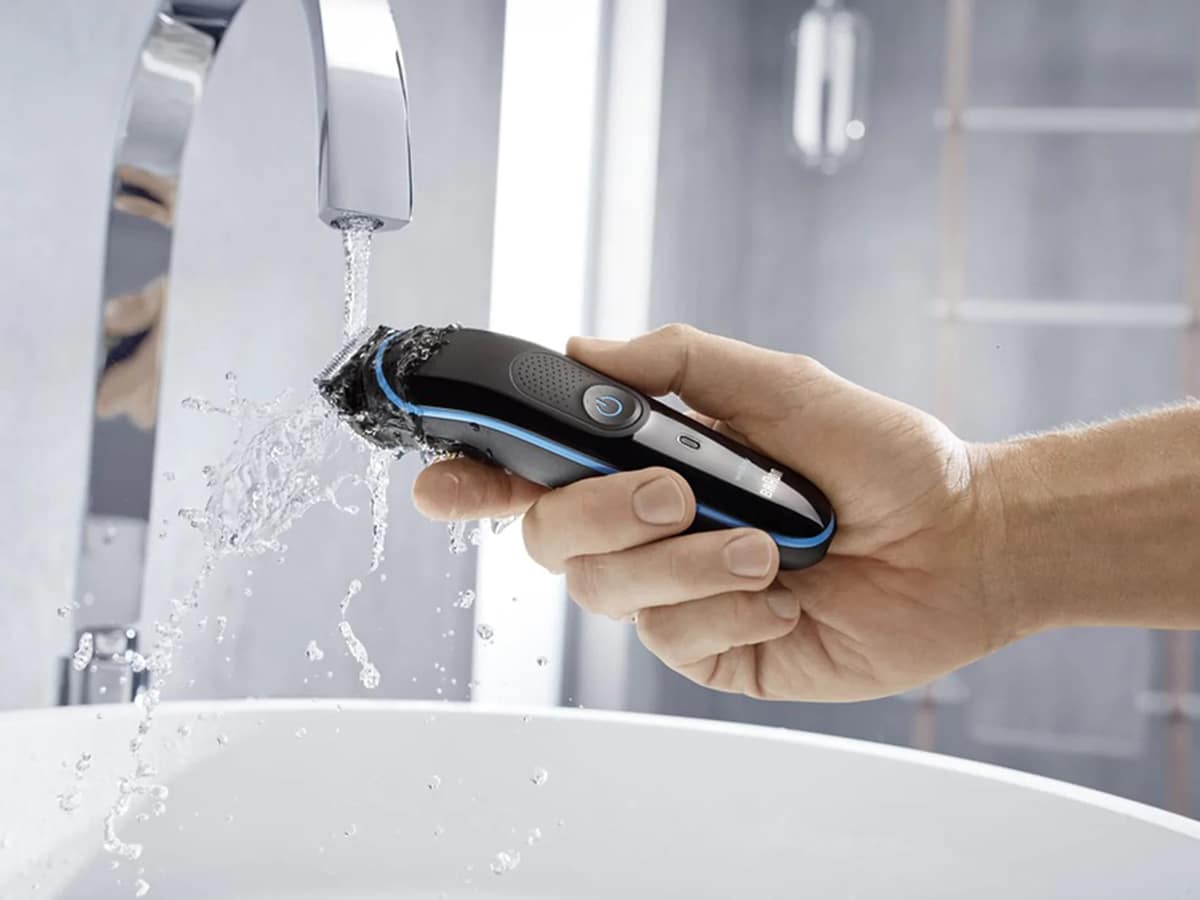
For most people maintaining a beard at home, an electric trimmer will do the majority of the work. Unlike traditional razors, beard trimmers are designed to control length rather than remove hair completely. Adjustable guards allow you to keep stubble at a few millimetres or maintain longer beard styles at a consistent length across the face.
Most barbers recommend starting with a slightly longer guard than you think you need, then gradually trimming down until the beard reaches the desired shape. This helps avoid accidentally removing too much length in one pass.
Electric trimmers are particularly useful for maintaining short styles like model stubble, short boxed beards or corporate beards, where even length is what keeps the beard looking clean rather than uneven. You can check out our guide to the best beard trimmers for a few top picks.
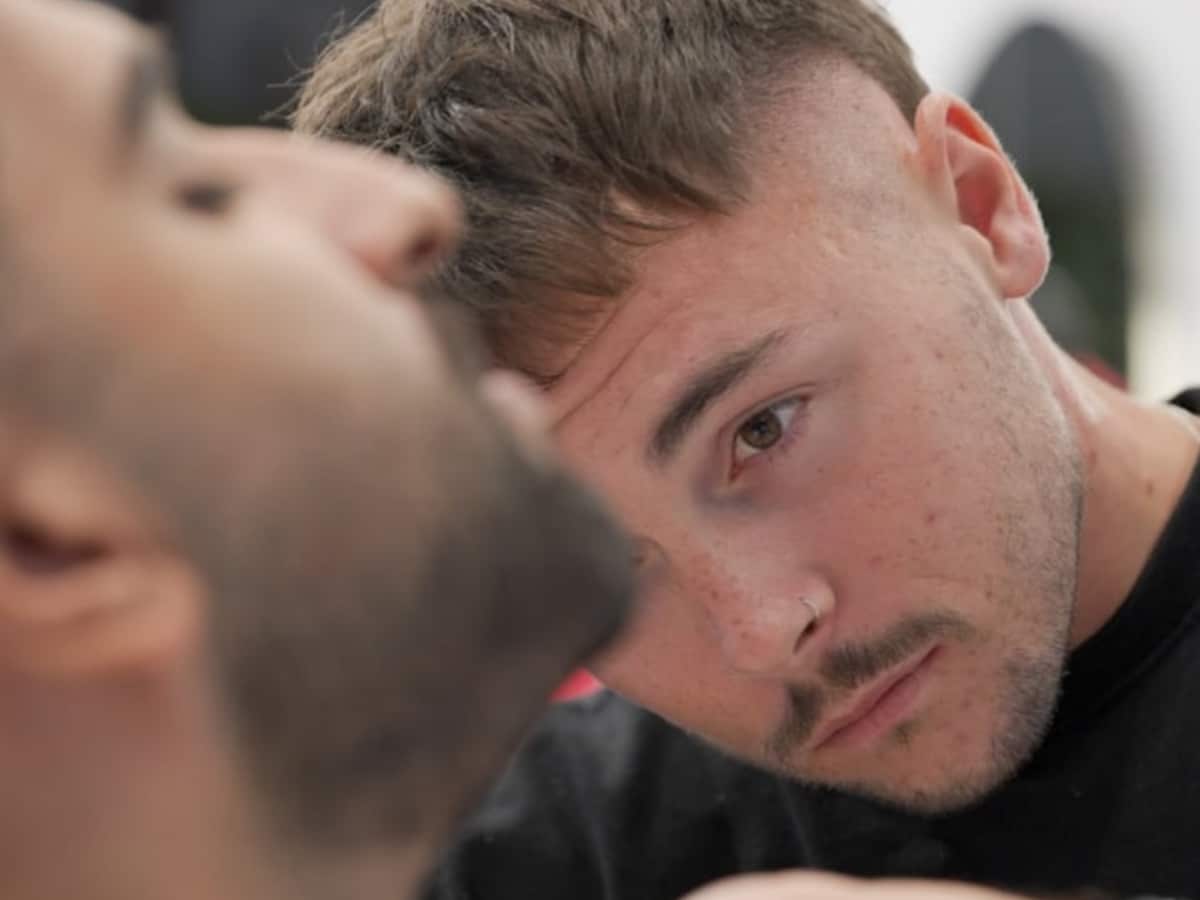
“Sharp edges make a thin beard look 10x thicker,” says Jimmy, which is why defining the outline properly often matters more than growing more hair.
Razor Blades and Edge Definition
While beard trimmers handle most of the bulk work, razor blades are what create truly clean edges. Barbers typically use a razor to sharpen the two key beard boundaries: the cheek line and the neckline. After trimming the beard to length, a blade removes stray hairs and creates a crisp outline, making the beard look clean and defined rather than overgrown.
For home grooming, many people use either a cartridge razor or a safety razor for this step. The key is to work slowly and follow the natural edge of your beard rather than trying to draw a new line too high on the cheeks or too low on the neck.
Shaving gel or a clear shaving cream can also help with precision, allowing you to see exactly where the beard line sits while you clean up the surrounding skin. Used correctly, a razor doesn’t reshape the beard itself. It simply sharpens the borders that define it.

Matching Your Beard to Your Haircut
Beards rarely exist in isolation. The way your hair is cut can dramatically change how a beard looks. A fade haircut, for example, often blends seamlessly into shorter styles like the Precise Fade Beard or Model Stubble, creating a clean transition from hair to facial hair. This kind of pairing tends to emphasise sharp lines and structure.
Longer hairstyles, on the other hand, usually work better with fuller beards, such as a Textured Full Beard or Garibaldi, where the added facial hair helps balance the volume on top.
“The beard and haircut should always work as one complete shape,” says Jacob. “The taper where the sideburn meets the beard is where the magic happens.” When the two work together, the overall look feels balanced.
If you’re considering a bigger style change, it can help to explore common haircut pairings in our guide to the Top 10 Men’s Haircuts with Beards. Understanding your overall facial structure can also make choosing both a haircut and beard much easier. Our Face Shape Hairstyle Guide breaks down how different styles work with different facial proportions.

Beard Styles FAQs
Surveys consistently rank heavy stubble, often called the three-day beard, as one of the most attractive options. It adds definition to the jawline while still showing the natural shape of the face. That said, attractiveness is subjective. Face shape, hair density and grooming habits all shape how a style actually looks.
For most men, a beard starts to take shape after three to four weeks. Reaching full coverage usually takes two to four months, depending on genetics and hair density. Longer styles like the Garibaldi or Viking beard can take several more months. The early stages often look uneven, so patience matters.
Short, structured beards work best in professional settings. Common choices include the short boxed beard, corporate beard, model stubble and designer stubble. These styles keep defined cheek and neckline edges, so the look stays deliberate rather than unkempt. Regular trimming every few days keeps everything sharp and office-friendly.
Men with patchy growth often do better with styles that focus hair around the mouth and chin rather than the cheeks. Good options include the sculpted goatee, extended goatee, Van Dyke and beardstache. These styles work with your natural growth pattern instead of trying to hide the gaps.














Comments
We love hearing from you. or to leave a comment.