

Updated:
Readtime: 5 min
Every product is carefully selected by our editors and experts. If you buy from a link, we may earn a commission. Learn more. For more information on how we test products, click here.
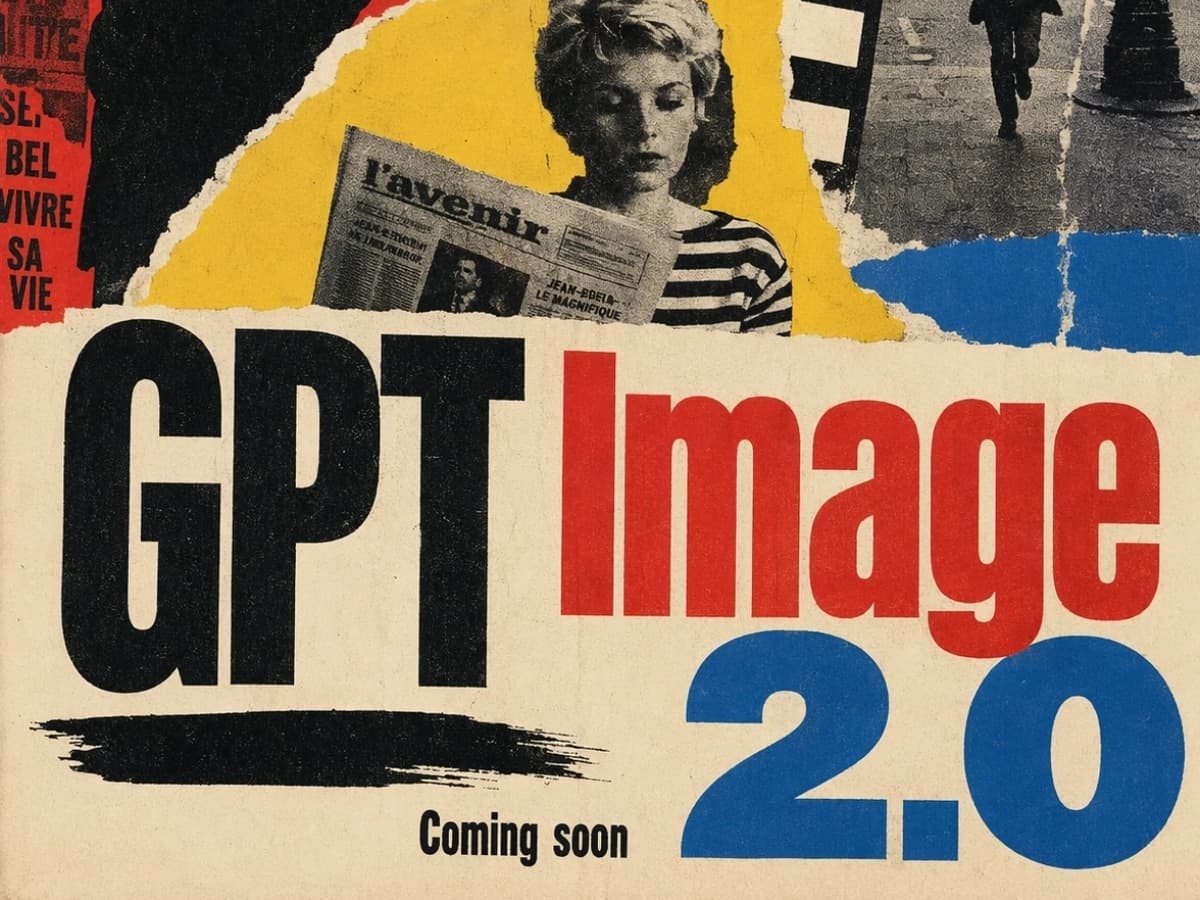
- OpenAI has launched ChatGPT Images 2.0, an upgraded image model focused on usability over gimmicks.
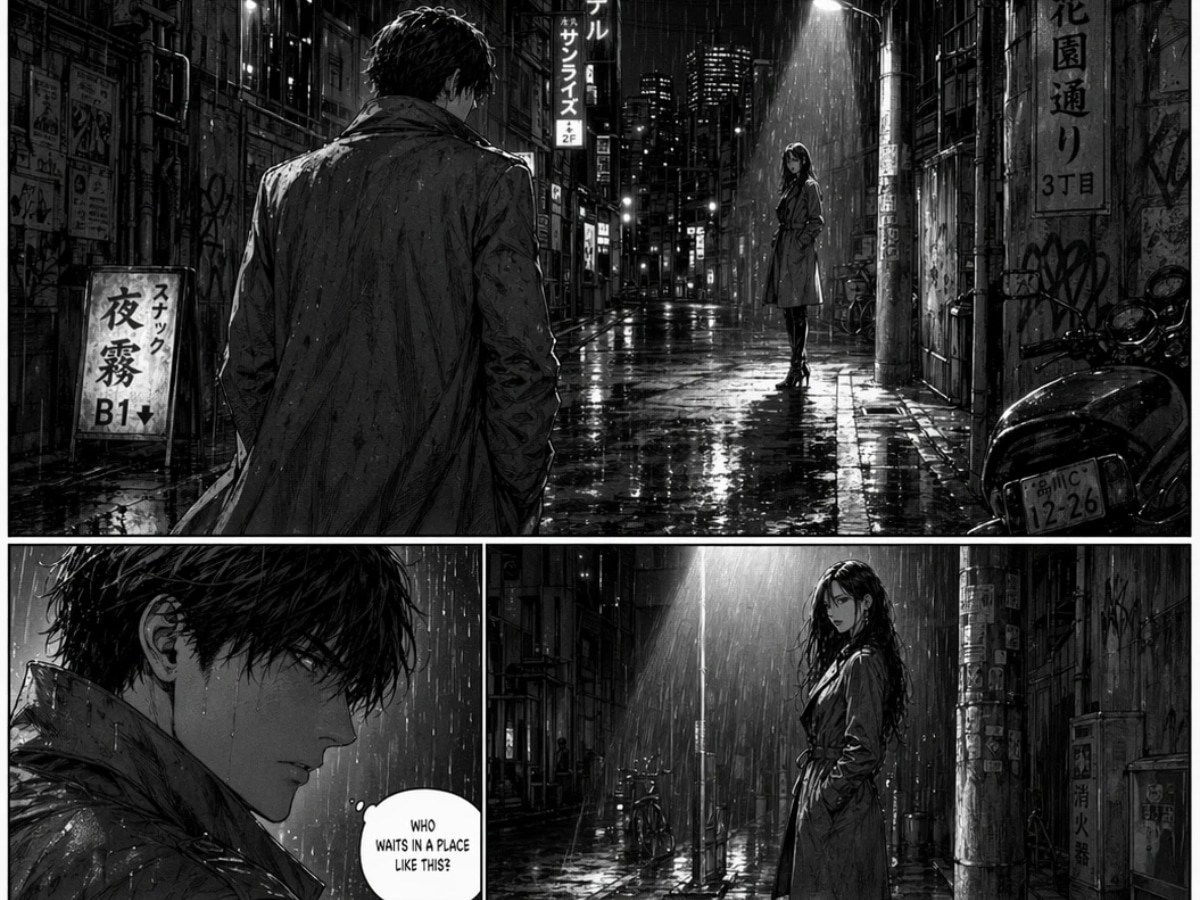
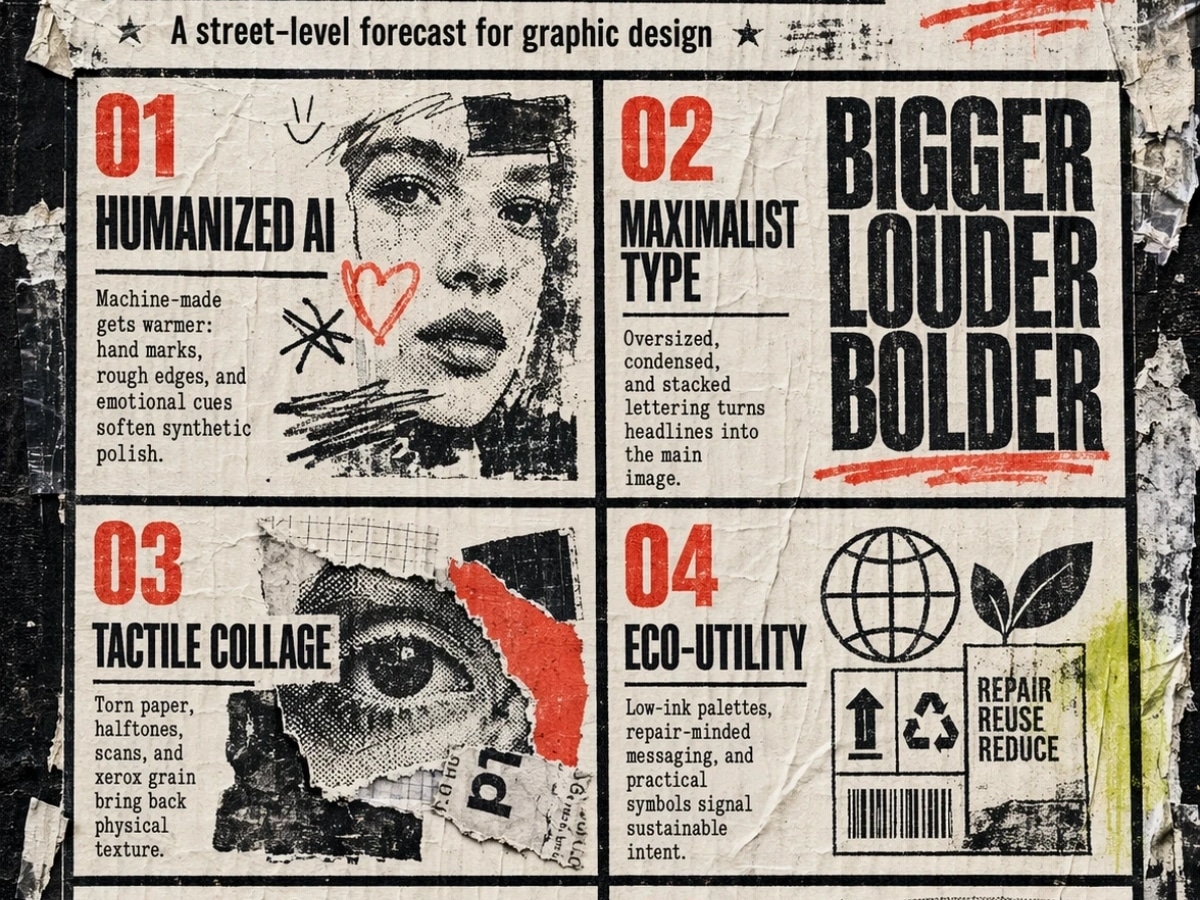
- Improvements include better text rendering, cleaner layouts, multilingual outputs, flexible aspect ratios, and multi-image generation.
- The launch suggests OpenAI is shifting AI image tools away from meme prompts and toward real workflows like brochures, guides, onboarding assets and marketing collateral.
- It also reopens the debate around AI replacing creative work vs helping with repetitive production tasks.
AI image tools are the internet’s cheapest party trick. Studio Ghibli-style selfies. Plastic action figure versions of yourself. Promotional graphics made by brands that absolutely could have paid an artist, but chose the faster option instead. The results can be strange, cheap-looking, or just hollow. Most of us just roll our eyes and keep scrolling. Yet they kept coming.
AI slop is now everywhere. It turns up in your social feed, in rushed local ads, in corporate marketing, and occasionally from billion-dollar companies that should know better.
Which is why OpenAI’s new ChatGPT Images 2.0 feels more ambitious than a standard product update. Rather than chasing another meme cycle, the company appears to be pushing image generation toward something more useful.
The Gimmick Phase Had a Shelf Life
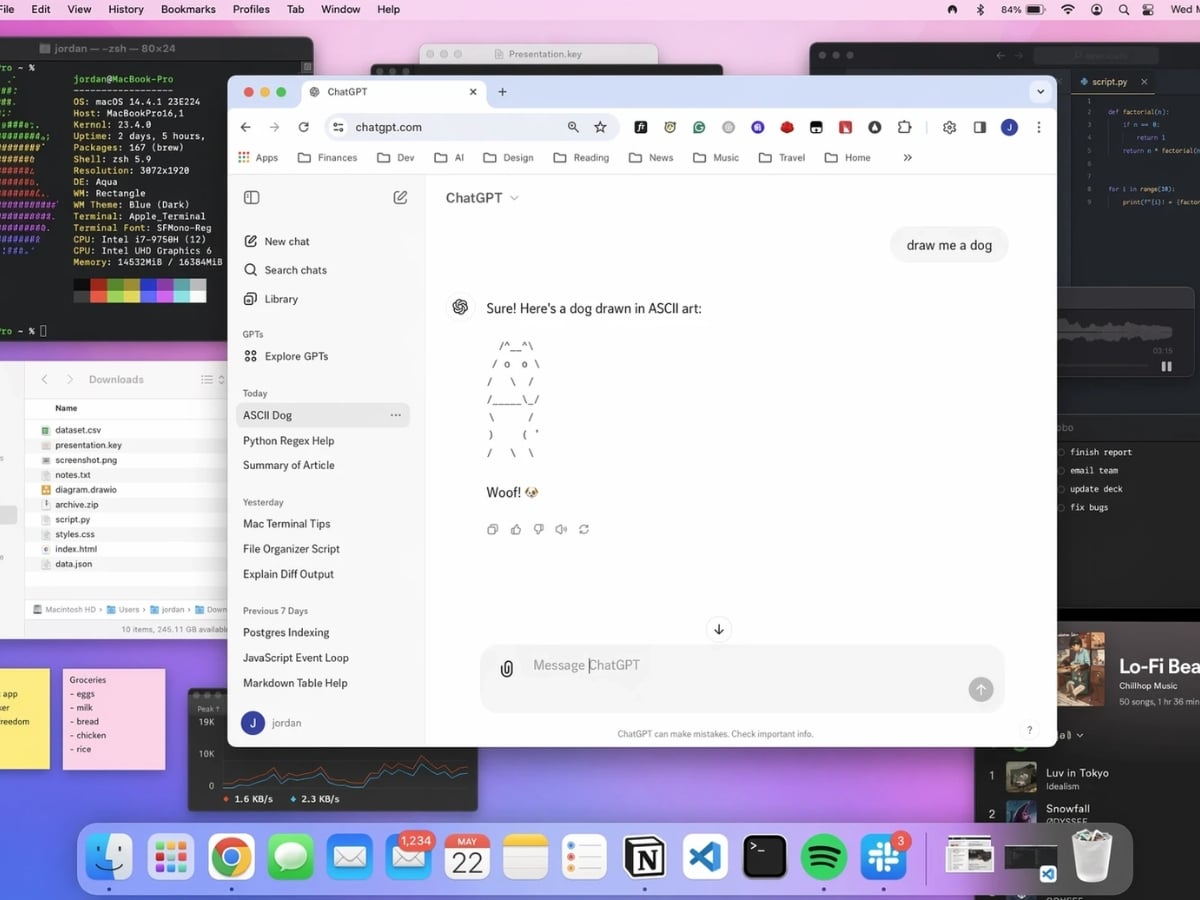
The first wave of AI image tools was built on spectacle. Type a prompt. Get a dragon in Times Square. Put yourself on the moon. Recreate a movie scene in LEGO. It was fun for a bit, and occasionally impressive (sometimes enough to win coveted art awards), but most of it had the lifespan of a novelty mug.
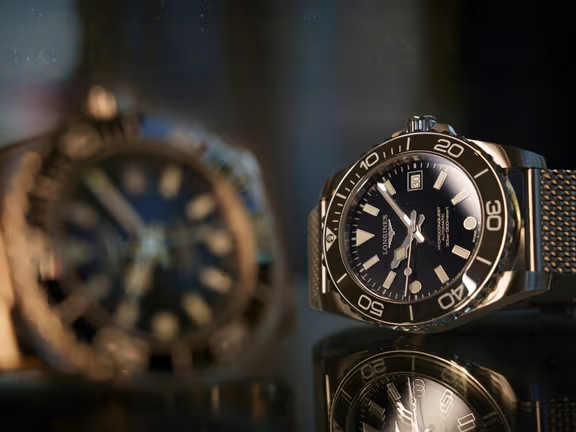
Then people tried using it for actual work. And the cracks began to show. Unreadable text. Collapsing layouts. Drifting faces. Mutated logos. Hands with too many fingers. Bodies folded in on each other.
That’s fine when it’s just a random image shared with your mates or something funny in your feed. But when you’re making client assets, event posters, onboarding guides, or public-facing campaigns, quality matters. And up until now, AI image generation has been pretty lacklustre.
What ChatGPT Images 2.0 Is Actually Trying to Fix
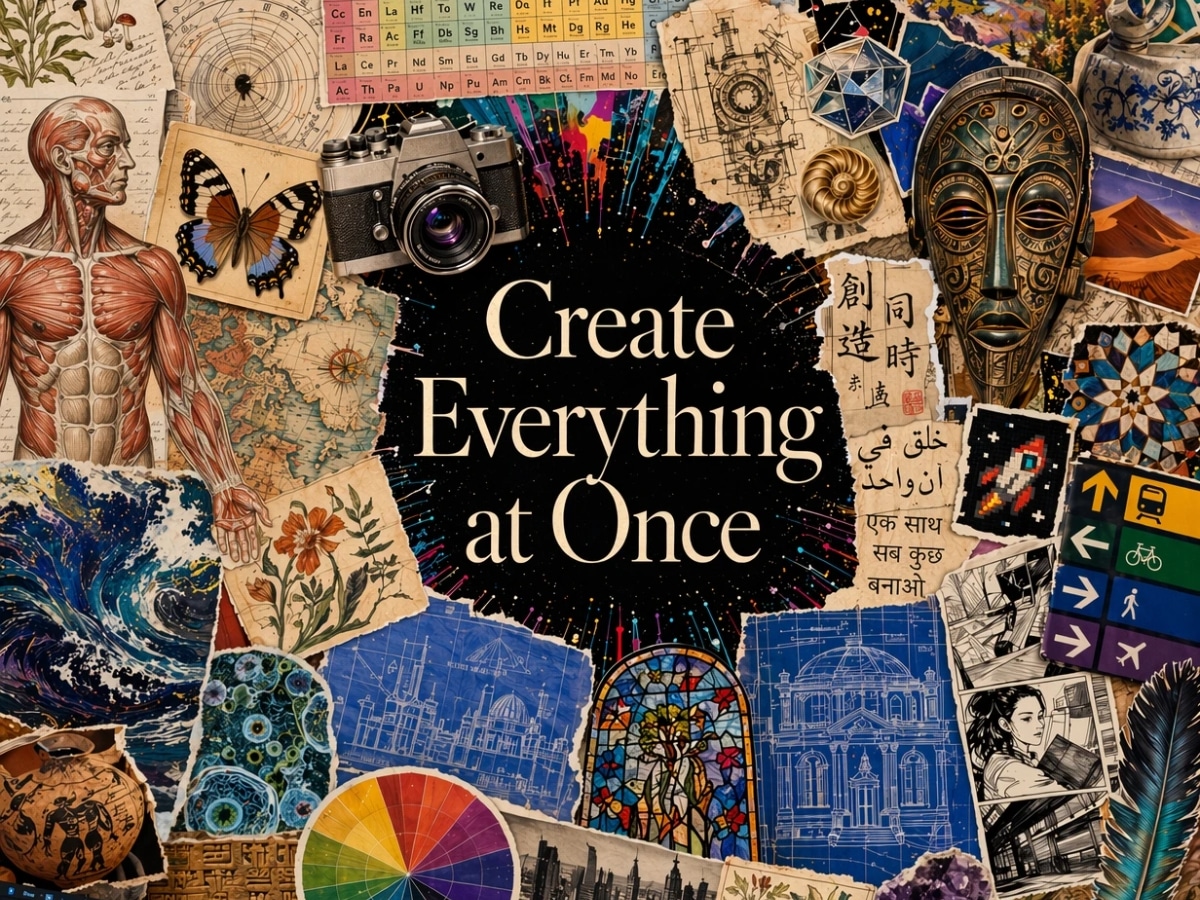
OpenAI says Images 2.0 improves:
- Text rendering
- Layout precision
- Object placement
- Multilingual outputs
- Aspect ratio flexibility
- Multi-image generation from one request
- Higher resolution outputs
Buried in that feature list is a simple admission from OpenAI: people don’t need more weird prompts. They need outputs they can actually use. Fewer AI-generated warrior kings with glowing eyes and more tools that can turn rough information into clean, readable and fit-for-purpose content.
From Prompts to Workflows
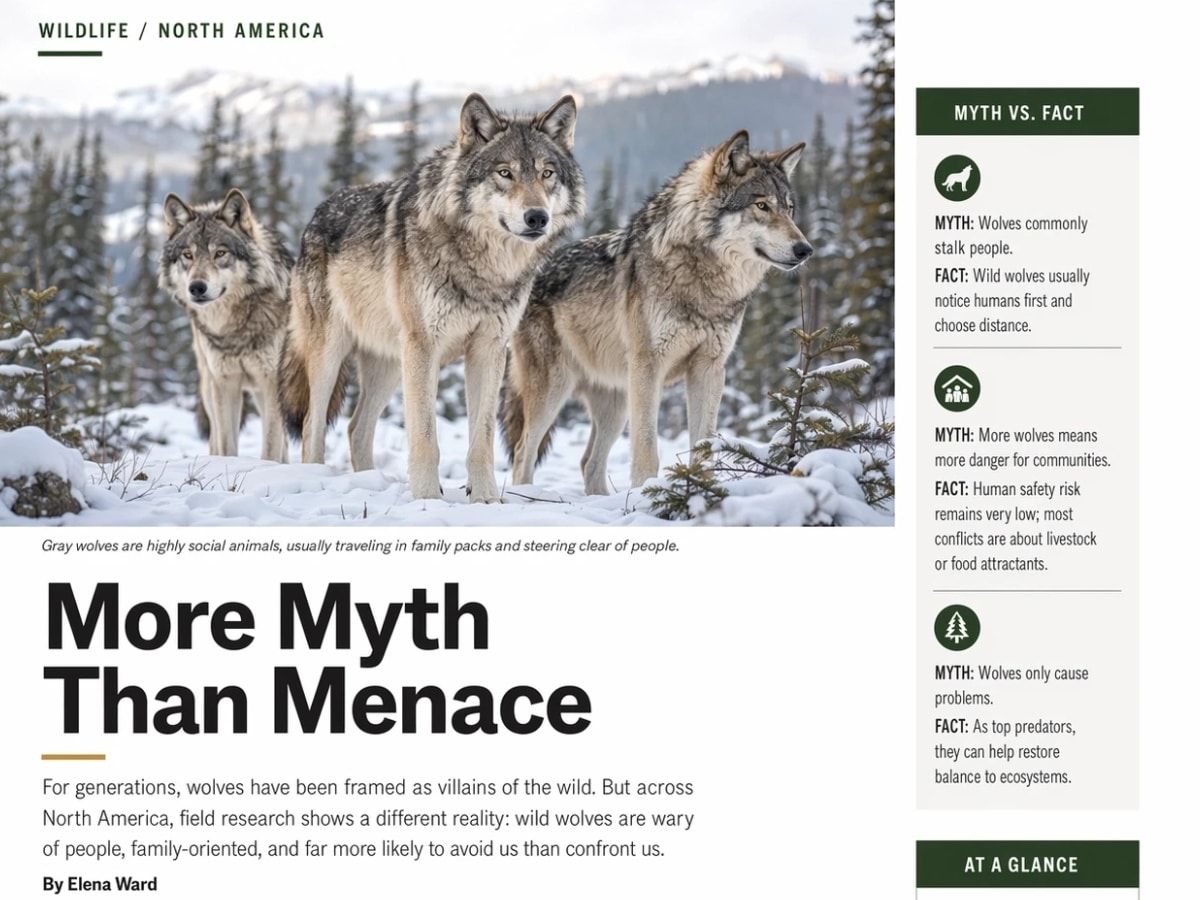
To achieve this, ChatGPT is shifting AI image generation from prompt tricks to workflows.
Anyone who’s worked in an office knows the format shuffle. Turn the deck into a brochure. Turn the report into onboarding material. Rework the guide so people actually read it. Take one idea and reshape it for three different audiences. That sort of work rarely gets celebrated, but it burns hours. It’s also not going to be solved with slop.
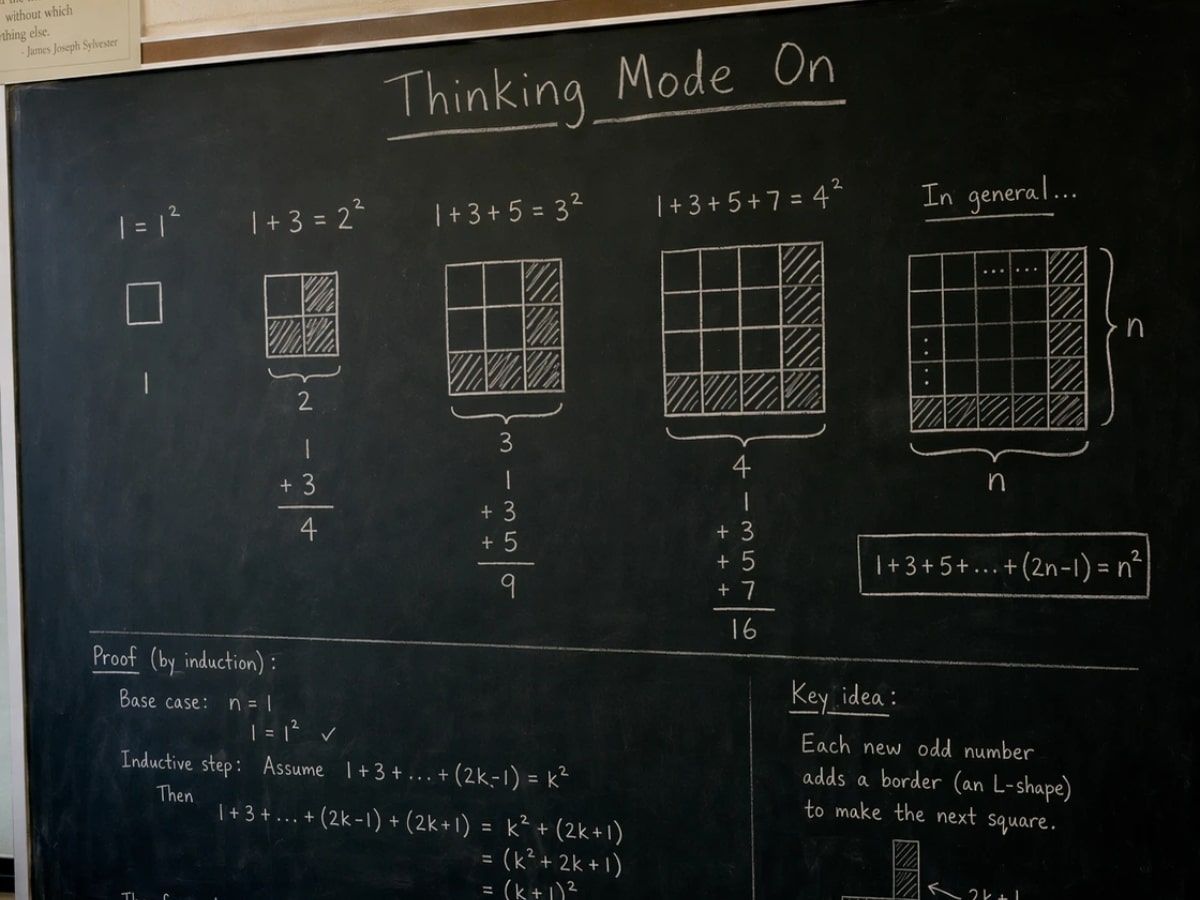
For Plus and Pro users, Images 2.0 can tap into ChatGPT’s “Thinking” tools, meaning it can research, reason through a prompt, and plan an image before generating it. The model can also generate multiple images in a single request while maintaining continuity across characters, objects or layouts, which is particularly useful if you’re creating content across different formats and channels, where consistency usually costs time but can be hard to replicate through multiple prompts.
Most AI image tools were built to grab attention. Images 2.0 is built to save you time.
ChatGPT Images Pricing and Availability
OpenAI is clearly steering its most practical tools toward paid users. Although ChatGPT Images 2.0 is available to all ChatGPT users, giving free users access to the base image experience. Advanced outputs with Thinking features are reserved for ChatGPT Plus, Pro, and Business users, where most of the productivity benefits are found.
In other words, broad access gets people in the door, but the most useful features are still where OpenAI expects users to pay.
The Creative Caveat Nobody Should Ignore
None of this changes the fact that some brands will still use AI to avoid paying artists. Some feeds will still fill with cheap content. Some businesses will choose it because it’s cheaper, not because it’s better.
But using AI to replace creative judgement is different to using it to remove repetitive production work. One cuts value. The other can free up time for it. Like any tool, it’s how you use it that matters.
Because while the first era of AI images proved the machine could make pictures, the next wave will be about whether they save more time than they waste.









Comments
We love hearing from you. or to leave a comment.