

Updated:
Readtime: 4 min
Every product is carefully selected by our editors and experts. If you buy from a link, we may earn a commission. Learn more. For more information on how we test products, click here.
- Matthew McConaughey trademarked “alright, alright, alright” to combat unauthorised AI clones.
- This first-of-its-kind sound mark protects his unique pitch and vocal cadence.
- He secured eight trademarks, including specific audio and video clips of himself.
- The move establishes a legal perimeter for consent and attribution in AI.
- McConaughey remains pro-technology, partnering with ElevenLabs for authorised AI voice use.
Some movie lines fade into trivia, but others hard-wire themselves into the zeitgeist. Matthew McConaughey’s “alright, alright, alright” most certainly did the latter. While it’s seldom used, think about the times that you’ve pulled it out, and you’ll realise that you didn’t just quote it, you performed it. This is exactly why McConaughey has now trademarked it, to prevent you and pesky AI voice models from training themselves on it.
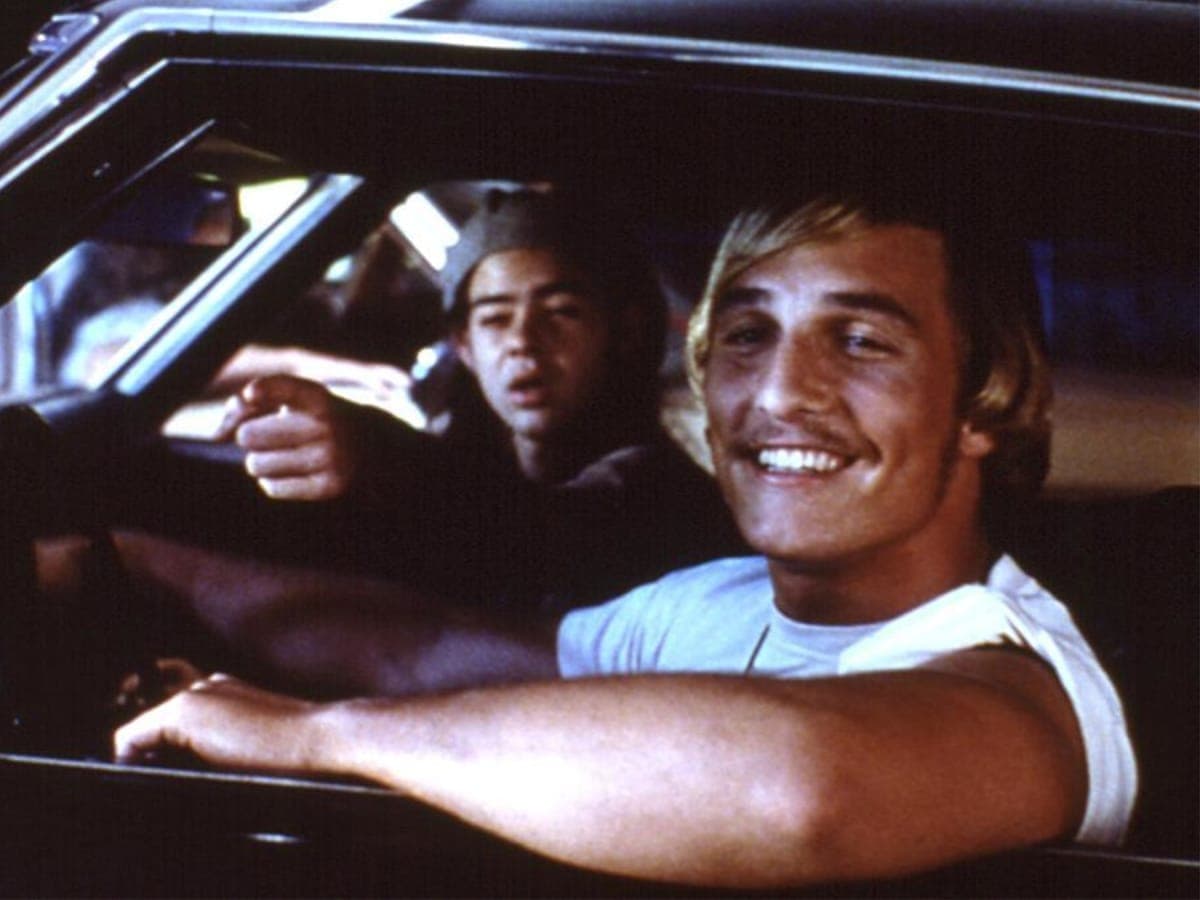
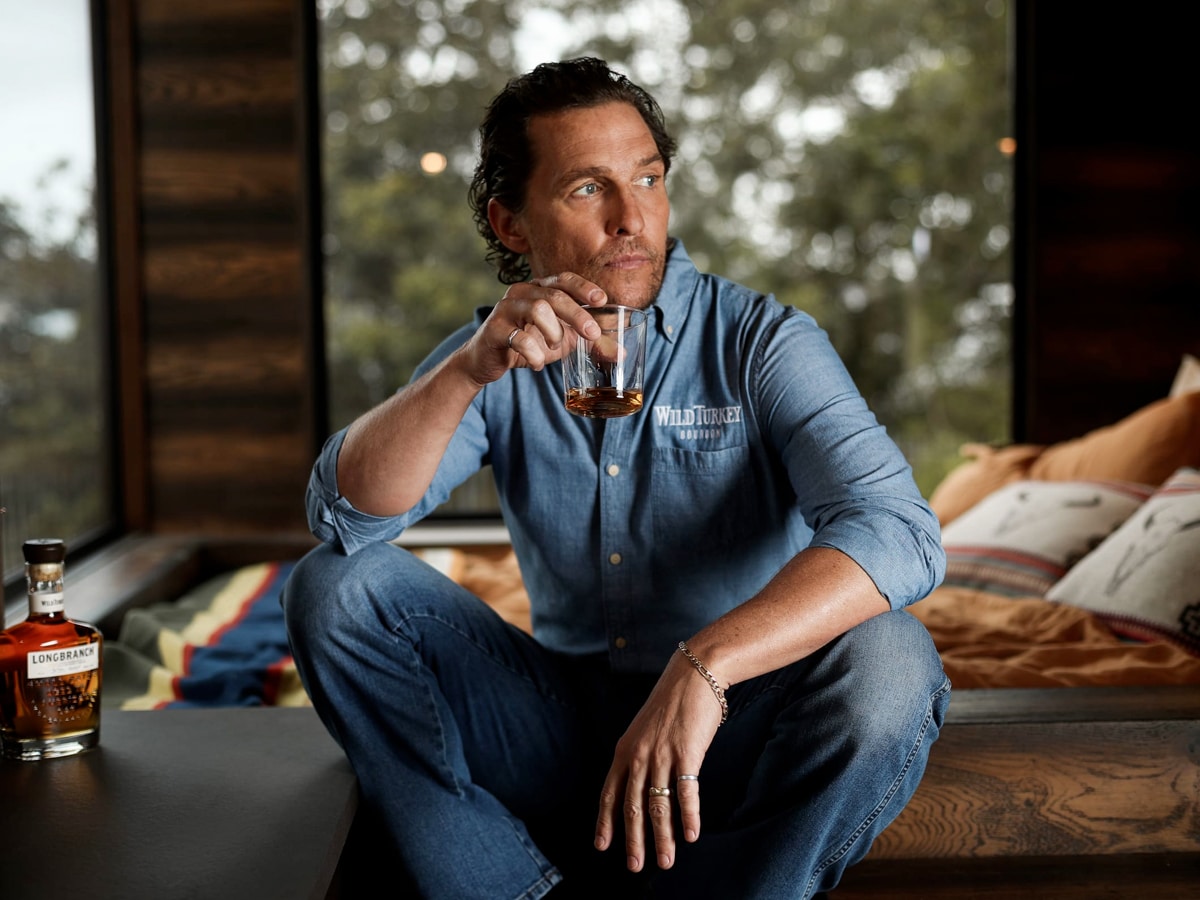
The story was first reported by The Wall Street Journal and explains how Matthew McConaughey has secured eight trademarks covering short video and audio clips, including his most famous phrase from Dazed and Confused. He didn’t do it to slap on novelty mugs in Texas convenience stores or throwback merchandise. Heck, he didn’t even do it to promote his Longbranch Bourbon. It’s for something far more current and concerning. He did so to leverage against AI systems that can now convincingly recreate his voice, cadence, and likeness without permission.
He filed the trademarks more than two years ago, and they were approved in December 2025. “Alright, alright, alright” is now a legally protected sound mark.
It’s the First Trademark of Its Kind
It’s the first time the US Patent and Trademark Office has granted protection to a single spoken phrase delivered with a very specific pitch pattern. In other words, it’s not just what he says that’s protected, it’s how he says it.
The remaining protections cover short, instantly recognisable moments. There’s a seven-second clip of McConaughey standing on a porch, a brief monologue delivered in front of a Christmas tree, and audio of his laid-back personal mantra, “just keep livin’, right?” Together, they form a legal perimeter around the McConaughey cues people recognise before they even consciously register who they’re looking at.
Trademarks give McConaughey a cleaner path to federal court if someone tries to monetise a synthetic version of him without asking first. Fame, it turns out, now needs terms and conditions.
Why The Timing Was Right to File the Trademark
The timing matters. Even here in Australia, the government is in the middle of rolling out its National AI Plan, aimed at setting guardrails for how artificial intelligence is developed and deployed locally.
It’s early days, but the direction has been set on consent, attribution, and accountability, which are all about to matter a lot more than they used to. With that said, McConaughey’s move feels less like a Hollywood stunt and more like a preview of where this is heading. What you might not expect to learn is that he isn’t actually anti-AI. He’s already partnered with ElevenLabs to produce a Spanish-language version of his Lyrics of Livin’ newsletter using an authorised version of his own voice.
When a three-word line from a 1993 stoner comedy needs legal protection in 2026, that’s not precious. That’s reality catching up. And if even “alright, alright, alright” requires fine print, you have to wonder which other iconic performances are next. There’s at least one chest beat that comes to mind.













Comments
We love hearing from you. or to leave a comment.