

Updated:
Readtime: 5 min
Every product is carefully selected by our editors and experts. If you buy from a link, we may earn a commission. Learn more. For more information on how we test products, click here.
- The 5% EU import tariff has been axed.
- The 33% Luxury Car Tax still applies to petrol vehicles.
- The increased $120,000 LCT threshold makes premium EVs the undisputed winners.
- Incoming NVES emissions fines will wipe out any petrol showroom savings from tariffs.
The government has announced changes to the Luxury Car Tax (LCT) today, following the signing of a new Australia–Europe Free Trade Agreement by Prime Minister Anthony Albanese. Now, 98 per cent of Australia’s exports enter the European Union duty-free, but the Europeans wanted something in return. As their new-car market struggles amid increased competition from China, the LCT and import tariffs were among the main negotiating tactics.
“Australia’s relationship with the European Union continues to go from strength to strength,” Prime Minister Anthony Albanese said of the landmark deal, which concludes almost eight years of negotiations. “I am proud that we have been able to secure this deal, which will deliver benefits for both Australia and the European Union for generations to come. This deal creates major new opportunities for Australian exporters in the European Union’s massive $30 trillion economy, and will reduce costs for Australian consumers.”
While the media release from the Prime Minister of Australia’s office states that “Farmers and businesses will also benefit from cheaper motor vehicles and machinery,” that’s only half of the story.
Luxury Car Tax is Still in Place, Except for Expensive EVs
It’s true that the agreement has removed the 5% import tariff on European-sourced vehicles, meaning businesses and tradies buying European-made commercial vehicles (like vans or utes) will no longer pay this premium, bringing them in line with vehicles imported from existing free-trade partners like Thailand and Japan.
However, the Luxury Car Tax remains in place for European vehicles priced above $80,567. The only change made to the LCT is the new higher threshold of AUD$120,000 for zero-emissions vehicles.
Federal Chamber of Automotive Industries (FCAI) chief executive Tony Weber welcomed the tariff cut but slammed the lingering LCT. “The removal of the tariff is a positive outcome for Australian consumers and brings European vehicles in line with those imported from other major markets such as China, Japan, Korea and Thailand,” Mr Weber said.
“The change to the Luxury Car Tax is incremental and leaves in place an outdated measure that no longer reflects the structure of the Australian automotive market. “Luxury car taxes were first introduced in Australia nearly 40 years ago to protect a domestic manufacturing industry which no longer exists. It serves no clear purpose other than raising revenue and continues to impose unnecessary costs on consumers.”
The controversial tax ultimately survived the Free Trade Agreement because it generates a massive $1.1 billion for the Federal Government every single year. Removing it entirely would have blown a hole in the budget, so the government opted for a “green” concession instead.
NVES Could Negate Savings for Petrol and Diesel Vehicles
While the removal of the 5% tariff will bring immediate savings to European brands – allowing them to be more competitive in a cut-price market – the benefit to consumers will be short-lived.
The Albanese Government’s New Vehicle Efficiency Standard (NVES) Act is now in place, but it won’t start wreaking havoc on the new vehicle market until 2028, when manufacturers of traditional petrol and diesel cars will face fines of millions of dollars. These penalties will almost certainly be passed on to consumers and could easily outweigh the savings from removing the import tariff.
We’ve written a few thousand words about the brands that are starting down the barrel of millions of dollars in fines under the new NVES rules, but we’ll explain it briefly for context.
Under the NVES, carmakers face hefty financial penalties (up to $100 per gram of CO2 over their fleet target) for selling high-emitting vehicles. These targets are tightening significantly in 2028, when cars like the Toyota Yaris Hybrid (~76 g/km) and Suzuki Swift Hybrid (~85 g/km) would face significant penalties if their respective brands can’t balance their sales with zero-emission EVs and PHEVs. The targets drop from 117 g/km in 2026 to just 68 g/km in 2028 and 58 g/km in 2029.
EVs are the Only Beneficiaries of LCT Changes
Under the NVES, zero-emission and highly efficient vehicles avoid penalties and generate credits that manufacturers can sell to other brands. These same zero-emission vehicles are the only beneficiaries of the new Luxury Car Tax (LCT) changes that were announced today.
The A-EU FTA introduces a brand-new Luxury Car Tax category specifically for zero-emissions vehicles (ZEVs), raising the threshold from $91,387 to $120,000.
It’s a triple-dip for European EVs:
- 0% Import Tariff (A-EU FTA)
- $120,000 LCT Threshold (A-EU FTA “Green” pivot)
- NVES Credits (The car helps the brand avoid millions in government fines)
The good news is that European brands (like Volkswagen, BMW, and Mercedes) have deep EV portfolios, and they’re now at least heavily incentivised to pass these savings on to buyers to get more EVs on Australian roads and offset their petrol fleet.
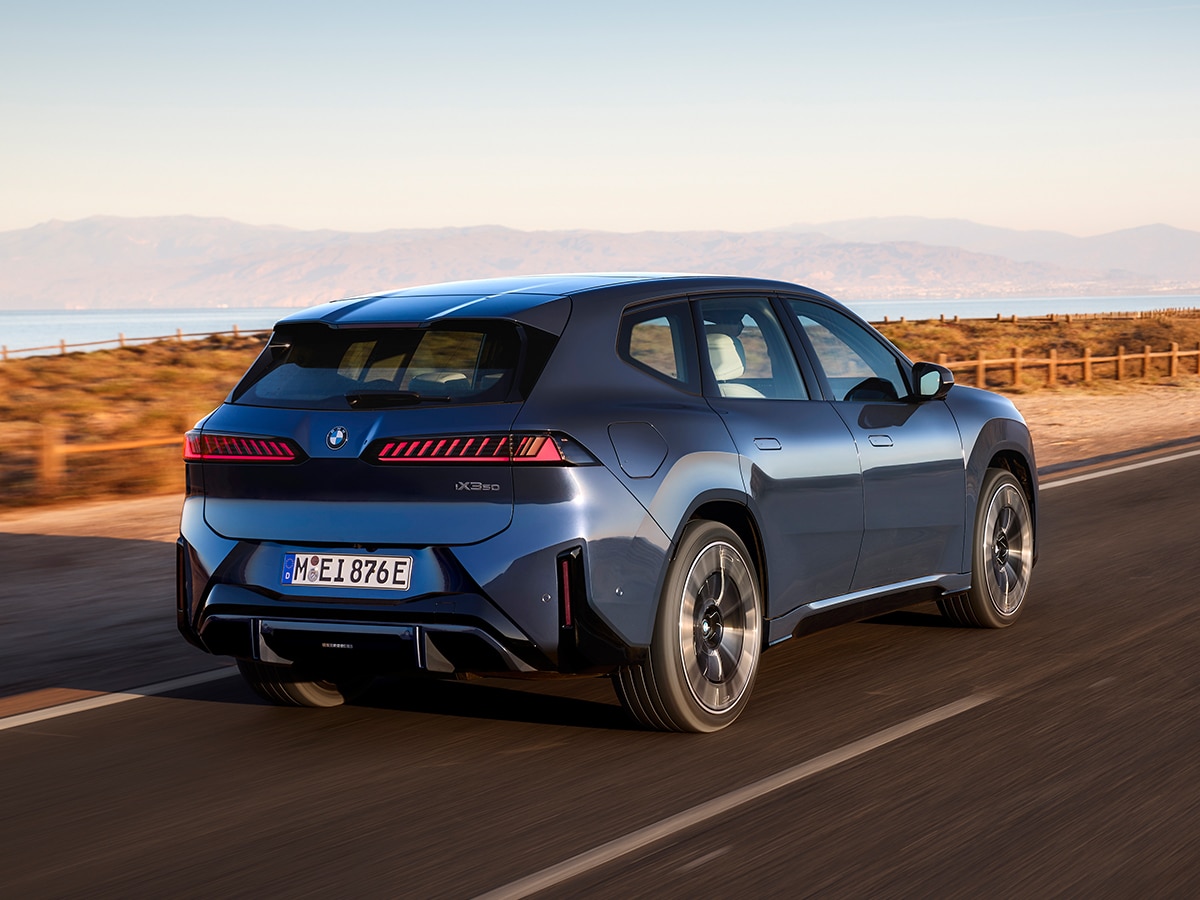
BMW recently announced its new fully electric iX3 50 xDrive, priced at $109,900 before on-road costs. Under the old rules, that price tag included a hit from the Luxury Car Tax. But because the new EU Free Trade Agreement lifts the EV threshold to $120,000, this premium European SUV now completely dodges the 33% LCT penalty (which is likely why BMW priced it this way in the first place). Meanwhile, a petrol SUV at the exact same price point will still get slapped with thousands of dollars in taxes.
Ultimately, it’s the consumers who want to get their hands on the latest luxury EVs will be the biggest winners in the new FTA. Now, we wait for the changes to be introduced.




















Comments
We love hearing from you. or to leave a comment.