


Updated:
Readtime: 7 min
Every product is carefully selected by our editors and experts. If you buy from a link, we may earn a commission. Learn more. For more information on how we test products, click here.
The global shift toward vehicle electrification has continued to find resistance from heritage sports-car manufacturers. They’ve done the right thing and navigated the changing market by creating some of the best EVs money can buy, but buyers haven’t responded, and there’s a growing sentiment that EVs have diminishing returns at the premium end of the market.
No one has felt the brunt of that more than Porsche, and at the brand’s annual general meeting, it made a major call, explicitly stating that the foundational 911 model line will forgo a pure battery-electric transition as part of its Strategy 2035.
It’s an announcement that comes just in the nick of time, as the brand experienced a catastrophic financial period that resulted in a 98 per cent plunge in operating profit and a multi-billion-dollar hit to its bottom line. Porsche quickly enacted a sweeping management realignment to stabilise its operations. Dr Michael Leiters officially assumed the role of chief executive officer on 1 January 2026, inheriting the mandate to steer the brand out of a strategic crisis stemming from overly aggressive electric-vehicle sales targets and a severe sales contraction in China.
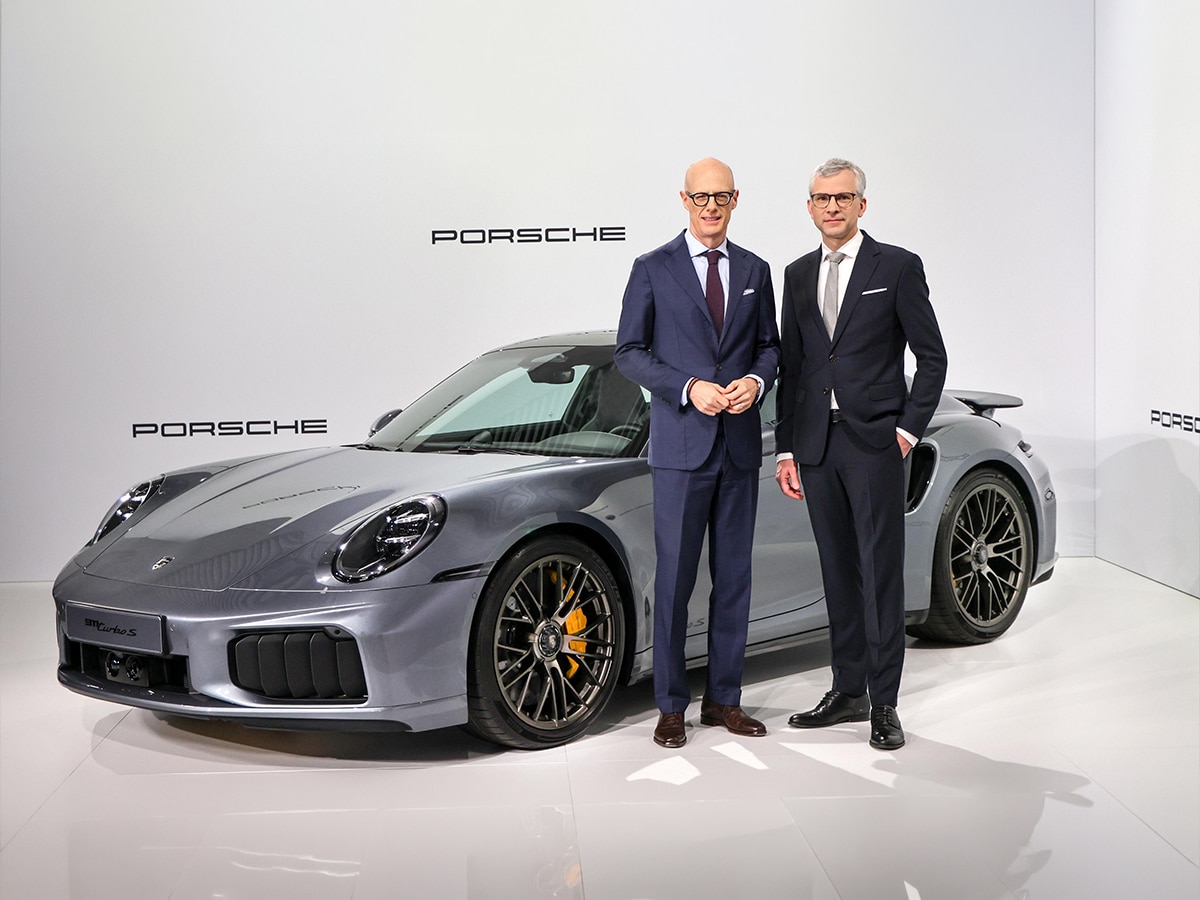
Porsche’s Serious Financial Crisis
While automotive purists will celebrate the news that the 911 will remain powered by internal combustion, the strategic pivot was dictated entirely by tough fiscal realities. Porsche’s 2025 financial report revealed the staggering toll of prioritising volume over brand exclusivity. Group sales revenue declined from €40.08 billion (approx. AUD$66.53 billion) to €36.27 billion (approx. AUD$60.21 billion), while global customer deliveries dropped 10.1 per cent to 279,449 vehicles. More alarming was the collapse of Porsche’s operating profit, which plummeted from €5.64 billion (approx. AUD$9.31 billion) in 2024 to just €413 million (approx. AUD$681.45 million) in 2025.
| Porsche AG Group | FY 2025 | FY 2024 | Change |
|---|---|---|---|
| Sales revenue | €36.27 billion | €40.08 billion | -9.5% |
| Operating profit | €0.41 billion | €5.64 billion | -92.7% |
| Operating return on sales | 1.1% | 14.1% | |
| Deliveries to customers | 279,449 | 310,718 | -10.1% |
What stands out to us is that Porsche’s actual share of battery-electric vehicle sales (BEV share) rose to 22.2 per cent. Yet, this artificial push to meet electrification mandates came at an extraordinary cost. Zuffenhausen was forced to swallow massive balance sheet write-downs, including:
- €2.4 billion (approx. AUD$3.98 billion) spent to downsize and recalibrate operations.
- €700 million (approx. AUD$1.16 billion) in direct expenses related to battery development overruns.
- €700 million (approx. AUD$1.16 billion) hit from ongoing US trade barriers.
Faced with intense price wars in China and diminishing luxury margins, CEO Dr Michael Leiters used the internal financial crisis to enforce an immediate cultural and operational shift. Dubbed the “Value over Volume” principle, the new strategy targets structure over raw production numbers.
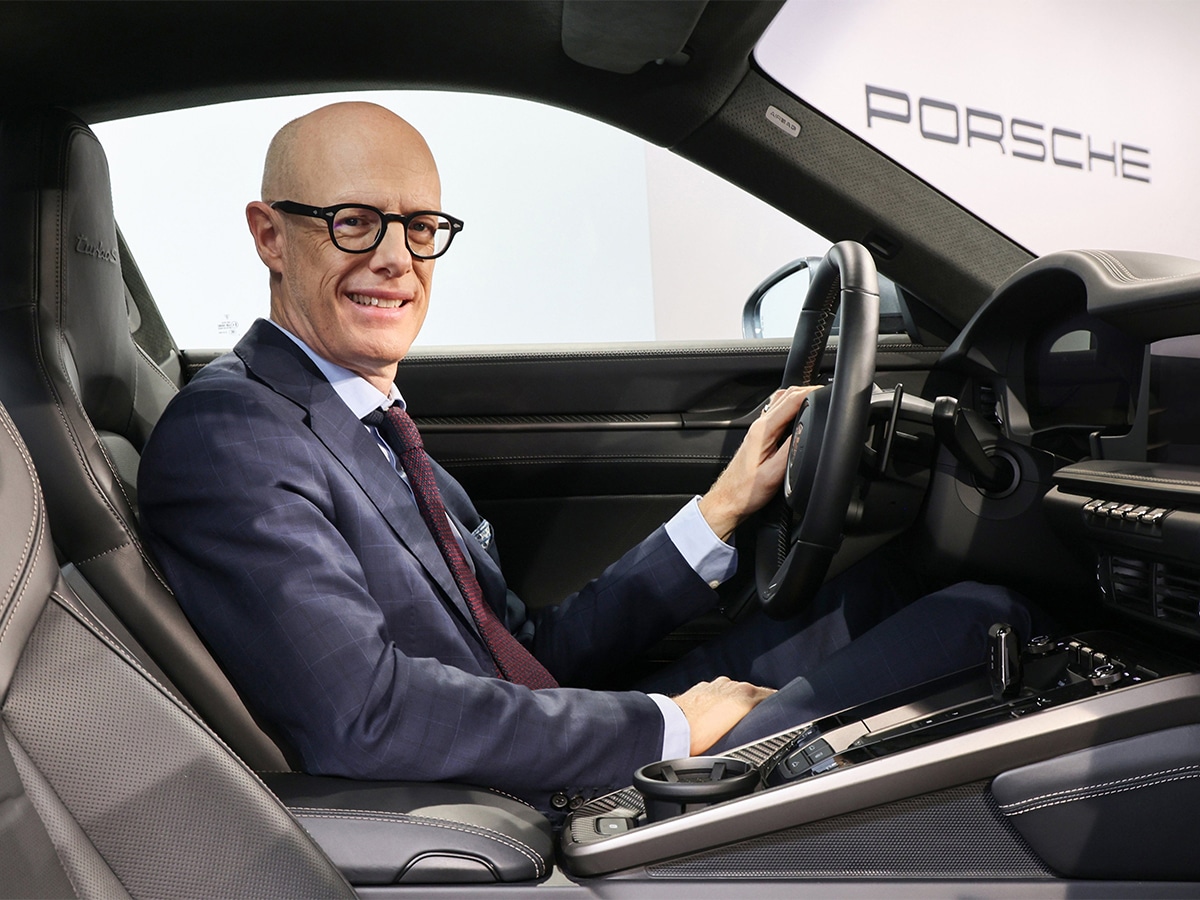
How Dr. Michael Leiters Plans to Enforce Value Over Volume
“Since I took office, our management team has systematically analysed the situation and begun a series of initial targeted measures,” Leiters stated at the brand’s annual press conference back in March. “We will streamline our management structure, reduce hierarchies and cut back on bureaucracy. We are using the current challenges as an opportunity to act even more decisively. We will comprehensively reposition Porsche, make the company leaner, faster, and the products even more desirable.”
Leiters is untethering Porsche’s identity from specific drivetrain mandates imposed by previous management. “The name Porsche stands for the technical excellence of a sports car manufacturer,” Leiters emphasised. “We stand for uncompromisingly good sports cars that you want to drive yourself, that are fun, that convey performance and passion. And all this regardless of the type of powertrain.”
Now, in his latest interview with German automotive publication Auto Motor und Sport, Leiters shared some more depth to that powertrain discussion by drawing an unyielding line in the sand for the brand’s flagship sports car. “We will continue to invest in electric mobility, but a 911 will not become electric,” he said. “Its future viability must be ensured through combustion engines and hybrid technology.”
He also added a remarkably candid admission during that same interview, conceding that the original Taycan EV rollout had likely been rushed to market too soon, before global infrastructure and consumer appetite were fully mature. “Porsche remains open to all technologies,” Leiters admitted. “Porsche was a pioneer in e-mobility, the Taycan was a flagship project and an outstanding product, but the timing wasn’t ideal. We were apparently too fast with e-mobility.” This structural over-eagerness explains why the company is now proceeding with strategic caution.
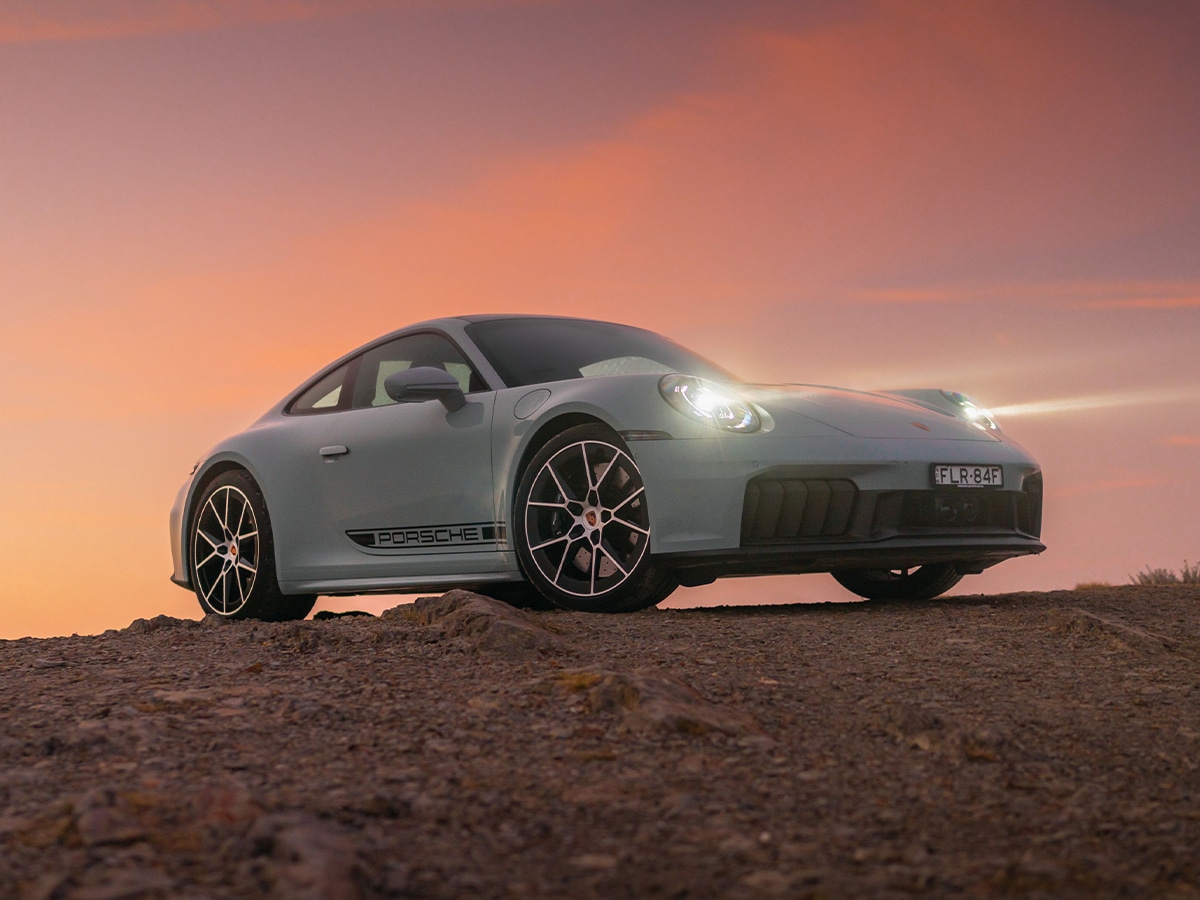
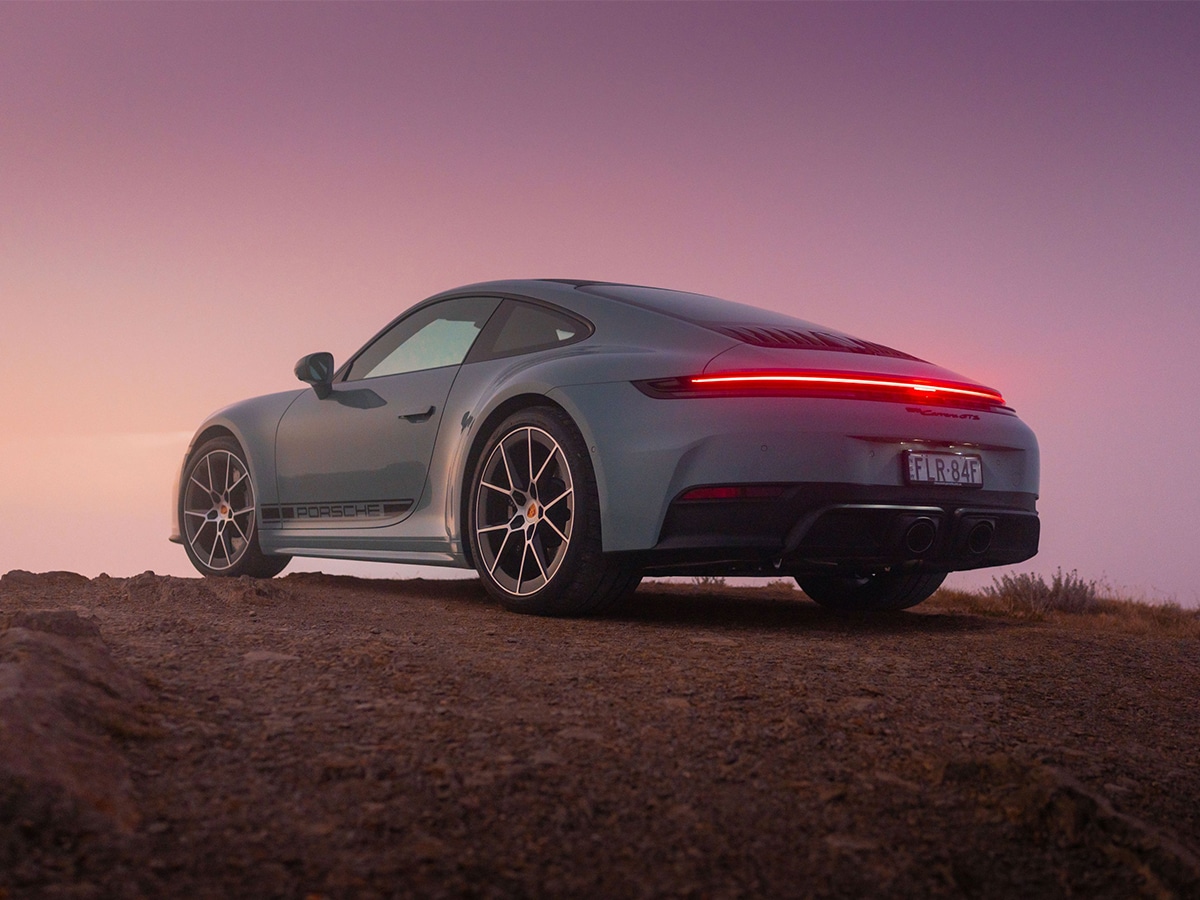
T-Hybrid System as the 911’s ‘Elixir of Life’
Rather than treating hybrid technology as a temporary compromise or a regulatory stopgap on the road to full electrification, Strategy 2035 repositions performance hybrids as the permanent saviour of the internal combustion engine.
“The hybrid drive system is not seen as a bridging technology,” Leiters clarified during the Annual General Meeting. “For the 911, the specially developed performance hybrid powertrain is a fundamental building block, a sort of elixir of life for the future. Because there will never be a fully electric 911. We stand by that. The 911 will be the only Porsche without an EV counterpart.”
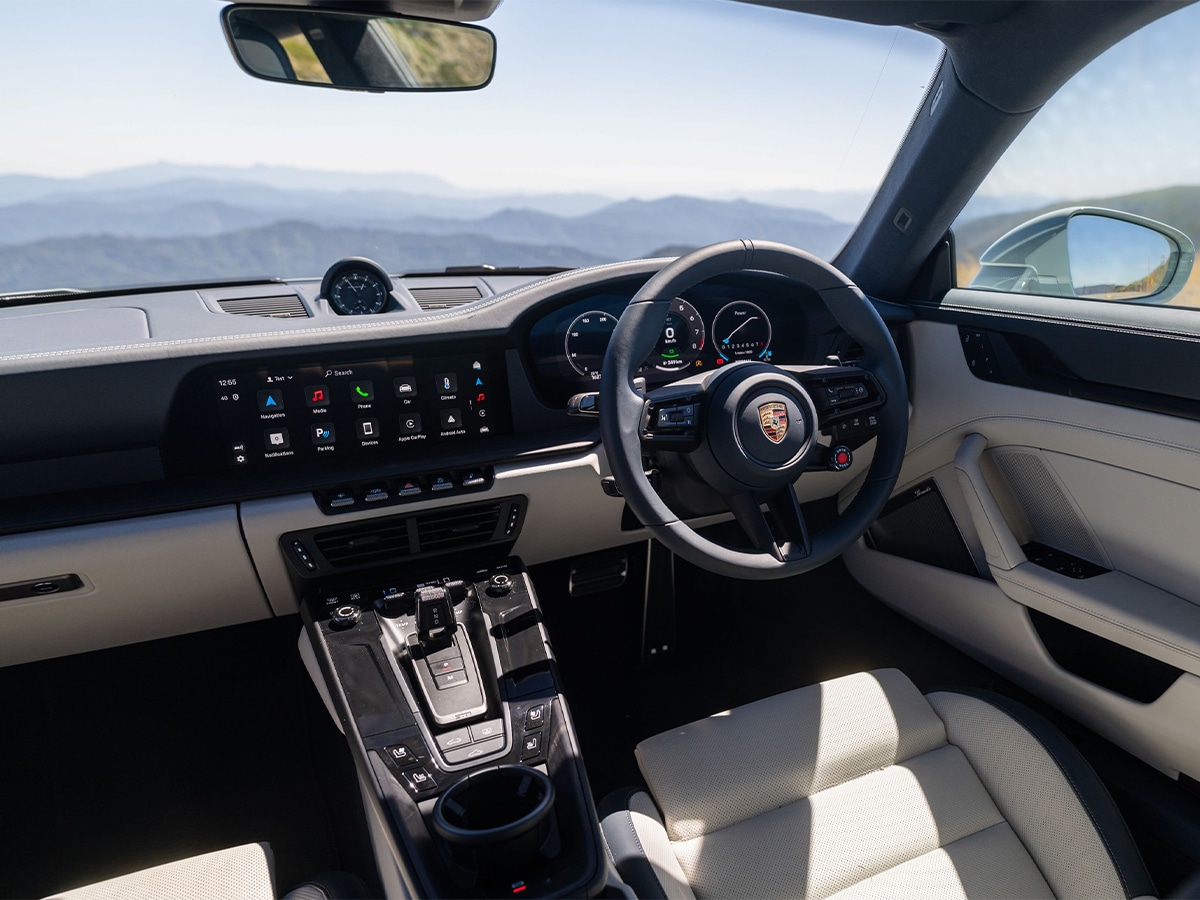
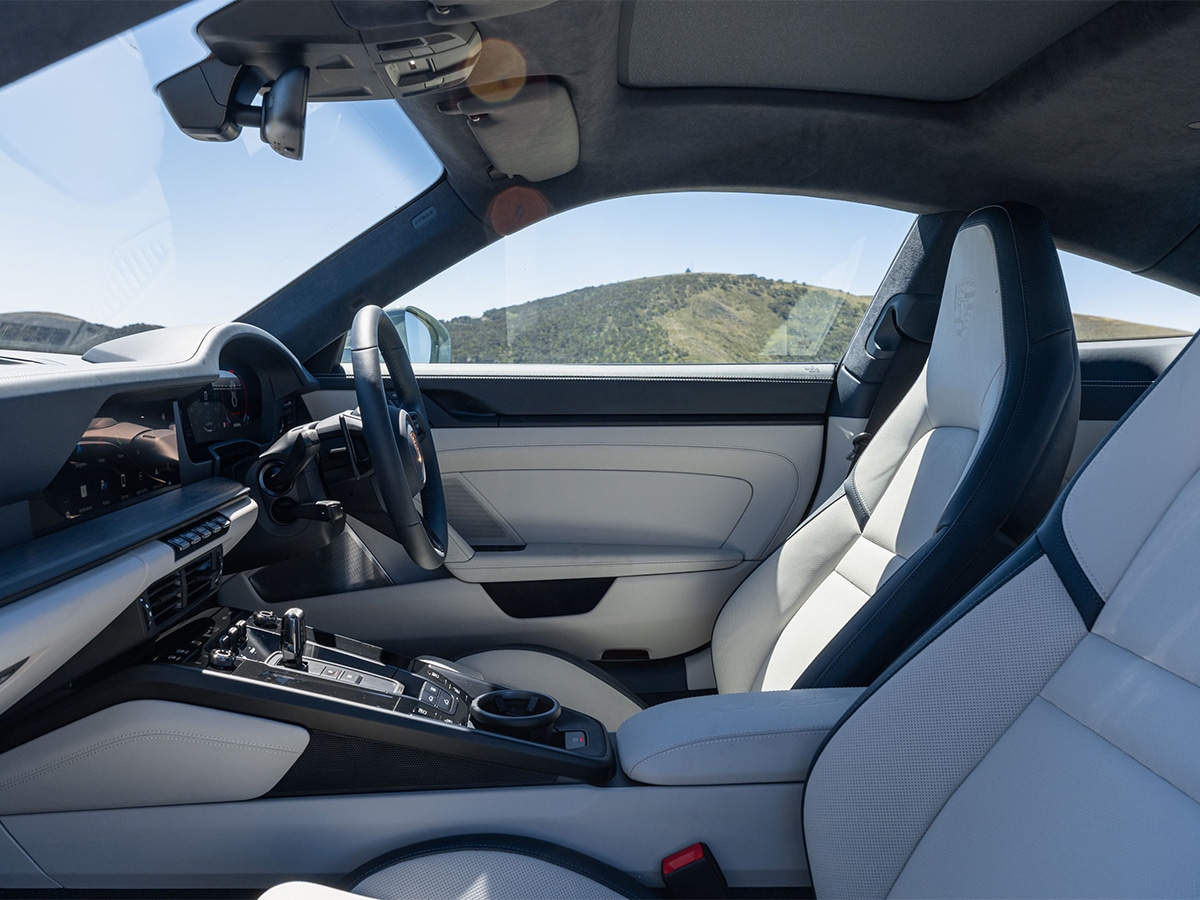
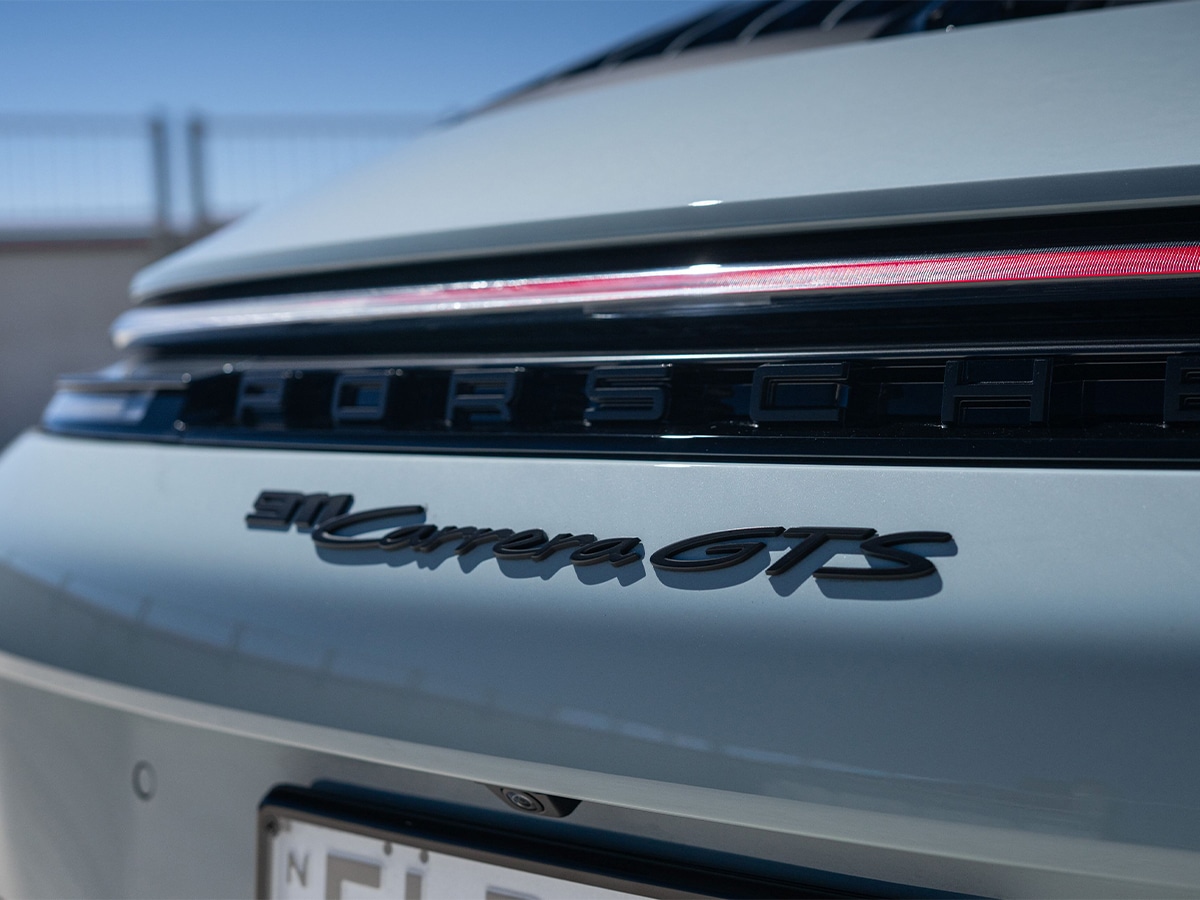
The technical blueprint for this future has already arrived in the form of the flagship 992.2 generation. As we noted in our comprehensive review of the 2025 Porsche 911 Carrera GTS T-Hybrid, this system completely shifts the goalposts. Rather than destroying the handling dynamics of the 911 by cramming a heavy, full-floor battery pack into the chassis, future high-performance trims will permanently rely on highly integrated, compact dual-drivetrain dynamics.
Porsche has added one (GTS) or two (Turbo S) electric exhaust-gas turbochargers to its high-performance models, embedding an integrated electric motor between the compressor and turbine wheels to instantly bring the car on boost. Combined with a second, high-output electric motor integrated directly into the new 8-speed PDK gearbox, the architecture delivers an instantaneous torque fill. This 400-volt high-rate energy recovery network completely eliminates mechanical lag across the rev range. The resulting driveability is out of this world, and the system operates so seamlessly that, without looking at the digital display, you would mistake it for a highly responsive, deeply torquey, naturally aspirated flat-six.
Finally, Leiters and his engineering team also rejected a plug-in hybrid (PHEV) setup for the 911. Large battery packs and cumbersome high-voltage cables would ruin the car’s iconic rear-engined weight distribution.
Technical Neutrality and Genuine Exclusivity
By protecting the 911 from a silent, battery-electric fate, Porsche is banking heavily on technological neutrality. There are platform modifications engineered into the current chassis that allow the factory to scale internal combustion engine displacement sizes up or down to comply with global emissions standards without altering the vehicle’s core rear-engined footprint.
It’s also worth mentioning here that this architecture is fully optimised for advanced synthetic e-fuels, which Porsche is investing in. By diverting capital away from bulk battery-cell packaging and reinvesting it in ultra-high-efficiency combustion, high-voltage energy recovery, and dual-drivetrain chassis refinement, Porsche is preserving the weight distribution and mechanical connectivity that have anchored the 911 for over 60 years.
This defence of internal combustion is also forcing a quiet retreat across the rest of Porsche’s lineup. The next-generation 718 Cayman and Boxster models, which were initially slated to transition exclusively to battery-electric power, are quietly being re-evaluated to retain internal combustion and hybrid options. Similarly, a top-secret, luxury three-row SUV positioned above the Cayenne has been flipped to launch with a combustion engine first, while slower-selling Taycan body variants are being silently pulled from major markets due to mounting development costs.
While the entry-level segments will be dominated by cheap, mostly Chinese EVs moving forward, the premium market segment is rapidly growing tired of homogenised, heavy, and characterless electric vehicles. Porsche’s hard pivot back to mechanical heritage is a calculated gamble that emotional engineering is the ultimate luxury asset.















Comments
We love hearing from you. or to leave a comment.