

Updated:
Readtime: 8 min
Every product is carefully selected by our editors and experts. If you buy from a link, we may earn a commission. Learn more. For more information on how we test products, click here.
- Call of Duty: Modern Warfare 4‘s DMZ takes place in Hajin, a massive Exclusion Zone tied to the campaign’s aftermath
- Players deploy solo or in squads as off-the-books assets tasked with recovering advanced military technology
- DMZ includes Story Missions, Dynamic Operations, Side Ops and Free Roam
- The mode features dynamic weather, escalating enemy threats, crafting, Operator progression and a player-driven Bounty system
- Modern Warfare 4 launches globally on 23 October 2026
Standard Call of Duty multiplayer is built on a clean reset. You spawn, fight, die, respawn, swear at a corner camper, then do it all again before the scoreboard wipes the whole thing away. DMZ works on a different kind of pressure. Your bad decisions can follow you out.
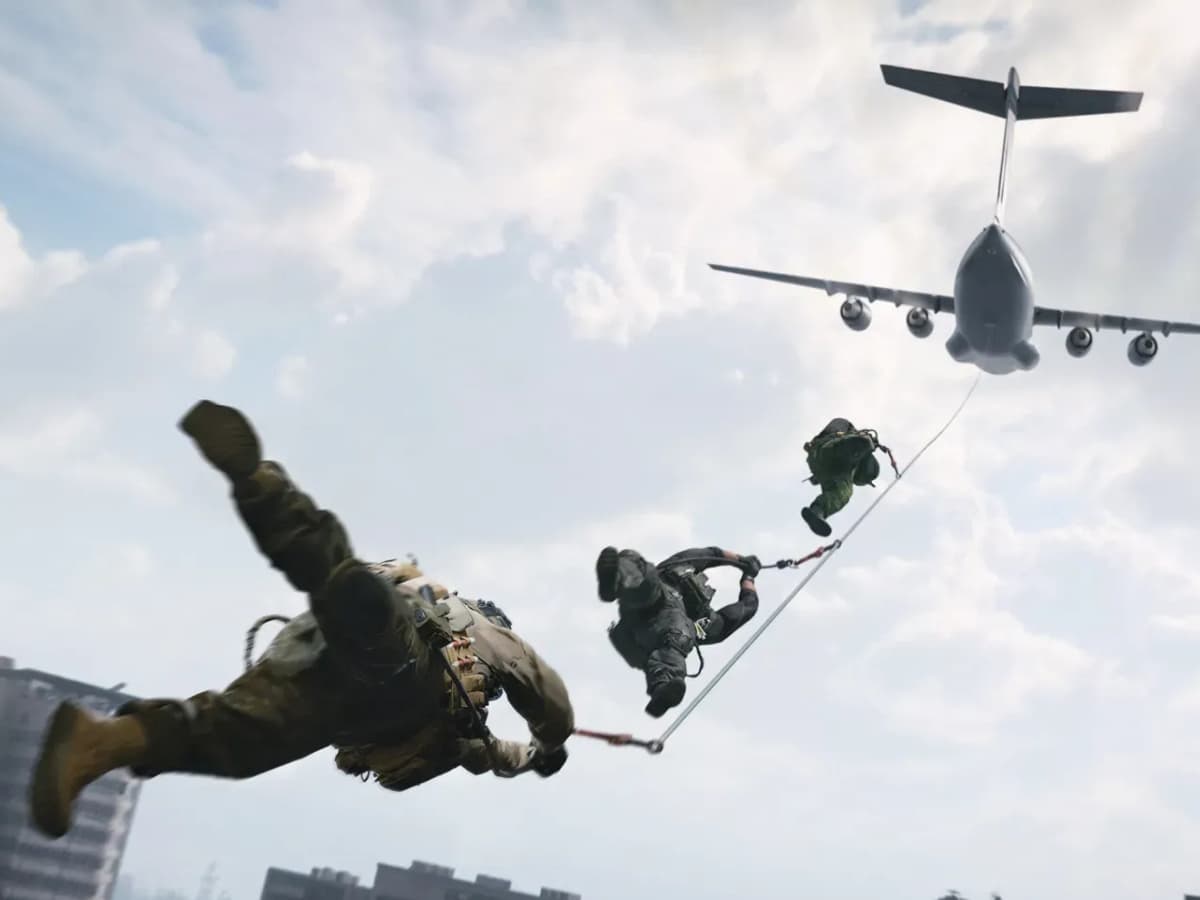
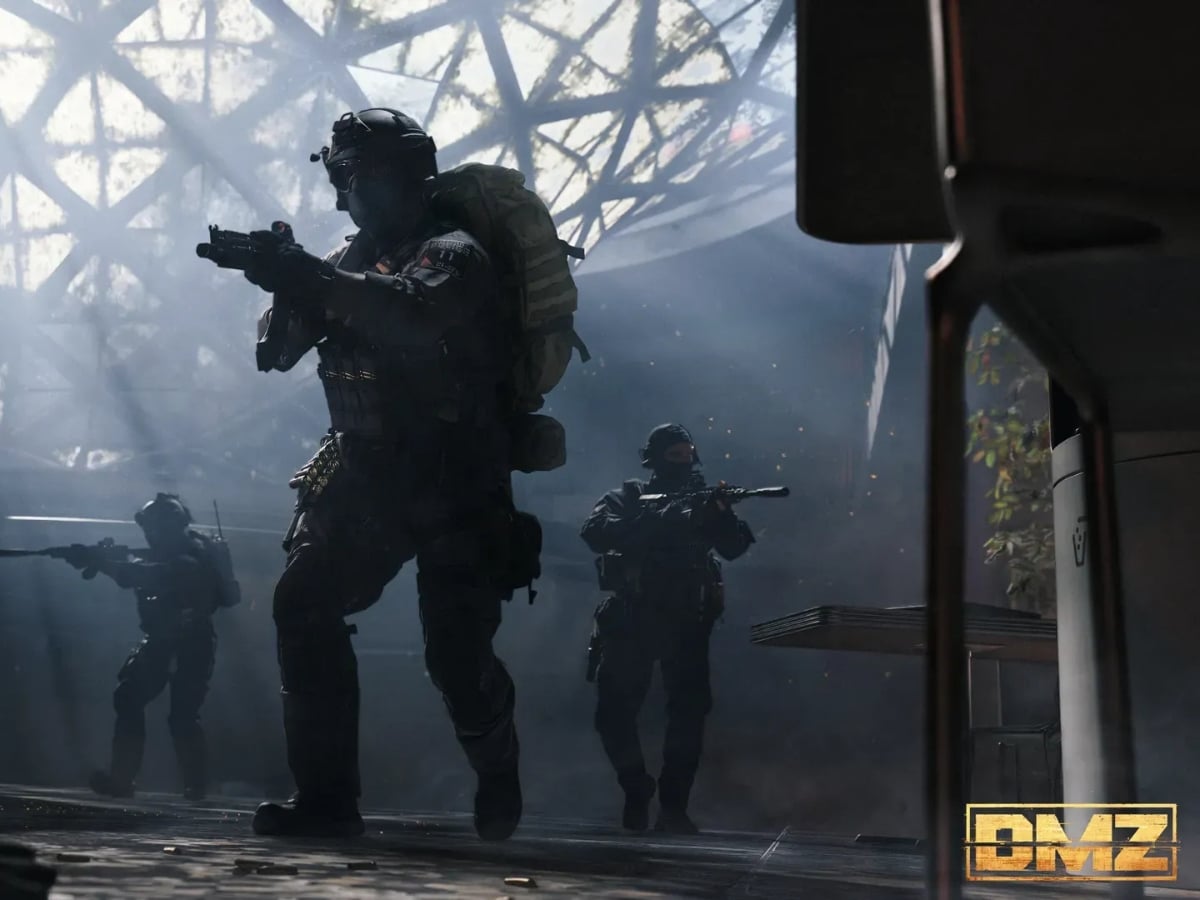
For Modern Warfare 4, Infinity Ward is bringing back Call of Duty’s extraction mode with more structure, more risk and a much larger map to find your way out of. The new DMZ drops players into Hajin, a massive Exclusion Zone on the Korean Peninsula shaped by the aftermath of the campaign. You can deploy solo or with a squad, recover military technology, push through missions, scavenge for gear, hunt rival Operators and try to escape before you go missing in action.
Unlike Multiplayer, Warzone, Zombies or even Black Ops 7‘s Endgame, DMZ ties progression to risk: what you carry, who you trust, how loud you get and whether you’re smart enough to leave while you still can.

What is the New Modern Warfare 4 DMZ Mode?
DMZ started life as one of Call of Duty’s more interesting experiments. And now, with Modern Warfare 4, Infinity Ward looks to be fully embracing an extraction pillar alongside Campaign and Multiplayer.
Players drop into Hajin as shadow CIA assets, chasing abandoned weapons, military technology and strategic assets left behind after the campaign. Rival Operators and enemy combatants are already active across the zone, so every squad has to decide when to loot, fight, negotiate, disappear or push one objective too far.
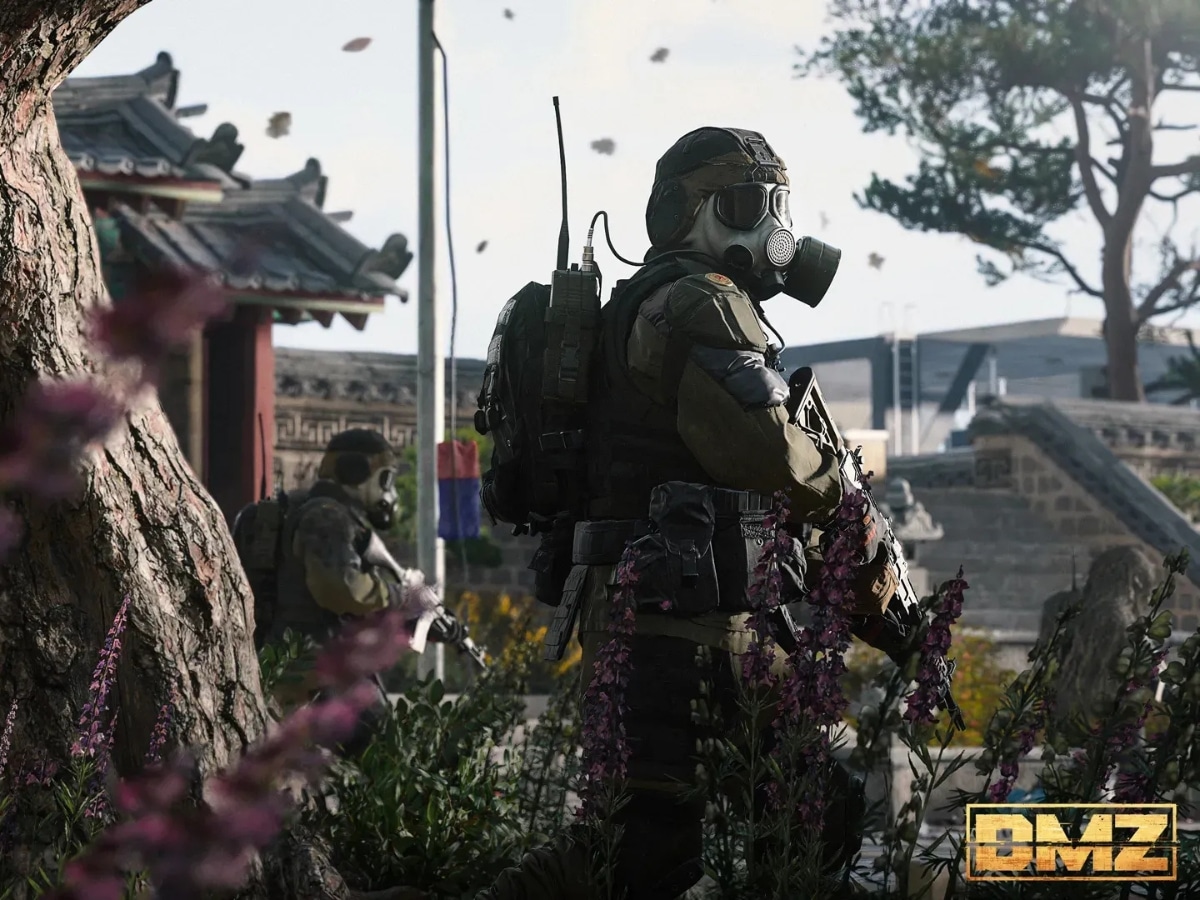
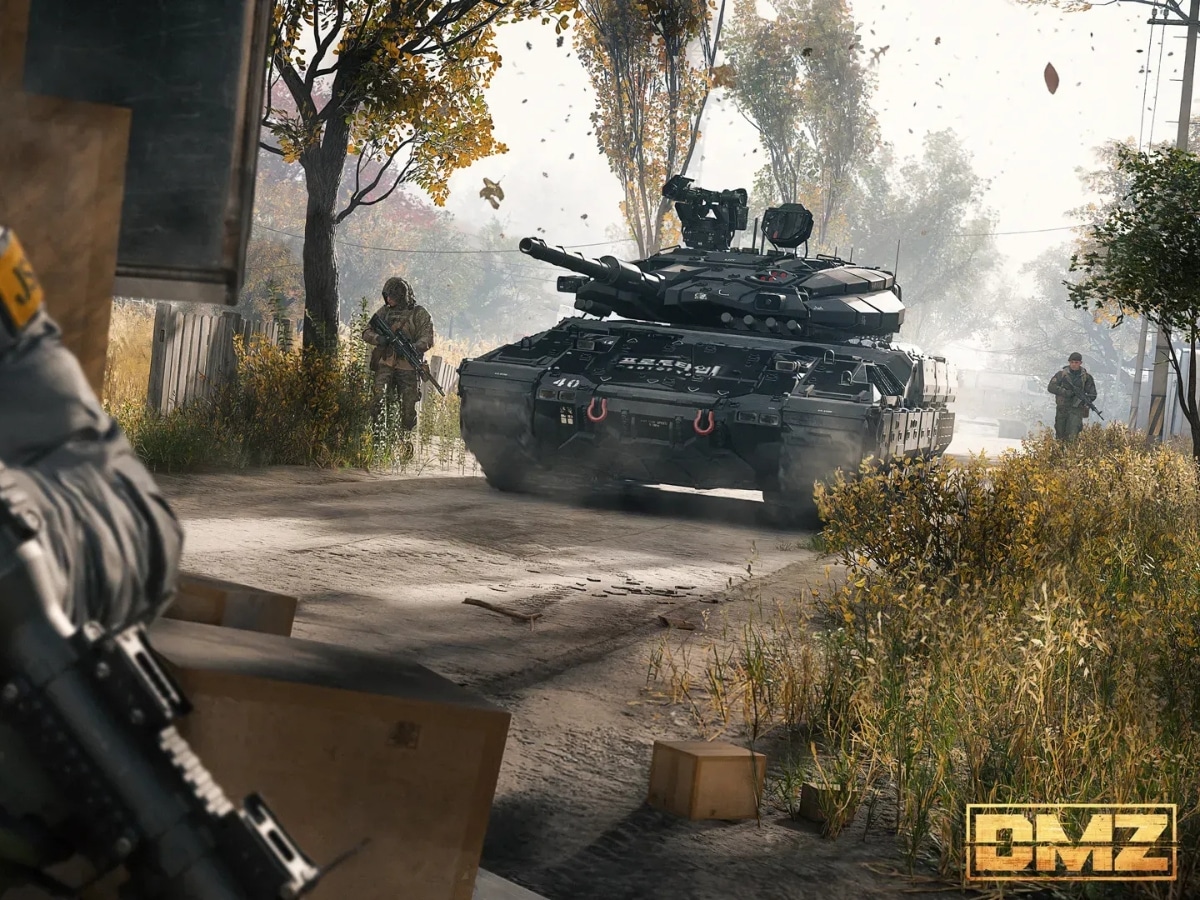
Hajin is where the mode has to prove itself. The region has been scarred by radiation, mass evacuation and the collapse of civilian infrastructure. The whole place is built as one big combat sandbox, with several points of interest including an irradiated reactor, a prison complex, a heavily defended military base, and, of course, Hajin City itself.
Dynamic weather is also being introduced, shifting constantly throughout each run, with rain, fog and overcast skies changing visibility and turning familiar routes into more hazardous crossings.
Modern Warfare 4 DMZ Game Modes Explained
DMZ is built around Story Missions, Dynamic Operations, Side Ops and Free Roam, which give players several ways to approach the same hostile space.
Story Missions continue from the Modern Warfare 4 narrative inside live DMZ servers, meaning your squad’s objective can overlap with other players chasing their own missions nearby. You’ll just need to figure out whether they’re here to help.
Dynamic Operations are multi-step objectives generated for each match, covering tasks such as neutralising weapons programs, securing assets, rescue operations and assaults against hostile forces.
Side Ops add smaller opportunities across the map, from supply drops and radio towers to vehicles that can be repaired for tactical advantage.
Free Roam is where everyone’s in danger. In this mode, players can hunt rival Operators and chase Lieutenants (high-value contracts), scavenge for resources, break into vaults, explore dangerous regions, or simply get in, grab what they need and leave.
The spread of modes is built around how people actually play COD. Some squads will follow the mission. Some will chase gunfire because they can’t help themselves. And others will keep looting far beyond the extract window. DMZ gives Call of Duty more room to create moments.
“Our rich sandbox combined with our first-person military theme is something that’s going to really resonate with people,” said Joe Cecot, Studio Multiplayer Creative Director at the XBOX Games Showcase. “And I think our weapon feel and our movement are a step above most of the games. It’s that action that’s going to be something that’s very different than other extraction shooters.”
The New Hajin Map Features Dynamic Weather & Scaling Threats
Infinity Ward is calling DMZ an action extraction shooter, with the emphasis firmly on action. While the players, missions and loot are all active parts of the experience, so too is the Exclusion Zone.
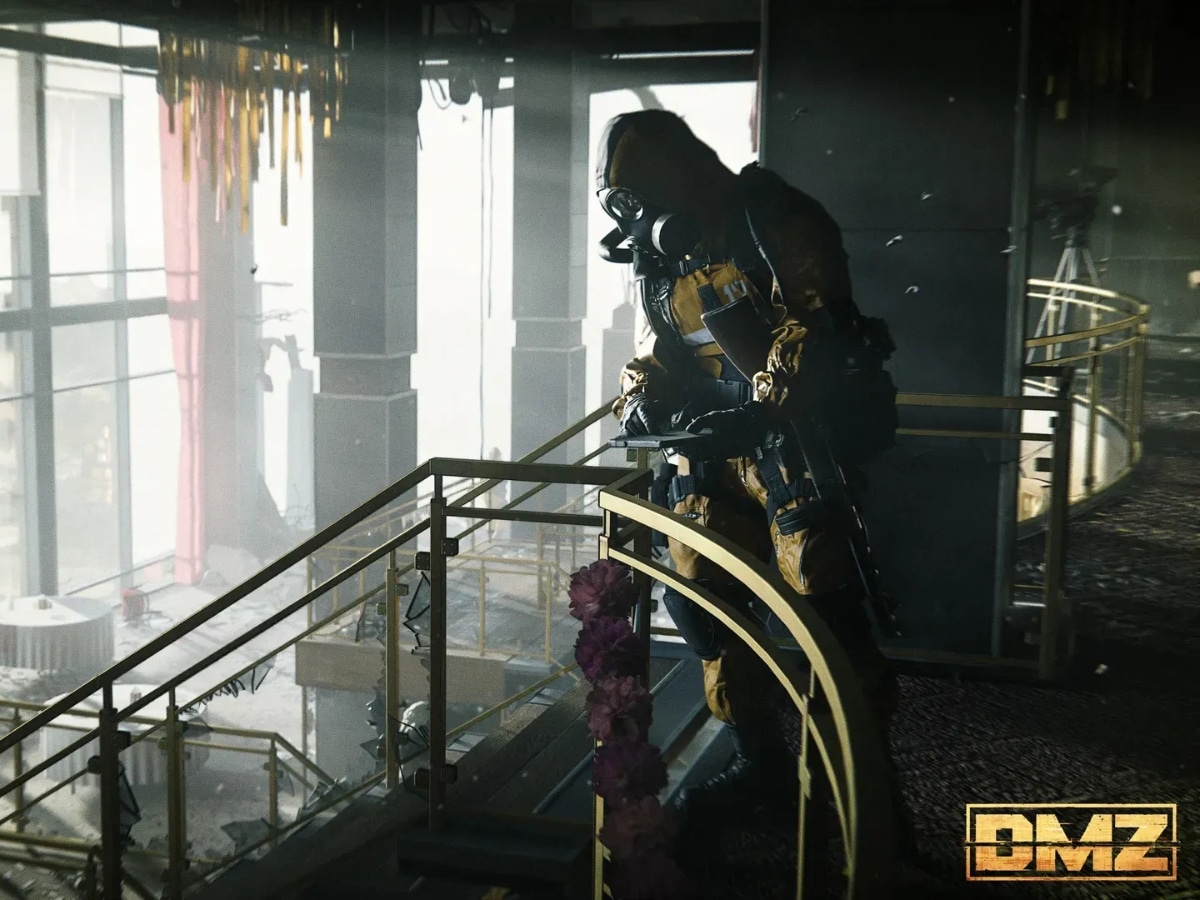
It’s a live combat zone rather than a static map. Air traffic passes overhead. Hostile forces shift weapons and strategic assets. Enemy factions, AI combatants and rival human squads are all fighting for control of the same space.
The enemy response also scales. Push too hard, and the threat can move from patrols and Lieutenants to heavy armour, helicopters, drone swarms, Juggernauts and elite teams sent to hunt players down.
“I think that’s the magic of these games,” said Cecot. “I love core Multiplayer. I love Campaign. But they each have their thing that they bring to the table. And I think the uncertainty and the stories that come out of an extraction shooter is the thing that makes that genre so interesting.”
The new Stealth Meter should also help players control that pressure before it spills over. If an AI enemy is close to spotting you, an audio cue and HUD indicator warn you before the area is alerted. Hit the deck, get back into cover or commit to the fight. For solo players especially, that could be the difference between staying in control and spending the next five minutes being chased through a city you were only supposed to be quietly looting.
FOB Upgrades, Loot Logic, and Operator Persistence
Between deployments into Hajin, players return to the Forward Operating Base, or FOB. It’s where DMZ handles your stash, loadout, missions, crafting, Operator progression and longer-term upgrades.
The FOB is the clearest sign that Infinity Ward wants DMZ to feel persistent. Extracted resources can be used back at base, while the 3D printer lets players craft items such as night-vision goggles, plate carriers, backpacks, consumables, field upgrades and fire-support items.
Loot is also placed logically throughout Hajin, so hospitals are more likely to hold medical supplies, police stations can hold tactical gear, and residential areas can offer crafting resources.
That kind of world logic helps a lot. It gives players a reason to learn Hajin beyond memorising where the good sightlines are.
Active Duty Operators also return, with each Operator carrying their own persistent backpack, loadout and Trait Tree. Over time, players can build Operators around different roles, including combat, looting, infiltration, recovery or cash-focused playstyles.
And when things do eventually go wrong and your Operator is lost in action, the MIA system kicks in. Players can spend in-game cash at the FOB to send in recovery teams and bring them back. You still risk gear, resources and momentum, but one bad deployment doesn’t delete your whole evening.
That’s the balance DMZ needs: enough consequence to make survival matter, enough forgiveness to keep people coming back.
How PvP and the Bounty System Work in MW4 DMZ
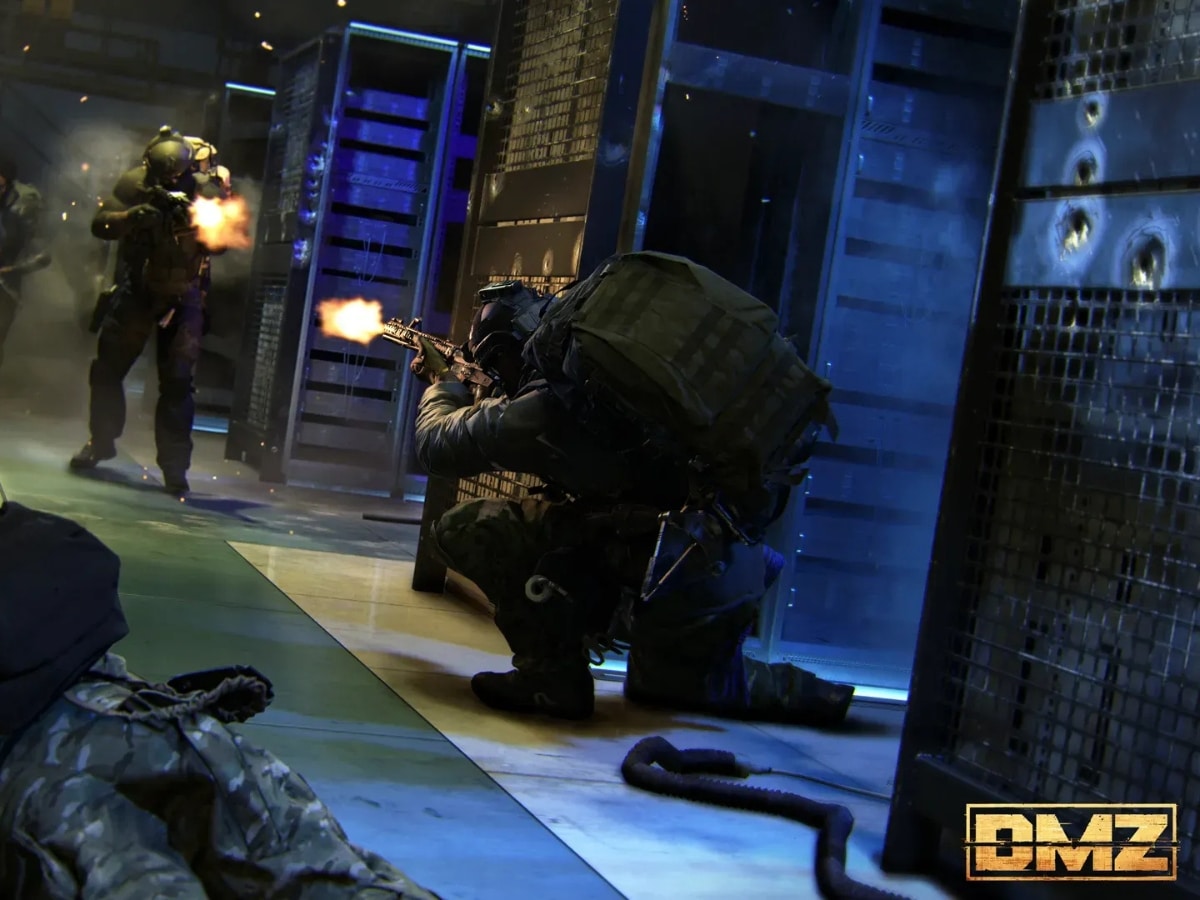
Other players are still the real threat in Hajin. No matter how well you tune the enemy AI, running into another player or squad will no doubt activate the fight-or-flight response.
But for those who take it upon themselves to hunt other players in Hajin, you’ll start getting noticed on DMZ’s Bounty system.
Keep hunting other Operators, and your notoriety will keep rising, with a price on your head for anyone able to take you down, steal your dog tags and extract for payouts and leaderboard status.
In most COD modes, the scoreboard forgets you. In DMZ, your reputation follows you into the next deployment.
Which is why we’re so glad to see Proximity Chat being added into the experience, with distance-based vocal falloff, directional audio and environmental voice reverb, so nearby players should be easier to place by sound. Whether that ends in negotiation, betrayal, or someone wisely backing away from a building full of strangers is another question.
It’s that uncertainty where extraction shooters come alive.
Call of Duty: Modern Warfare 4 Release Date & Australian Pricing
DMZ won’t be for every Call of Duty player, and it shouldn’t try to be. Some people just want the clean hit of a quick multiplayer match, a few sharp gunfights, and the comfort of knowing the next respawn is half a second away.
For everyone else, Hajin gives COD a different kind of promise. Less about clearing the next match and more about surviving the run you probably should’ve ended ten minutes earlier.
Call of Duty: Modern Warfare 4 is set to launch globally on 23 October 2026 for PlayStation 5, Xbox Series X|S, PC and Nintendo Switch 2. Australian pricing starts at AUD$109.95 for the Standard Edition, while the Vault Edition is listed at AUD$149.95.
The real test is whether DMZ can make players care about the deployment in front of them, not the unlock waiting behind each objective. If it works, the best stories in Modern Warfare 4 won’t be about the new weapons or killstreaks you unlocked. They’ll be about the moment another squad was on your tail, AI enemies were closing in, a bounty was on your head, and the only question on your mind is: do we leave now, or go back for one more thing?


























Comments
We love hearing from you. or to leave a comment.