


Updated:
Readtime: 9 min
Every product is carefully selected by our editors and experts. If you buy from a link, we may earn a commission. Learn more. For more information on how we test products, click here.
The Ultrahuman Ring AIR at AUD $599 is the smart ring to buy right now if you want serious health tracking without a subscription; the new Ring PRO at AUD $739 is the one to pre-order if 15-day battery life and Ultrahuman’s Jade AI matter more to you than having it on your finger this month. Ultrahuman now sells two rings, and the AUD $140 between them buys a genuinely different product rather than a spec bump.
This guide breaks down both rings, how they differ, and how they stack up against the Oura Ring 4 we spent six months testing. A note on method: we have not yet had hands-on time with either Ultrahuman ring, so every claim here traces to Ultrahuman’s official specifications or named independent testing, and we have flagged the gaps where they exist.
Ultrahuman Ring AIR vs Ring PRO: The TL;DR
- Ring AIR (AUD $599): The 2023-launched staple. Titanium build at 2.4g, 4 to 6 days of battery, sleep, recovery, HRV and temperature tracking, and no subscription for core features. Available now, ships after your sizing kit is confirmed.
- Ring PRO (AUD $739): The February 2026 flagship. Titanium unibody, up to 15 days of rated battery (about 10 in Engadget’s real-world test), 250 days of on-ring storage, a redesigned heart-rate sensor and a charging case that stretches total life to 45 days. Pre-orders ship from 15 August.
- The catch on “no subscription”: Core insights are free forever on both rings, but AFib detection is a A-grade premium add-on at US$4.90 a month.
- Best for: The AIR suits first-time smart ring buyers and anyone leaving Oura over subscription fatigue. The PRO suits data obsessives, frequent travellers and anyone who hates charging things.
- Not for: Anyone who wants a screen, payments or notifications on their wrist. That is a smartwatch job.
Who Is Ultrahuman?
Ultrahuman is the Indian wearables company that has spent three years turning itself into Oura’s most aggressive competitor, reaching roughly US$150 million in annualised revenue while remaining profitable, per TechCrunch. The rivalry is not friendly. Oura won a US International Trade Commission ruling in October 2025 that blocked Ultrahuman imports into the United States, and the Ring PRO’s ground-up redesign exists partly to clear that legal bar. Ultrahuman has counter-sued in the Delhi High Court. None of this affects Australian availability: both rings sell directly through Ultrahuman’s AU store, with the AIR also stocked at JB Hi-Fi and Costco.
Ultrahuman Ring AIR: The Established Pick
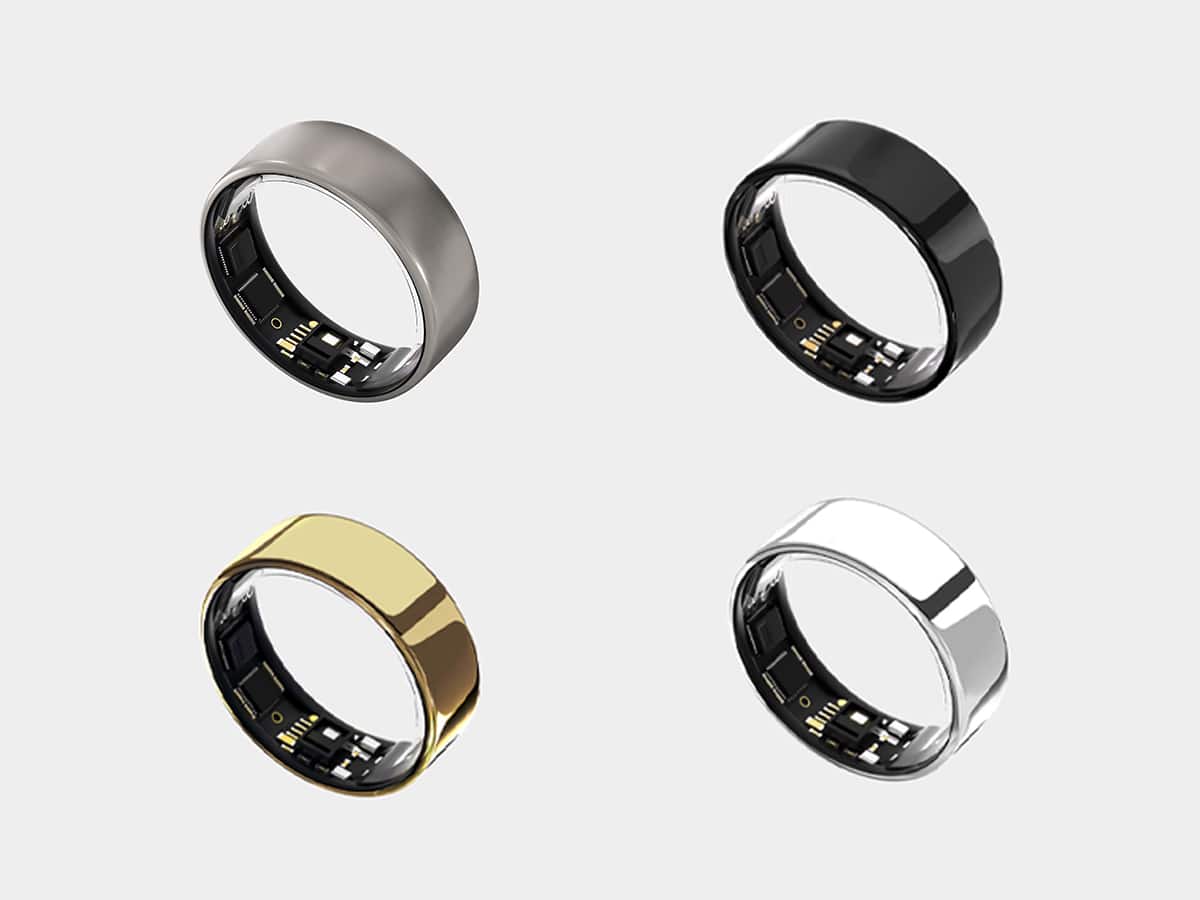
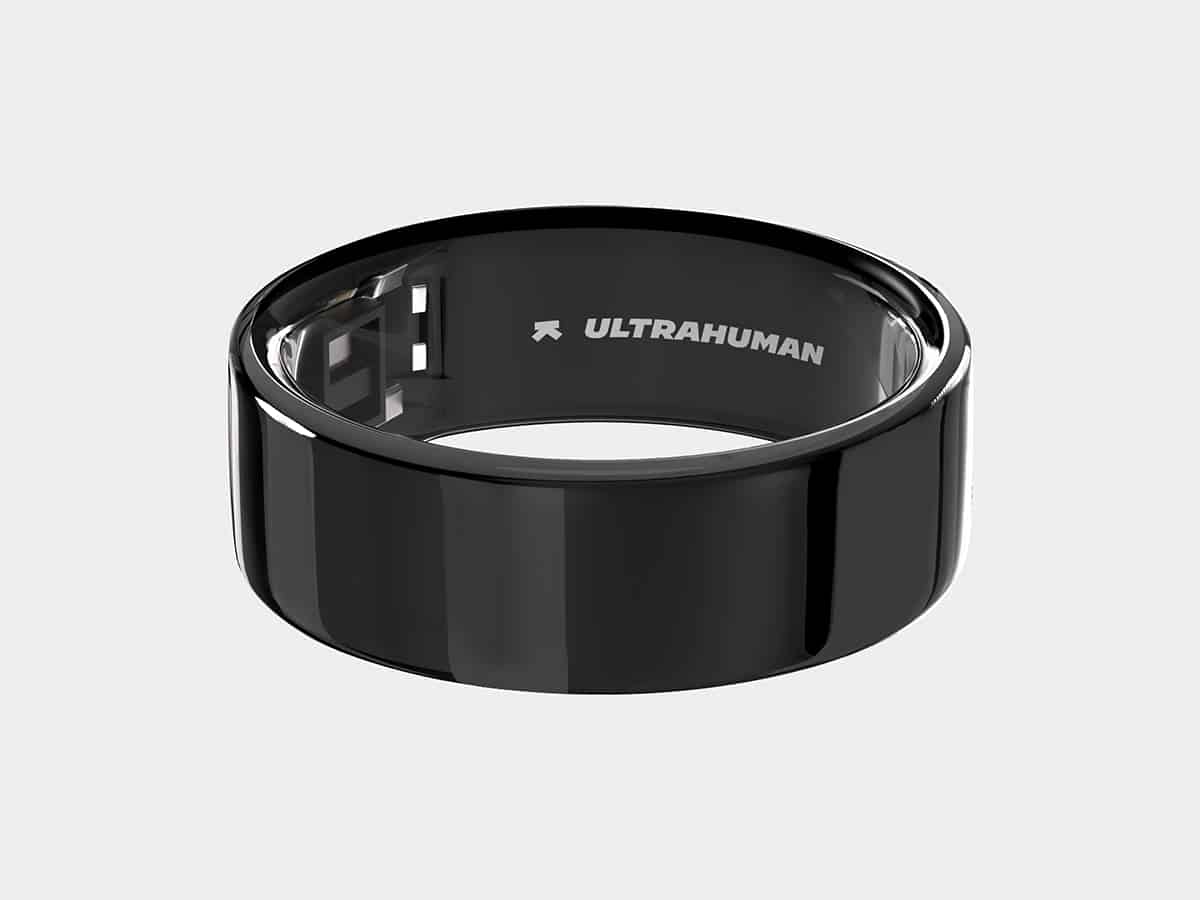
The Ring AIR launched in June 2023 and remains the volume seller. It is a 2.4mm-thick titanium band with a tungsten carbide coating, weighing about 2.4g in a size 6, which is light enough to forget. It tracks sleep stages, heart rate, HRV, skin temperature and movement, feeding Ultrahuman’s recovery and “Phone Brain” style insights through the companion app, and it is water resistant to 100 metres.
Rated battery life is four to six days under standard use. That trails the newer PRO substantially, but the AIR’s real advantage is the business model: you pay once, and the core data is yours for the life of the ring. The one exception worth knowing about is atrial fibrillation detection, a premium add-on at US$4.90 a month. Ultrahuman was the first smart ring maker to earn FDA clearance for AFib detection, ahead of both Samsung and Oura, and Australia was in the first wave of approved markets.
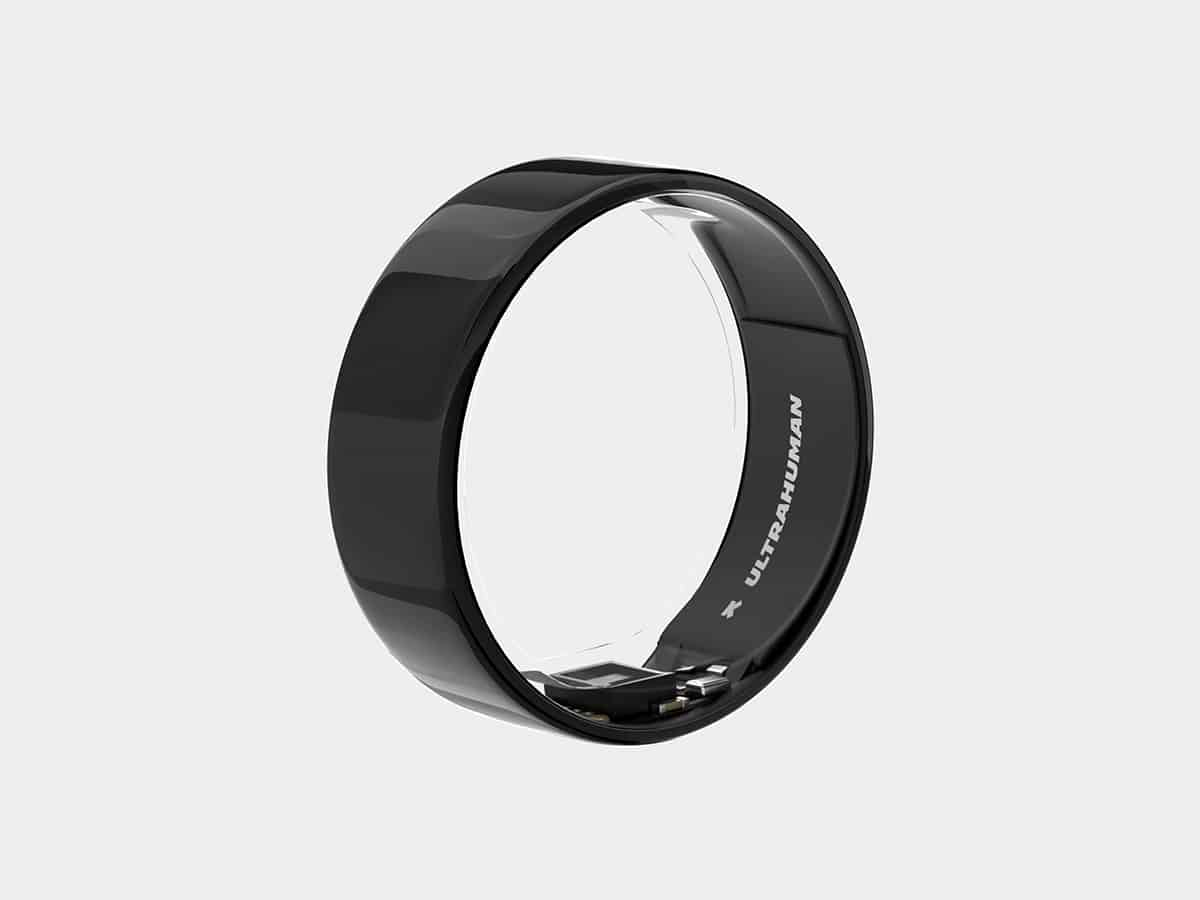
Buying is a two-step process: a free sizing kit ships first, and the ring follows roughly four to six weeks after you confirm your size. There is a 30-night trial on the AIR, and it comes in six finishes.
Ultrahuman Ring PRO: The New Flagship
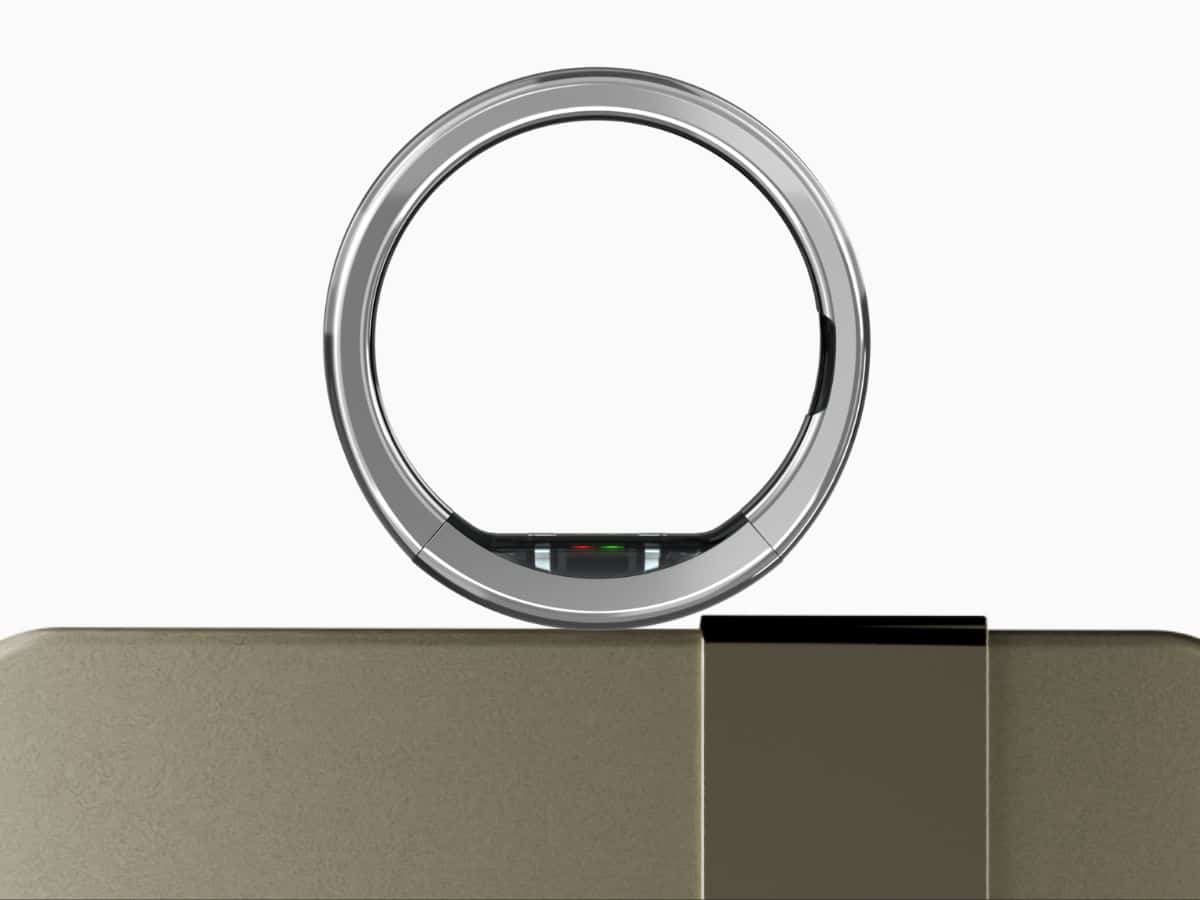
The Ring PRO, announced in February 2026 and covered by Man of Many at launch, is a more substantial rework than the name suggests. The headline is battery: up to 15 days in the ring’s low-power Chill Mode and roughly 12 with every sensor running, versus the AIR’s four to six. In Engadget’s independent review, a fully-charged PRO in its most demanding mode still had charge left after ten days of continuous wear, which is comfortably three times what most rivals manage. Founder Mohit Kumar claims the battery is “3 to 4 times that of the competition”, and on the evidence so far the claim holds.
Beyond the battery, the PRO gets a titanium unibody, a redesigned heart-rate sensor that Ultrahuman says reads more cleanly through overnight movement, a dual-core processor with on-chip machine learning, 250 days of on-ring data storage, and ProRelease Technology, a safety design that makes the ring easier to remove if a finger swells. The new PRO Charging Case adds wireless charging, location tracking and enough reserve power to stretch total battery life to 45 days between wall sockets.
The caveats: it costs AUD $139 more than the AIR at AUD $739, comes in four finishes rather than six, and Australian pre-orders ship from 15 August. Engadget’s overall verdict was also more measured than the spec sheet, finding the activity auto-detection patchy and arguing the PRO does not yet hold a decisive advantage in what has become a mature category.
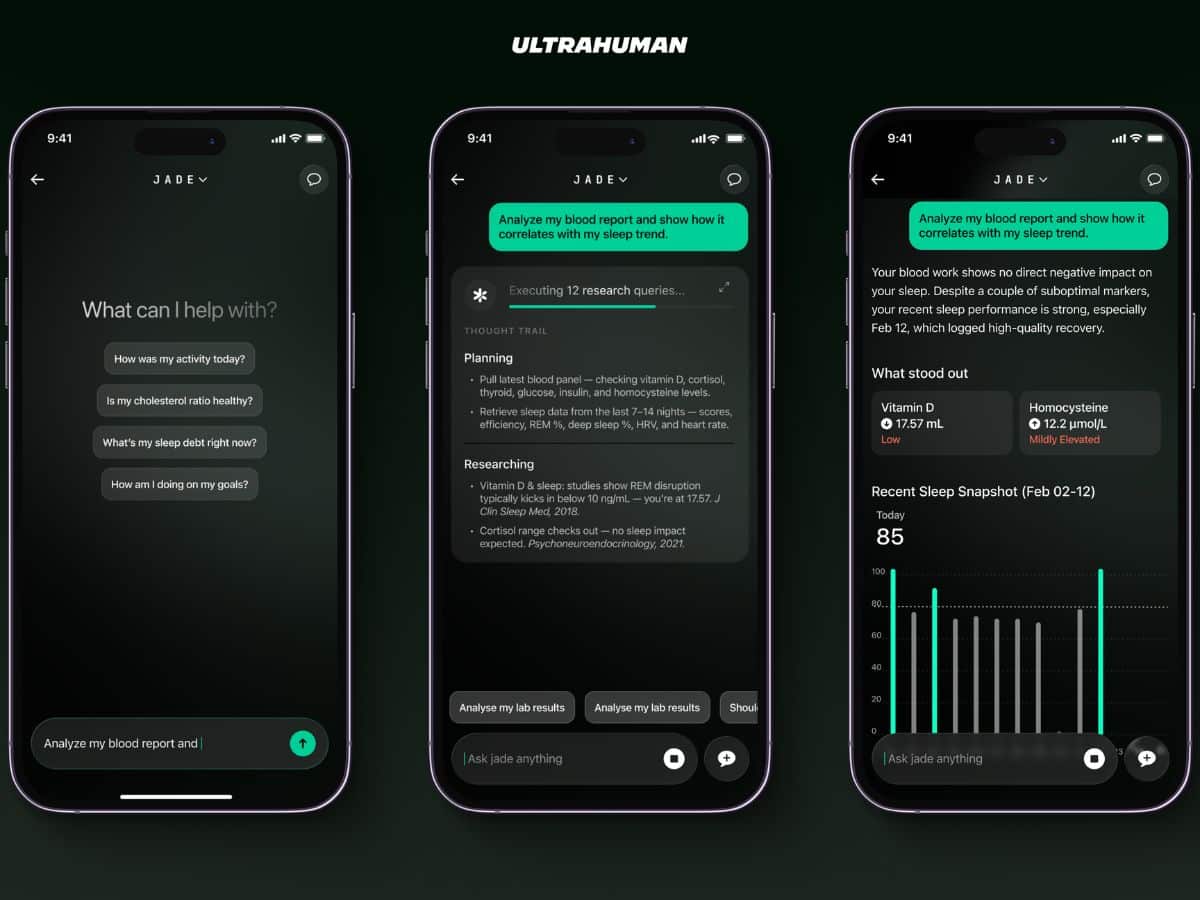
Jade: The AI Both Rings Get
Jade is Ultrahuman’s “biointelligence” assistant, launched alongside the PRO but rolled out to every Ultrahuman user rather than gated to the new hardware. Unlike a generic chatbot, it works on your live ring data and can trigger actions in the app, from starting a breathwork session to running AFib detection, and it plugs into Ultrahuman’s wider ecosystem of Blood Vision biomarkers and CGM glucose data.
In Engadget’s testing it usefully explained a confusing cardio-fitness score and suggested fixes. Ultrahuman’s roadmap talk of Jade ordering food and adjusting your thermostat is exactly that, roadmap talk, and worth ignoring until it ships.
Ultrahuman Ring AIR vs Ring PRO Compared
| Spec | Ring AIR | Ring PRO |
| Price (AU) | AUD $599 | AUD $739 |
| Launched | June 2023 | February 2026 (ships from 15 August) |
| Build | Titanium, tungsten carbide coating, 2.4mm | Titanium unibody with ProRelease safety design |
| Battery (rated) | 4 to 6 days | 12 days full sensors, up to 15 days Chill Mode |
| Battery (independent test) | Not independently verified | About 10 days heavy use (Engadget) |
| Charging case | Standard charger | PRO Charging Case, up to 45 days total |
| On-ring storage | Days | 250 days |
| Heart-rate sensor | Original architecture | Redesigned, cleaner overnight signal |
| Finishes | Six | Four |
| Water resistance | 100m | 100m |
| Sizes | US 5 to 14 | US 5 to 14 |
| Subscription | None (AFib add-on US$4.90/month) | None (same) |
How They Stack Up Against Oura and Samsung
The Oura Ring 4 remains the category benchmark for polish, and our six months with it were genuinely positive, but the economics are different: US$349 to US$499 for the hardware, then US$5.99 a month for membership once the bundled first year runs out. Over three years of ownership, an Oura costs meaningfully more than either Ultrahuman ring. Samsung’s Galaxy Ring (US$400) also skips the subscription, but its best features assume you live inside a Galaxy phone ecosystem, where Ultrahuman works equally well on iPhone and Android.
The honest summary: Oura still has the most refined app and the deepest research pedigree, Ultrahuman has the better ownership economics and now, with the PRO, the best battery in the category by a wide margin.
Which Ultrahuman Ring Should You Buy?
- Buy the Ring AIR if: it is your first smart ring, you want it on your finger this month, you prefer the wider colour range, or the AUD $140 saving matters. It does the core sleep-and-recovery job the category is actually for.
- Pre-order the Ring PRO if: charging small gadgets drives you mad, you travel and want the 45-day case, you want your data stored on the ring for months at a time, or you simply want the current state of the art.
- Buy neither if: you want notifications, payments or a screen. A smartwatch like the ones we tested through a HYROX training block is the right tool for that job.
Ultrahuman Ring AIR vs Ring PRO Verdict
For most people, the Ring AIR at AUD $599 is the smarter buy today: proven hardware, no subscription for the core experience, and a 30-night trial to back out of. The Ring PRO is the more exciting product, and if the battery numbers hold up in wider testing it resets expectations for the whole category, but pre-order hardware with an August ship date asks for a little faith. We have requested review units and will put both rings through the same six-month treatment our Oura Ring went through.
This guide is based on Ultrahuman’s official specifications, launch materials and the named independent reviews linked throughout. Man of Many has not yet tested the Ultrahuman rings hands-on. Prices checked 6 July 2026 and subject to change.
Ultrahuman Ring FAQs
No. Both the Ring AIR and Ring PRO are one-time purchases with lifelong access to core health data and insights. The only paid extra is AFib detection, a premium add-on at US$4.90 per month.
The Ring PRO (AUD $739) adds a titanium unibody, up to 15 days of battery versus 4 to 6, a redesigned heart-rate sensor, 250 days of on-ring storage and a charging case that extends total battery life to 45 days. The Ring AIR (AUD $599) is lighter on features but available immediately and comes in more finishes.
Yes. The Ring AIR (AUD $599) ships now via ultrahuman.com and is also stocked by JB Hi-Fi and Costco. The Ring PRO (AUD $739) is on pre-order with Australian shipping from 15 August 2026. A free sizing kit ships before the ring on both models.
They trade blows. Oura Ring 4 has the more polished app and research pedigree but charges US$5.99 a month after the first year. Ultrahuman charges no subscription for core features, and the Ring PRO roughly triples Oura’s battery life. Over several years the Ultrahuman works out cheaper.


























Comments
We love hearing from you. or to leave a comment.