


Updated:
Readtime: 14 min
Every product is carefully selected by our editors and experts. If you buy from a link, we may earn a commission. Learn more. For more information on how we test products, click here.
The transition from a standard short back and sides to a flowing mane requires a lot of steps. Below, we cut to the chase on how you can achieve luscious long locks – provided you have the time, patience and follow our advice from the experts below.
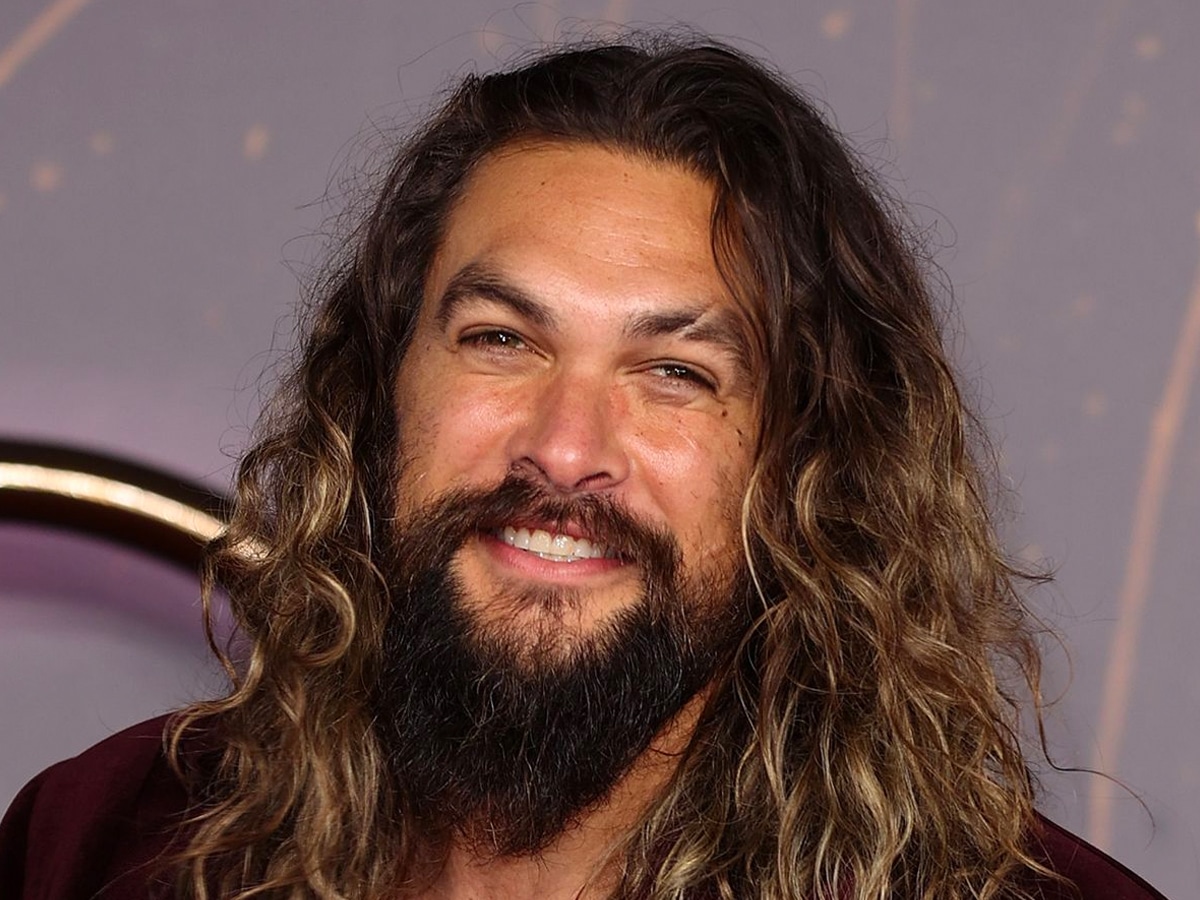
From famous names like Chris Hemsworth and Harry Styles, to Brad Pitt and, once upon a time, David Beckham, men with long hair are often the envy of many. As well as bringing a certain swagger, having long hair is often seen as a sign of vitality and good health.
But having long, flowing locks doesn’t always come down to simply having good genes; there are so many factors involved, including stress, lifestyle factors such as good nutrition, bad habits like harsh brushing, over-bleaching and excessive heat.
Meanwhile, anyone who has ever tried to metaphorically let their hair down knows how tough it can be to get through that “growing it out” phase – this is where most men give up and go for the chop.
We’ve spoken to the world’s leading trichologists, hair transplant specialists, and stylists to bring you the definitive guide on navigating the transition to a flowing mane. Whether you’re stuck in the notorious “awkward phase” or just committing to the long-term growth journey, we cover everything you need to know – from overcoming growth obstacles and mastering daily maintenance to the best styling products and whether hair supplements are actually worth your money.

The Ultimate Guide to Growing, Maintaining, and Styling Men’s Long Hair
As a writer immersed in the hair and beauty space, I’ve had a front-row seat to the male hair journey. Over the years, I’ve watched my husband and three adult sons cycle through every look imaginable – From buzz fades and messy quiffs to full-blown mullets, I’ve caught them hijacking my GHD irons to straighten unruly curls, slathering on my expensive hair masks, and I’ve followed my husband’s experience with hair loss medications like Finasteride. Yet, despite a combined century of hair maintenance between them, not one has ever successfully grown a long, flowing mane.
The reason? They always fall victim to what American board-certified trichologist Christine McMillan calls the “awkward grow-out stage”. It’s the ultimate hurdle, and it’s precisely where most men give up and head straight back to the barber.
“Most men quit when they get to the awkward grow out stage because there’s almost always a period where the hair loses shape before it gains enough length to move properly,” explained McMillian, who owns the hair restoration salon Scalp Garden. “Men just go and get their hair cut in this phase because they assume their hair looks a mess instead of realising they are just in the transition stage.”
The Science and Stages of Hair Growth
Understanding the Anagen Phase
The anagen (active growth) phase of your hair growth is perhaps the most important, as it’s the first stage that your hair follicles are pushing out hairs that will continue to grow until they’re cut or fall out. It marks the active growth phase of the hair cycle when cells rapidly divide at the hair root, producing new hair.
During the anagen phase, hair grows actively, with about 85%–90% of the hairs on one’s head in the first stage at any given time.
However, several factors can influence how long hair stays in the anagen phase growth stage. According to Dr Farhan Abdullah, medical director off the Texas-based physician-led clinic Magnolia Functional Wellness – and someone who specialises in hair restoration – many health issues can affect new hair follicles from sprouting.
“If a man has a healthy scalp, on average, their hair will develop at approximately half an inch (1-1.5cm) per month,” he explained. “In many men with good general health, it could take around 18-24 months to reach shoulder-length hair.”
However, he points out there are certain factors that can disrupt the anagen phase, including poor scalp health.

Scalp Care for Men’s Hair Growth
“Poor scalp health such as seborrheic dermatitis, a common scaly rash on the scalp, or chronic dandruff, can affect the anagen phase of your hair growth” explained Dr Abdullah. “So the most important thing is to care for your scalp; for most males I recommend using a sulphate-free shampoo two to four times weekly because harsh detergents used in regular shampoos can dry out the scalp over time weakening hairs,” Dr Abdullah says.
“If a man is experiencing dandruff or scalp irritation he may benefit from ketoconazole-based shampoos because ketoconazole contains anti-inflammatory properties along with mild anti-DHT effects supporting retention of hair. To improve hydration & reduce breakage a lightweight conditioner containing ingredients such as argan oil, keratin, peptides or hyaluronic acid would be beneficial.”
In terms of products, experts generally recommend focusing on scalp health, gentle cleansing and protecting the hair fibre itself.
“A good quality conditioner, heat protectant when needed, and avoiding over-processing are often more beneficial than chasing trends or using excessive styling products,” says trichologist Chelcey Salinger.
Androgenetic alopecia, also known as pattern hair loss, is a genetically determined, patterned, progressive loss of hair from the scalp, which can also affect this initial hair growth stage.
According to another trichologist, Christine McMillan: “A lot of people associate it only with visible thinning, but it can also shorten the anagenof the hair cycle. That means hair may stop reaching the length it once could, even before major balding becomes obvious.”
This can understandably be a cause of concern for men who experience it and whilst they may need to forego dreams of long hair, Christine’s advice is worth taking on board. “For products, I usually recommend focusing less on trendy miracle growth claims and more on scalp health, gentle cleansing, reducing friction, hydration, and protecting the hair that’s already there. If the hair keeps snapping off, it doesn’t matter how fast it’s growing from the scalp, it’s never going to stay put.”
Navigating the “Awkward Stage”: A Hair Growth Survival Routine
Let’s start off by saying that trimming your hair does not increase the rate at which it grows from the follicle. That is a hair myth! But Dr Abdullah explains that trimming your hair doesn’t make hair grow faster, but it does “improve its appearance and manageability, while increasing the amount of length you retain.”
The 8-12 week cut is also advised by leading British stylist Tom Smith, a world renowned hair consultant.
“One of the biggest mistakes men make is cutting it too frequently,” he says. “Extend the time between appointments to around eight to 12 weeks and make sure your hairstylist clearly understands the end goal. Bring reference images, because ‘long’ means different things to different people. The focus should be on reshaping and contouring the haircut rather than removing noticeable length.
“Hair growth happens at the scalp, not the ends. In most cases, stretching the time between cuts is what gets someone to longer hair more efficiently. The exception would be if the hair is heavily coloured, heat styled, or damaged, where occasional maintenance trimming may help preserve the overall condition and appearance while the length develops.”
The Long Hair Care Masterclass
Washing for Length: Transitioning to a sulphate-free shampoo.
When it comes to how to wash your hair to maintain good general hair health, the number one rule is to use a sulphate-free shampoo and good conditioner. A sulphate-free shampoo is basically one that works as a milder formula to get rid of dirt without taking away the natural oils in your scalp. This makes them perfect for people with sensitive scalps, or anyone who wants to take better care of their hair.
Dr Abdullah recommends using a sulphate-free shampoo “two-to-four times weekly due to harsh detergents used in regular shampoos that can dry out the scalp over time weakening hairs.”
Another fan of sulphate-free shampoos and a good conditioner is hair stylist Callum Hicks, co-founder of the Sydney-based salon, Mallard. “Product wise I’d always suggest using a salon standard sulphate-free shampoo to make sure that when you do finally get your hair to a longer length, it is the best condition possible.”
How to Dry Men’s Long Hair Without Damage
Most of us know that a high heat from a blow-dryer can damage hair and burn the ends so beware the dangers of your hairdryer being too hot because burnt hair does not only smell charred but will break off instantly.
“When it comes to styling longer hair, less damage generally equals better length retention. Using lower heat settings, reducing friction from rough towel drying, and using a conditioner can all help minimise breakage,” explained trichologist Chelcey Salinger. And Dr Abdullah suggests some good advice: “for those who use blow dryers/styling tools frequently, heat protectants are important.”
Expert Styling & Maintenance For Men With Long Hair
Knowing what tools and products to style your hair with is essential as the longer it gets, the more care you need to put into it. Hicks recommends spending time looking into the best styling products for your hair type, rather than being influenced by social media trends.
“Styling products that work well in longer length hair include sea salt sprays and light pastes that are designed to distribute affectively throughout the hair. In particular I suggest using a pliable paste by Davines that you can put into damp hair before you blow dry it.
“Brush it into the hair with your fingers or a comb and either let hair air dry or use a low heat of a hairdryer to finish the style off.”
Another styling tip from Kay Fitzgerald, who works at the Melbourne Trichology Hair Loss Clinic, is worth noting. “When it comes to preventing damage to your hair, be gentle when handling wet hair and reduce the use of heat styling tools. Using a silk or satin pillowcase can also minimise friction and breakage.”
And finally, Canadian Ayurvedic Practitioner Mangala Rao, the founder of Chasma, a modern Ayurvedic scalp and skin care company, always recommends one simple, low-tech product.
“Using a scalp massager on wet hair in the shower not only helps cleanse your scalp and remove any dead cells, and increases blood circulation to your follicles. Look for a scalp massager with medium-firmness prongs. Stiff bristles might damage follicles and cause breakage.”
“Lastly, use a great hair serum daily. While oiling your hair can help stimulate new hair growth, it is messy and arduous. A water rice water-based hair serum like Chasma Luscious Locks made with rosemary oil, ashwagandha, biotin and caffeine can be used daily on wet or dry hair, and you should see new hair growth in 60 days.”
Hair Supplements and Medication: Are They Worth Taking?
With the hair growth supplement and medication market saturated with numerous products, you need to trust your doctor or hairdresser before going down this route. Although many do work and are safe, there is a lot of mixed messaging.
“Hair supplements can be useful if somebody has a genuine nutritional deficiency or poor dietary intake, but they are not magic pills”, pointed out trichologist Chelcey Salinger. “More is not always better, and unnecessarily high doses of certain nutrients can sometimes do more harm than good. It’s important to identify the underlying reason for hair concerns rather than simply taking multiple supplements blindly.”
The best time to take supplements is when you have a known nutritional deficiency or increased physiologic demand, explained Dr Abdullah. “To help with male hair loss I typically check Vitamin D, ferritin, thyroid function, testosterone level, and overall metabolic health. If your body has what it needs internally then taking products such as biotin, zinc, collagen peptides (marine) and iron along with the omega-3 fatty acids will make improvements to how thick/thickening/quality your hair looks & feels.
“Minoxidil works by increasing blood circulation to the scalp and extending the length of the anagen (growth) phase of each hair follicle. Finasteride reduces the production of dihydrotestosterone (DHT), which is responsible for shrinking hair follicles. There isn’t going to be a noticeable change until after consistently using either product for a couple of months. Also, if you stop using them eventually you’ll notice your hair loss returns gradually.”
8 Best Products for Long Hair: 2026 Editor’s Picks
Go with the flow: our guide to some of our favourite products for men’s long hair:

1. Hershesons Almost Everything Cream
- What it does: A multi-functional styling cream that conditions and adds shine to hair, tames frizz, nourishes hair and serves as a hydrating mask.
- Price: £20 (or AUD $37.44+ shipping if purchasing in Australia)

2. PATRICKS Sea Salt Foam
- What it does: Packed with skin-loving ingredients, the product adds volume and texture to hair and helps nourish and hydrate your scalp.
- Price: $45

3. Megi Wellness Growth Stimulating Shampoo
- What it does: A shampoo designed for fine hair that helps with hair regrowth and male pattern hair loss. Helps strengthen the hair and add volume and density.
- Price: £26.99 (or AUD $50+shipping if purchasing in Australia)

4. Atika Advanced Skin Nutrition
- What it does: A powder you add to a drink of water that has numerous benefits, including supporting with hair thickness, strength, and the hair growth cycle while helping reduce breakage.
- Price: £73.50 or AUD $178

5. Chasma Luscious Locks Flowering Hair Serum
- What it does: This unisex hair serum works by cleansing and nourishing the hair follicles which helps promote growth.
- Price: CAD $90.00 (Similar price + shipping for Australia)

6. Chasma Revitalizing Scalp Massager
- What it does: This scalp massager is the perfect hair tool to help hair grow as it improves blood circulation to the scalp which in turn encourages hair follicles to come alive.
- Price: $15

7. Moroccanoil Treatment
- What it does: Helps treat split ends and condition hair.
- Price: $19.95

8. Bumble and Bumble Hairdresser’s Invisible Oil Long Last Hydrating Styling Cream
- What it does: A styling cream that adds intense hydration to the hair and makes hair soft, smooth and shiny.
- Price: $27
Common Questions About Long Hair For Men
On average, human hair grows at approximately 1–1.5cm per month. For a man starting with a standard short haircut, it typically takes between 18 to 24 months of consistent growth to achieve healthy, shoulder-length hair.
The key to surviving the awkward phase is structural reshaping rather than length reduction. Book a light maintenance trim every 8 to 12 weeks, instructing your stylist to contour the weight and clean up the neck and sides while leaving the primary length intact.
No. Hair growth occurs entirely at the follicle level on the scalp, not at the ends. However, regular trims are vital for length retention because they eliminate split ends. Left unchecked, split ends travel up the hair shaft, causing breakage that creates the illusion your hair has stopped growing.






















Comments
We love hearing from you. or to leave a comment.