


Updated:
Readtime: 11 min
Every product is carefully selected by our editors and experts. If you buy from a link, we may earn a commission. Learn more. For more information on how we test products, click here.
Our first taste of Chinese cultural currency entering the mainstream style conversation arrived via Labubu – that strange, menacing art toy that began popping up everywhere a few years ago.
It started as a backpack bauble for cool kids before it caught the eye of millennials everywhere. Soon, they were ubiquitous across premium retail strips from Melbourne’s Collins Street to Sydney’s King Street, clipped to Hermès bags by well-dressed insiders. By 2025, the phenomenon exploded across fashion weeks in Florence, Paris, and London. It was such a hot item that counterfeiters got into play with seized counterfeit goods making headlines.
This year’s Pop Mart fashion exhibition at Paris Fashion Week, Monsters By Monsters: Now and Then ran from March 4–29, co-organised by Pop Mart and How2work, tracing the evolution of Kasing Lung’s characters since 2015, and was one of the big post runway show cocktail conversations: Are Chinese brands officially a thing?

The King of Luxury Casts His Eye to China
Bernard Arnault, the CEO and owner of the world’s largest luxury goods maker LVMH has a direct answer: Yes.
His 2025 Shanghai visit has become a huge industry talking point. When Arnault dropped by Shanghai in September, many assumed his itinerary would be routine: check in on Louis Vuitton, Dior, and the rest of his empire’s boutiques. But instead, he went shopping for Chinese brands. At Qiantan Taikoo Li, he stopped by Songmont – and bought two handbags.
As one of the world’s richest men (valued at AUD $315 billion in 2024) he could surely have his army of shoppers and trend spotters perform such pedestrian tasks. No, Arnault wanted to send a signal, a powerful one, that Chinese luxury goods have absolutely arrived and it was time to give them their due in the same way we do to Japanese ones with Grand Seiko, Issey Miyake or Comme des Garçons.
More importantly, he was signaling that LVMH was going into China, according to some industry speculation, ready to start investing and promoting Chinese brands as best-in-class propositions.
Hermès’ co-founding of Shang Xia in 2008 – before handing majority control to investment giant Exor in 2020 – provides an attractive template that LVMH may well follow. Boasting almost 100 per cent growth in just two years, Songmont is certainly a prime target for Arnault’s M&A affection, emerging as a genuine contender giving both the traditional European houses and Shang Xia a run for their money.
Why would the world’s preeminent luxury titan buy into a Chinese upstart? The cynical take is that it taps into a booming consumer market’s growing sense of Sino pride. But that’s only the smallest part of the decision. The heart of the matter is that these Chinese brands are offering quality that rivals the best in class in the world, and historically so.
The Songmont bags are assembled from 78 pattern pieces, take 72 hours to make, use German thread and Italian edge oils – and sell for a third of the price of a comparable European bag with a 5,000-year craft tradition that smiles politely at European brands’ mere 700 year legacy. NIO’s ET9 runs on a 925-volt architecture that makes a Tesla Model S look like a hybrid. Its EP9 hypercar made global headlines by shattering the Nürburgring electric vehicle lap record with a blistering 6:45.900.
You’re not adding Chinese brands to your collection out of novelty or sentiment, you’re doing it because they’ve earned it on quality and their price points are more rational for that quality.
“Chinese premium brands now have the design talent, the manufacturing muscle, and the marketing intelligence. They’re no longer chasing the West,” states Shanghai-based apparel consultant Leng Yun in Business of Fashion confidently.
She’s right, it’s time to start looking East for your style instead of defaulting to the West.
Related: 7 Best Luxury Sneakers for Men: The Ultimate Footwear Status Symbol
5 Luxury Chinese Brands to Keep an Eye On
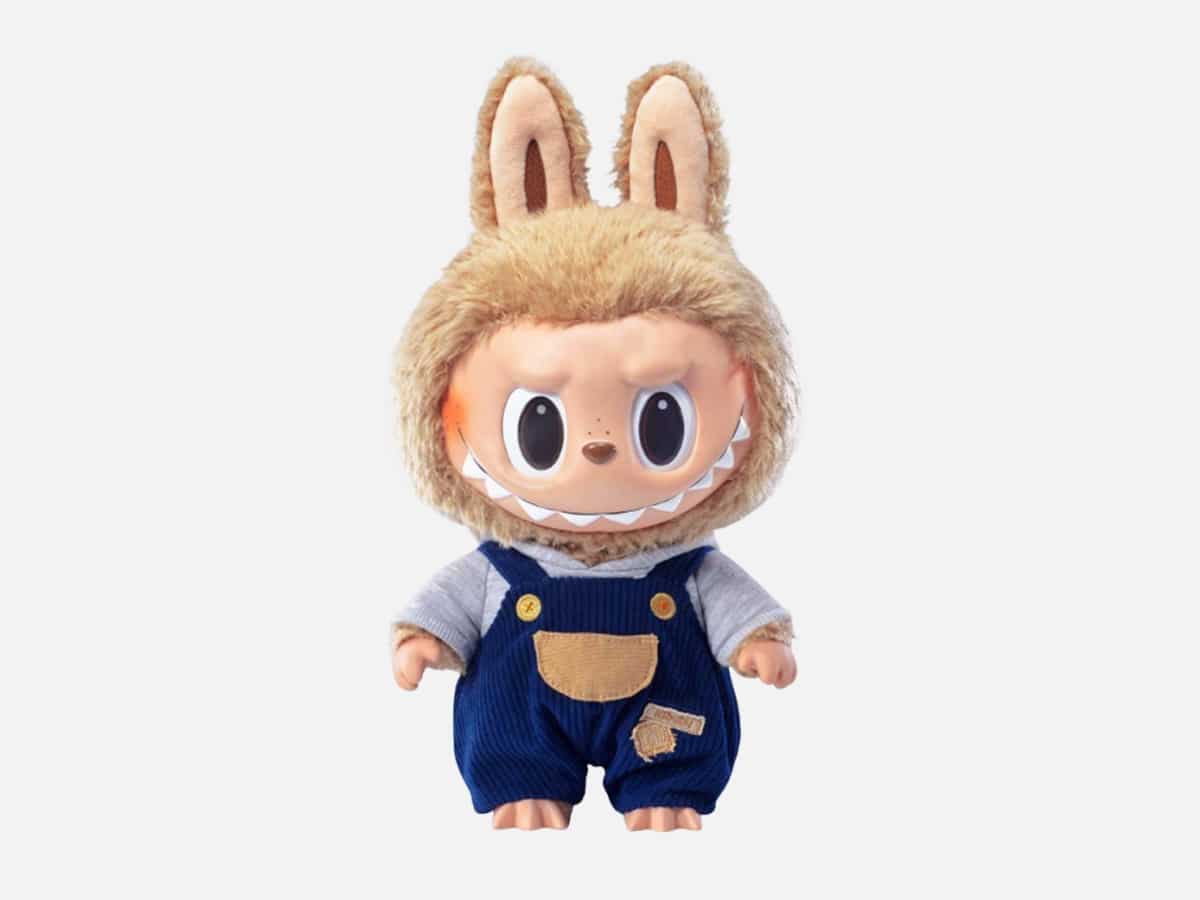
1. Labubu & Pop Mart
- The Vibe: Collectible Art / Streetwear / Cultural Currency
- The Need-to-Know: Designed by Hong Kong artist Kasing Lung, Pop Mart’s revenue exploded to roughly 37 billion yuan (~AUD $7.7 billion) in 2025. Rare drops fetch secondary market premiums up to 900% across 80+ countries.
- The Craft: The luxury mechanism here isn’t material heritage – it’s ritual scarcity. Blind boxes, limited drops, and a roaring secondary market apply the exact vocabulary of sneaker culture to art objects.
- Who It’s For: The entry-level collector. The guy signalling cultural awareness without a four-figure commitment. Think Rihanna’s bag charm – a knowing nod to insider street style.
- Price: From AUD $15–$100 at official retail. Resale prices vary widely on Dewu (Poizon) or StockX.
- Where to Buy: Pop Mart official app, flagship stores.
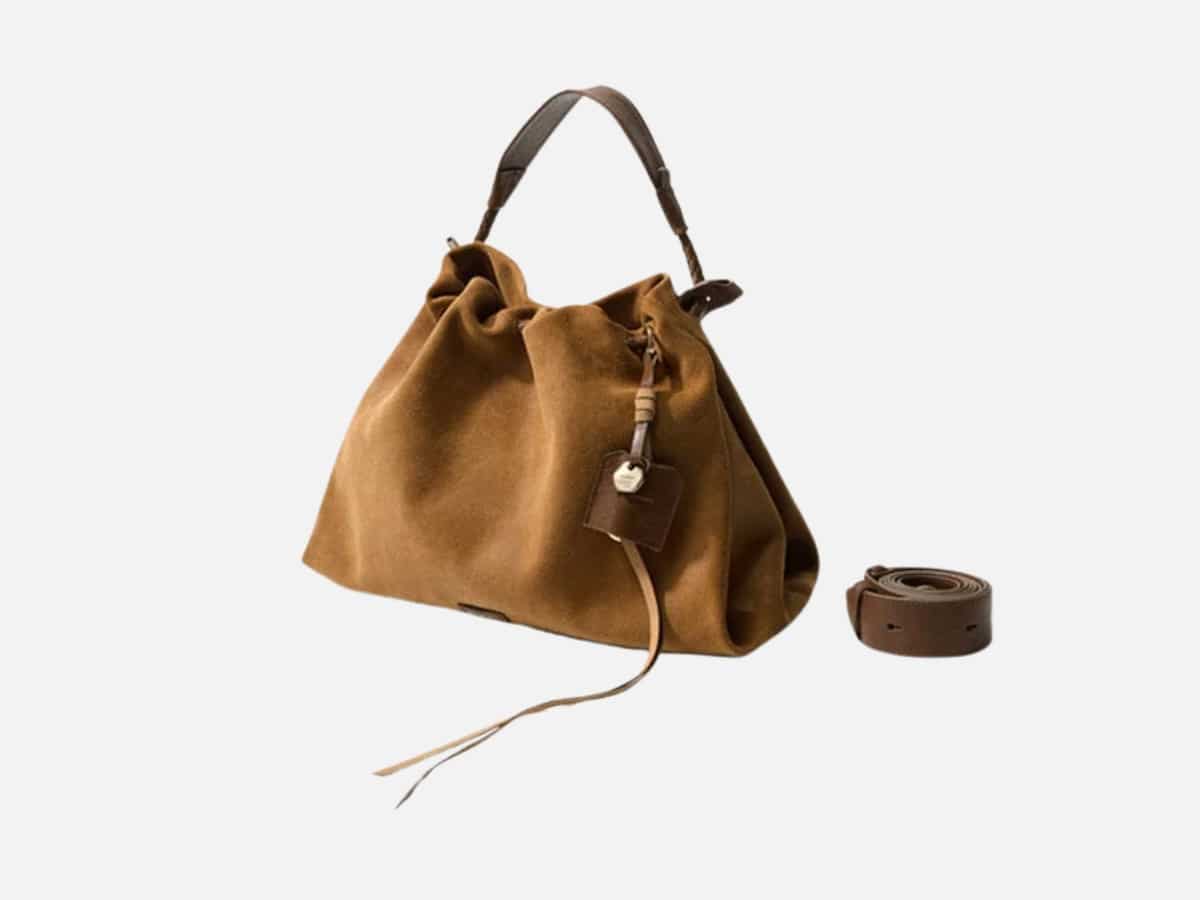
2. Songmont
- The Vibe: Leather Goods / Architectural Minimalism / Serious Craft
- The Need-to-Know: Founded in 2013 by Fu Song in Beijing, the brand leverages high-end manufacturing with premium global sourcing (like Italian full-grain leathers and saddle-stitching) at a fraction of European luxury prices.
- The Craft: The Luna Bag and ‘Hugging Bag’ compare to early Hermès silhouettes – not through imitation, but through a shared obsession with proportion, weight, and handle feel. The full-grain, vegetable-tanned leather naturally develops a premium patina.
- Who It’s For: The man who buys things that last. Someone who wants the quality argument over a loud logo. It’s perfect for the luxury sceptic who will change his mind the second he actually holds the product.
- Price: The cornerstone Luna Bucket Bag sits around AUD $580 (approx. USD $389). Cardholders and small leather goods start from roughly AUD $110.
- Where to Buy: Songmont or verified Tmall Global storefronts. Western stockists are limited, so sourcing direct is recommended.
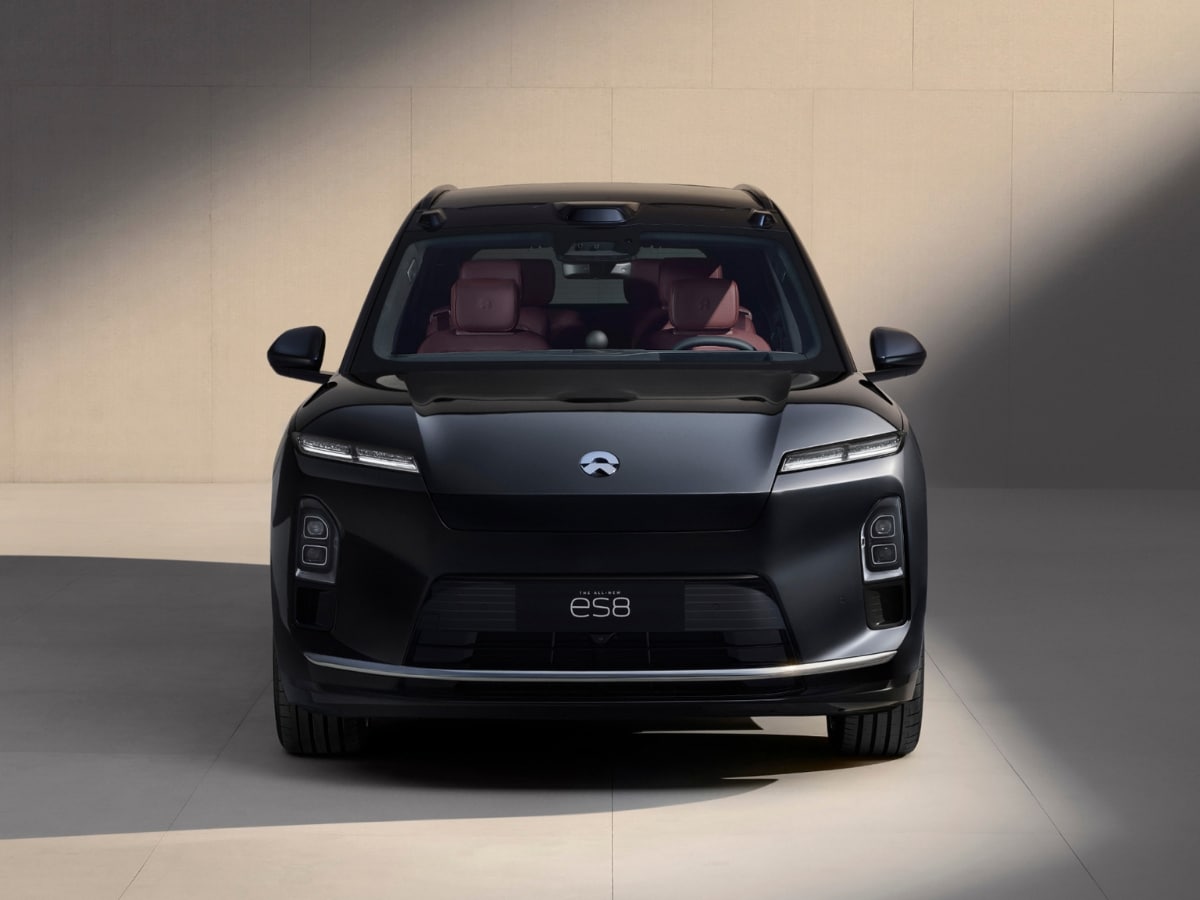
3. NIO
- The Vibe: Electric Vehicles / Premium Lifestyle / Members Club
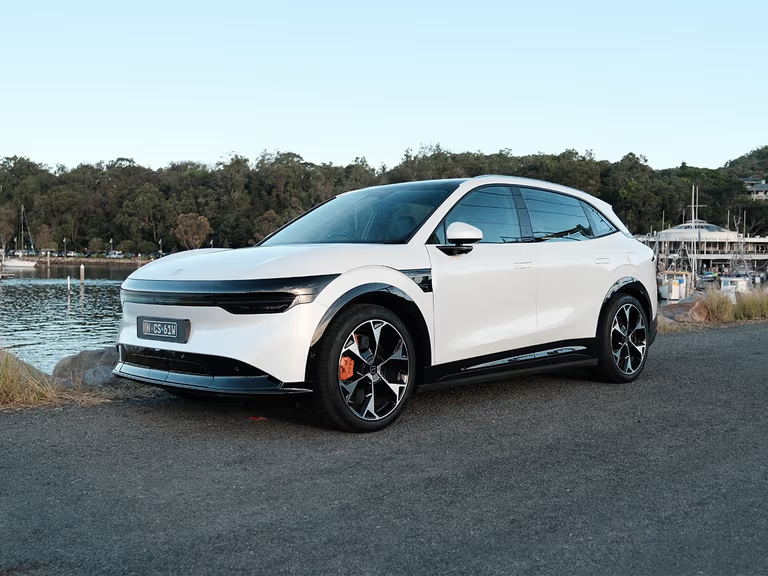
- The Need-to-Know: NIO’s executive flagship vehicle, the ET9, benchmarks at roughly AUD $160,000 (768,000 yuan). The broader brand ecosystem includes over 50 NIO House locations globally, which act as member clubs with coffee bars, co-working spaces, and curated apparel lines.
- The Craft: NIO is the only brand on this list that approached lifestyle from the product out, rather than fashion in. The apparel and accessories carry the same design DNA as their vehicles: restrained, material-conscious, and quietly expensive.
- Who It’s For: The forward-looking collector who values high-tech exclusivity. The flex here is partly the inaccessibility – NIO lifestyle pieces are currently harder to source in the West than a Ferrari watch.
- Price: Premium Merino knitwear and lifestyle accessories range from roughly AUD $278 upward, vehicles begin at ~AUD $64,000.
- Where to Buy: Exclusively via the official NIO app or physical NIO House locations. There is currently no wide Western e-commerce footprint.
Note: Confirm current Australian shipping availability before going to press, as NIO’s lifestyle retail distribution strategy shifts rapidly. The tight geographical control is the story here, not a limitation.
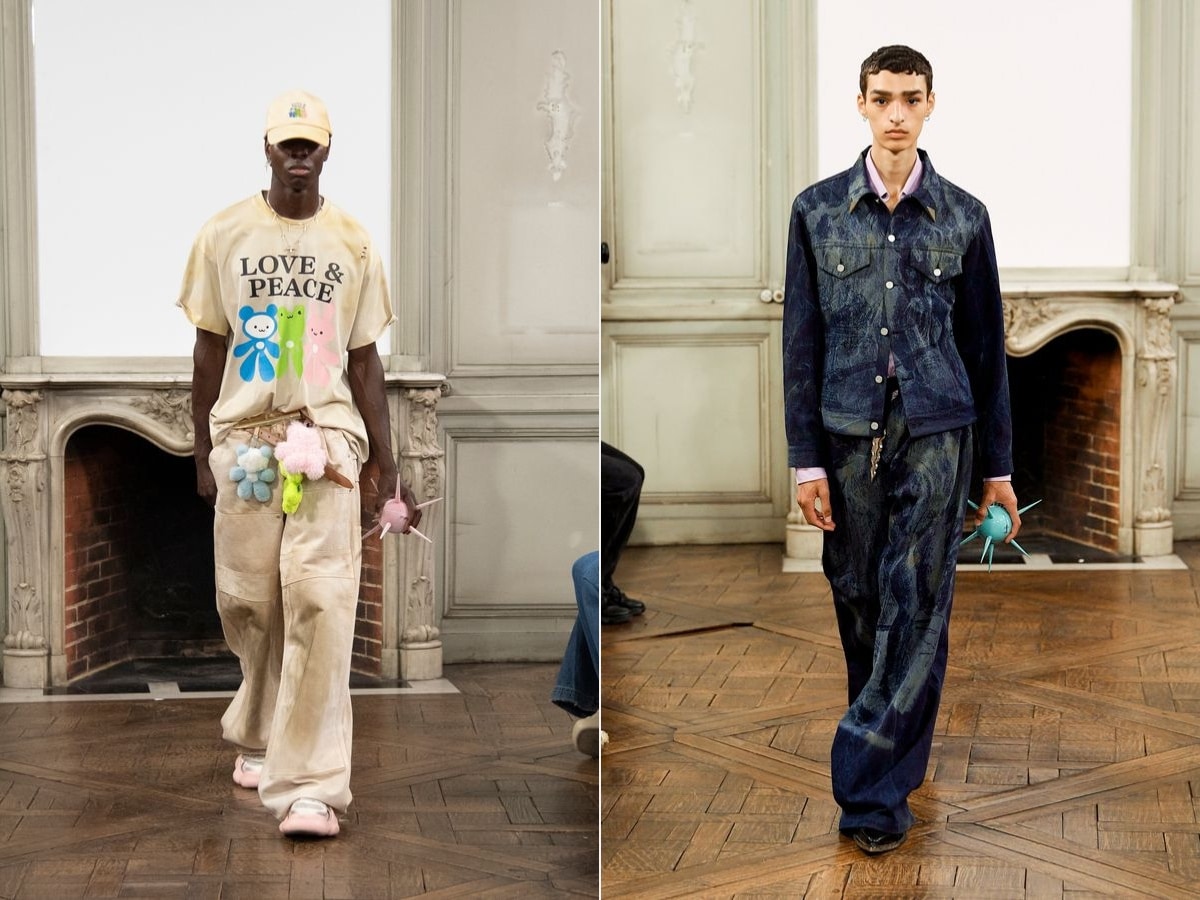
4. SANKUANZ
- The Vibe: Avant-Garde Menswear / Paris Fashion Week / Conceptual Tailoring
- The Need-to-Know: Spearheaded by designer Shangguan Zhe, SANKUANZ has been a mainstay on the official Paris Fashion Week Men’s schedule since 2014. Its conceptual peers are heavyweight disruptors like Comme des Garçons and Rick Owens.
- The Craft: The brand draws heavily from Chinese mythology, subcultural dressing, and post-apocalyptic tailoring. Expect hand-worked volumes and unconventional materials held together by meticulous construction. This isn’t fashion-adjacent – it is high fashion on its own terms.
- Who It’s For: The collector with absolute conviction. This is not an entry-level, everyday buy; a SANKUANZ piece is an aesthetic argument, not just a decoration.
- Price: Graphic tees and transitional streetwear items start from AUD $250, while full architectural runway looks run from AUD $835 to well into four figures.
- Where to Buy: SANKUANZ official channels, HBX, and select premium multibrand luxury retailers.
5. Shang Xia
- The Vibe: Heritage Craft / Hermès-Founded / The Pinnacle of Luxury
- The Need-to-Know: Co-founded in 2008 alongside Hermès, the brand translates 5,000 years of Chinese material culture into contemporary daily life. While Hermès exited its financial stake recently, the brand’s uncompromising creative mandate remains entirely intact.
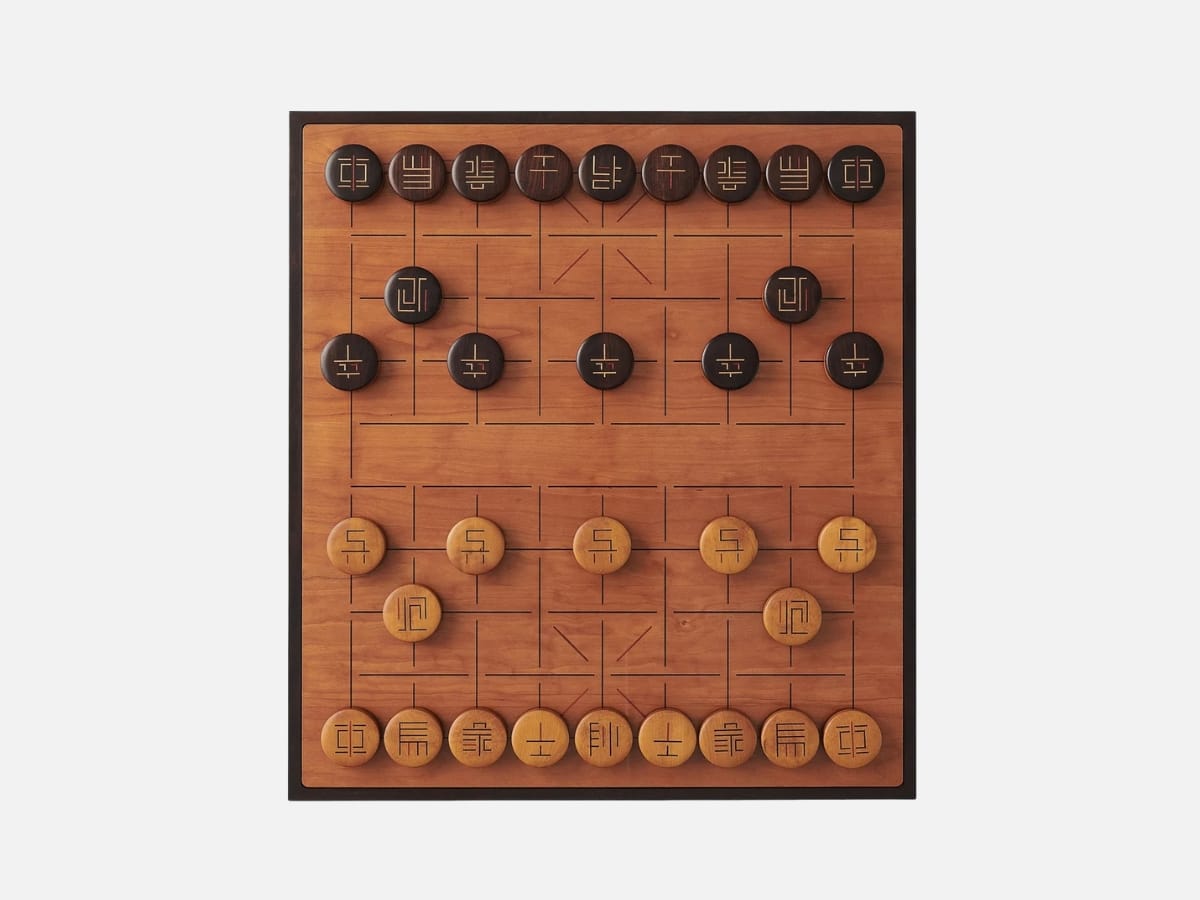
- The Craft: This is the ultimate civilisation story. Utilizing rare materials like zitan hardwood, imperial Jingdezhen porcelain, bamboo carbon-fibre, and high-grade cashmere, their pieces aren’t trend items – they are the kind of heritage objects that eventually end up in museum collections.
- Who It’s For: The man whose apartment has already answered the question of taste. It is the correct gift for the person who already has everything, and the definitive answer to the question “What is Chinese luxury?”
- Price: Heritage porcelain tea sets start from ~AUD $556, while ready-to-wear cashmere pieces and artisan furniture clear AUD $1,110 and rapidly scale upward.
- Where to Buy: shangxia.com or their exclusive flagship boutiques in Paris, Shanghai, and Beijing.
Their signature cashmere coat is the wearable peak of the collection, while a bamboo carbon-fibre chair is the room’s answer to every other design object in it. Do not present Shang Xia as “Chinese luxury trying to be European” – it is explicitly, deliberately the inverse.
4 Steps to Avoiding Drop-Shippers and Finding Verified Sellers
1. Buy from official brand channels first
Pop Mart official app and flagship stores are the only guaranteed-authentic Labubu sources. Songmont sells directly via its website and Tmall Global. Shang Xia is boutique and website only. If someone else is selling it cheaper, they are selling a fake, selling at a loss to acquire data, or both.
2. Use Tmall Global and JD Worldwide for verified China-sourced purchases
Both platforms operate brand-authenticated flagship stores with international shipping and buyer protection. For Songmont specifically, Tmall Global is the cleanest Western-facing path to verified product.
3. Understand the secondary market before you enter it
For Pop Mart, StockX and Dewu (Poizon) operate authenticated resale with price history. Never pay secondary market premium for a piece still available primary. For SANKUANZ, Grailed is the most reliable Western secondary source – check seller history carefully.
4. Request provenance documentation for high-value pieces
For Shang Xia and premium SANKUANZ pieces, ask for original receipts, authenticity cards, and certificate of material origin. Legitimate sellers expect the question. If asking it makes a seller uncomfortable, that is the answer.
Common Questions About Luxury Chinese Brands
Yes, the current wave of premium Chinese brands has shifted entirely away from volume manufacturing toward heritage craft, high-end materials, and cutting-edge engineering. Labels like Songmont utilise premium Italian leathers, German threading, and meticulous hand-assembly that easily rivals traditional European fashion houses at a much more rational price point. In the tech space, automotive innovators like NIO run on highly advanced 925-volt electrical architectures that outperform many Western EV equivalents.
Global luxury conglomerates are looking East for two primary reasons: rapid domestic growth and true design innovation. While early partnerships – like Hermès co-founding Shang Xia, were aimed at capturing regional market share, titans like LVMH’s Bernard Arnault are now scouting Chinese labels as genuine, best-in-class global propositions. These brands offer a unique blend of 5,000-year cultural heritage and hyper-modern marketing intelligence that appeals directly to younger, value-conscious luxury collectors globally.
To completely avoid drop-shippers and counterfeit rings, always prioritise official brand channels, standalone flagship boutiques, or authenticated e-commerce platforms like Tmall Global and JD Worldwide. For high-hype collectible brands like Pop Mart (Labubu), secondary resale platforms like StockX and Dewu (Poizon) offer strict verification processes. When sourcing high-value archival apparel from brands like SANKUANZ on peer-to-peer marketplaces, always request original store receipts, authenticity cards, and certificate documentation before transferring funds.








Comments
We love hearing from you. or to leave a comment.