


Updated:
Readtime: 4 min
Every product is carefully selected by our editors and experts. If you buy from a link, we may earn a commission. Learn more. For more information on how we test products, click here.
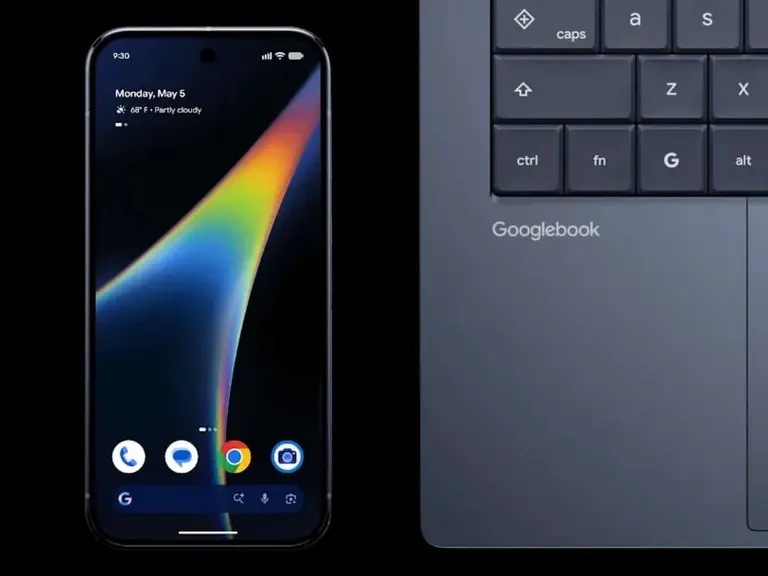
- Google has revealed a new laptop category called Googlebook
- The devices are built around Gemini Intelligence and Android integration
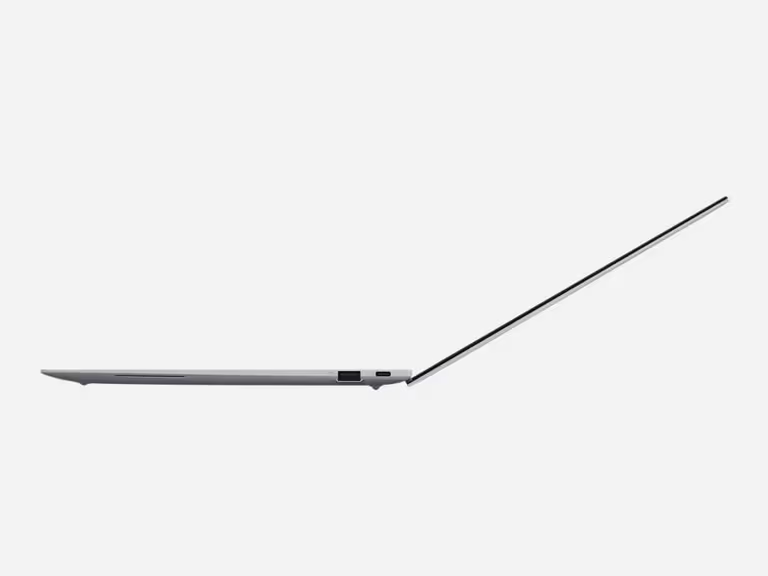
- Google says the laptops are designed with premium hardware and materials
- Features include Magic Pointer, Quick Access and AI-generated desktop widgets
- Acer, ASUS, Dell, HP and Lenovo will build the first Googlebooks later this year
For years, Chromebooks succeeded because they were cheap, simple and good enough for basic computing. Schools loved them. Casual users tolerated them. But very few people actually aspired to own one.
The recently announced Googlebook feels like Google is finally acknowledging that affordability and simplicity alone will no longer cut it.
Announced during The Android Show ahead of Google I/O 2026, Googlebook is a new category of Gemini-powered laptops designed around tighter Android integration, AI-assisted workflows and more premium hardware experiences. And while Google is pitching features like Magic Pointer and AI-generated widgets, the bigger story is that the company finally appears ready to move beyond the “budget Chromebook” era.

Why Googlebook Matters More Than Another Chromebook
People are no longer just opening a browser and checking email. They’re juggling dozens of Chrome tabs, cloud apps, video calls, Spotify, AI tools and phone notifications all at once. A laptop that simply functions is no longer enough. It has to keep up without freezing under a mountain of browser tabs and background apps halfway through the day.
That’s where Apple has spent years outperforming cheaper Windows laptops and Chromebooks alike. Even before the MacBook Neo arrived, the MacBook Air already made a lot of cheaper laptops feel disposable by comparison.
Googlebook feels like Google’s attempt to close some of that gap for Android users.
Much like the Neo, Google isn’t positioning these as creator-focused machines for heavy video editing or 3D rendering. Instead, Googlebook is aimed at a far larger audience: people who just want a laptop that handles modern life cleanly without getting in the way.

Gemini Intelligence and Android Integration Explained
The new laptops are built on a blend of Android and ChromeOS, allowing tighter integration between Android phones and Googlebook devices. Features like Quick Access let users browse files stored on their phones directly from the laptop’s file manager, while app continuity is designed to make switching between devices feel more seamless.
Google is also heavily leaning into Gemini Intelligence throughout the experience. The headline feature is Magic Pointer, an AI-powered cursor tool that offers contextual suggestions depending on what is on-screen. Point at a date in an email and it may suggest creating a meeting. Select an image of your living room and a couch, and Gemini can visualise them together instantly.
Some of the demos still feel a little half-baked, particularly as consumers continue to push back against AI features being forced into every corner of their devices. But Google clearly sees Gemini as the layer that separates Googlebook from the Chromebook era.
Importantly, Google is also talking about premium craftsmanship for the first time in years. Acer, ASUS, Dell, HP and Lenovo are all confirmed to be building Googlebooks, with Google promising higher-end materials, thinner designs and a distinctive “glowbar” element across the category.
That doesn’t mean Googlebook is guaranteed to succeed. There are major questions around pricing, battery life, performance and how well these systems actually handle heavy multitasking in the real world. Google hasn’t announced detailed specs or release dates yet, with more information expected later this year.
Because at a certain point, “cheap but functional” stops being good enough. And if Googlebook succeeds, affordable laptops across the board may finally have to keep up with how people actually use computers.
As for whether Googlebook can become a genuine challenger to the Macbook Air, watch this space.
























Comments
We love hearing from you. or to leave a comment.