

Updated:
Readtime: 15 min
Every product is carefully selected by our editors and experts. If you buy from a link, we may earn a commission. Learn more. For more information on how we test products, click here.
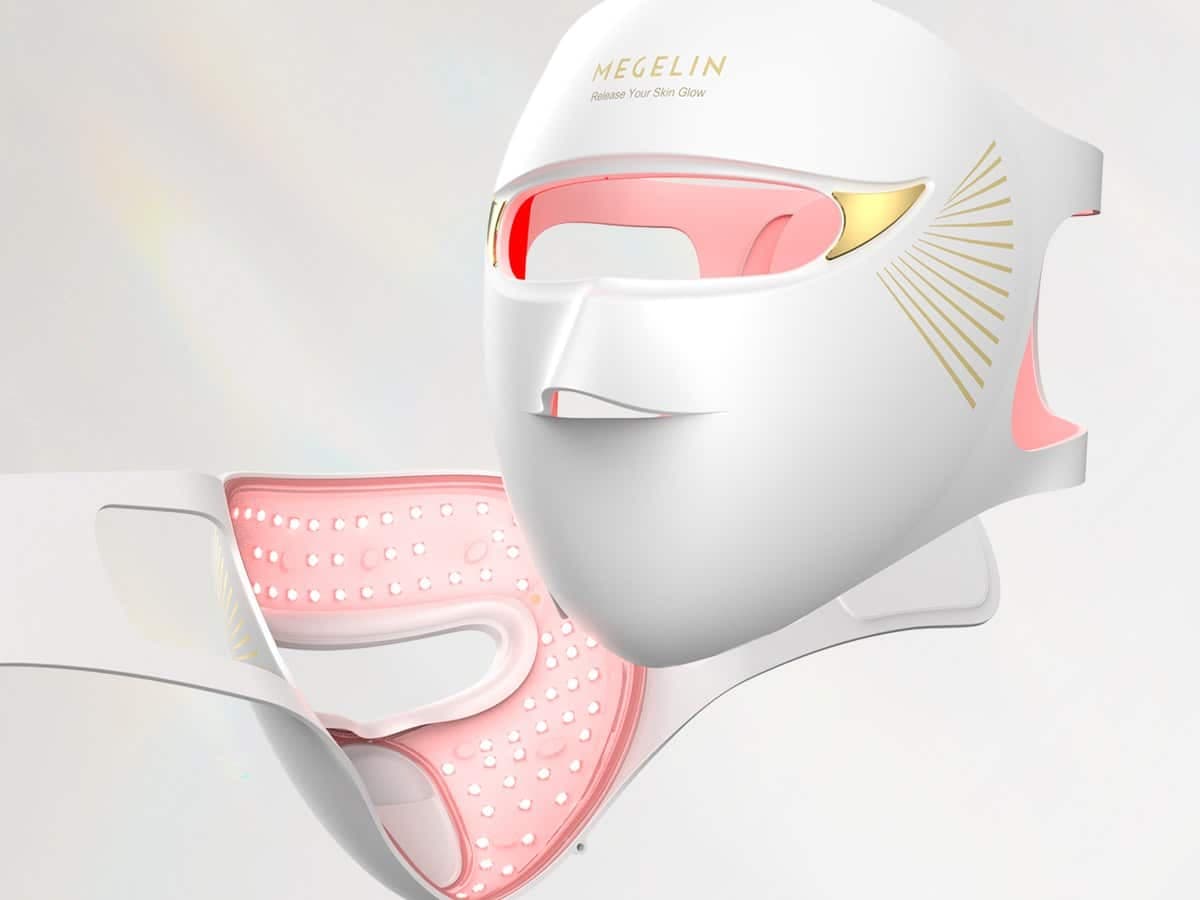
I’ve spent the past 18 months rebuilding my health from scratch. Down 10kg, training at F45 Darlinghurst five days a week, tracking every macro in Macrofactor, sleeping on an Eight Sleep Pod 4, and monitoring recovery through my Oura Ring 4. With HYROX on 5 July, I’ve been obsessively optimising inputs and outputs. But there was one glaring gap in the stack: my face. As a 37-year-old who grew up surfing in Sydney with a casual relationship with sunscreen, the accumulated UV damage was starting to show. Fine lines around the eyes. Some uneven pigmentation on the forehead. The kind of stuff you ignore in your twenties and pay for in your late thirties. So when Megelin asked me to test their Duo-Lux LASER & LED Light Therapy Mask, I said yes, with one condition: I’d be honest about it.
Megelin Duo-Lux Review: The TL;DR
- First consumer face mask to combine both laser diodes and LEDs in a single unit
- 76 quad-chip LEDs (304 chips) plus 40 laser diodes across six wavelengths (593nm, 630nm, 668nm, 850nm, 1060nm, 1064nm)
- FDA-cleared, Class 3R lasers rated safe for skin and eyes under normal use
- 10-minute sessions, three to four times per week; foldable silicone design with USB-C charging
- Priced at USD $549 (down from USD $799 RRP), which sits mid-range against competitors like CurrentBody and Omnilux
- I’m early in testing, so this review covers first impressions, the science, and a frank assessment of limitations
Why I Added Light Therapy to the Routine
Growing up on Sydney’s eastern beaches, I collected sun damage the way most Aussie kids collected Tazos. No hat, no rashie, zinc only when Mum physically applied it. That kind of UV exposure compounds quietly. According to the Cancer Council, two in three Australians will be diagnosed with skin cancer by age 70, and even below that threshold, photoaging accounts for up to 90 per cent of visible skin changes. I started noticing crow’s feet at 34. By 36, the forehead lines had settled in permanently.
I’d already been exploring the biohacking and biotracking space for fitness and sleep. Red light therapy kept appearing in the research, particularly around collagen stimulation and cellular repair. The idea of a passive, 10-minute treatment that could slot into my existing routine, alongside an existing interest in men’s skincare in the 30s and 40s, made it a logical next step.
This isn’t about vanity. It’s about treating my skin with the same data-informed approach I apply to sleep, nutrition, and training. If the science holds up, a consistent photobiomodulation protocol could slow some of the damage I’ve already accumulated.
The Science Behind LED and Laser Light Therapy
The science on at-home light therapy is promising but not settled. There’s real clinical evidence, and there’s also marketing that stretches that evidence well beyond what studies actually show. Here’s what the peer-reviewed literature says.
A controlled trial published in Photomedicine and Laser Surgery by Wunsch and Matuschka found that subjects treated with red (611-650nm) and near-infrared (570-850nm) light showed “significantly improved skin complexion and skin feeling, profilometrically assessed skin roughness, and ultrasonographically measured collagen density.” Treated subjects reported softer periorbital wrinkles, and histologic examination showed increased number and thickness of collagen fibrils.
More recently, a 2025 multi-centre, randomised, double-blind, sham-controlled study published in Medicine tested LED and infrared light (600-660nm / 800-860nm) on 60 subjects for crow’s feet treatment. The active treatment group showed statistically significant wrinkle improvement versus sham.
On the laser side, a 2024 systematic review in the Journal of Cosmetic Dermatology (Shurrab, 2024) concluded that low-level laser therapy is “a safe and effective solution” for skin rejuvenation, though it flagged “methodologic flaws, small patient cohorts, and industry funding” as limitations across the evidence base. That’s an honest caveat worth remembering.
The 1064nm wavelength used in the Duo-Lux is particularly interesting. A systematic review in PMC found that 1064nm light penetrates 5-10mm beneath the skin surface, reaching the reticular dermis and subcutaneous layers. That’s deeper than standard red LED wavelengths (630-660nm), which primarily work in the epidermis and upper dermis. Whether that deeper penetration translates to meaningfully better outcomes for at-home devices, versus clinical-grade systems, remains an open question.
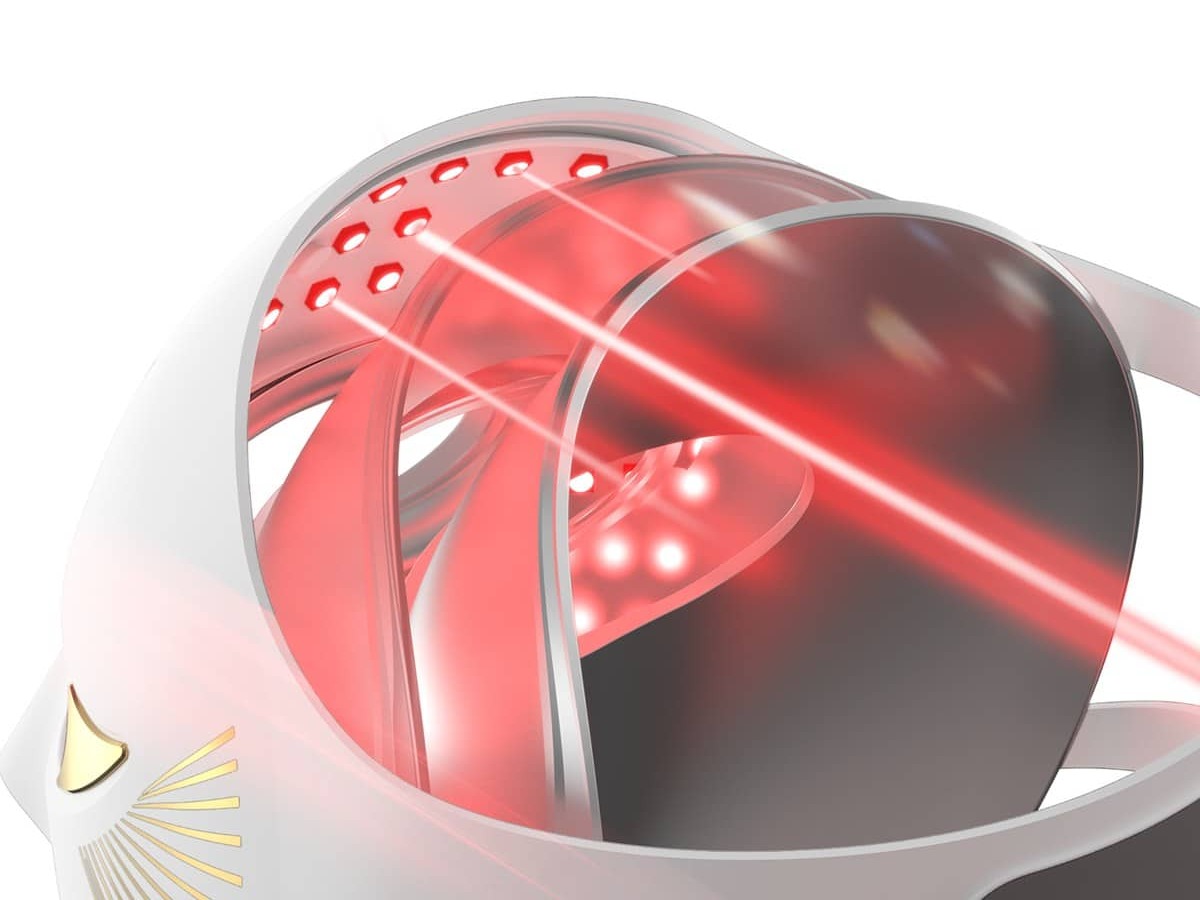
The mechanism is photobiomodulation: light energy absorbed by mitochondrial cytochrome c oxidase increases ATP production, which in turn stimulates fibroblast proliferation and collagen synthesis. It’s genuine photochemistry. But the dose, duration, and consistency matter enormously, and most positive studies use clinical-grade equipment with higher irradiance than consumer devices deliver.
What Using the Duo-Lux Actually Looks Like
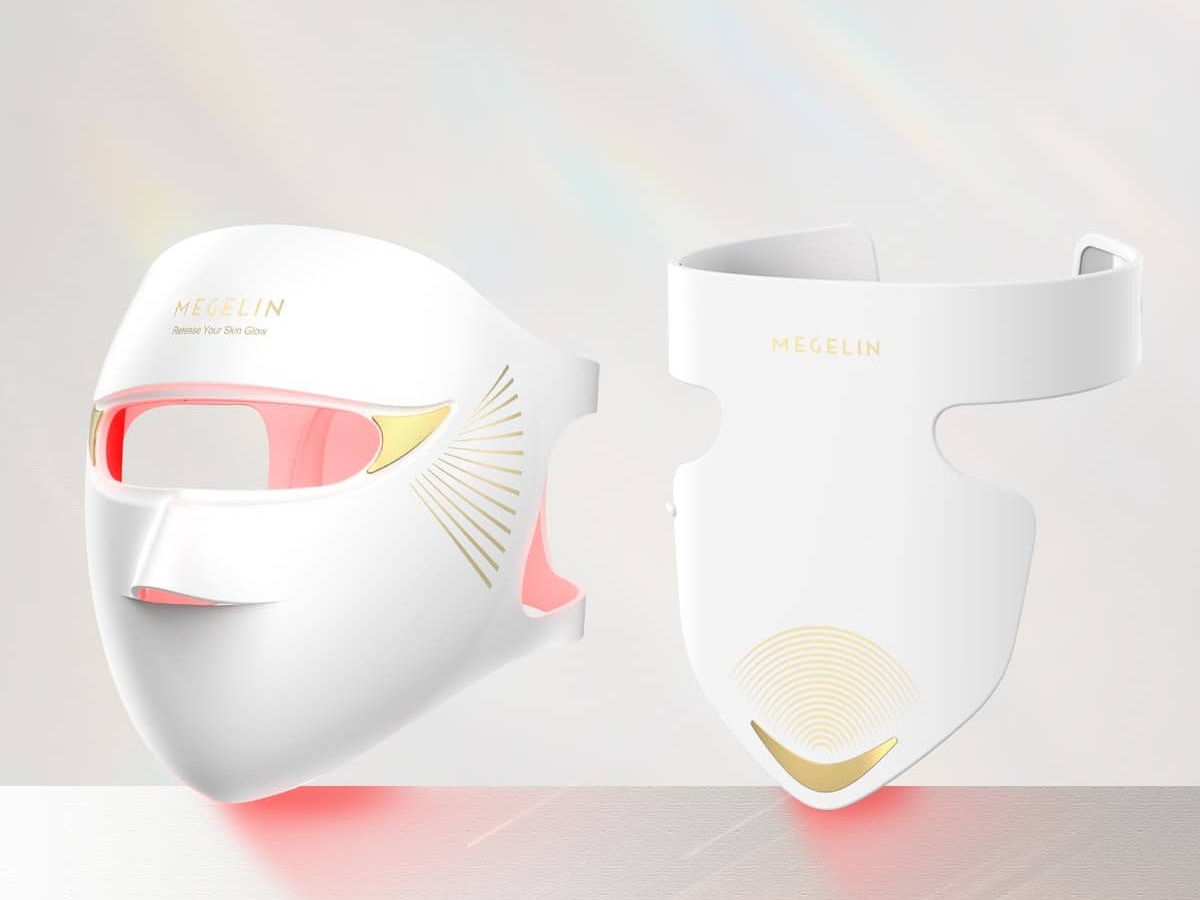
The Duo-Lux is a foldable silicone mask that wraps around your face and secures with a dual-strap system. It connects to a handheld controller via cable, which manages four preset treatment modes. The controller has a clear display but, annoyingly, doesn’t label the modes on screen; you’ll need the manual handy for the first few sessions.
Each session runs 10 minutes. The recommendation is three to four times per week, which is manageable. I’ve been using it after my evening shower, before my skincare routine. Clean, dry skin. Mask on. Lie on the couch. Done.
Comfort is genuinely good. The silicone is soft, and the nose bridge sits without excessive pressure, which I know has been a complaint with other masks. The fit around the jawline and temples is decent, though not perfect; there’s some gapping at the outer edges if you have a narrower face.
The sensation during treatment is subtle. A mild warmth, nothing uncomfortable. Taking it off, the silicone can feel slightly sticky against skin, which is normal but good to know about. Battery life is rated at around two hours of use from a 2600mAh cell, charging via USB-C in about four hours. I’ve been getting roughly 10-12 sessions per charge, which tracks.
My routine over the first few weeks: I started at three sessions per week and built to four. No irritation, no redness beyond a slight flush that subsided in five minutes. I want to be clear that I haven’t been using it long enough to make definitive claims about wrinkle reduction or skin texture improvement. The manufacturer claims 92.6 per cent wrinkle reduction in two weeks, which I’d treat with scepticism until I see the underlying study methodology. My experience after a handful of sessions: skin feels slightly smoother post-treatment, but I can’t isolate whether that’s the mask or the fact that I’ve finally committed to a proper nightly skincare routine alongside it.
Safety and Medical Considerations
This article is not medical advice. Consult a dermatologist before starting any light therapy regimen.
Safety was my primary concern going in. When I heard “laser on face,” my first thought was skin damage, not skin repair. Here’s what I found.
The Duo-Lux uses Class 3R lasers, which are FDA-cleared for consumer use. Class 3R means the lasers are low-risk under normal conditions but could cause eye injury with prolonged direct viewing. The mask is designed to shield your eyes during treatment, and the lasers target specific zones (forehead, nasolabial folds, eye area) rather than blasting the entire face.
Contraindications to be aware of:
- Photosensitising medications (including some antibiotics, retinoids, and NSAIDs) can amplify the skin’s response to light therapy. Check with your GP if you’re on any medication
- Active skin conditions like eczema, psoriasis flare-ups, or open wounds in the treatment area
- Pregnancy (insufficient safety data for light therapy during pregnancy)
- History of seizures or epilepsy (the light output, while steady, may be a concern for some individuals)
- Recent cosmetic procedures such as chemical peels, laser resurfacing, or injectable fillers; wait until fully healed
I’d recommend starting conservatively: two sessions in your first week, building to three or four by week three. If you notice any persistent redness, irritation, or discomfort, stop and see a dermatologist before continuing. The fact that the device is FDA-cleared provides a baseline of safety assurance, but “cleared” is not the same as “approved.” FDA clearance means the device is substantially equivalent to a legally marketed predicate device, not that it has undergone the more rigorous pre-market approval process.
Megelin Duo-Lux Limitations
I want to be direct about the shortcomings.
Coverage gaps. Independent testing by Light Therapy Insiders found the LED placement leaves noticeable gaps at the crow’s feet area, under-eyes, temples, jawline, and nose. For a mask that specifically targets ageing, weak coverage at the crow’s feet is a real oversight. The lasers target three specific zones rather than providing uniform coverage, which means you’re getting pinpoint treatment in those areas and broad LED coverage everywhere else, with some dead spots.
Laser irradiance questions. The same independent review measured actual laser output at 13-14 mW/cm², versus the manufacturer’s claimed 70 mW/cm². If accurate, that’s a significant discrepancy. The overall dose of 11.6 J/cm² per 10-minute session still falls within the therapeutic range identified in clinical studies, but the laser-specific claims need scrutiny.
Warranty. One year only, with a 20 per cent restocking fee on returns. For a USD $549 device, that’s below expectations. Omnilux offers two years. CurrentBody offers two years on their Series 2.
It’s early days for laser-plus-LED masks. The Duo-Lux is marketed as the first mask combining both technologies, which is genuinely novel. But novel also means less long-term user data. Most of the clinical literature on photobiomodulation uses either LED or laser, not combined. Whether the combination offers synergistic benefits beyond what LEDs alone provide is an unanswered question.
Controller UX. The four treatment modes aren’t labelled on the controller. You need the manual to know which mode you’re selecting. Minor, but sloppy for a premium product.
Megelin Duo-Lux vs Alternatives
The at-home LED mask market has matured quickly. Here’s how the Duo-Lux stacks up against the established players.
CurrentBody Series 2 (USD $470) offers 236 LED bulbs across three wavelengths (633nm, 830nm, 1072nm) with the brand’s proprietary Veritace testing system ensuring LED consistency. No lasers, but strong, even coverage and a two-year warranty. If you want proven LED therapy without the laser experiment, this is the safe pick.
Omnilux Contour Face (approx. USD $395) uses 132 LEDs across red (633nm) and near-infrared (830nm). It’s the most clinically referenced consumer mask, with FDA, CE, and TGA certifications. The two-year device warranty is reassuring. Lower LED count and fewer wavelengths than the Duo-Lux, but Omnilux’s clinical pedigree is strong. They also make a dedicated men’s version worth considering.
Dr. Dennis Gross DRx SpectraLite FaceWare Pro (USD $455) takes a different approach with 162 LEDs across red and blue modes, targeting both ageing and acne in three-minute sessions. The rigid shell design won’t suit everyone, but the short treatment time is a genuine advantage if compliance is your concern.
The Duo-Lux’s unique selling point is the laser component and the six-wavelength coverage. Whether the lasers justify the premium over LED-only masks depends on future independent validation. On pure LED performance, the CurrentBody Series 2 offers more LEDs and better coverage at a lower price.
Who Should Buy the Megelin Duo-Lux
- You’re already committed to a consistent skincare routine and want to add photobiomodulation as an additional tool
- You’re interested in the combined laser-plus-LED approach and comfortable being an early adopter of the technology
- You can commit to three to four 10-minute sessions per week consistently; light therapy doesn’t work if the mask sits in a drawer
- You have realistic expectations: subtle improvement over months, not a facelift alternative
Who Should Skip It
- You’re looking for a proven, well-established LED mask with extensive independent validation. Omnilux or CurrentBody have longer track records
- You’re on photosensitising medication or have active skin conditions. See a dermatologist first
- You want a budget option. At USD $549, this is a significant investment for a category where cheaper alternatives exist
- You expect dramatic results in two weeks. The clinical literature suggests consistent use over eight to twelve weeks for measurable changes
- You prioritise strong warranty protection. One year with a restocking fee is below par
Megelin Duo-Lux Tech Specs
| Specification | Detail |
|---|---|
| Light Sources | 76 quad-chip LEDs (304 chips) + 40 laser diodes |
| Wavelengths | 593nm (amber LED), 630nm (red LED), 668nm (red laser), 850nm (NIR LED), 1060nm (deep NIR LED), 1064nm (NIR laser) |
| Laser Classification | Class 3R (FDA-cleared) |
| Dose per Session | 11.6 J/cm² (10-minute session) |
| Treatment Modes | 4 preset modes |
| Session Duration | 10 minutes |
| Recommended Frequency | 3-4 times per week |
| Battery | 2,600mAh; approx. 2 hours use per charge |
| Charging | USB-C, approx. 4 hours to full |
| Design | Foldable silicone, dual-strap system |
| Price | USD $549 (RRP USD $799) |
| Warranty | 1 year |
Verdict
The Megelin Duo-Lux is an ambitious product that combines technologies no other consumer mask currently offers. The six-wavelength coverage spanning amber, red, and near-infrared across both LED and laser is genuinely novel, and the clinical science supporting photobiomodulation for skin rejuvenation is real, if still maturing.
But ambition and execution are different things. The coverage gaps at key ageing zones, the discrepancy between claimed and measured laser output, and the underwhelming warranty all temper my enthusiasm. I’m also conscious that I’m early in my testing. Any reviewer who tells you a light therapy mask transformed their skin in two weeks is selling you something. The honest timeline for measurable results, based on the clinical literature, is eight to twelve weeks of consistent use.
I’ll be continuing to use the Duo-Lux through my HYROX training block and plan to revisit this review with a long-term update once I’ve accumulated enough data points. For now, if you’re specifically interested in the laser-LED combination and comfortable being on the early-adopter curve, the Duo-Lux is worth considering at its current sale price. If you want the most validated option with the least risk, the Omnilux Contour or CurrentBody Series 2 remain the safer bets.
It joins my Eight Sleep, Oura Ring, and Macrofactor in the “optimisation stack.” Whether it earns a permanent spot depends on the next three months.
This is a paid partnership with Megelin. Scott received the Duo-Lux mask and was compensated for this review. All opinions are his own. This article does not constitute medical advice. Consult a dermatologist before starting any light therapy regimen.
The Duo-Lux is FDA-cleared and uses Class 3R lasers, which are rated safe for skin and eyes under normal use conditions. However, it is not suitable for everyone. People on photosensitising medications, those with active skin conditions, or anyone who is pregnant should consult a dermatologist before use. Always follow the manufacturer’s instructions and start with fewer sessions per week to gauge your skin’s response.
Clinical studies on photobiomodulation generally measure outcomes over 8 to 12 weeks of consistent use, with sessions three to five times per week. Some users report improved skin texture within a few weeks, but measurable changes in wrinkle depth and collagen density typically require longer commitment. Be sceptical of any product claiming dramatic results in under two weeks.
LEDs emit light that spreads across a broad area, providing even coverage for general skin rejuvenation. Lasers concentrate light into a focused point, allowing deeper penetration at specific target zones. The Duo-Lux combines both: LEDs for full-face coverage and lasers targeting the forehead, nasolabial folds, and eye area. Whether the combination offers advantages over LED alone is still being studied.
It is generally recommended to use the mask on clean, dry skin before applying serums or active ingredients. Retinol and certain acids can increase photosensitivity, so using them immediately before light therapy may increase the risk of irritation. Apply your actives after your light therapy session, or consult a dermatologist if you are using prescription-strength retinoids.
The Omnilux Contour Face uses 132 LEDs across two wavelengths (633nm red and 830nm near-infrared) and costs approximately USD $395. It has FDA, CE, and TGA certifications plus a two-year warranty. The Duo-Lux offers more wavelengths (six versus two), includes laser diodes, and costs USD $549. Omnilux has a stronger clinical track record and better warranty terms, while the Duo-Lux offers broader wavelength coverage and the novel laser-LED combination.
Yes, but with caveats. Peer-reviewed studies published in journals including Medicine, Photomedicine and Laser Surgery, and the Journal of Cosmetic Dermatology have demonstrated that red and near-infrared light at specific wavelengths (typically 630-660nm and 800-860nm) can stimulate collagen production and improve skin texture. However, many studies use clinical-grade equipment with higher output than consumer devices, and researchers have flagged small sample sizes and industry funding as limitations across the evidence base.
The mask is designed with built-in eye shielding, and the manufacturer states that eye protection is not required during normal use. The Class 3R laser classification means the lasers are low-risk under intended use conditions. That said, if you have any eye conditions or concerns, consult an ophthalmologist before using any device that emits light near the eye area.


























Comments
We love hearing from you. or to leave a comment.