

Updated:
Readtime: 5 min
Every product is carefully selected by our editors and experts. If you buy from a link, we may earn a commission. Learn more. For more information on how we test products, click here.
You watched the Seahawks close it out in Santa Clara. Big throws. Clean execution. Patriots chasing late. All the usual Super Bowl noise (halftime included).
What you probably didn’t think about was how much of that night ran through Sony hardware. Not in a logo-on-the-screen way. In a practical sense.
From the headsets on the sidelines to the cameras in the rafters to the replay system upstairs, Sony’s tech held up nearly every layer of National Football League operations at Super Bowl LX.
And this year, that footprint was bigger than ever.
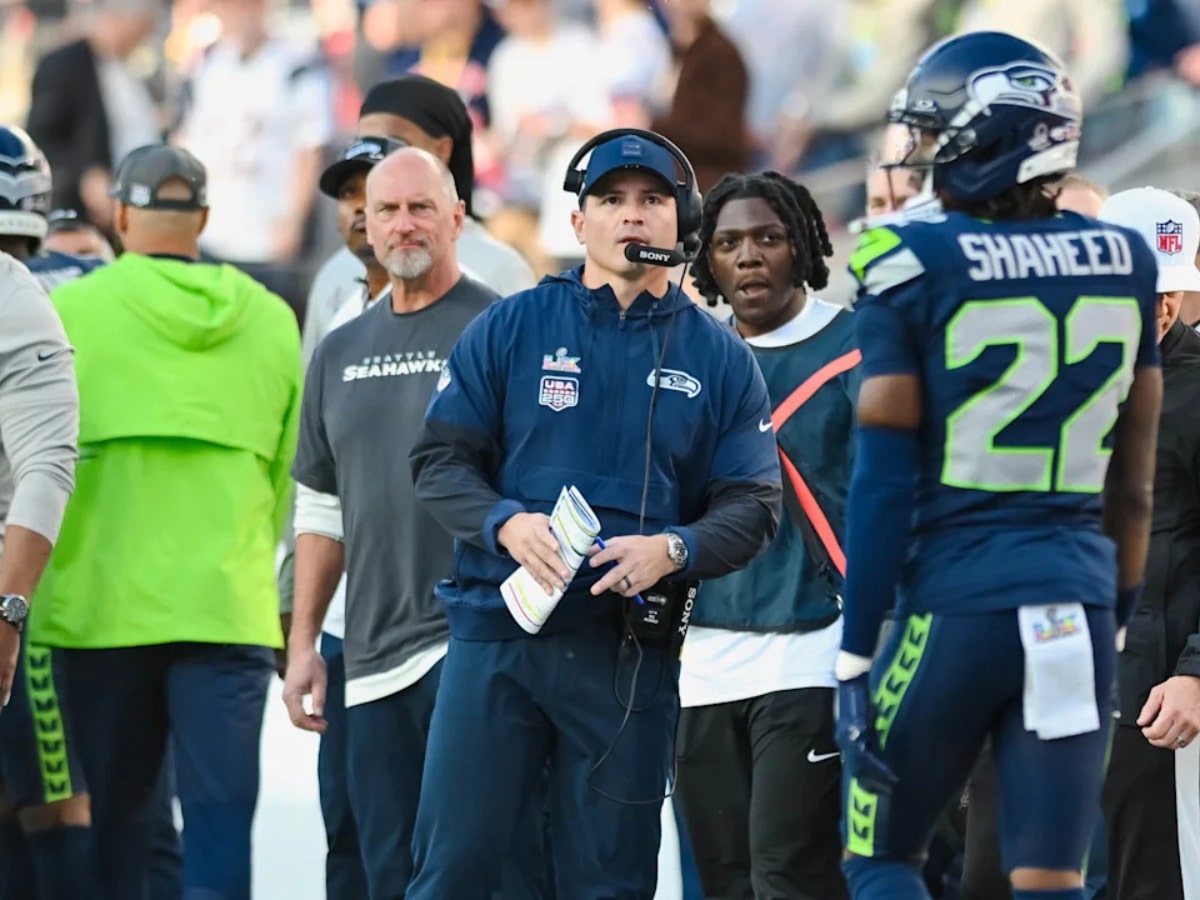
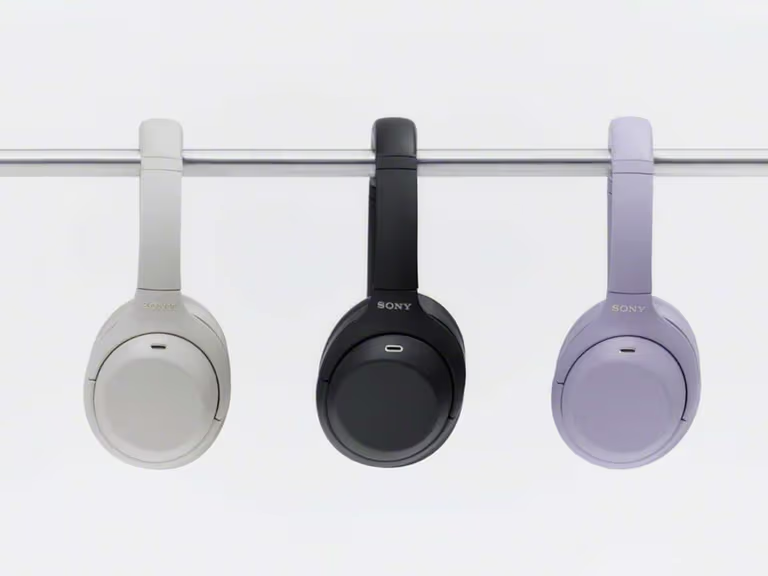
This was the first Super Bowl played with Sony’s league-issued coach headsets, rolled out across all 32 teams at the start of the 2025 season and fully part of the setup by the time February arrived.
They’re based on Sony’s 1000X consumer headphones, but rebuilt for sideline reality. Stadium noise, weather, sweat, urgency. Four quarters of constant chatter without dropouts or distortion. The sort of environment where one muffled word can derail a drive.
“Technology plays a central role in how the NFL continues to evolve the game,” said Aaron Amendolia, Deputy CIO of the NFL, pointing to Sony’s integrated systems across officiating and sideline communication delivering what he called a “faster, clearer, and more consistent experience” on the league’s biggest stage.
You’ll still see coaches doing the classic move, play sheet up over the mouth like they’re guarding state secrets. That part of football isn’t going anywhere. But inside the headset, communication is crisp.
On TV, all you see is a coordinator speaking calmly while 70,000+ people are losing their minds behind him. The gear just helps keep it that way.

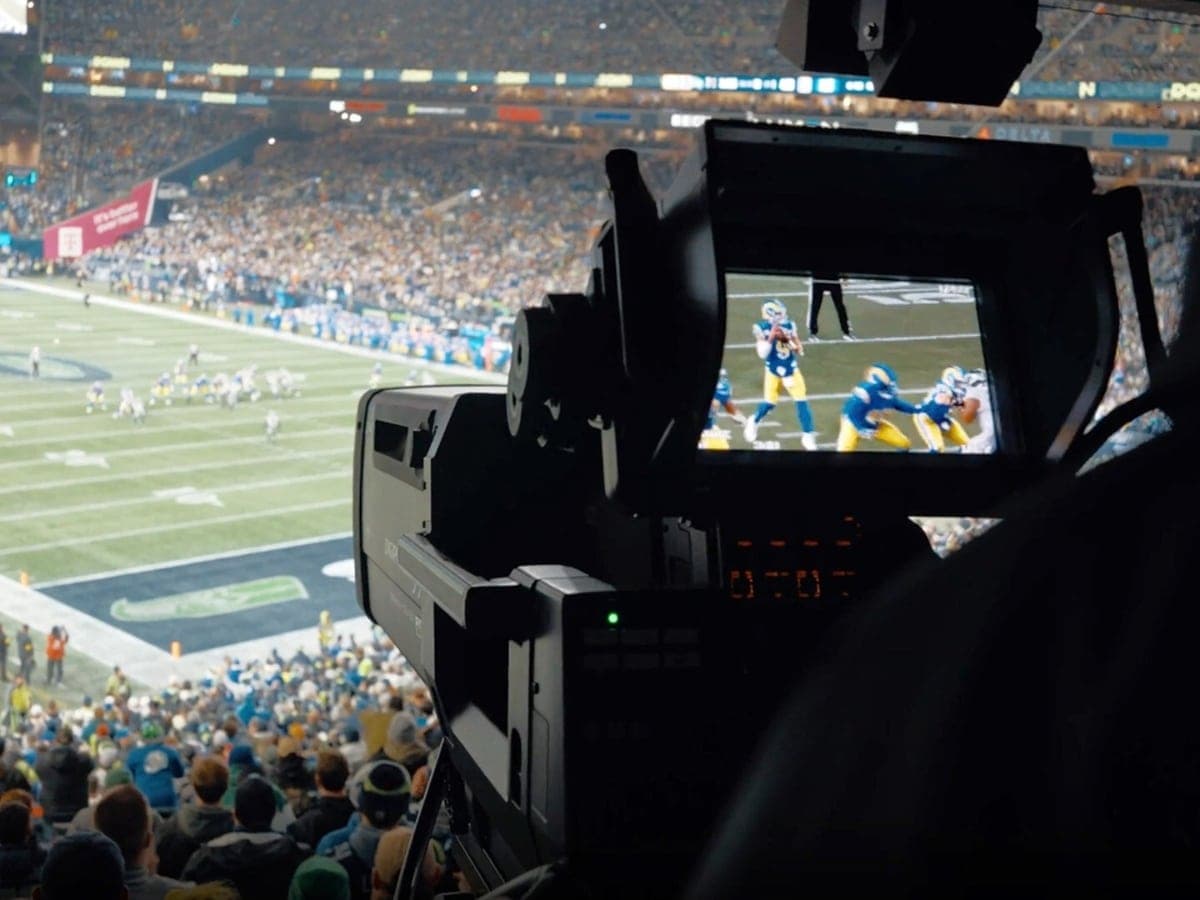
More than 175 Sony cameras were deployed around Levi’s Stadium.
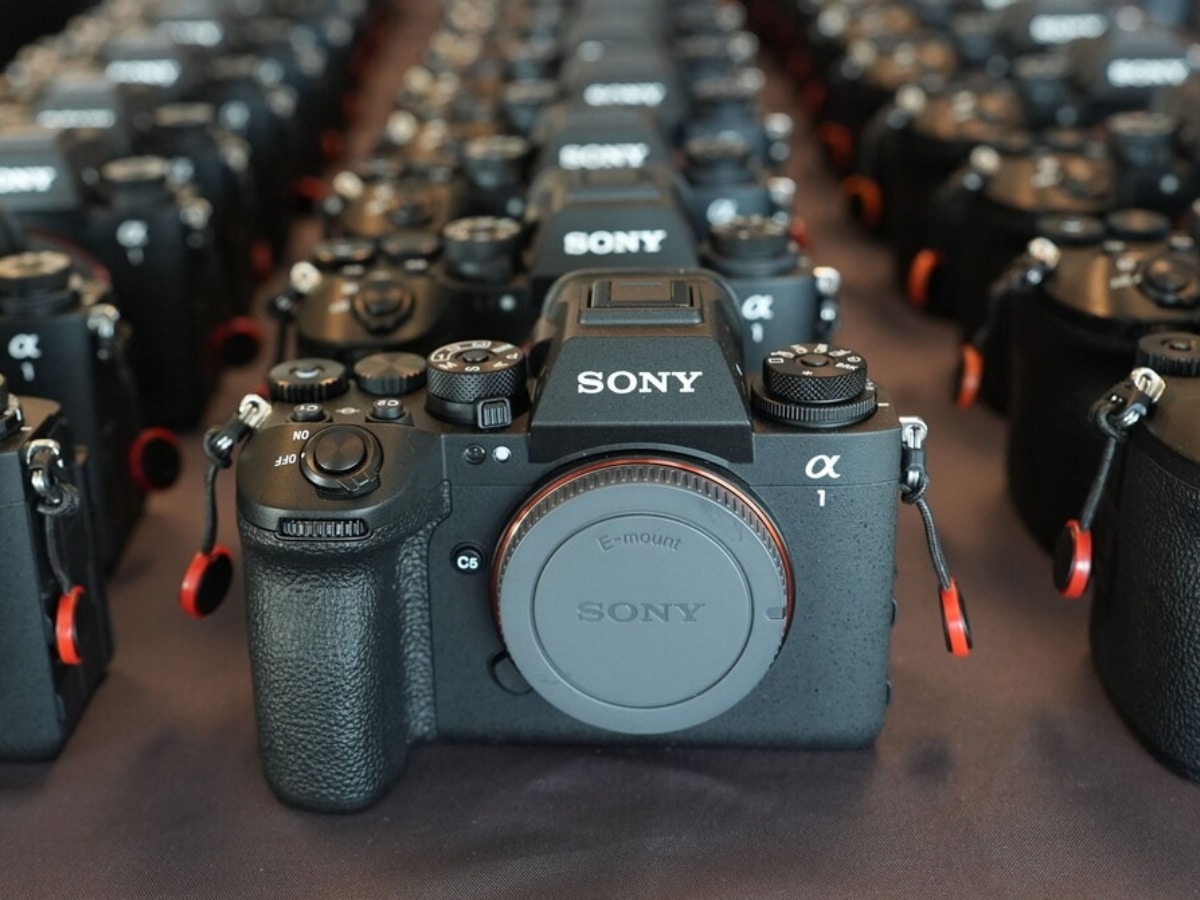
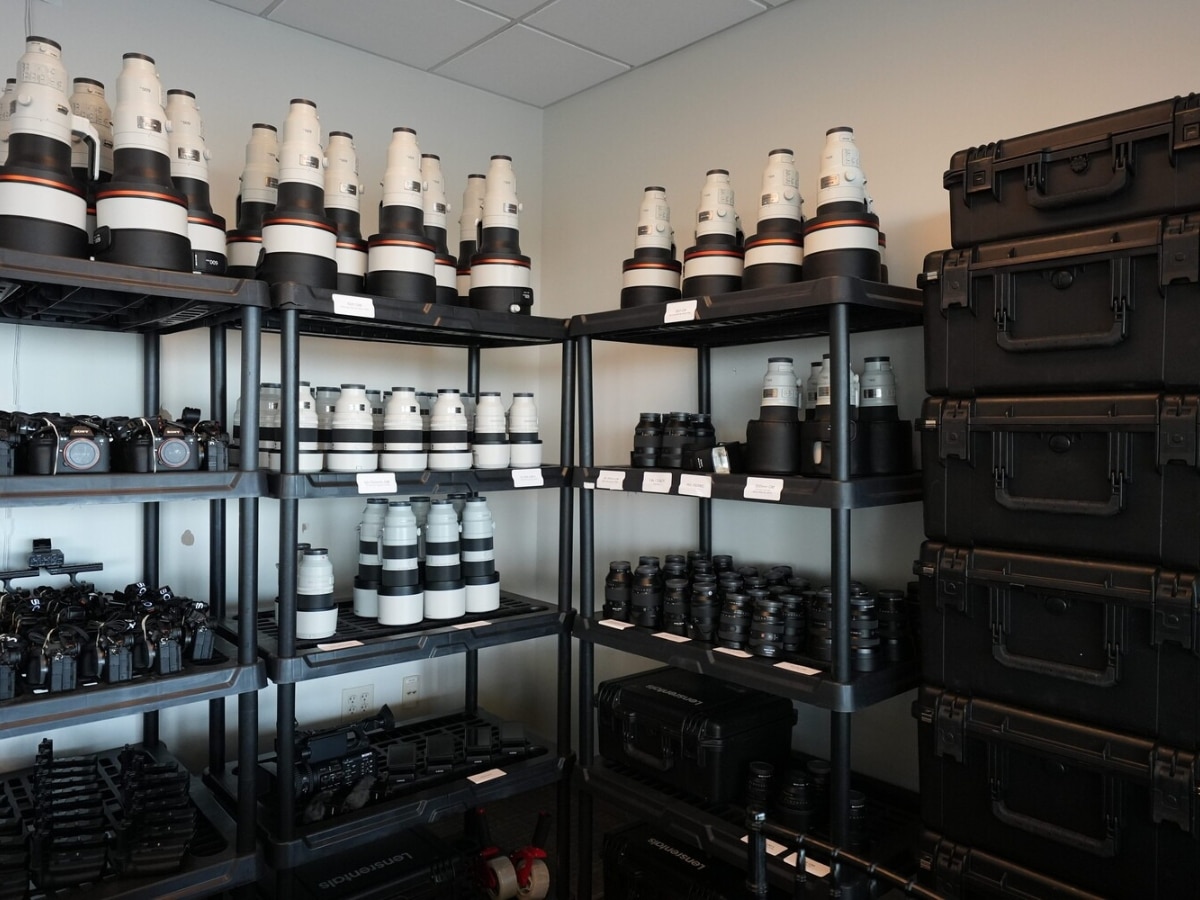
That includes 37 HDC system cameras for the main broadcast, a stack of POV units tucked into odd angles, high-frame-rate rigs for slow motion, cinema cameras for features, plus Alpha 1 II and Alpha 9 III bodies in the hands of sideline photographers.
For the halftime show, Sony rolled out 11 VENICE 2 and three BURANO digital cinema cameras.
Associated Press shooters were on Sony. The NFL’s own media teams were on Sony. In-venue production crews were on Sony. Aside from NBC using a few Canon lenses, it was all Sony.
Ken Goss, NBC Sports’ EVP of Studio and Remote Operations, put it plainly: “The Super Bowl production requires tools we can trust.”
That’s the keyword. Trust. If a replay isn’t sharp or a camera misses the decisive moment, there’s nowhere to hide when you’ve got a global audience. The rain shots, the tight sideline reactions, the dramatic slow-mo spirals. They look effortless because there’s a ridiculous amount of planning and redundancy behind them.
You don’t sit there thinking about camera models. You just expect it to look world-class.
Sony’s Theresa Alesso framed it as systems working together “through data, communication, and imaging to support every moment of the game, from the field to the broadcast to the fan experience.”
Strip the language back, and it’s simple. The broadcast doesn’t wobble.
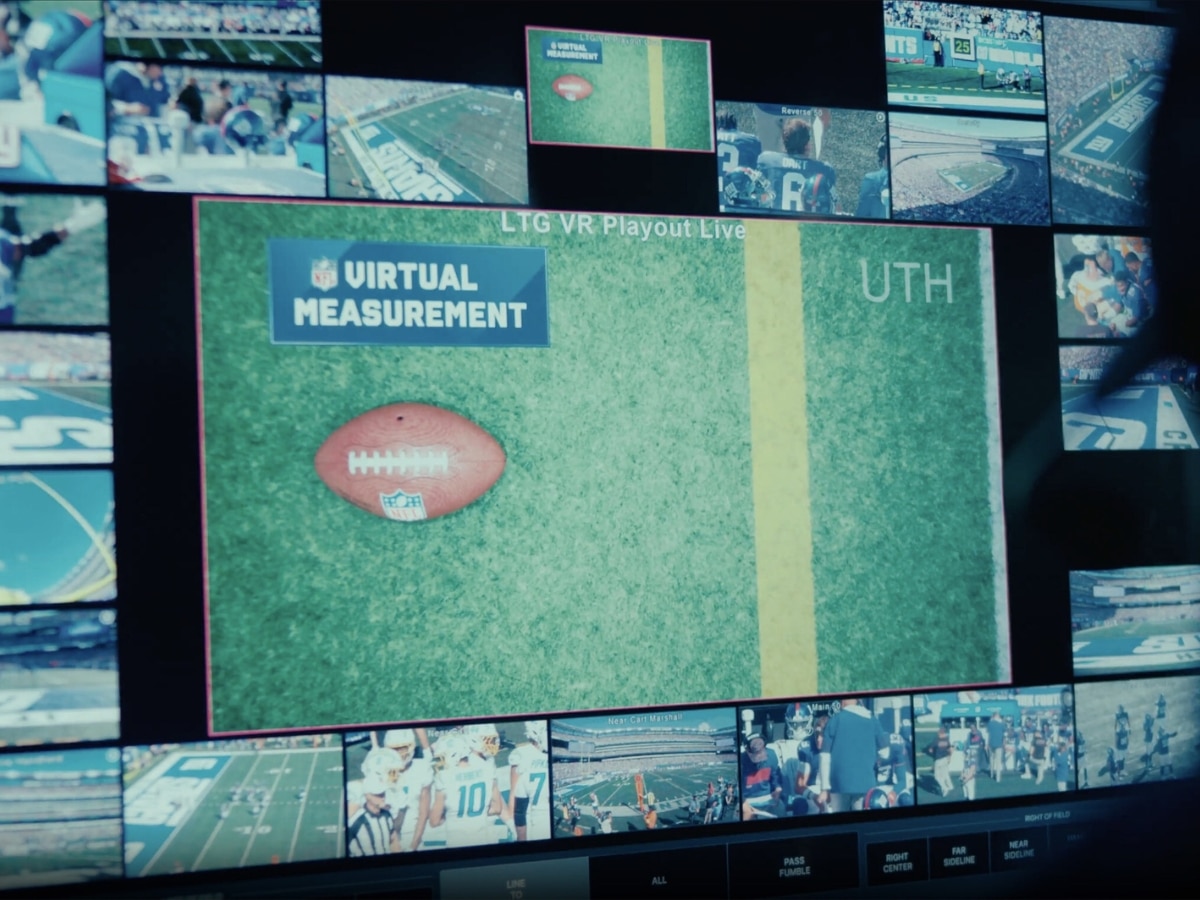
Super Bowl LX was also the first to use Sony’s Hawk-Eye Virtual Measurement system on the biggest stage.
Hawk-Eye itself isn’t new. The tracking tech first made its name in tennis in the early 2000s, becoming a staple at Grand Slams for line calls before expanding into cricket, football and other global competitions. Sony acquired Hawk-Eye Innovations in 2011, folding it into its broader sports technology portfolio and steadily pushing it deeper into elite officiating environments.
Bringing it fully into the NFL, and onto a Super Bowl field, is a different level of scrutiny.
Once the ball is spotted, the system provides a digital line-to-gain result. Cleaner and quicker than waiting for the officials to bring out the bright orange first-down chains and physically measure whether the ball crossed the line.

Layered over that is Hawk-Eye’s SkeleTRACK, mapping 29 points on each player and tracking the ball in 3D space. Combined with RFID wearables, it gives the league a far more precise read on movement and positioning.
For most fans, it shows up as smoother replays and more confident calls. Fewer awkward pauses while everyone squints at a sideline monitor.
It doesn’t end the debate over referee decisions. This is still the NFL. But it does mean the decisions feel less fuzzy, even when they don’t go your way.
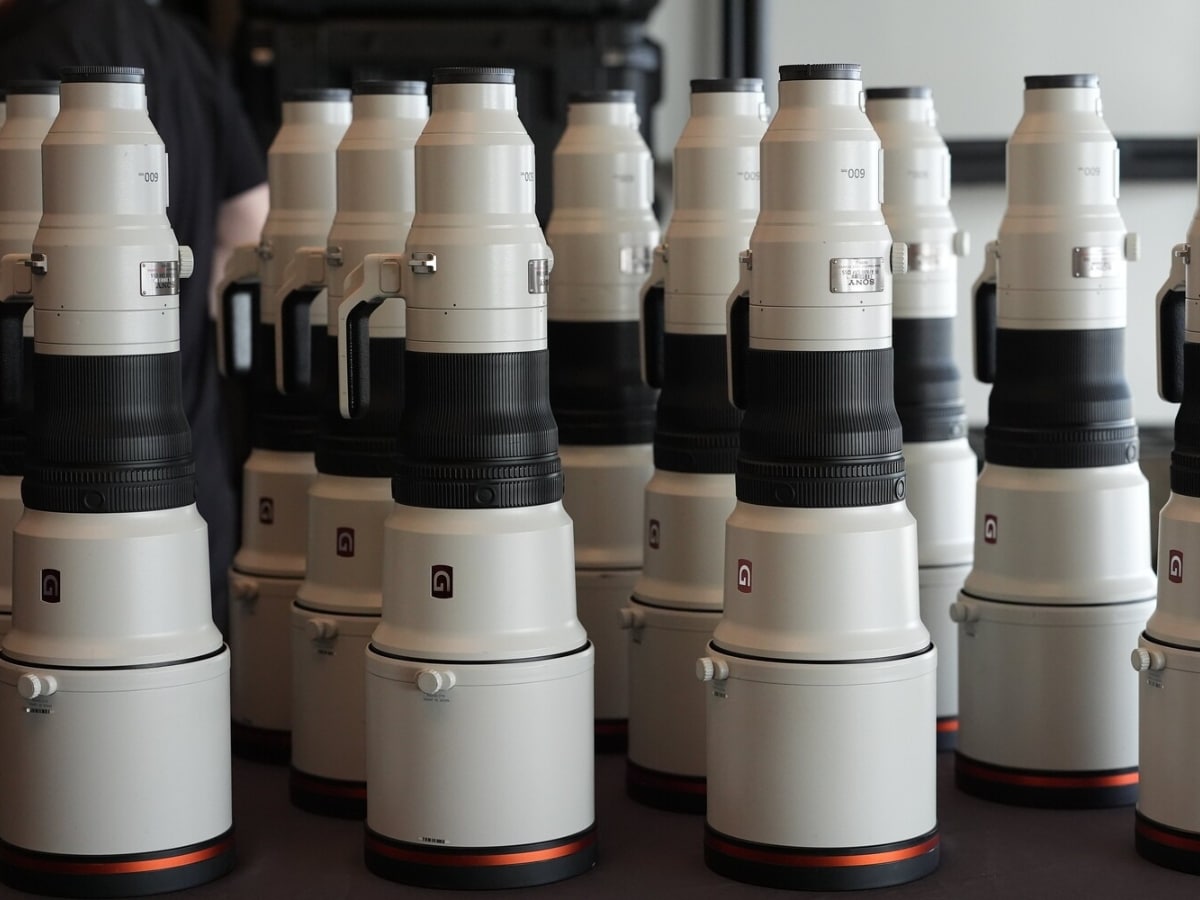
Sony’s presence wasn’t just on the field.
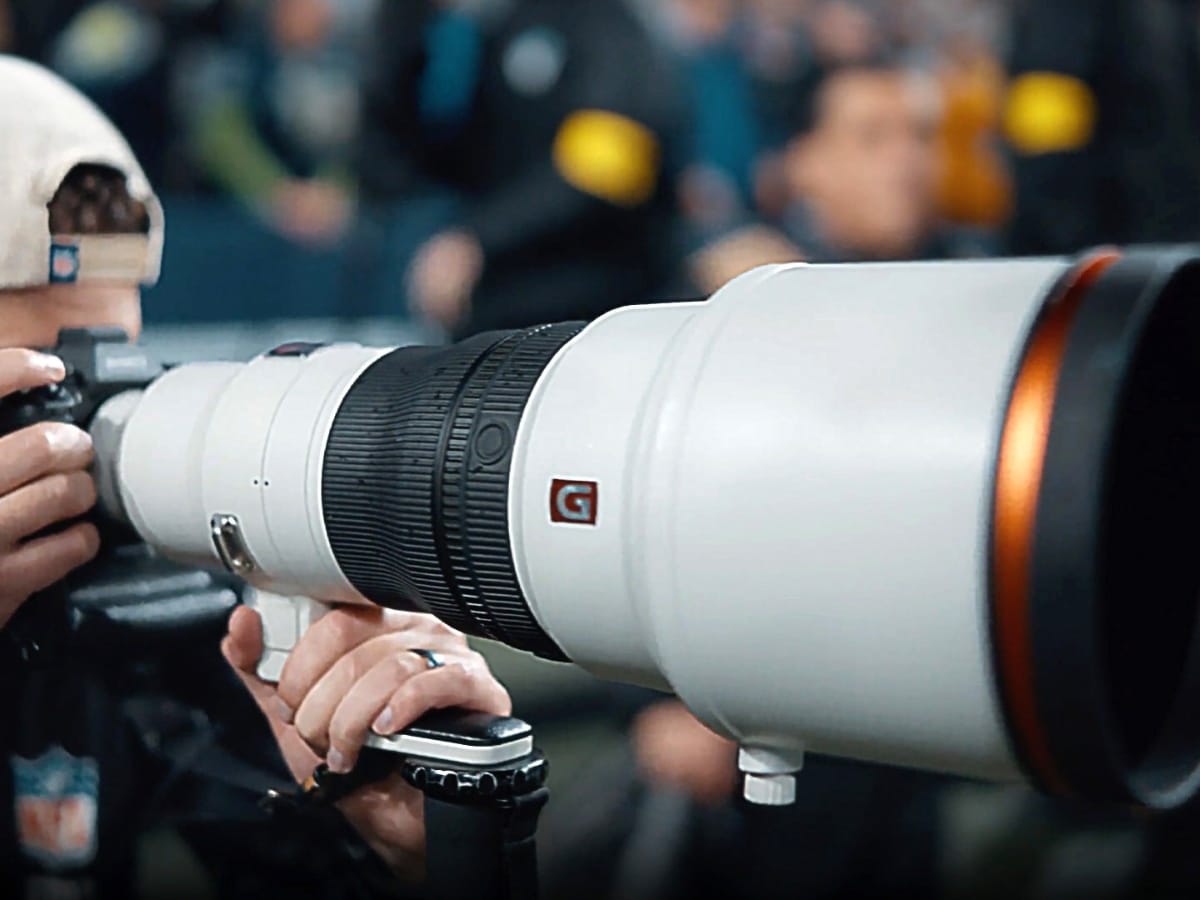
It was also in the photography pits.
The Associated Press alone carried 55 Sony bodies and 80 lenses on game day. To keep those images moving, Sony supplied PDT-FP1 portable data transmitters, pushing shots out to editors within seconds of the shutter clicking.
That’s why the touchdown celebration you saw online felt almost instant. There’s a whole transmission layer underneath it. Sure, the players decide the result. But it’s the tech that makes sure you see it clearly.
And if you didn’t once think about the cameras, the comms or the measurement systems while watching a 29–13 finish unfold, that probably means Sony did exactly what they were meant to do.
























Comments
We love hearing from you. or to leave a comment.