

Updated:
Readtime: 10 min
Every product is carefully selected by our editors and experts. If you buy from a link, we may earn a commission. Learn more. For more information on how we test products, click here.
In 20 years of writing about alcohol, I’ve spent a lot of time sipping long-aged tequilas, nuanced single malt Scotch whiskies, velvety smooth bourbons, and more cocktails than I’m comfortable mentioning here. And while I’ve gleaned a ton of information about the most well-known forms of alcohol available, some of the lesser-known types have eluded me. One of these forms of alcohol is the widely popular sake.
For much of my writing career, sake was a bit of a mystery. I had tried it a handful of times and enjoyed it, but I didn’t have much advanced knowledge on the subject. That changed in the last few years when I decided to make a more concerted effort to get to know this traditional Japanese drink. It required researching, sampling, and an open mind.
But, before all of that, I had to get the idea that sake is a spirit out of my head completely. Because sake actually isn’t a form of liquor.
What is Sake and How is it Made?
Sake is a traditional Japanese alcoholic beverage made from fermented rice, water, yeast, and koji mould. Unlike vodka, rum, whisky, gin, or tequila, sake is not a spirit. This alcoholic beverage is a rice wine (even though it’s made more like a beer). Instead of being made with barley, corn, wheat, or rye like whiskey, and distilled before ageing, sake is made simply with water, yeast, rice, and an extremely popular mould called koji.
As with brewing beer, the process of creating sake involves a few distinct stages. But, while the process to make sake is most like brewing, it’s made vastly differently than your favourite lager.
The first step is rice polishing. Also known as Seimai-buai, specific rice is gently milled and polished to remove the outer layer. Certain styles are more polished than others.
The next step is soaking and steaming. The polished rice is then soaked to add moisture, then steamed to help the starches break down more easily. Next comes the cultivation of the koji. The steamed rice is spread out in a temperature-controlled room (called a koji-muro) before being dusted with the appropriate amount of koji mould spores. The rice is left for a few days as the koji continues to break down the starches further. This also creates the fermentable sugars needed to make sake.
Next, the fermentation begins. Sake-makers also add a fermentation starter, also known as shubo (translated as sake mother). This cultivated yeast starter is added to the steamed rice and koji.
The starter is then moved to a large tank where more steamed rice, water, and koji are added in stages over a handful of days. This is referred to as multiple parallel fermentation. The start-to-sugar and eventual sugar-to-alcohol processes take place over a few weeks in the same tank.
After fermentation, the process is far from over. The mash is then pressed to separate the solid rice from the sake liquid itself. It’s then filtered through activated charcoal to remove impurities and any pieces of rice that snuck through. It’s often pasteurised to make it shelf-stable and end any further fermentation.
After resting and maturing, the sake is blended, proofed down with water and bottled. While a standard barley-based beer is around 5-6% ABV, sake can range between 12-17% ABV.
What does Sake taste like?
Just like beer can range broadly in flavour and appearance, so too can sake. It’s fruity, nutty, and often rice-like in its sweetness. It ranges from velvety smooth and sugary sweet to rich and borderline savoury, and even dry like white wine.
While there are different varieties of sake, the two most common are Amakuchi and Karakuchi. Amakuchi is known for its sweet, smooth flavour profile featuring notes of orchard fruits, sweet rice, tropical fruits, and melons. Karakuchi is known for its dry, crisp, clean flavour profile centred on earthy, mineral, savoury notes.
How to drink sake
While you’re likely going to drink your favourite beer cold, right out of the fridge, there are a few different ways to imbibe sake. And while it’s brewed similarly to beer, it’s best enjoyed more like wine (hence the rice wine moniker).
You can drink it at room temperature after grabbing the bottle directly off the shelf, chilled from the refrigerator, or even warmed, like a Hot Toddy or mulled cider. It’s enjoyed in a wine glass or in a traditional porcelain cup called an Ochoko, which holds about 2 ounces (60ml). Other vessels include the Guinomi, a larger, wider cup; the Sakazuki, a saucer-like cup; and the Masu, a square, wooden drinking vessel. The drinking cup you use and the way you drink your sake depend on the style and flavour profile.
Sake etiquette
Before you decide to crack open a bottle of sake and start pouring glasses, it’s best to learn about the specific etiquette and traditions surrounding this popular alcoholic beverage. The gold standard of sake etiquette is simple: never pour your own glass. This means you likely shouldn’t be imbibing sake alone; you should pour it for your friends, and they should pour it for you.
Also, don’t just chug your drink once it’s been poured. Wait for everyone in your group to have a glass and then toast by saying “Kanpai”. Even if you’re just drinking at home with a group of friends or family members, you want to show reverence for the traditions surrounding a drink like sake. After you respect the drink, its history, and those who worked tirelessly to craft it, sip it, enjoy it, and have a great evening with your mates.
3 Best Sake Brands for Beginners
Now that you’ve learned a little about the appeal of sake, how it’s made, what it tastes like, and how to drink it, it’s time to find some sake to add to your home bar. Below, you’ll find some of the best beginner sakes. Keep scrolling to see them all.
Best Sake For Beginners, at a Glance
| Sake | Price (AUD) | ABV | Core Flavour Profile | Best For |
| Kizakura Yamahai | $18 – $20 | 15% | Rich and complex with umami, gentle acidity, candied nuts, and a dry, clean finish. | Wine drinkers who prefer crisp, dry profiles with distinct acidity. |
| Konishi Kokuagari Junmai | $30 – $35 | 16.5% | Approachable and savoury with sweet rice, prominent umami notes, subtle fruit, and light wine tannins. | Drinkers looking for a versatile, highly approachable gateway into sake. |
| Dassai “45” Junmai Daiginjo | $45 – $70 | 16% | Refreshing and bright with tropical fruits, crisp apple, pear, mellow sweetness, and balanced acidity. | Anyone looking to start a premium collection with a flagship, fruit-forward brew. |
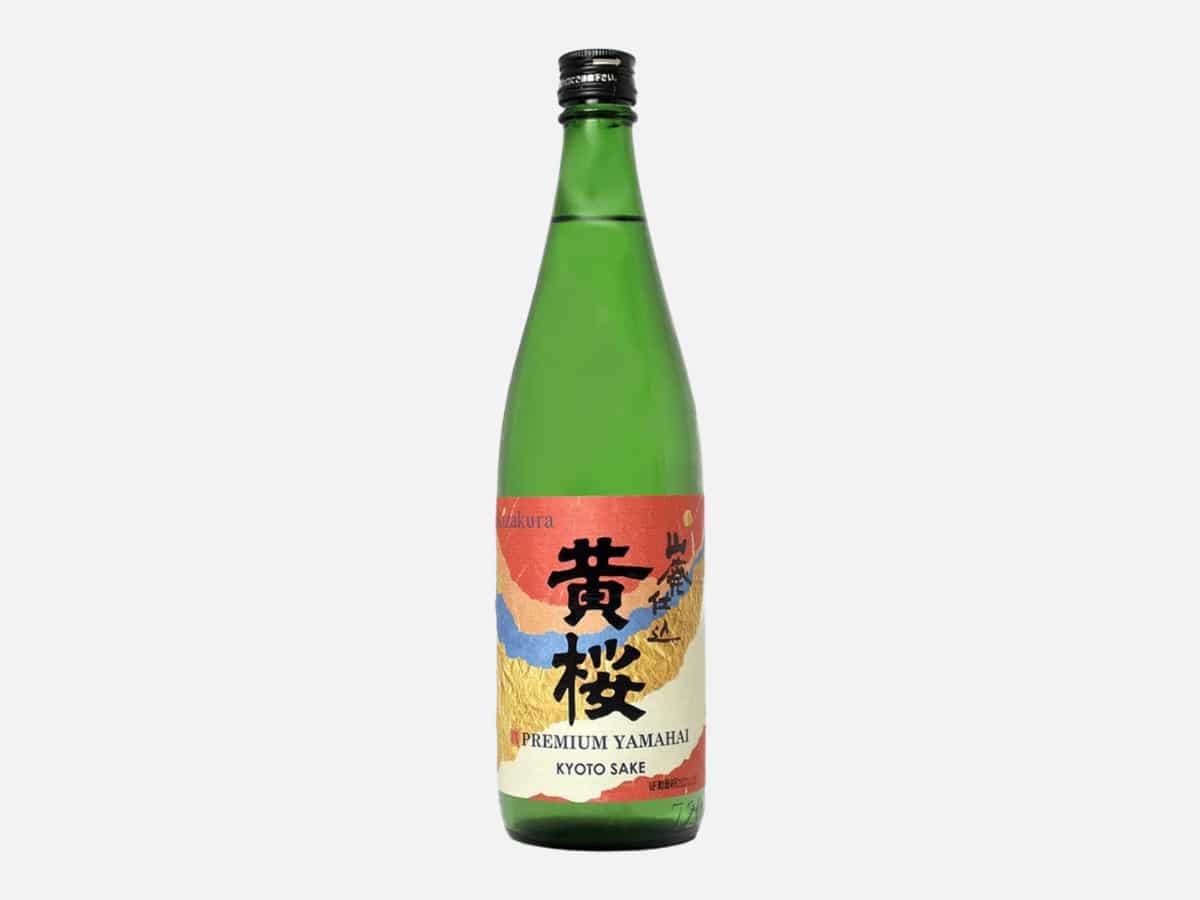
1. Kizakura Yamahai
This premium Japanese sake is crafted at the Kizakura Brewery in Kyoto, Japan. Made using the traditional Yamahai method, where the yeast starter relies completely on natural lactic acid for fermentation. This method takes more time and yields a more flavourful, rich, complex sake.
Kizakura Yamahai Key Stats
- Price: from AUD $18-20
- ABV: 15%
Flavour Profile
- Nose: Orchard fruits, sweet cream, candied nuts, tropical fruits, and sweet rice.
- Taste: Umami, minerality, gentle acidity, candied nuts, and caramelised sugar on the palate.
- Finish: Lingering, warm, and ends with a lightly dry, clean, crisp, acidic finish.
- Key feature: The use of the Yamahai method adds more complexity, extra acidity, and flavour to the sake.
- Best for: Wine drinkers who prefer their wine drier and with more acidity will love this unique sake.
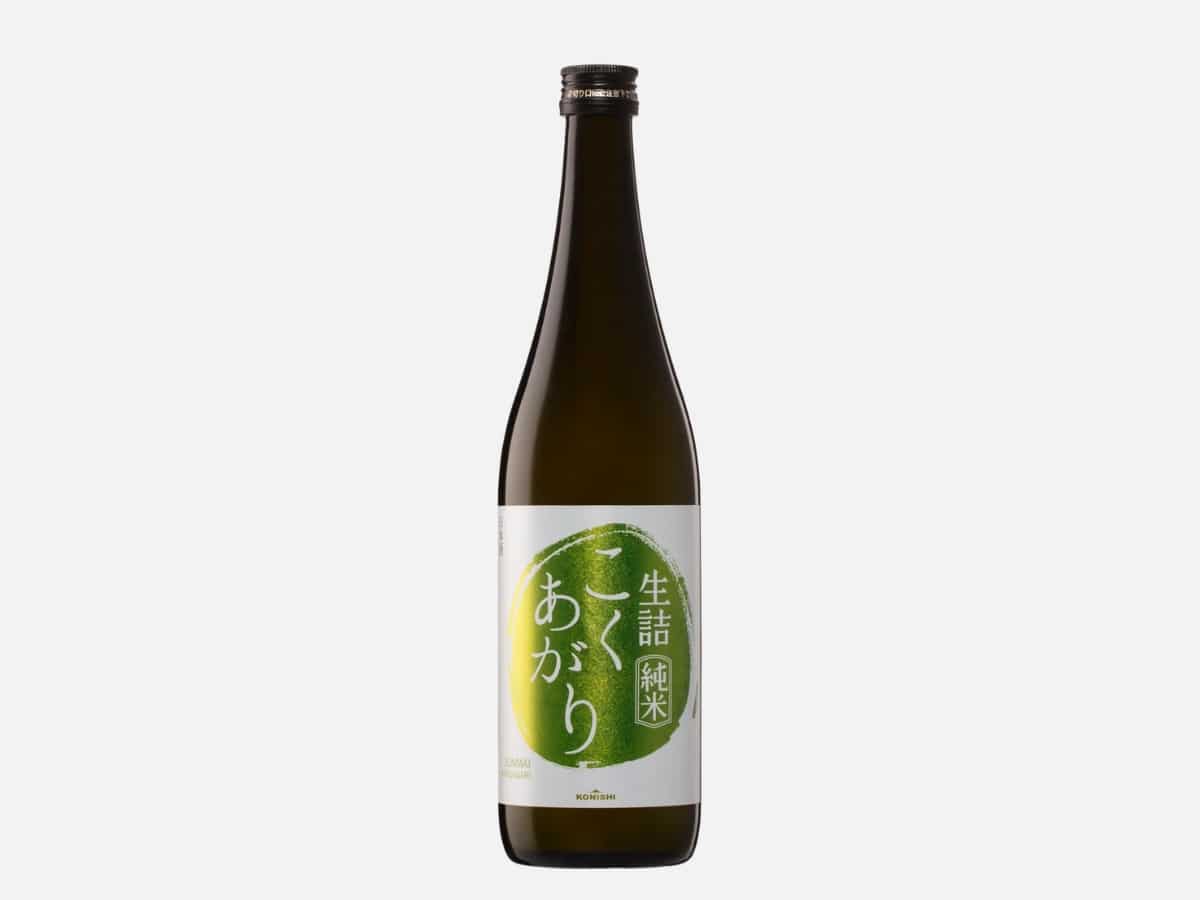
2. Konishi Kokuagari Junmai
It’s made in Itami, Hyogo Prefecture, at the Konishi Brewing Co., Japan’s oldest continuously family-owned sake brewery, founded in 1550. Brewed with Nihon rice, water, yeast, and koji, it’s known as a great gateway sake loaded with rich, umami flavours.
Konishi Kokuagari Junmai Key Stats
- Price: from AUD $30-35
- ABV: 16.5%
Flavour Profile
- Nose: Sugary rice, red apple, pear, gentle nuttiness, and floral aromas are prevalent.
- Taste: Umami notes, wine tannins, sweet rice, nuts, and light fruit make up a memorable palate.
- Finish: Crisp, clean, dry, nutty, and gently fruity, leaving you craving more.
- Key feature: This sake is well-known for its rich, memorable umami flavour, along with other notable sake aromas and flavours.
- Best for: Well-known for its versatile, approachable flavour profile, it’s a great choice for drinkers looking to get into sake.
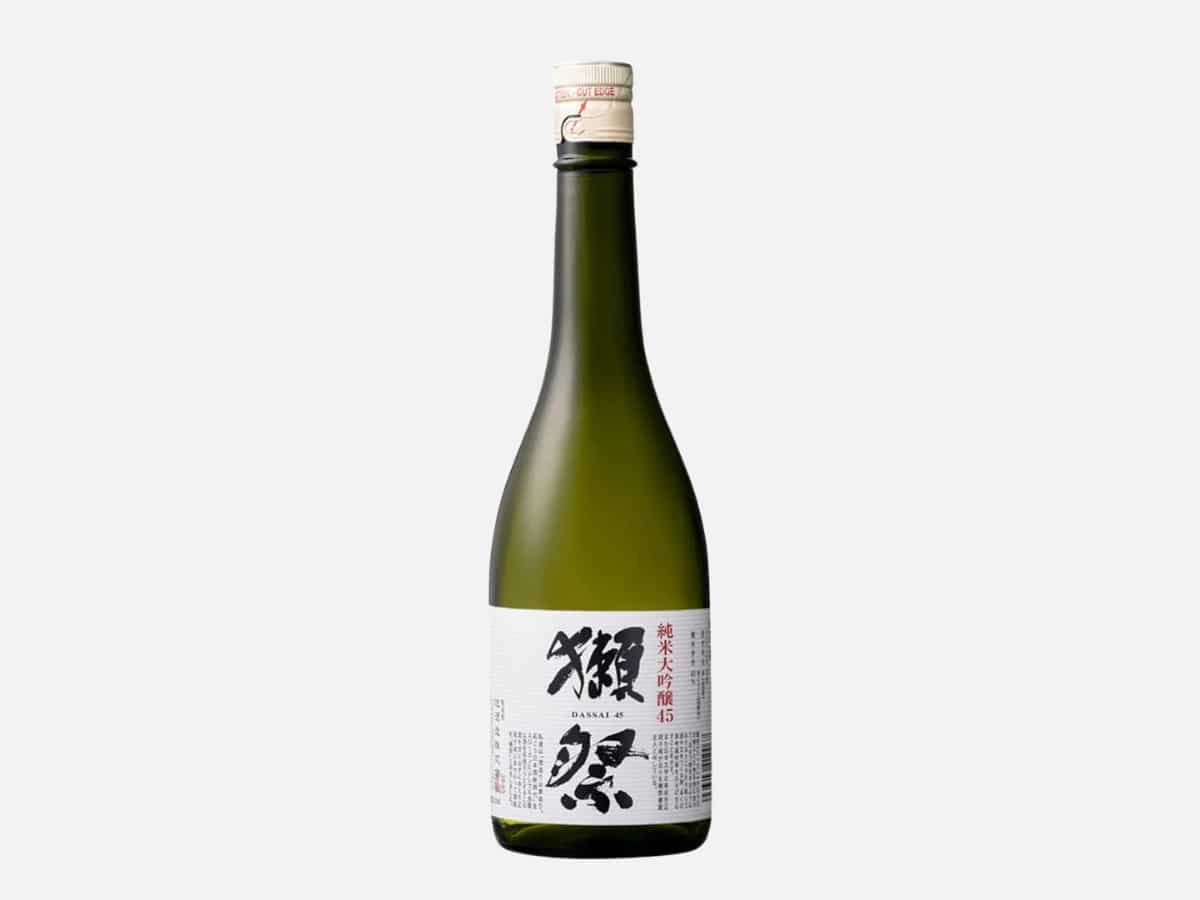
3. Dassai “45” Junmai Daiginjo
Highly regarded as one of the best beginner sakes on the market, Dassai “45” Junmai Daiginjo is brewed at Asahi Shuzo in Yamaguchi Prefecture, Japan. The “45” in the title refers to the rice being polished down to just 45% of its original size. It’s known for its fruity, refreshing, memorable flavour profile.
- Price: from AUD $45-70
- ABV: 16%
Flavour profile
- Nose: Tropical fruits, crisp apple, pear, gentle nuts, and wildflowers make for a memorable aroma.
- Taste: Mellow, clean, and features notes of ripe berries, melons, stone fruits, pears, and rice sweetness.
- Finish: Clean, mellow, with a nice mix of umami, sweetness, and acidity.
- Key feature: It was brewed using 100% Yamadanishiki rice, the top choice for sake.
- Best for: In a genre of beginner, approachable sakes, there are few more noteworthy than Dassai “45” Junmai Daiginjo. This is a must-try for anyone looking to start a sake collection.
Common Questions About Sake
Sake generally sits between 15% and 17% ABV, making it slightly stronger than most standard white or red wines, which typically hover around 12% to 14%. However, it is significantly weaker than spirits like whisky, gin, or vodka, which usually sit at 40% ABV or higher. Because it is unfortified, it offers a smooth, clean sip without the harsh alcohol burn of a liquor.
Unlike spirits, sake will oxidise once opened, but it doesn’t spoil as rapidly as standard grape wine. For the best flavour profile, seal the bottle tightly, store it in the refrigerator, and consume it within one to two weeks. If you leave it longer, it is still perfectly safe to drink, but you will notice the bright fruit notes and crisp acidity begin to flatten out.
It depends entirely on the quality and style of the brew. As a general rule, premium sakes, like a Junmai Daiginjo – should be served chilled (around 10°C) to preserve their delicate floral and fruity aromas. Heating a premium sake can destroy those subtle nuances. Conversely, earthier, full-bodied sakes (like a traditional Honjozo or Yamahai) can taste spectacular when warmed gently to around body temperature, which coaxes out their rich, savoury umami profiles.
























Comments
We love hearing from you. or to leave a comment.