

Updated:
Readtime: 9 min
Every product is carefully selected by our editors and experts. If you buy from a link, we may earn a commission. Learn more. For more information on how we test products, click here.
- Jake Paul’s Most Valuable Promotions and the Professional Fighters League have merged under the MVP banner.
- The combined company brings together nearly 400 fighters, fresh investment and distribution deals with Netflix, ESPN and Sky Sports.
- MVP can now pursue the crossover fights and free-agent superfights the UFC cannot or will not make, but roster size alone won’t make it a genuine rival.
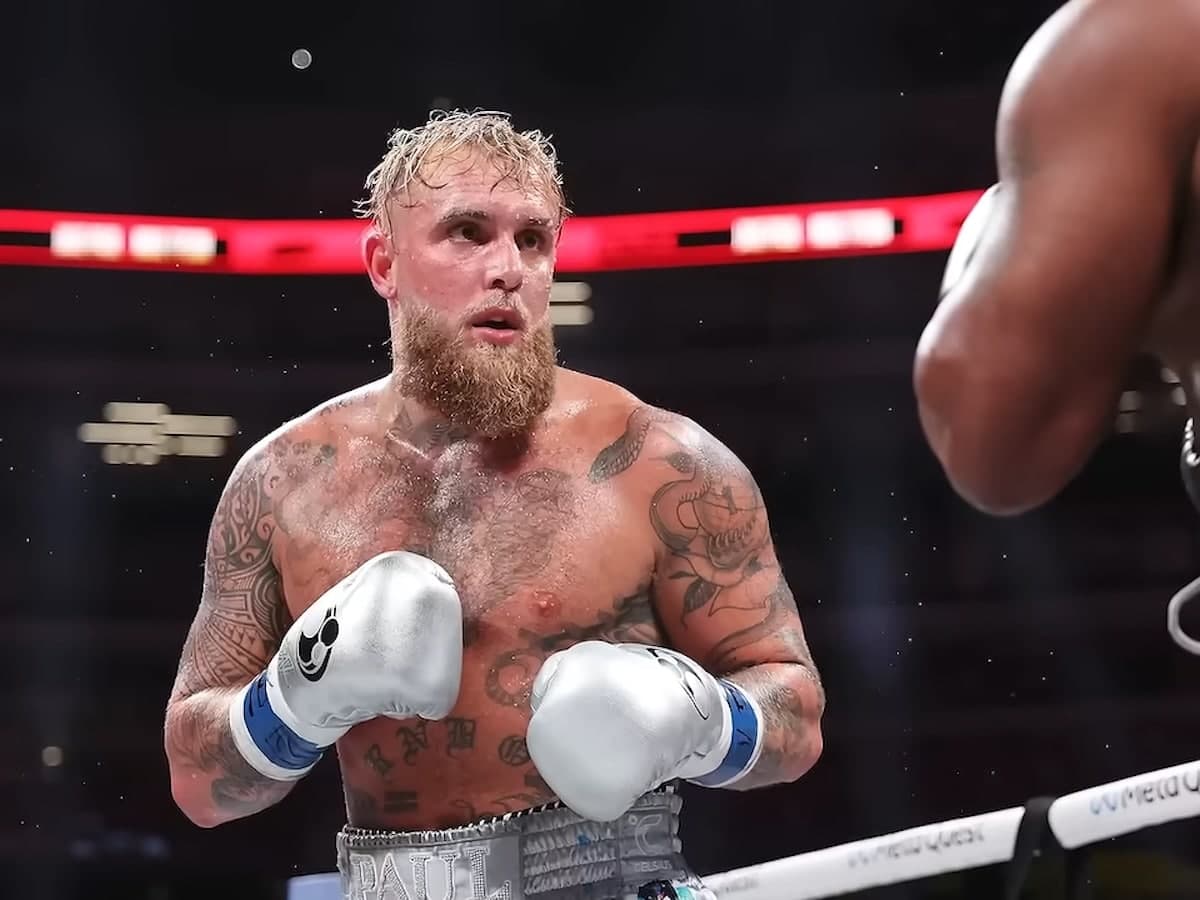
Jake Paul has spent years throwing verbal jabs at UFC boss Dana White, usually over fighter pay, restrictive contracts or whichever former UFC star he plans to box next. But after Most Valuable Promotions merged with the Professional Fighters League, the warning comes with considerably more weight than his 98.2 kg frame would suggest.
The combined business will operate under the MVP banner, bringing together Paul’s promotional reach and Netflix pulling power with PFL’s roster, international infrastructure and experience staging MMA events. It gives Paul something he’s never had before: a proper MMA machine with the roster and infrastructure to pursue the fights the UFC leaves behind.
Jake Paul put it to ESPN more bluntly: “Dana, we’re coming for you, baby.”
What MVP and PFL Bring Together
Under the deal, MVP becomes the master brand across the company’s combat-sports properties, while PFL’s operations will form the foundation of MVP MMA over the coming months.
PFL Chief Executive John Martin will run the combined business in the back end, with Paul and MVP co-founder Nakisa Bidarian up front in active leadership positions on the board. There’s also a fresh injection of cash courtesy of existing PFL investors 885 Capital and Knighthead Capital.
All up, MVP says the merged roster will feature close to 400 athletes across boxing and MMA. PFL contributes more than 300 fighters, international event infrastructure and a distribution network spanning Netflix, ESPN, Sky Sports and more than 170 countries.
Despite bringing significantly fewer fighters to the dance and with only one major MMA event under its belt, MVP has enough pedigree to make up the other half of the equation. Since launching in 2021, it has promoted major boxing events, including Jake Paul vs Mike Tyson, alongside major investments in women’s boxing, showing it can turn individual fights into global streaming attractions.
MVP then carried the same formula into MMA. Its first event, streamed globally by Netflix in May, was headlined by Ronda Rousey’s return against Gina Carano and also featured Nate Diaz, Mike Perry and Francis Ngannou. Rousey took only 17 seconds to finish Carano, but viewers still showed up in droves. Netflix reported a global peak of nearly 17 million, while the triple main event averaged 12.4 million viewers.
The whole thing was clearly built less like a conventional fight card and more like a night of combat-sports dream matches, using familiar names, unfinished stories and the convenience of a Netflix subscription to pull in people who may not follow MMA every weekend.
MVP may have solved its infrastructure problem, but the PFL roster still needs stars fans will follow between blockbuster events.
Jake Paul Finally Has An MMA Platform
Speaking to ESPN after the merger was announced, Paul said the deal provides the infrastructure and capital needed to compete at a larger level, while opening the door to more events, bigger paydays and additional opportunities for fighters.
“We started MVP to disrupt a broken model,” said Paul in the media release. And MVP has consistently pitched itself as “fighter-first”, arguing that athletes deserve better compensation, greater visibility and more control over their own brands. Well, now he gets to put his money where his mouth is and actually test those claims across a much larger roster than his usual stable of carefully selected fighters.
Paul also believes the boxing and MMA divisions can feed into each other, rather than continue eyeing each other off from the ring to the octagon. Sorry, I mean hexagon.
Regardless of which shape they fight inside, having boxing and MMA fighters under the same roof could allow them to move between codes without navigating separate promoters. At the same time, MVP can build cards around crossover match-ups that appeal beyond either sport’s core audience.
We’ve already seen how difficult these fights can be to arrange. Conor McGregor needed the UFC’s involvement before boxing Floyd ‘Money’ Mayweather in 2017, while Francis Ngannou left the promotion after pushing for the freedom to box and eventually faced Tyson Fury and Anthony Joshua. One required UFC cooperation; the other required leaving altogether.
Ngannou lost both boxing bouts, but still proved an MMA star could create major commercial opportunities outside the UFC system.
Putting boxing and MMA under the same company won’t remove every contractual obstacle. Still, it gives MVP a much cleaner path to building those crossover events with fighters it actually controls.
But of course, with Paul’s roster comes Jake Paul fights too, telling ESPN he expects to return to boxing soon before finally making his long-promised MMA debut in 2027.
“And now it fully makes sense with these two companies combined,” he said.
Don’t worry, Jake, I don’t mind waiting.
The Fight The UFC Could Not Make
The clearest test of Paul’s strategy is Jon Jones vs Francis Ngannou, the heavyweight superfight MMA fans have been debating for years. With Tom Aspinall still waiting to unify the UFC heavyweight title against interim champion Ciryl Gane after their eye-poke no-contest, Jones vs Ngannou remains the heavyweight fight we’re keeping one eye on. Damn you, Gane.
It’s been three years since Ngannou left the UFC in 2023 after failing to reach a new deal that gave him the freedom he wanted to compete in boxing. Since then, he’s gone on to compete in both boxing and MMA outside the promotion before returning at MVP MMA 1 in May and stopping Philipe Lins in the opening round.
Jones also attended the Netflix event, and while there were a few microphone issues, even he admitted his UFC contract remained the biggest obstacle.
“I don’t think Dana is interested in doing business with Francis, so doing it with MVP would probably be the only way to make it happen,” Jones said. “If we can get out of my contract, that would be great.”
Now, we’re not saying this merger will suddenly make that contract disappear. There’s no confirmed Netflix offer, but we can’t help wondering what number MVP would need to put in front of Dana White before that contract suddenly became negotiable.
With so many fighters locked into UFC contracts, MVP will have to compete through free agents, crossover stars and long-discussed fights blocked by promotional boundaries.
Whether or not they hope to become the number one combat-sports promotion is irrelevant. They don’t need the whole sport. They just need fights people can’t ignore. And if those fights keep streaming on Netflix, viewers may not need another subscription or pay-per-view purchase to watch them.

Why Netflix Changes The Maths
For Australian fight fans, the platform may matter almost as much as the names on the card.
Numbered UFC main cards still sit behind a separate pay-per-view purchase through Main Event on Foxtel or Kayo, with recent events costing as much as AUD$59.95. At that price, most fans are better off hitting up their local pub and spending the sixty bucks on a schnitty and maybe a schooner or two.
And while Fight Nights and numbered-event prelims are included with Paramount+, which starts at AUD$6.99 per month, watching every major UFC card still requires another payment.
Netflix, on the other hand, starts at AUD$9.99 per month. A few bucks more, sure, but MVP MMA 1 was included at no extra cost to subscribers. And with WWE also hosting its premium live events on Netflix here in Australia for no extra cost either, it seems unlikely MVP will be charging for future events.
That’s not a guarantee every MVP card will follow the same model. Still, if the company can keep putting major fights inside an existing subscription and bring in a sizeable audience each time, the value equation becomes far harder to ignore.
The UFC may have the deeper roster and more meaningful titles, but a full year of Netflix costs about AUD$120. Buying one AUD$60 UFC pay-per-view each month would run upwards of AUD$720 over the same period. I know which one I’m picking.
A Warning From Professional Wrestling
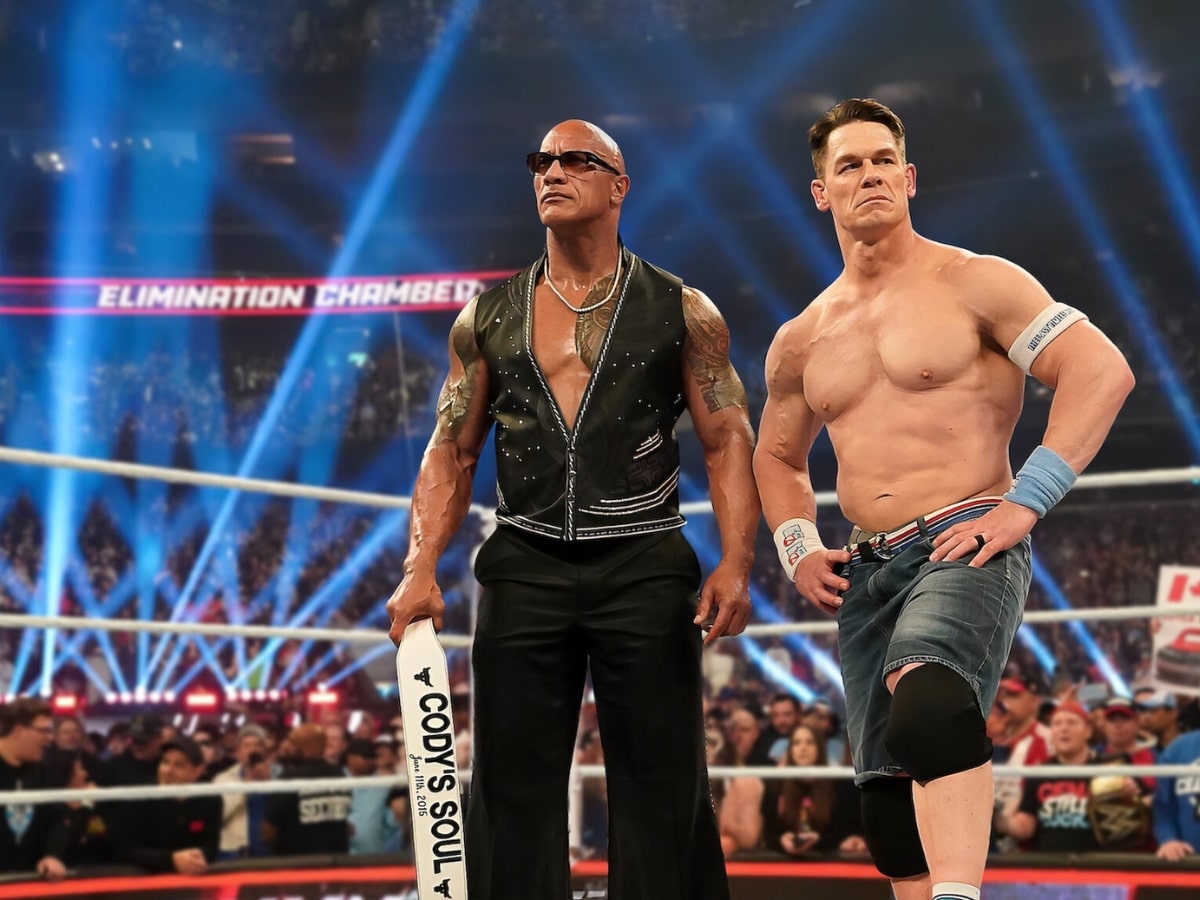
For those who grew up watching the Monday Night Wars between the WWF (now the WWE) and World Championship Wrestling (WCW), you can already see what’s happening.
Ted Turner’s money and television empire helped WCW sign major stars, launch Monday Nitro and beat WWE in the ratings for 84 consecutive weeks. But the audience eventually collapsed, losses mounted, Vince Russo turned up, and Turner’s influence faded following the AOL-Time Warner merger. Despite Eric Bischoff’s best efforts, WWE bought WCW’s remaining assets in 2001, leaving Vince McMahon holding the fate of his competition in his own hands.
We wouldn’t see another major American competitor until Tony Khan launched All Elite Wrestling, drawing on the momentum built by The Elite, Cody Rhodes and The Young Bucks, alongside much of the wider independent scene. It wasn’t built to replace WWE, but serious financial backing, television distribution and recognisable talent gave wrestlers a legitimate second destination and fans another major weekly product.
Here’s the problem. AEW shows why a strong second promotion can matter. WCW tells us why spending like a challenger is easier than building one that lasts. There’s no reason to believe the UFC is under any immediate threat from the merger. Dana White is unlikely to be losing any sleep just yet. But Paul’s warning now comes with hundreds of fighters, international infrastructure, fresh capital and access to some of the largest platforms in sport.
As far as I can tell, MVP doesn’t need a roster capable of matching the UFC from top to bottom. But if it wants to matter, it needs to keep booking the fights the UFC cannot.
Related reads
























Comments
We love hearing from you. or to leave a comment.