

Updated:
Readtime: 9 min
Every product is carefully selected by our editors and experts. If you buy from a link, we may earn a commission. Learn more. For more information on how we test products, click here.
Australia’s electricity grid has crossed a milestone years in the making. Power demand hit a record high late last year, and for the first time, renewable energy didn’t just support the system, it supplied more electricity than fossil fuels across an entire quarter.
With summer heat already testing the grid in parts of the country, that shift matters. Not because it sounds impressive on paper, but because it changes how electricity is priced, how reliable the grid is, and how much Australians are likely to pay for power over time.
So what’s actually happening, and why should you care?
What’s happening?
According to the latest Quarterly Energy Dynamics report from the Australian Energy Market Operator (AEMO), average underlying demand across the National Electricity Market reached 24,271 megawatts in the December quarter, the highest level ever recorded.
Despite that surge, renewables supplied more than half of all electricity across the eastern states over the same three-month period. It’s the first time that’s happened at scale, and it marks a genuine turning point in how Australia’s grid operates.
Western Australia is following the same trajectory. Renewables supplied more than half of electricity demand there on average across the quarter and briefly climbed as high as 91 per cent. Over the same period, coal and gas output in the state’s main grid continued to fall.
Renewable energy by the numbers
To wrap your head around the headline, let’s clear up some of the data:
- 51% of electricity across the eastern states came from renewables over the quarter
- 24,271 MW average underlying demand, the highest on record
- 91% of demand briefly met by renewables in Western Australia
- Coal generation fell to its lowest quarterly average on record
- Gas generation dropped to its lowest level since 2000
- Wholesale electricity prices averaged $50/MWh, almost half what they were a year earlier
This wasn’t a single sundrenched weekend. It was a sustained shift across months.
Why is this happening now?
Two things are doing the heavy lifting: solar and storage.
Australia’s rooftop solar fleet continues to expand, flooding the grid with cheap electricity during daylight hours. At the same time, large-scale batteries are finally starting to play a meaningful role, storing excess power and releasing it later when demand spikes.
That combination is steadily pushing coal and gas out of the picture, not because they’ve been switched off entirely, but because they’re increasingly expensive by comparison.
Even at peak demand, AEMO said coal and gas generation in Victoria and New South Wales sometimes dropped below the minimum needed to maintain system stability, a sign of how dependable renewables have become within Australia’s grid.
As AEMO Executive General Manager of Policy and Corporate Affairs, Violette Mouchaileh put it, more wind, solar and battery capacity reduces reliance on higher-cost coal and gas, placing sustained downward pressure on wholesale electricity prices.
Where policy fits in
The shift toward renewable energy isn’t just changing how electricity is generated. It’s reshaping how Australians are encouraged to use it. As solar and storage flood the grid with cheap daytime power, government policy is increasingly focused on helping households tap into that oversupply rather than pay more for electricity at night. Here’s how that’s playing out:
Solar Sharer scheme (Solar Sharer Offer)
This shift is now flowing directly into how electricity is sold.
Under the federal government’s upcoming Solar Sharer scheme, energy retailers will be required to offer households three hours of free electricity in the middle of the day, when solar generation often exceeds demand and wholesale prices are extremely low or even negative.
Climate Change Minister Chris Bowen’s office noted that wholesale electricity prices were negative in every state except Tasmania during the December quarter, largely due to solar output.
“Free daytime power for families across Australia is proof that what’s good for the planet is good for your pocket,” Mr Bowen said.
The idea is simple: use power when it’s cheapest to produce, reduce pressure during expensive evening peaks, and lower costs across the system as a result.
How to access it:
The Solar Sharer Offer will be delivered through energy retailers. Households will need a smart meter and an eligible plan once the scheme launches. Checking your current meter type and keeping an eye on retailer plan updates is the first step.
Rooftop solar incentives (Small-scale Renewable Energy Scheme)
While Solar Sharer focuses on when electricity is used, rooftop solar incentives focus on who produces it.
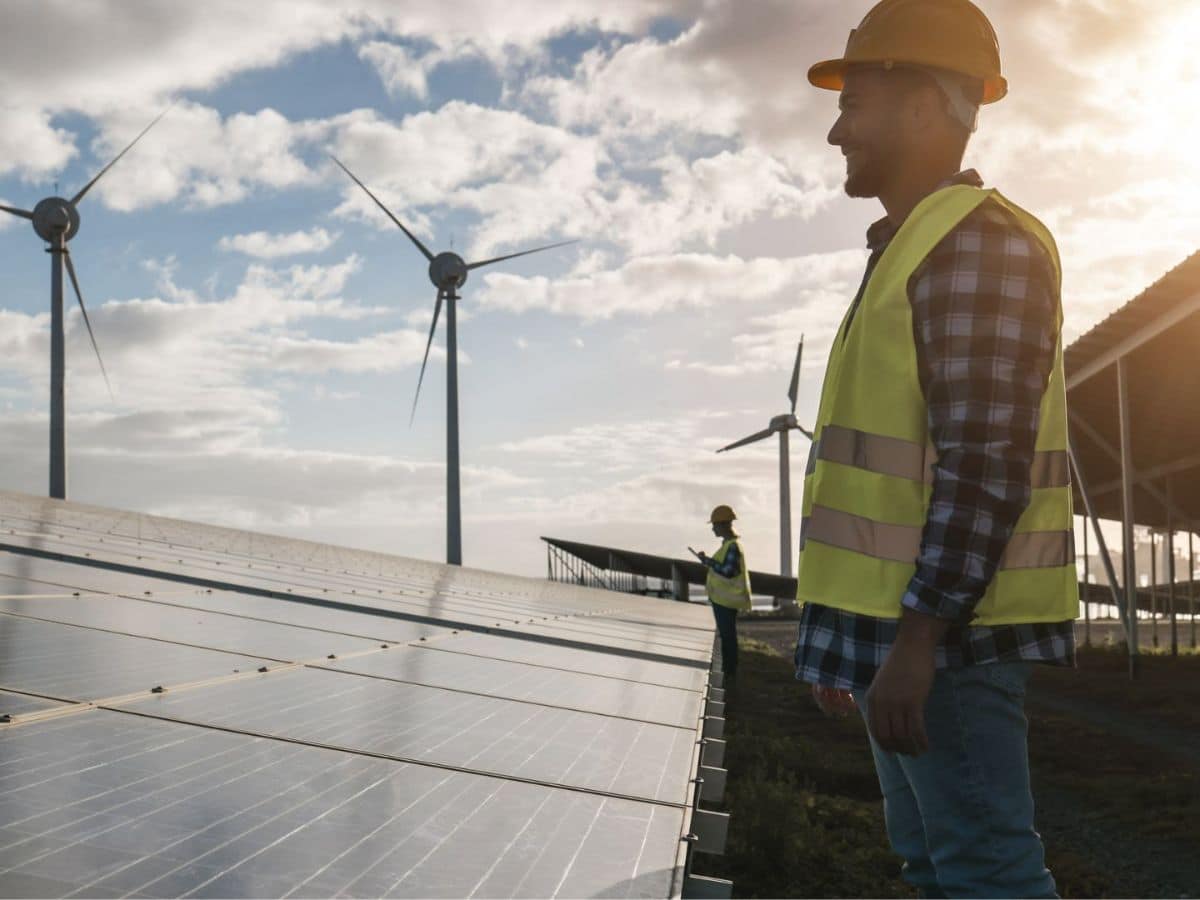
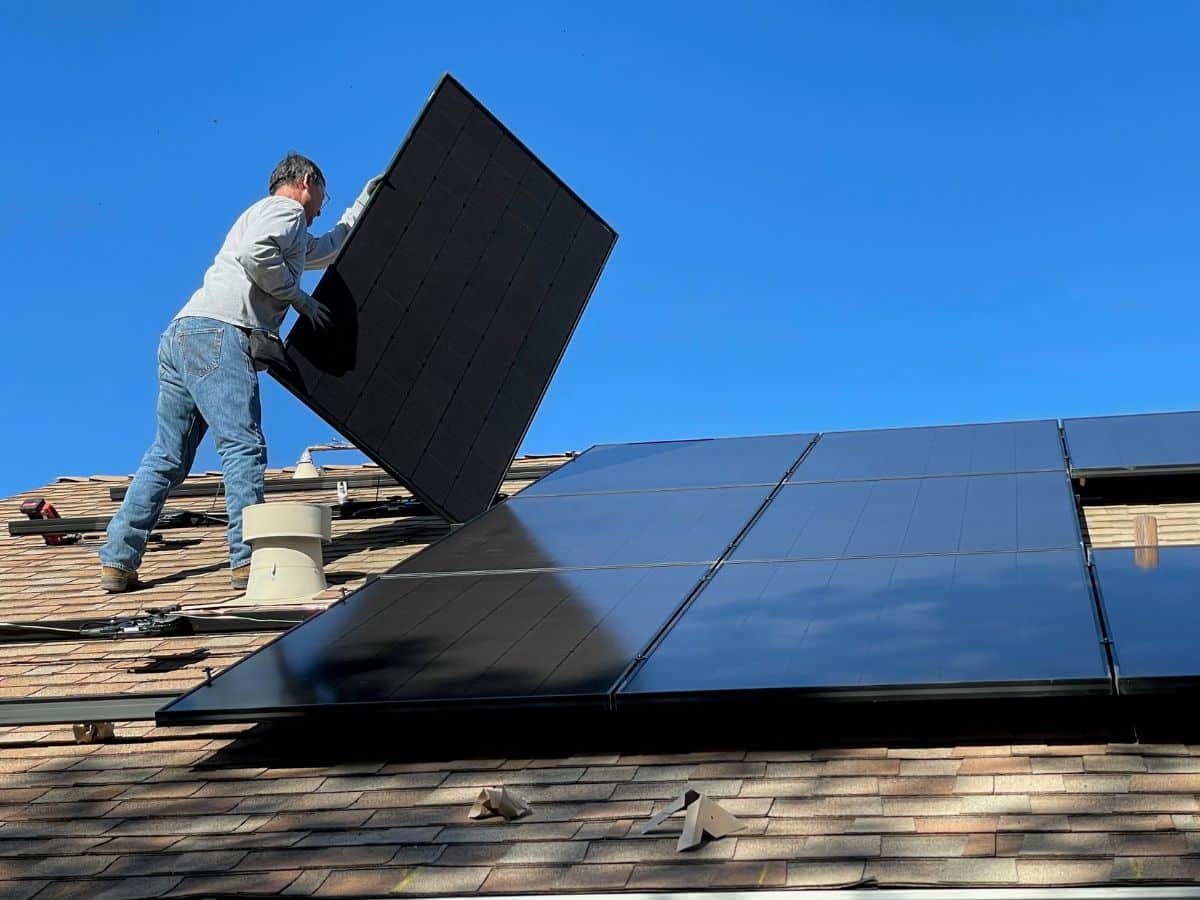
Through the federal Small-scale Renewable Energy Scheme, households installing rooftop solar can reduce upfront costs using government-backed certificates that are applied as a discount at purchase. This makes it cheaper to generate electricity at home and rely less on grid power during the day.
As more households generate their own power, demand on the grid drops, reducing the need for higher-cost generation later in the day.
How to access it:
Solar incentives are applied automatically through accredited installers. If you are considering rooftop solar, the key is choosing a Clean Energy Council-accredited provider who can apply the certificate discount at the point of sale.
Battery incentives and support programs
Solar power is cheapest during the day, but demand peaks after the sun goes down. Home batteries are designed to bridge that gap.
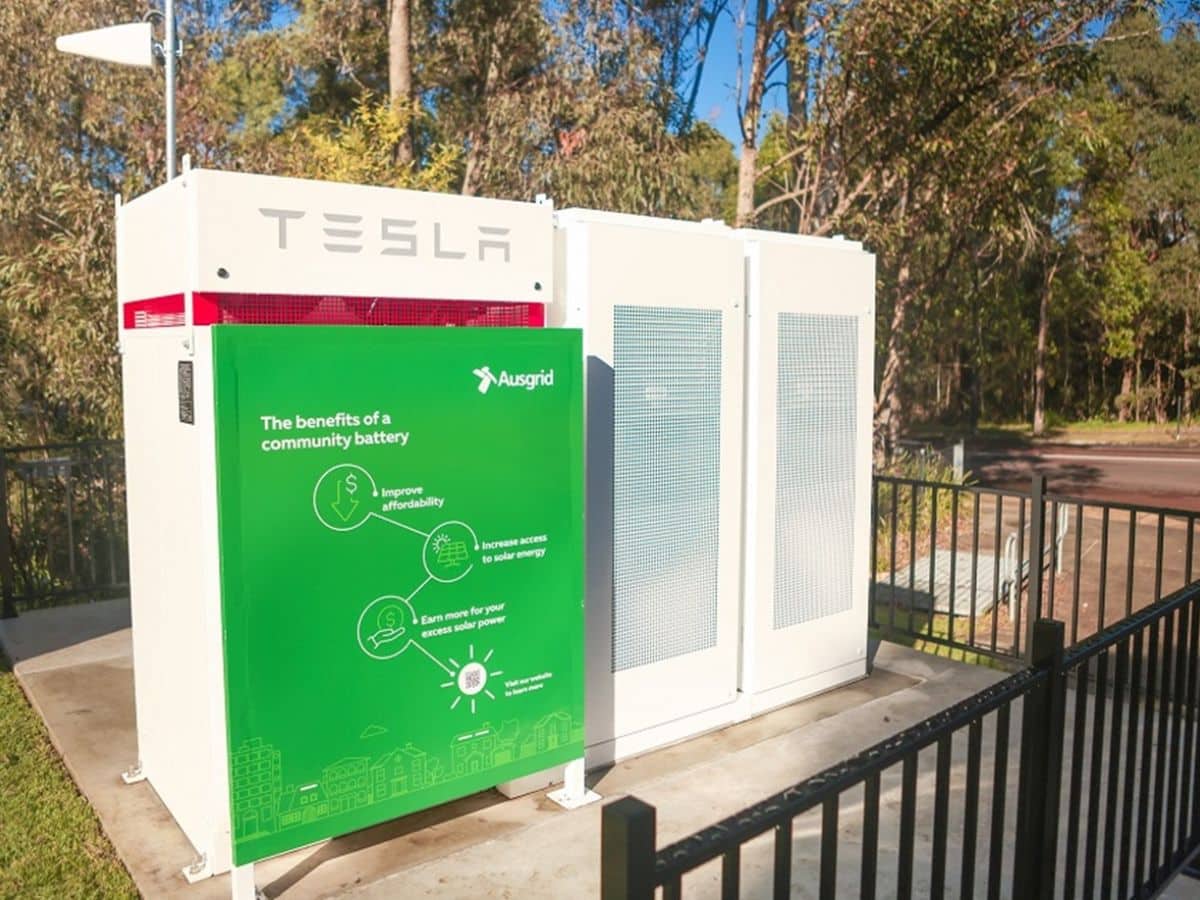
Several states offer rebates, loans or incentive programs to help households install battery storage. These systems allow excess solar energy to be stored during the day and used at night, reducing exposure to peak electricity prices.
While availability varies by state, the goal is consistent. Reduce evening demand and limit reliance on higher-cost coal and gas generation.
How to access it:
Battery incentives are managed at a state level and often come with eligibility criteria. Households can check their state government energy website or speak with an accredited installer to see what rebates or loan programs are currently available.
Large-scale renewable investment (Renewable Energy Zones)
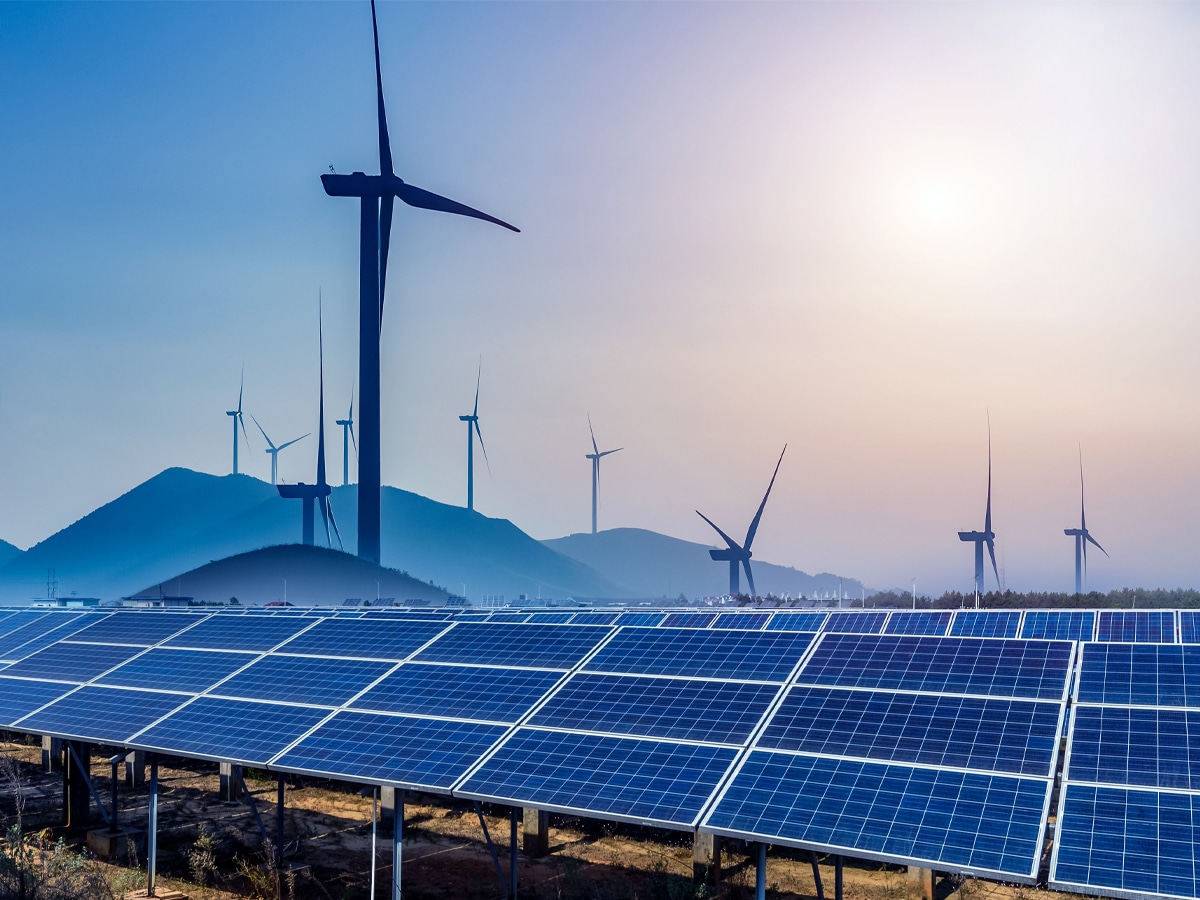
Behind the scenes, governments are also backing large-scale renewable projects through initiatives such as Renewable Energy Zones. These projects cluster wind, solar and battery infrastructure in areas where power can be generated cheaply and efficiently.
While households do not interact with these projects directly, they play a critical role in increasing supply, smoothing price volatility and making programs like Solar Sharer viable over the long term.
How it helps households:
More large-scale renewable generation means lower wholesale prices overall. Those savings are what allow retailers and governments to offer free power windows and cheaper plans in the first place.
Community Solar Banks
Not every household has a roof they can use. Community Solar Banks are designed to close that gap.
The federal initiative allows households, particularly renters and apartment dwellers, to access the benefits of solar without installing panels themselves. Power is generated from shared solar installations and credited back to participating households, lowering electricity bills without any upfront hardware costs.
How to access it:
Community Solar Banks are being rolled out in selected regions. Eligibility and availability vary by location, so households can check the federal energy website or their local council for participating projects and timelines.
Cheaper Home Batteries Program
Solar power is cheapest during the day, but bills are usually driven by evening use. The Cheaper Home Batteries Program is aimed at fixing that mismatch.
Under the scheme, the government funds upfront discounts on home battery systems by purchasing Small-scale Technology Certificates, reducing installation costs for households looking to store solar energy and use it later. The goal is to make batteries more accessible, not just for energy independence, but to cut exposure to peak electricity prices.
How to access it:
Battery discounts are applied through accredited installers at the point of sale. Households considering a battery can check eligibility through Clean Energy Council-approved providers and compare offers that include the government-backed discount.
How it all connects
Each of these policies tackles a different part of the same problem.
- Solar Sharer shifts electricity use into the cheapest part of the day.
- Rooftop solar incentives help households generate their own power.
- Community Solar Banks extend those benefits to renters and apartment dwellers.
- Battery programs allow cheap solar energy to be used later, when prices are higher.
- Large-scale renewable investment keeps wholesale prices lower across the system.
- Cheaper home batteries are exactly what they sound like: more affordable energy storage.
None of these schemes flip a switch overnight. But together, they point toward a future where electricity bills fall because power is cheaper to produce, not because households are being asked to go without.
For households wanting to dig deeper, the federal government’s Solar Consumer Guide brings all of this together in one place. It offers free, practical information on installing, using and maintaining rooftop solar and batteries, with no sign-ups or personal details required. It’s designed for everyone, from first-time solar buyers to small businesses looking to cut energy costs.
What does this mean for households?
In short, electricity should get cheaper. Australia is producing more power than it needs for large parts of the day, and the more households and the grid learn to use that surplus, the less often expensive coal and gas need to step in. Over time, that means fewer price spikes and lower bills, not because people are using less power, but because it costs less to make.
The transition isn’t finished, but the direction is clear. For the first time in a long while, the system is being built to drive prices down, not push them up.


























Comments
We love hearing from you. or to leave a comment.