

Updated:
Readtime: 4 min
Every product is carefully selected by our editors and experts. If you buy from a link, we may earn a commission. Learn more. For more information on how we test products, click here.
From its opening credits, Marty Supreme makes its intentions clear as director Josh Safdie kicks things off with a montage that’s pure sex, digital visuals of sperm racing towards destiny set to the anachronistic needle drop of Alphaville’s ‘Forever Young’. It immediately straps the audience in for the kind of ride Safdie excels at.

The Serve
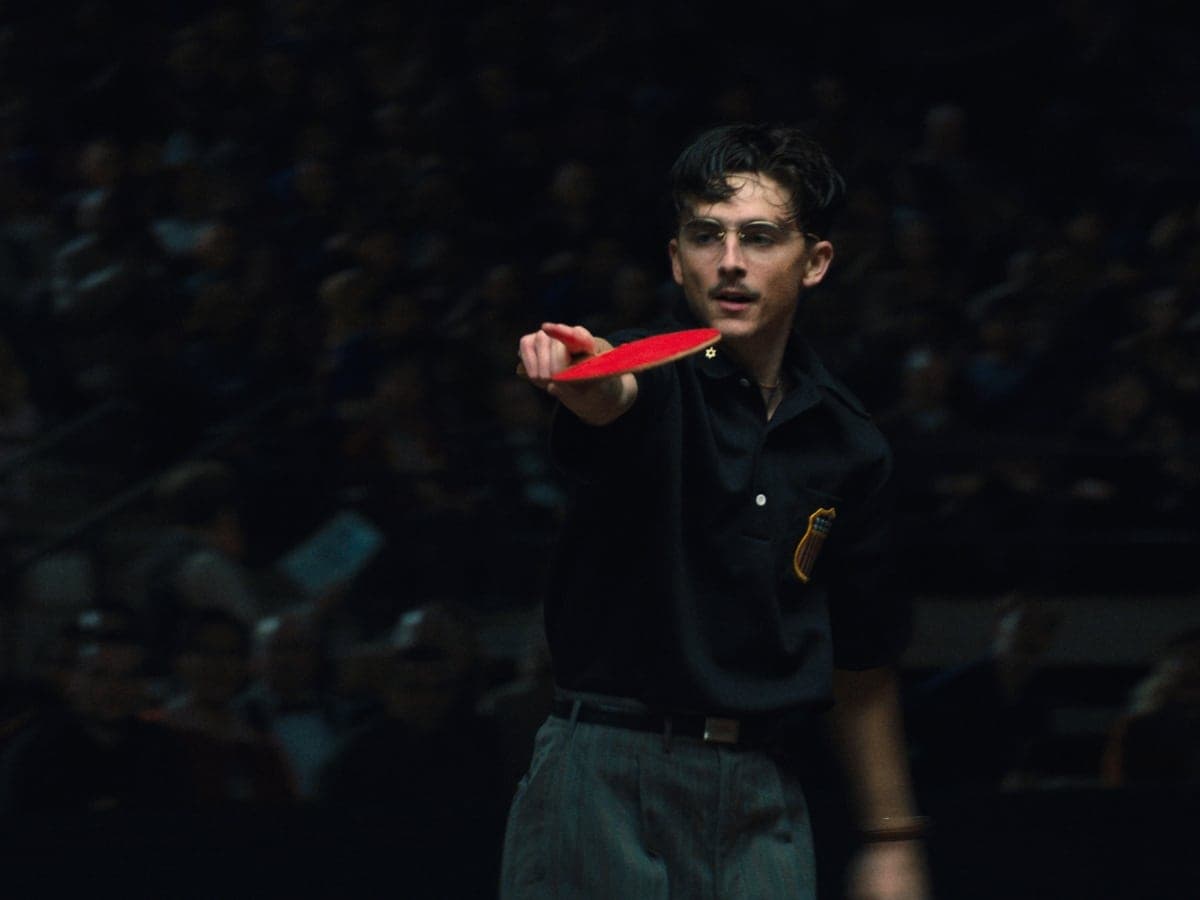
Selfish and manipulative Marty Mauser (Timothée Chalamet) leaves emotional and physical wreckage in his wake. Marty’s ambition to be the world’s best table tennis player is so raw and absolute that it becomes a little contagious. As awful as he is to everyone around him, you can’t help but root for the guy. That contradiction is a compelling engine for a movie. Marty’s journey isn’t about whether he deserves success, but whether he has what it takes to actually seize it and ultimately what that kind of belief could cost him.
Timothée Chalamet delivers what is arguably his finest performance to date. Marty is a character who survives by any means necessary, deploying charm, aggression, vulnerability, and sheer nerve. Chalamet switches tactics on a dime, shaping Marty into a hustler who’s always either two steps ahead or crashing headlong into a wall. It’s electric work, and the camera loves him for it.
The supporting cast is a pitch-perfect ensemble. Fran Drescher has never been better as Marty’s long-suffering mother, Gwyneth Paltrow is quietly devastating as an ageing actress grasping for relevance, and Odessa A’zion serves as the film’s hidden strength. Safdie’s casting instincts remain razor-sharp as he peppers an accomplished ensemble of actors with real people cast for their unique personalities and skills, lending the film the kind of lived-in texture that epitomises Manhattan. Kevin O’Leary, better known as Shark Tank’s Mr Wonderful, weaponises his persona into a hard-nosed capitalist. There’s also Japanese table tennis champion Koto Kawaguchi, indie filmmaker Abel Ferrara, playwright David Mamet, and basketball star George ‘The Iceman’ Gervin, to name but a few.
Small Table, Big Stakes
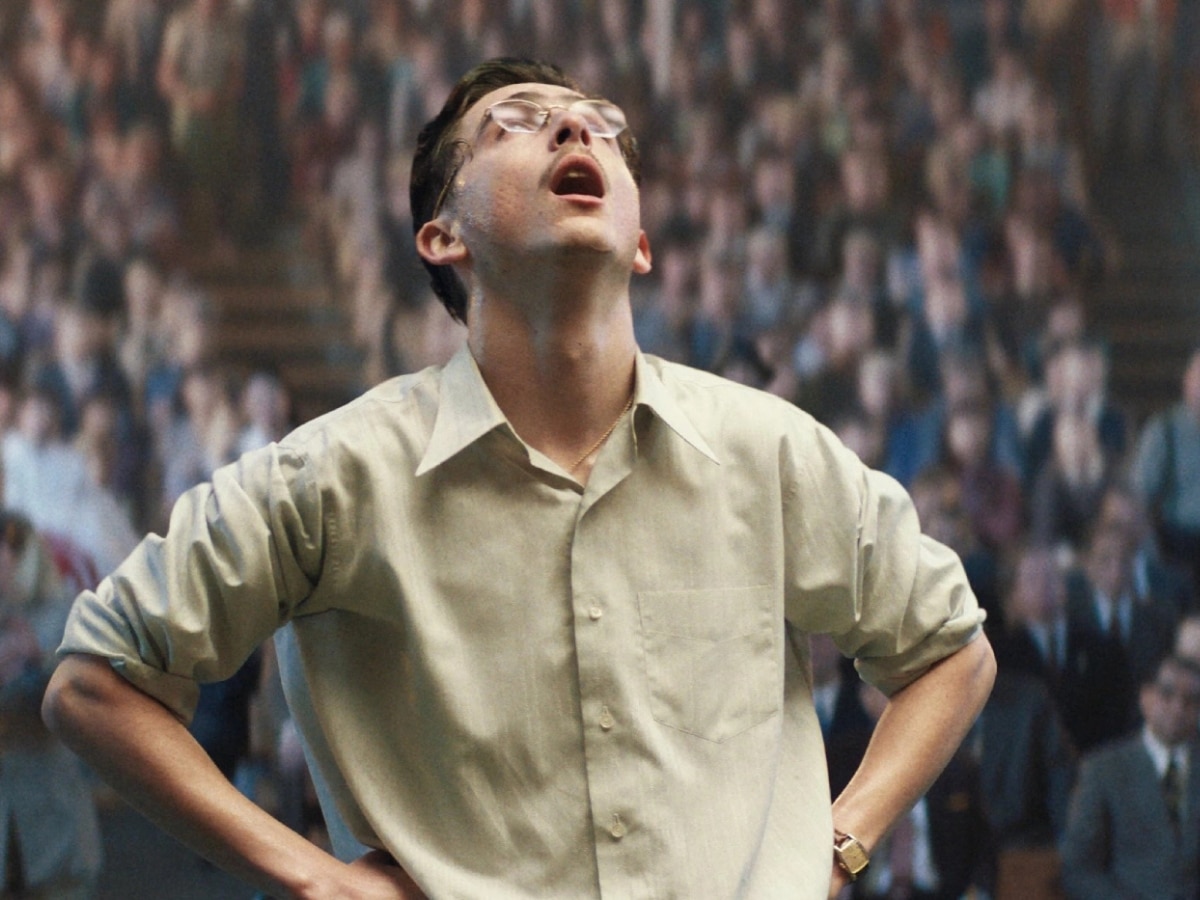
What might be most surprising is how gripping Marty Supreme makes table tennis. Who knew a sport routinely dismissed could be staged with this kind of cinematic swagger? But like a lot of great sports movies, this one isn’t really about the game. It’s about the man at the table, the obsession that drives him, and the singular question hanging over every rally. Visually and tonally, the film taps into the best of the Safdie aesthetic. It’s a brash and brilliant story of hard knocks that barrels inevitably forward. It has an air of Good Time about it, one of the best Safdie collaborations, in the way that the narrative compounds into a kind of snowball effect. Unpredictable in the best way, Marty Supreme is equally mesmerising.
Watching Safdie work solo here invites an inevitable comparison with the recent work of his brother and former partner, Benny. In the admittedly unfair matchup of their standalone efforts, Marty Supreme comes out ahead of Benny’s 2025 effort, The Smashing Machine. Interestingly, both brothers made sports movies that have little to do with the sport itself and everything to do with the man in the ring. Here, Josh finds something ferocious and funny in Marty’s singular obsession to be the best.

Hustle & Flow
Marty Supreme may be inspired by the real-life exploits of table tennis legend Marty Reisman, but the film never feels like a biopic, let alone a dutiful one. Safdie instead uses Reisman’s story as a launchpad, excavating a forgotten subculture of postwar New York misfits and dreamers who saw opportunity. The extensive research into smoky backroom matches, hustlers, and underground clubs lends the film an authenticity, even as the story exaggerates and somewhat mythologises its antihero.
At 150 minutes, Marty Supreme has every excuse to feel indulgent, but never does. The pacing is so assured that the runtime disappears. Safdie structures the film like a series of escalating bets, each one daring Marty, and the audience, to stay in the game just a little longer. American cinema has produced a handful of modern classics lately. Alongside One Battle After Another, Marty Supreme earns its victory lap. ★★★★★

























Comments
We love hearing from you. or to leave a comment.