

Updated:
Readtime: 10 min
Every product is carefully selected by our editors and experts. If you buy from a link, we may earn a commission. Learn more. For more information on how we test products, click here.
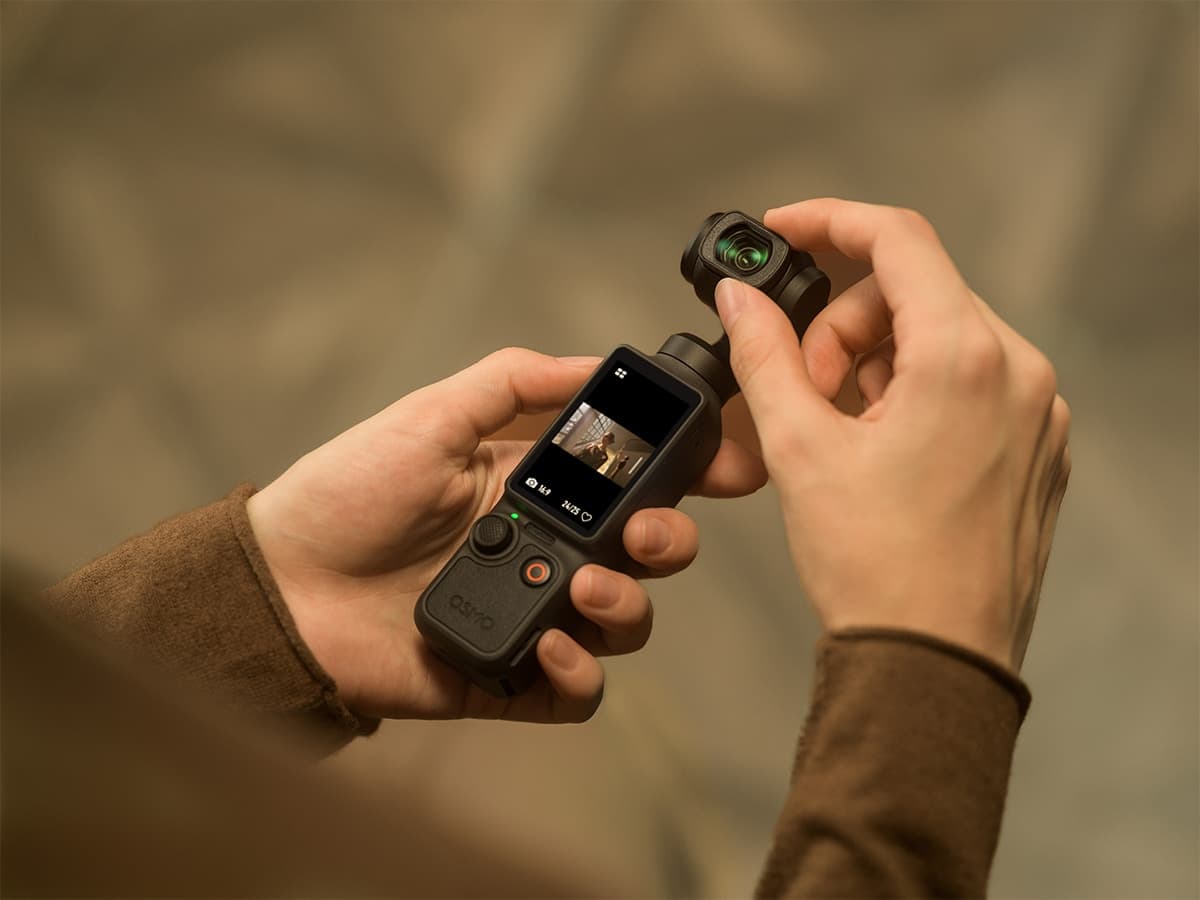
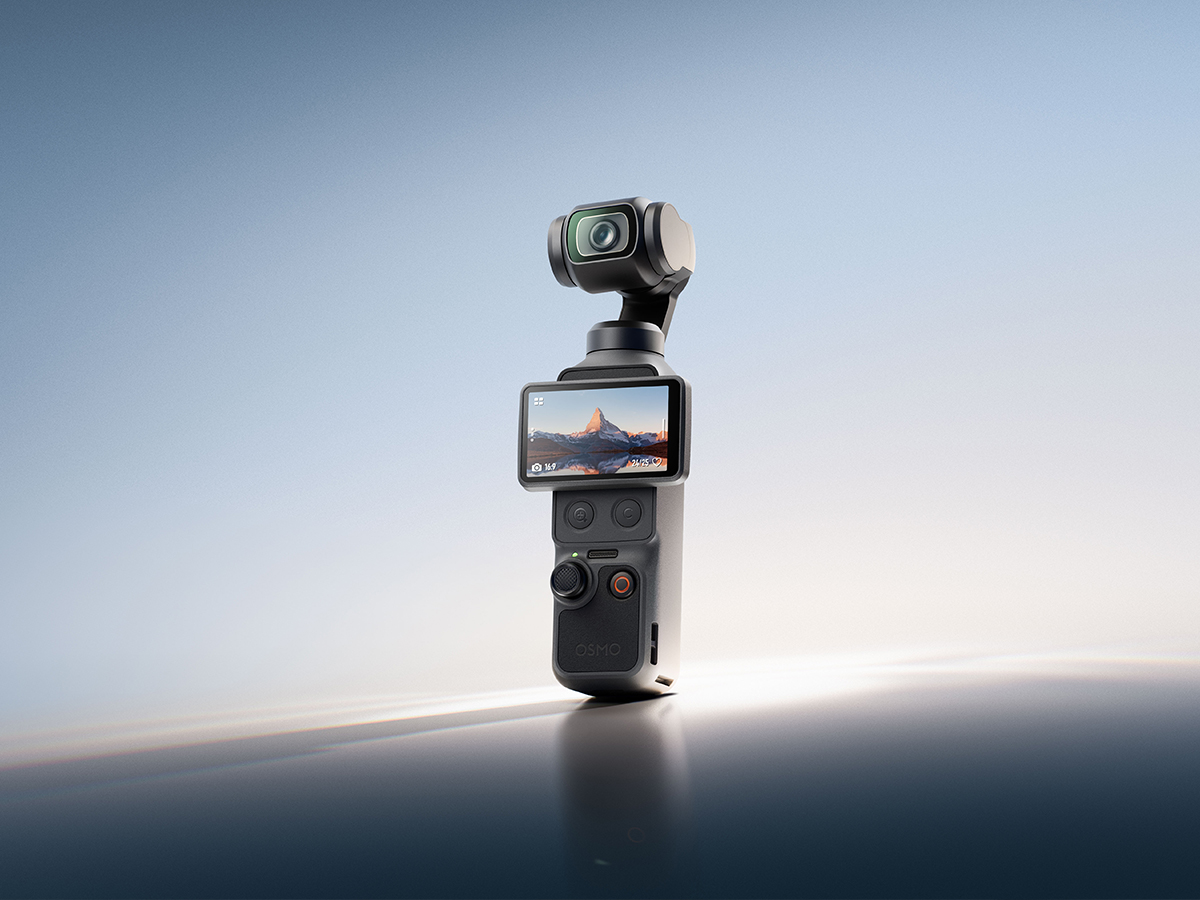
The DJI Osmo Pocket 3 was a revelation, quickly establishing itself as the undisputed king of the content creator world. It was the piece of gear I’d reach for when I wanted high-quality footage without the mirrorless bulk, and it genuinely outperformed my iPhone (though if you prefer to stick to using your smartphone for video, the DJI Osmo Mobile 8 is a great alternative). Even to this day, I still use my Pocket 3 regularly. However, as with any daily driver, extended time behind the lens highlighted a few pain points that slowed down the creative process – mostly around file management, battery life, and blown-out highlights in tricky lighting. Well, the good news is that the DJI Osmo Pocket 4, which I’ve been testing for the last week, irons out almost all of those bumps.
Getting stuck into the new DJI Osmo Pocket 4, it becomes immediately apparent that this isn’t just an incremental update, as many on the internet would have you believe with the leaks. DJI’s engineers clearly spent time listening to user feedback, bringing pro-level 4K/240fps recording (previously exclusive to high-end cinema cameras) down to a consumer-friendly price point. DJI might be expanding its empire beyond cameras and drones (bringing LiDAR tracking tech indoors with the DJI ROMO Robot Vacuum), but the Pocket 4 shows that they’re still at the top of the portable video food chain.
The biggest changes go beyond the new 20mm f/2.0 glass on the front. Where the Pocket 4 truly justifies its existence is in the massive leaps it takes in workflow speed, intelligent autofocus, and an expanded accessory ecosystem designed for near-pro-grade configurations.
Price and Availability
Osmo Pocket 4 is available for pre-order starting today through store.dji.com/au and authorised retail
partners. Official sale with shipping will begin on Apr 22nd. Pricing and configurations are as follows:
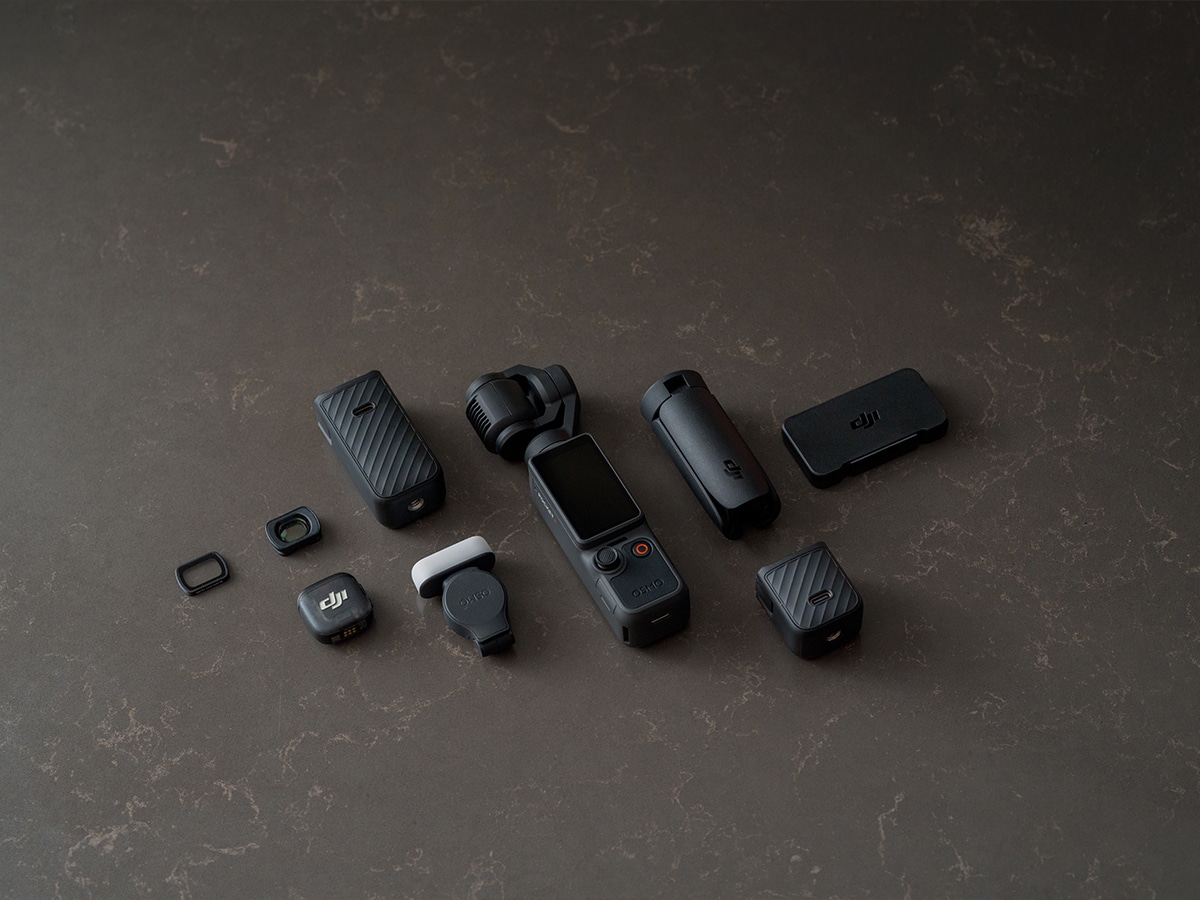
The Osmo Pocket 4 Standard Combo retails for AUD$769 and includes:
- USB-C to USB-C PD Cable (USB 3.1)
- Osmo Pocket 4 Gimbal Clamp
- DJI Wrist Strap
- Osmo Pocket 4 Handle with 1/4″ Thread
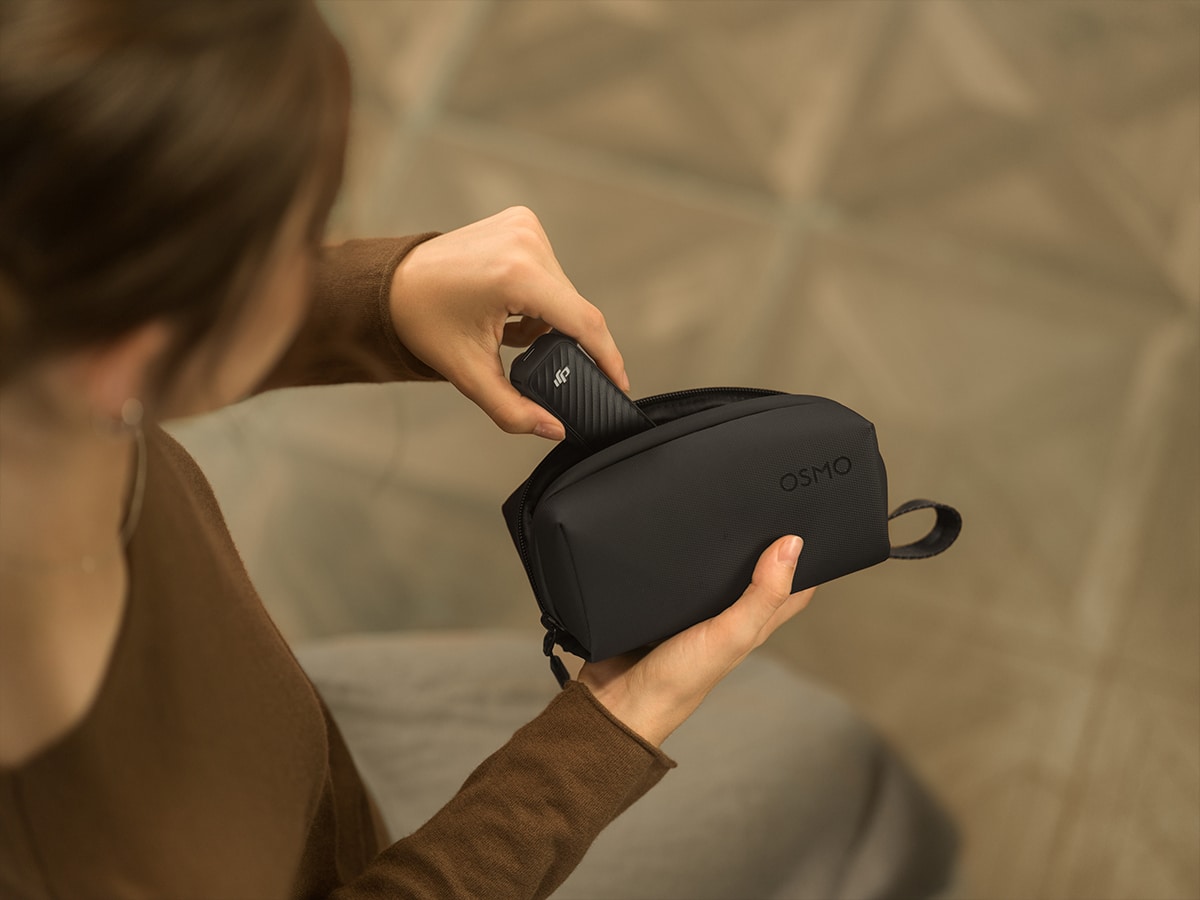
- Osmo Pocket 4 Portable Carrying Pouch
The Osmo Pocket 4 Creator Combo retails for AUD$959 and includes the Standard Combo plus:
- Osmo Pocket 3 Wide-Angle Lens
- DJI Mic 3 Transmitter
- DJI Mic 3 Magnetic Clip
- Two DJI Mic 3 Windscreens
- DJI Mic 3 Magnet
- DJI Mic 3 Transmitter Magnetic Charging Cable
- Osmo Pocket 4 Fill Light
- Osmo Mini Tripod
- Osmo Pocket 4 Carrying Bag
The Osmo Pocket 4 Essential Combo retails for AUD$749 and includes:
- Osmo Pocket 4
- USB-C to USB-C PD Cable (USB 3.1)
- Osmo Pocket 4 Handle with 1/4″ Thread
- Osmo Pocket 4 Portable Carrying Pouch.
Design, Handling, and Storage
| DJI Osmo Pocket 4 Details | |
| Dimensions | 144.2 × 44.4 × 33.5 mm (L×W×H) |
| Weight | 190.5 grams |
| Battery Capacity | 1545 mAh |
| Internal Storage | Built-in 107GB storage |
| Transfer Speeds | Wired transfer speeds up to 800 MB/s via USB 3.1 Wireless transfer speeds up to 90 MB/s |
| Analog Joystick | New 5D joystick. Press centre to go back. Double-press to recenter the gimbal. Triple-press to switch front/back camera orientation. |
| Left Button (Zoom) | Single-tap switches between 1x and 2x zoom. Single tap returns to 1x when zoomed beyond 1x. Double-tap switches to 4x zoom. |
| Right Button (Custom) | Single-tap (default) switches between photo/video mode. Double-tap (default) switches gimbal mode. Triple-tap (default) locks/unlocks the gimbal. Press and hold to open Tap-Action Settings. |
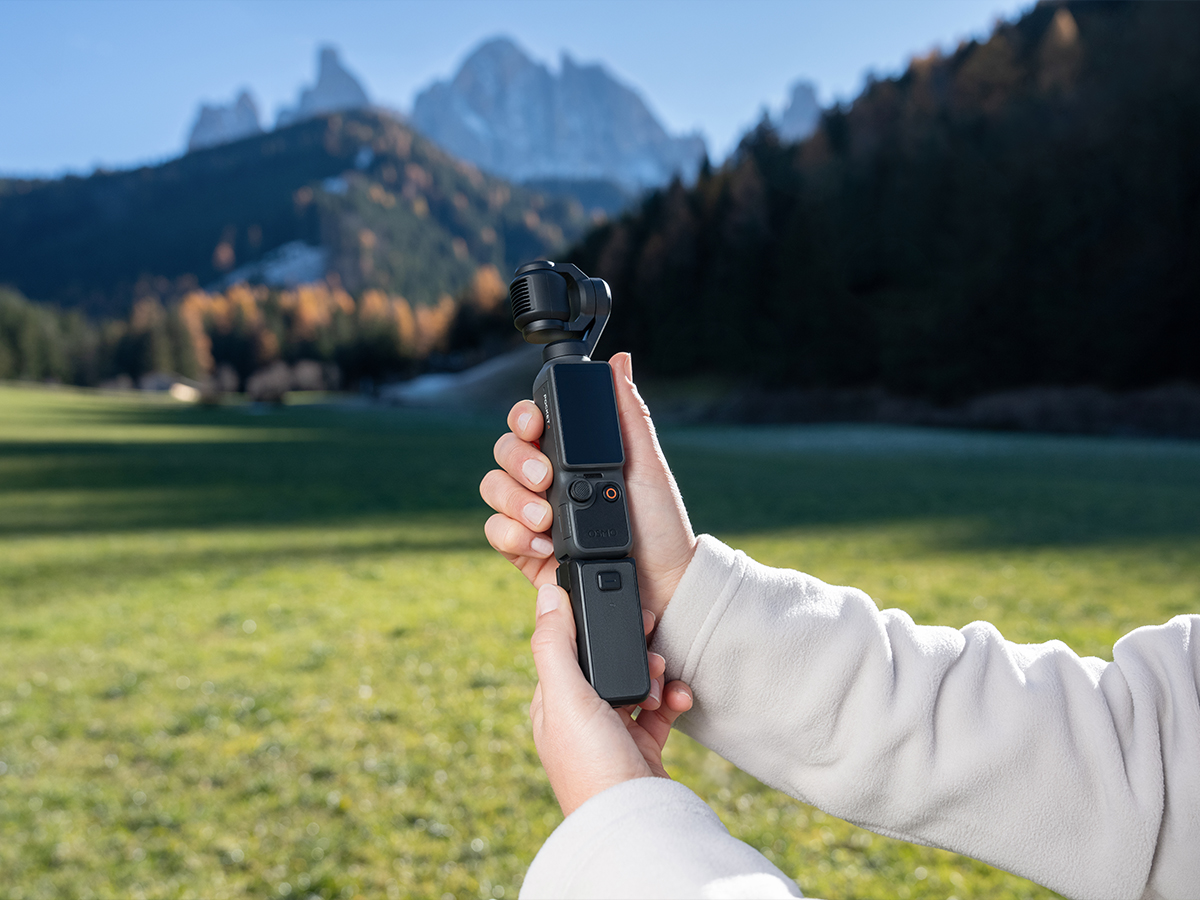
The form factor remains the same, but DJI has perfected the compact vlogging format, easily outperforming other pocketable options like the Canon PowerShot V10, so why would they change it?
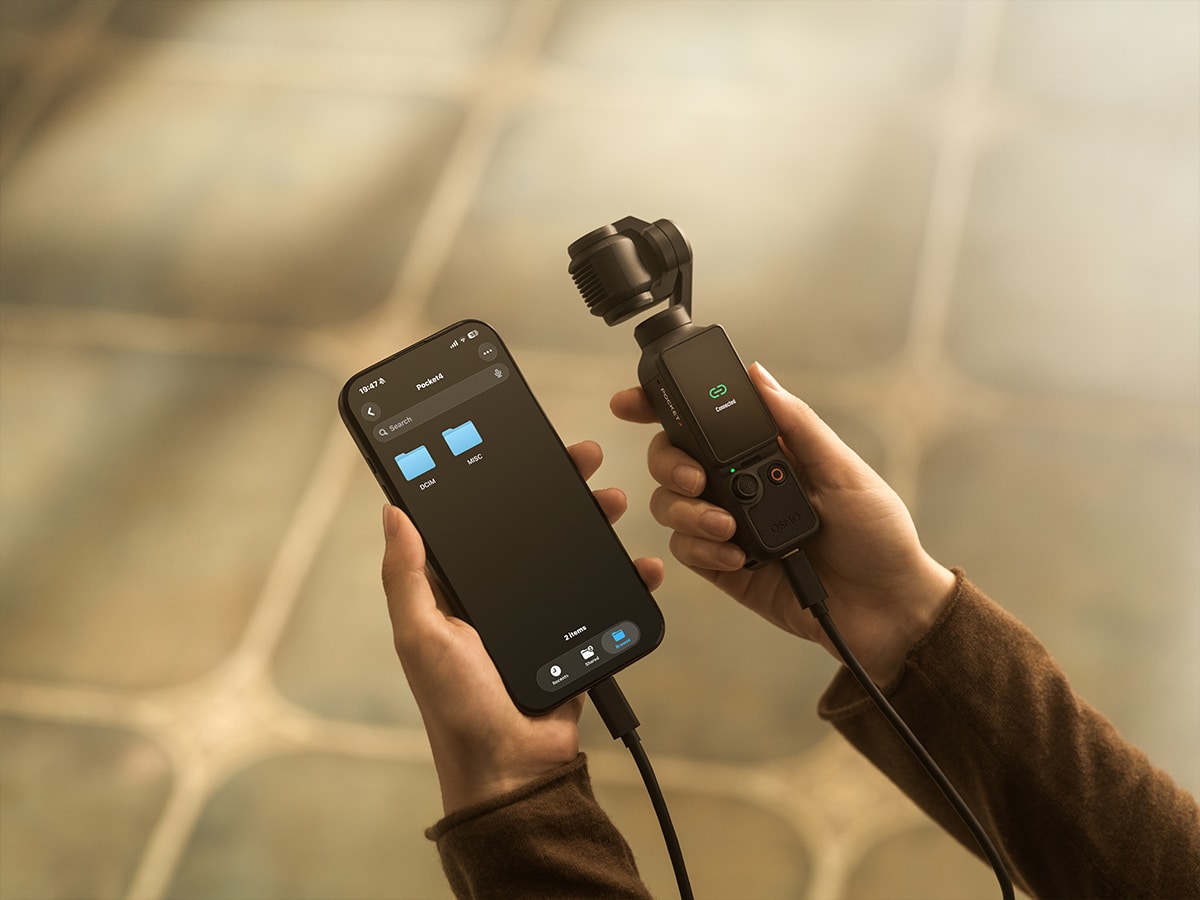
The most immediate quality-of-life improvement is the absolute death of the MicroSD. With 107GB of internal storage and USB 3.1 support, the Osmo Pocket 4 lets me transfer footage at up to 800MB/s. If you’ve seen the price of high-speed storage recently, the fact that I don’t have to worry about forgetting my microSD card again is a blessing.
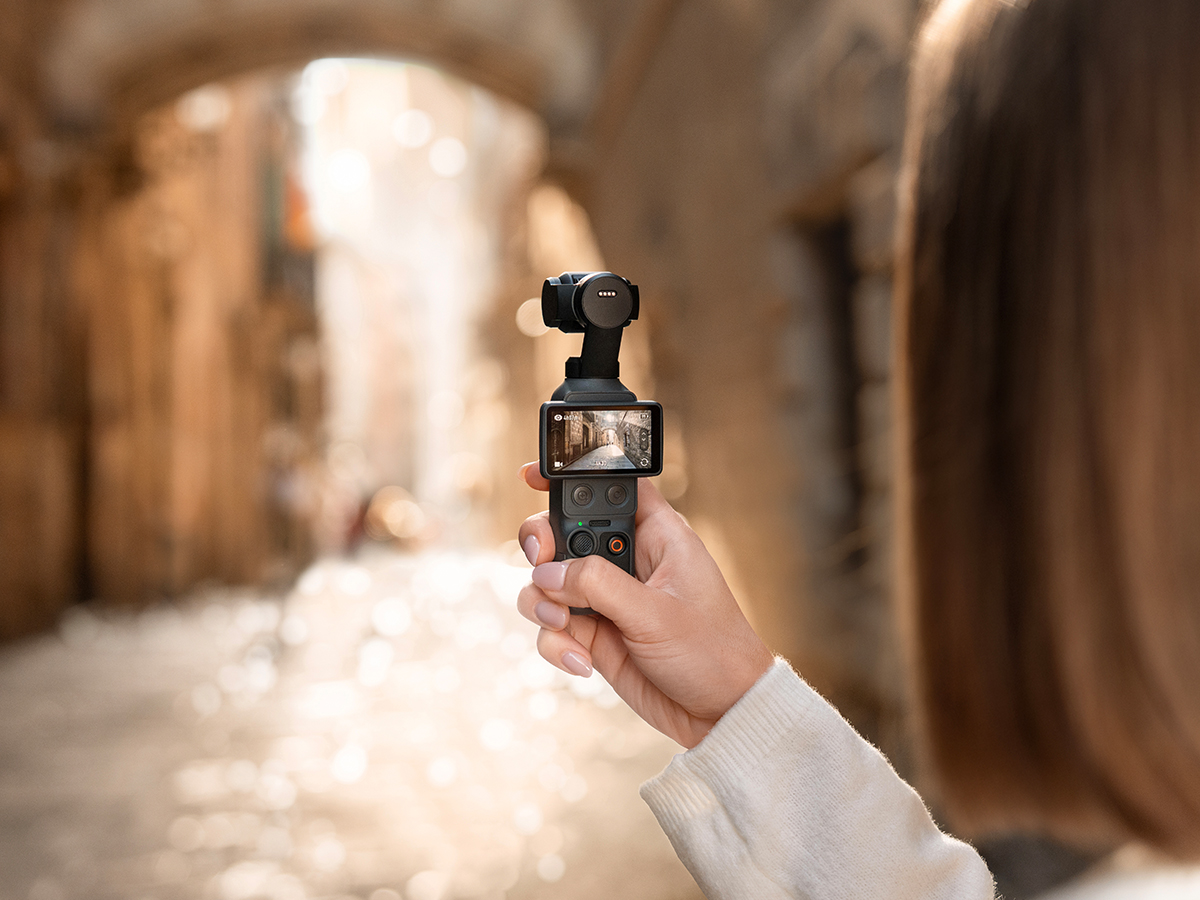
On the handling front, the new 2-inch rotatable OLED touchscreen is an upgrade in the flesh. It’s still a little bit small for my liking, as I sometimes struggle to see fine details on the screen. However, with a peak brightness of up to 1000 nits and a 100% P3 wide colour gamut, the display does a better-than-average job of showing me what I need most of the time, with both horizontal and vertical shots displayed full-screen. You can also rotate the screen to quickly power on or off the gimbal camera, but that’s usually the first thing I turn off in the settings.
Meanwhile, the device features an automated axis lock, so when the camera is powered off, the motor automatically operates to the storage position to protect the lens. To power all this, DJI included a 1545 mAh battery that easily supports 135 minutes of 4K/60fps recording. Better yet, if you do run out of juice, the fast charging gets you back to 80% in just 18 minutes. Through my testing so far, those figures are as accurate as they are truthful.
Video Quality and Imagery
| Feature / Spec | DJI Osmo Pocket 4 Details |
| Sensor & Lens | New 1-Inch CMOS sensor Format Equivalent: 20 mm Aperture: f/2.0. Focus Range: 0.2 m to ∞ |
| Dynamic Range | 14 stops of dynamic range Works in both 4K/60fps and 4K/30fps Up to 2 stops better in Low-Light Video Mode |
| Color Profile | 10-bit colour depth Supports 10-bit D-Log Pro Mode |
| Max Video Specs | 4K at 240fps slow-motion |
| Slow-Shutter Video | Manual settings support slow-shutter shooting. Adjustable speeds down to 1/12s, 1/10s, 1/8s, 1/6s, 1/5s, and 1/4s |
| Photo Resolution | 37 MP |
The Pocket 3 and 4 both rock a 1-inch sensor, which is a trend DJI really kicked off with the dual-Hasselblad DJI Mavic Pro 2. However, the 4 introduces a completely new architecture, boasting 14 stops of dynamic range and capturing over 1 billion colours. The results from my tests show richer colour detail and smoother, gradation-free transitions.
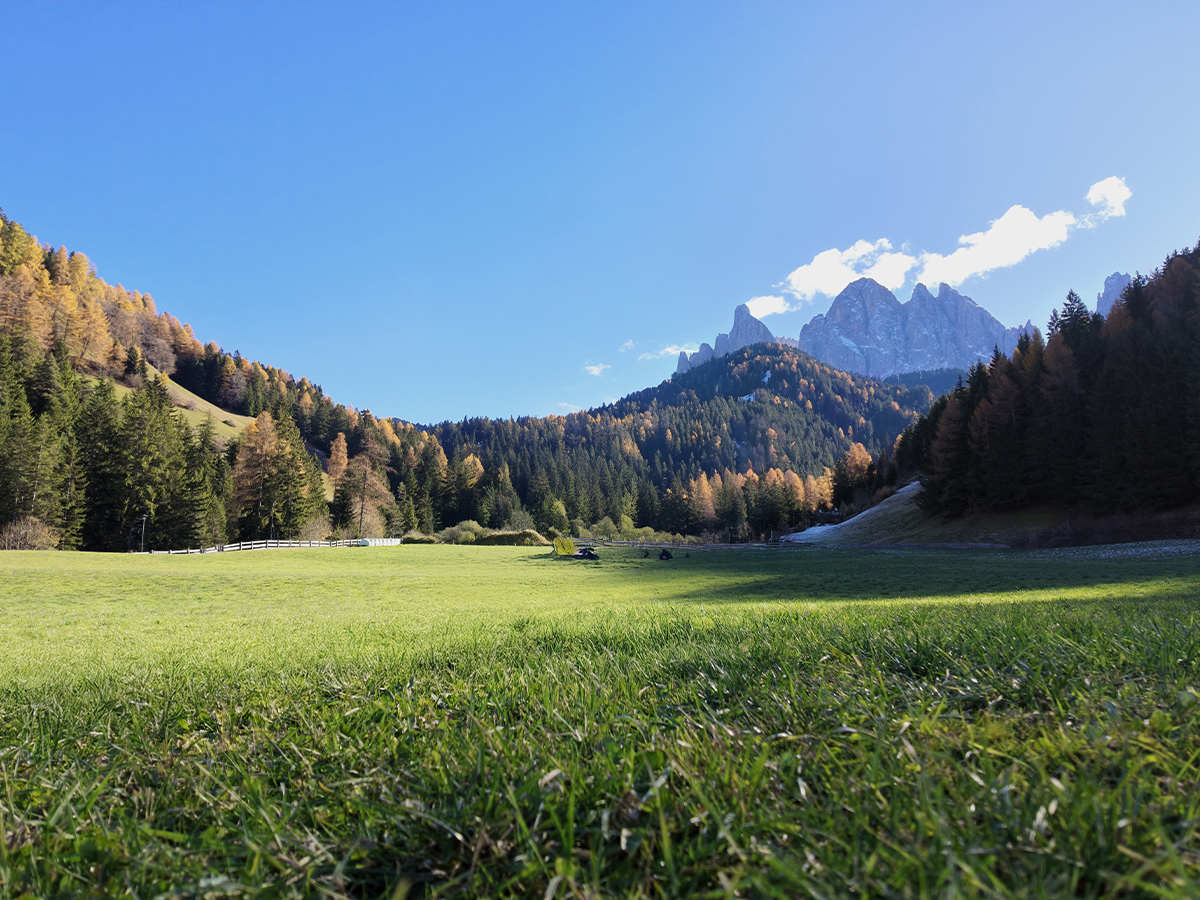
Night performance is directly improved by 2 stops over the previous generation, and the camera supports up to 4K/30fps low-light video to reduce image noise in darker scenarios. In practice, it means you can now use it to shoot concerts or dimly lit events with confidence.
I don’t usually push framerates and shoot a lot of slow motion, but the Pocket 4 brings 4K/240fps recording in Slow Motion mode. If you don’t want to mess with the new 10-bit D-Log Pro in post-production, the camera includes built-in film tones like CC Film, NC Film, Pastel, Warm Tone, Movie, and Retro that deliver stylised colours straight from the camera. While it doesn’t have interchangeable lenses, the Pocket 4 offers incredible bang for your buck, much like the FUJIFILM X-S20 or the Fujifilm X-M5 we loved for travel content. If you want to shoot stills, the photography capability has received a massive jump to a highly detailed 37-megapixel photo mode, with support for up to 4-second long exposures after a brief calibration.
Audio and Accessories
If you’re filming solo, autofocus is crucial. ActiveTrack stability has been improved with ActiveTrack 7.0, and it now firmly locks onto subjects such as people, vehicles (cars/motorcycles), and pets (cats/dogs) better than ever before. The tracking features here are just as reliable as those in the FocusTrack suite on the DJI Mini 3 Pro. While tracking alone might not force you to ditch your Pocket 3, when paired with the new sensor, it’s a game-changer for those who haven’t experienced it before.
Like its predecessor, the Pocket 4 offers 2x Lossless Zoom across wide-angle and mid-telephoto focal lengths, achieving 2x Lossless Zoom in 4K and 4x in 1080p. This feature also seamlessly supports ActiveTrack and D-Log, which is a big advantage. When you’re in AFC mode, the “Subject Lock Tracking” feature lets you manually select and lock onto a detected face, which is highlighted in yellow when it’s in focus. The device also supports face registration for up to three individuals, ensuring your chosen subject gets priority tracking.
You’ll also find Dynamic Framing & Gestures, where you can select a subject’s position based on the golden spiral or the rule of thirds using the joystick. Then, when you’re standing back from the camera and ready to film, the gesture controls let you make a “palm” gesture to start or stop ActiveTrack, or a “V” gesture to start or stop recording.
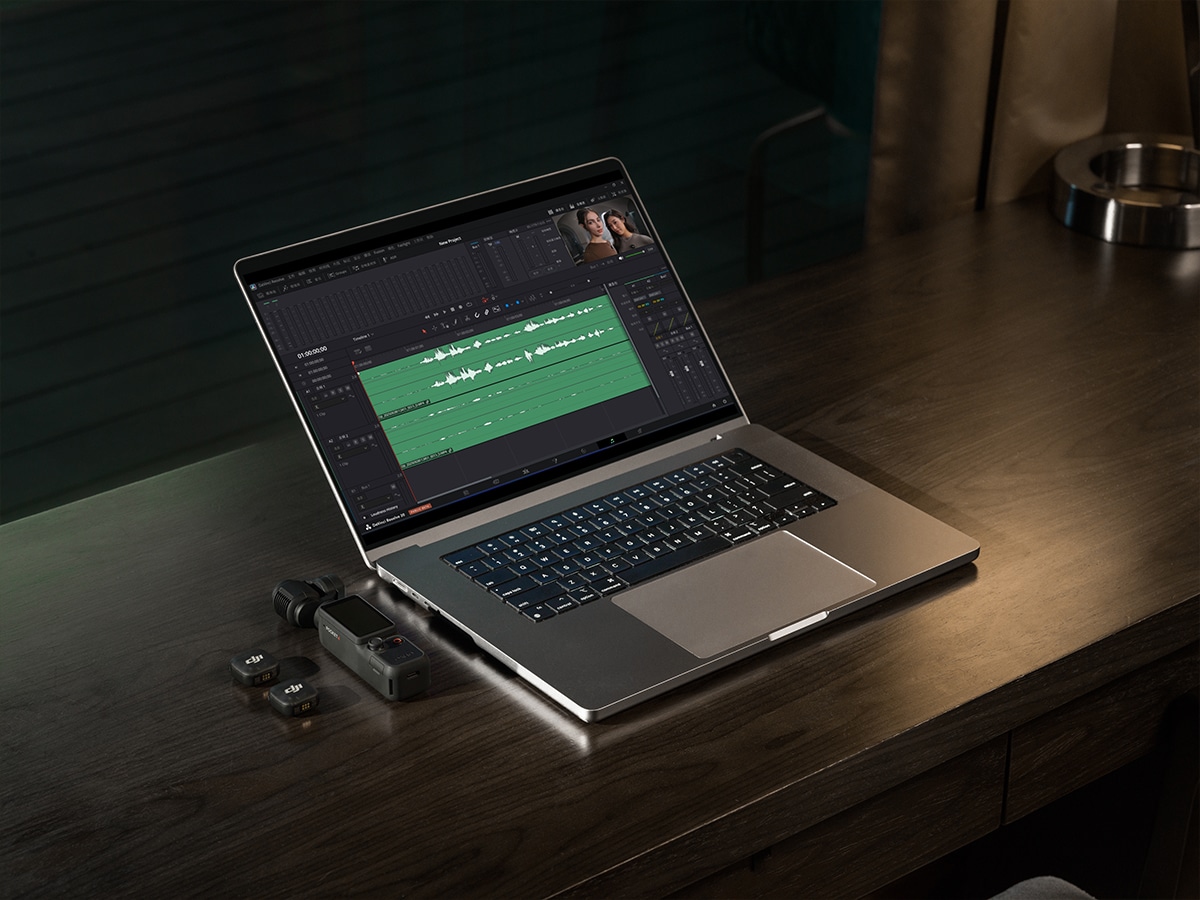
There are some serious audio upgrades in the Pocket 4 that make it a fantastic reason to upgrade. First, it introduces OsmoAudio 4-Channel Output. When you connect two DJI Mic transmitters, the recorded video files automatically contain two audio tracks: Track 1 records the transmitters (Left and Right channels separately), while Track 2 records a synchronised stereo track of ambient sound from the camera’s built-in microphone array. It even features Spatial Audio for binaural sound localisation and Audio Zoom, which amplifies the sound as the video zooms in. Direct connection is supported for DJI Mic 2, DJI Mic 3, and DJI Mic Mini, though the first-generation DJI Mic is not supported.
For professional workflows, DJI has built a timecode function into the device. This allows you to accurately sync footage from multiple cameras with a maximum drift of less than one frame over 8 hours of continuous operation.
The accessory ecosystem is equally useful, featuring an optional battery handle with a built-in 1080 mAh battery that increases operating time by approximately 62% and supports hot swapping. The USB 3.1 port on the back allows you to connect external audio devices or support high-speed data transfer and DP live streaming. Furthermore, a new fill light magnetically attaches to the gimbal, offering three adjustable levels of colour temperature (Warm 2800K, Neutral 4000K, Cool 5500K) and brightness (Low 12 lux, Medium 25 lux, High 40 lux).
If you’re buying an Osmo Pocket 4, make sure you pick up a Magnetic ND Filters Set, which includes ND16, ND64, and ND256 to ensure you keep the 180-degree shutter rule applied when shooting in D-Log Pro.
Man of Many’s Verdict
For new buyers, the DJI Osmo Pocket 4 is a definitive “yes,” establishing itself as the unequivocally superior buy thanks to massive workflow improvements like the built-in 107GB storage and blistering 800MB/s transfer speeds. Even for current Pocket 3 owners, it’s well worth the upgrade if you frequently shoot in high-contrast lighting to take advantage of the new 14-stop dynamic range.
Pair the Pocket 4 with a beginner-friendly drone like the DJI Neo 2 for the ultimate lightweight travel kit. Whether you crave that ultra-smooth 4K/240fps slow-motion, need professional Timecode syncing for a multi-camera shoot, or are simply tired of forgetting your SD card, DJI has delivered a genuinely indispensable piece of gear. It’s safe to say the Pocket 4 is ready to be your main camera, a title we recently bestowed upon the GoPro MISSION 1, or even the rugged DJI Osmo Action 5 Pro – raising the bar once again for portable filmmaking.
NOTE: The author of this article, Ben McKimm, was provided a DJI Osmo Pocket 4 for the purposes of this review. All reviews remain independent and objective. DJI was not shown this review before publishing, and we received no money for posting the review. In fact, we’ve never done business with DJI. For more information on how we test products, view our editorial guidelines here.

















Comments
We love hearing from you. or to leave a comment.