
Updated:
Readtime: 18 min
Every product is carefully selected by our editors and experts. If you buy from a link, we may earn a commission. Learn more. For more information on how we test products, click here.
CES 2026 isn’t short on spectacle, but this year’s theme has been personal robots. We’ve seen new household robot cleaners from brands like LG and Samsung, and we’ve even seen robot Labubus.
Beyond the bots, the tech-filled Las Vegas hall has filled up with more screens, bold promises, and “world’s firsts” than you can poke a stick at, let alone reasonably keep track of. But beneath the noise, something more interesting was happening. The most memorable products weren’t chasing attention through big numbers or bold claims. They were quietly rethinking how technology fits into daily life, removing friction, softening edges, and solving the problems we’ve simply learned to live with.
Our list of the best CES 2026 releases isn’t filled with the biggest, fastest, or most expensive things on the show floor. It’s a collection of products that we thought, “Hey, that’s actually really cool.” Some are practical, some are strange, and a few are surprisingly emotional. However, most importantly, all of them say something about where consumer tech is heading next, and what it might start caring about along the way.
Best of CES 2026 at a Glance
Highlights from our list include the following options:
- Best of CES 2026 overall: LEGO SMART Play
- Best robot: LG CLOiD
- Best gadget: Y-Brush Halo
- Best TV: Samsung R95H 130-inch MicroRGB
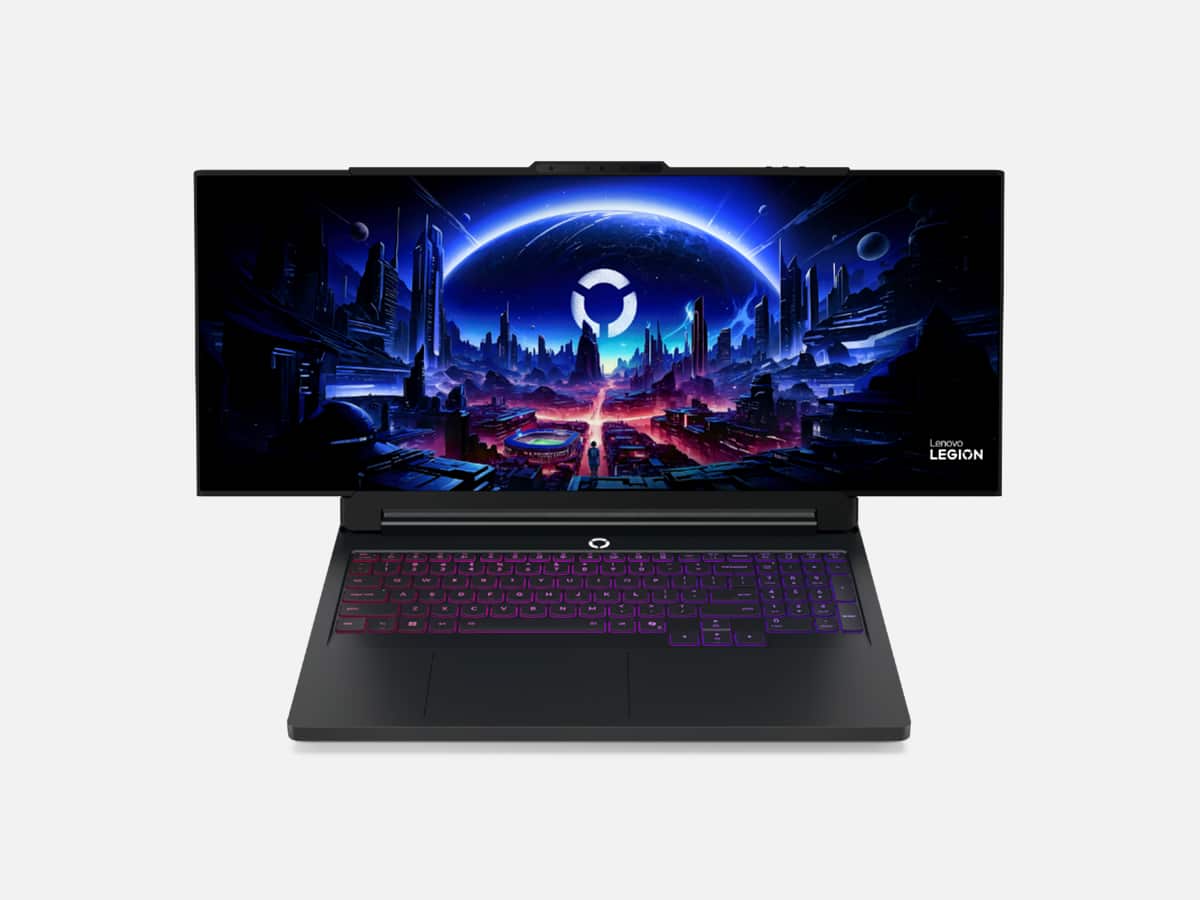
- Best laptop: Lenovo Legion Pro Rollable Gaming Laptop Concept
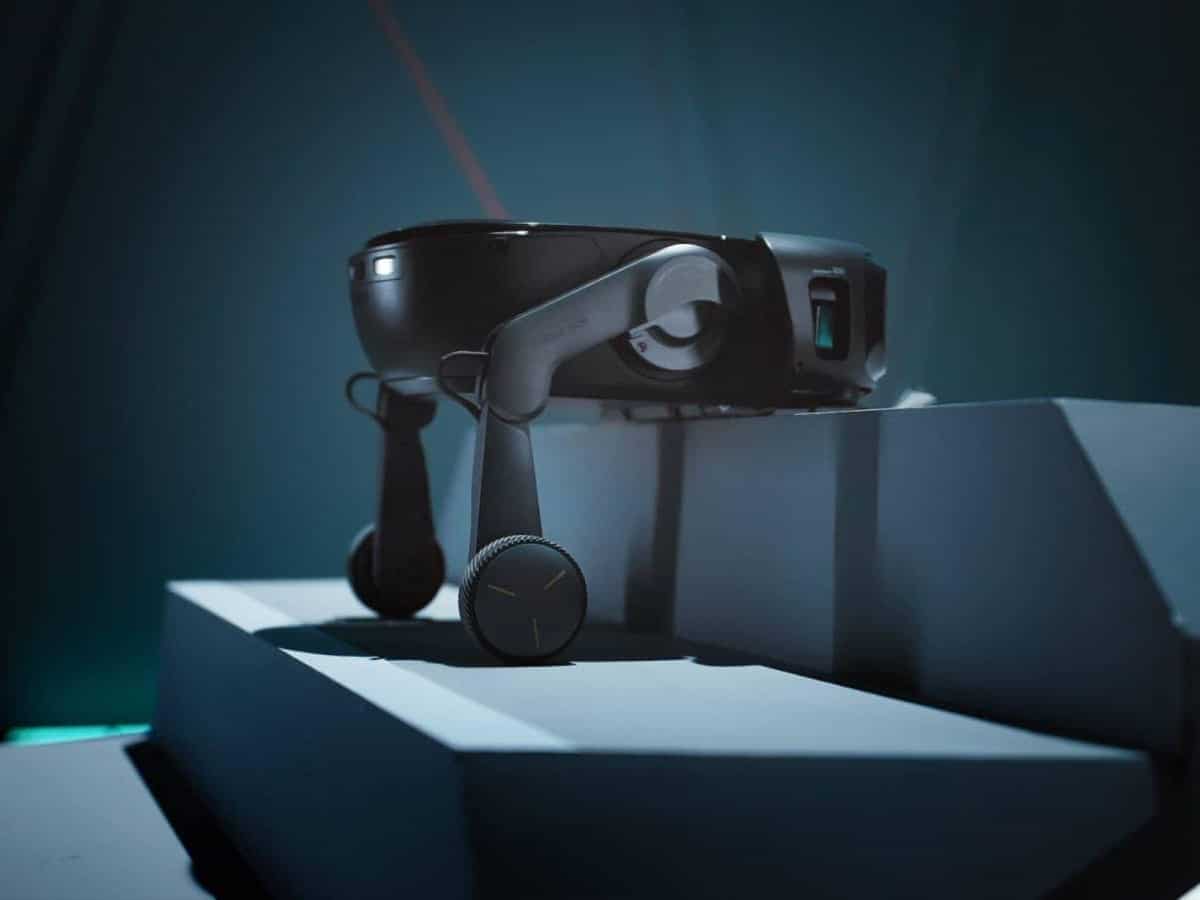
- Best robot vacuum: Roborock Saros Rover
Now that we’ve looked at our favourites, let’s take a look at the complete list.
LEGO SMART Play
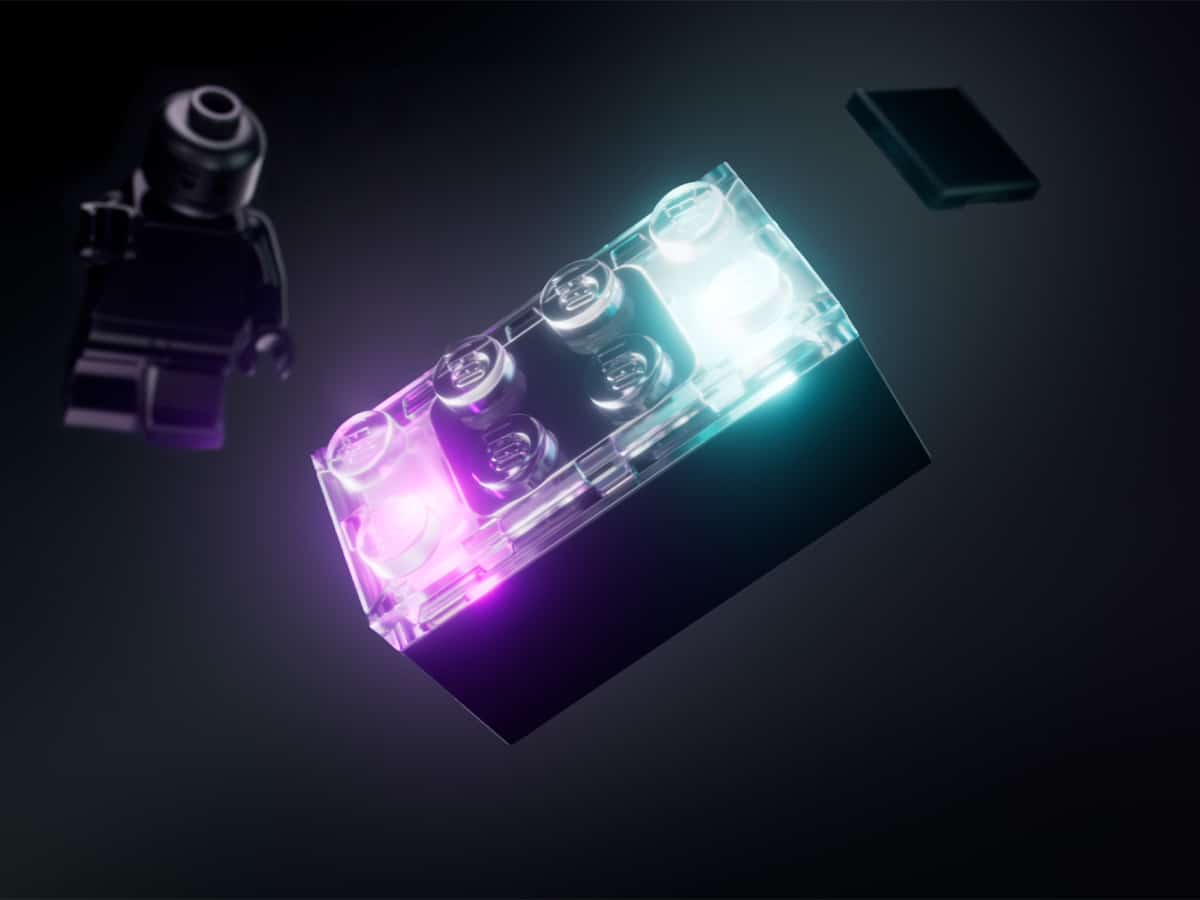
Considered one of LEGO’s most significant evolutions since the Minifigure in 1978, SMART Play was an easy standout at CES 2026. At the centre of the system is the SMART Brick, which resembles a standard 2×4 piece but responds to movement, colour, and orientation, changing its behaviour based on how it interacts with SMART Tags and SMART Minifigures.
Each element reacts in real time, adding a new layer of interactivity to LEGO play for both kids and adults.
What makes SMART Play genuinely impressive, though, is its restraint. There are no screens or companion apps. Every SMART Play piece comes preprogrammed and ready to go. That simplicity does limit customisation, but it also keeps the focus firmly on physical play. LEGO has already signalled that the system will expand through future updates and releases, and if the early Star Wars SMART Play sets are any indication, and if the LEGO Star Wars SMART Play sets are anything to go by, the future of LEGO is even more limitless even after the bricks are built.
LG CLOiD
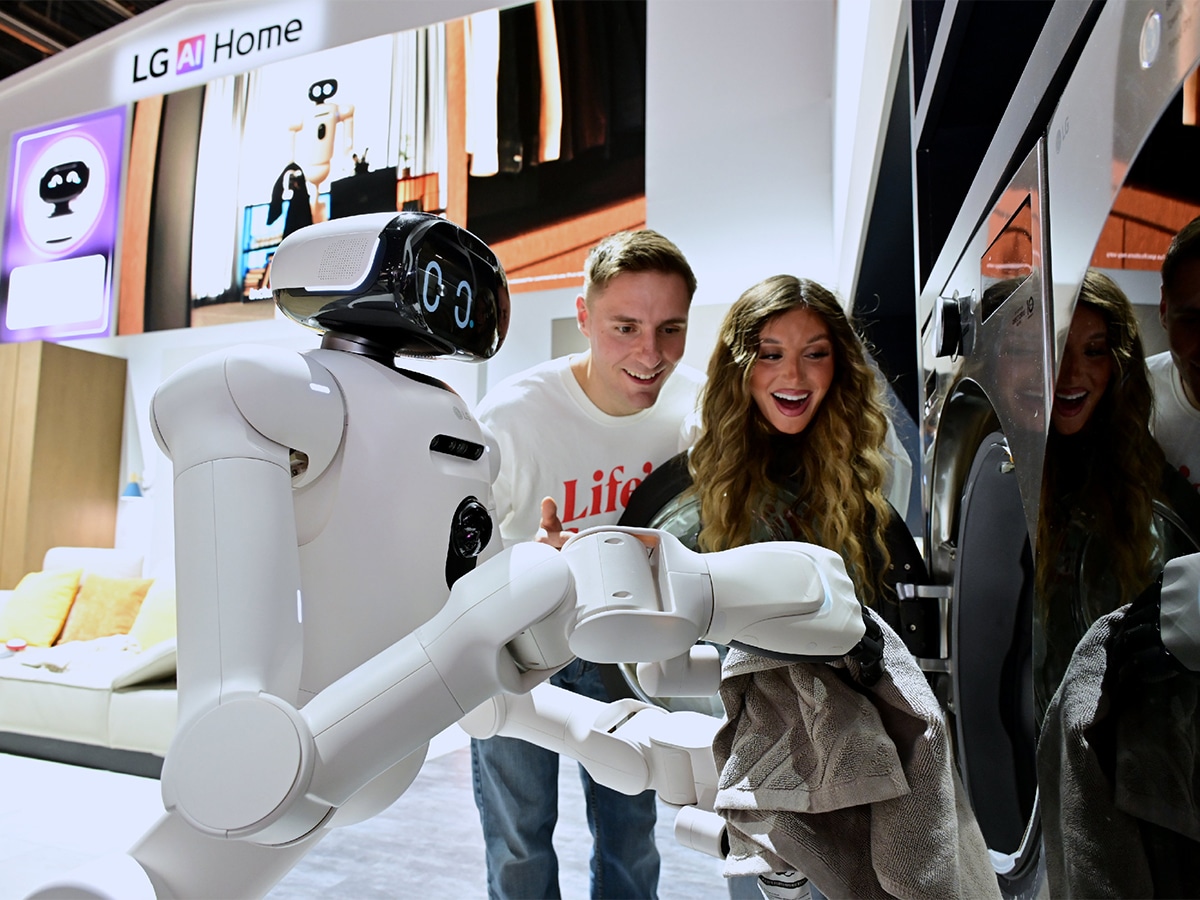
LG’s CLOiD is the clearest expression yet of the company’s “Zero Labour Home” ambition, and quite frankly, one of the most confronting things on the CES 2026 show floor.
This isn’t H.E.R.B.I.E. from the Fantastic Four, it’s not even Four (or Gary) from Superman. This is a full-scale home robot pulled straight from The Jetsons, designed to move through your house, operate appliances (preferably LG), and handle everyday chores such as cooking and laundry. In LG’s demos, CLOiD fetches milk from the fridge, puts croissants in the oven, runs the washing, and then folds the clothes when it’s done.
Technically, it’s impressive. CLOiD uses vision-based Physical AI, articulated arms with human-like movement, and tight integration with LG’s ThinQ ecosystem to understand what’s in front of it and what needs to be done. Philosophically, it represents a potentially monumental leap in home robotics. This isn’t just a robot vacuum or a smart speaker that talks back. It takes things a step further and assumes domestic labour to the point that it could all but disappear. Whether that sounds like a dream or a mild existential crisis covered in an upcoming Rick and Morty episode probably depends on how much you enjoy folding laundry.
Samsung R95H 130-inch MicroRGB
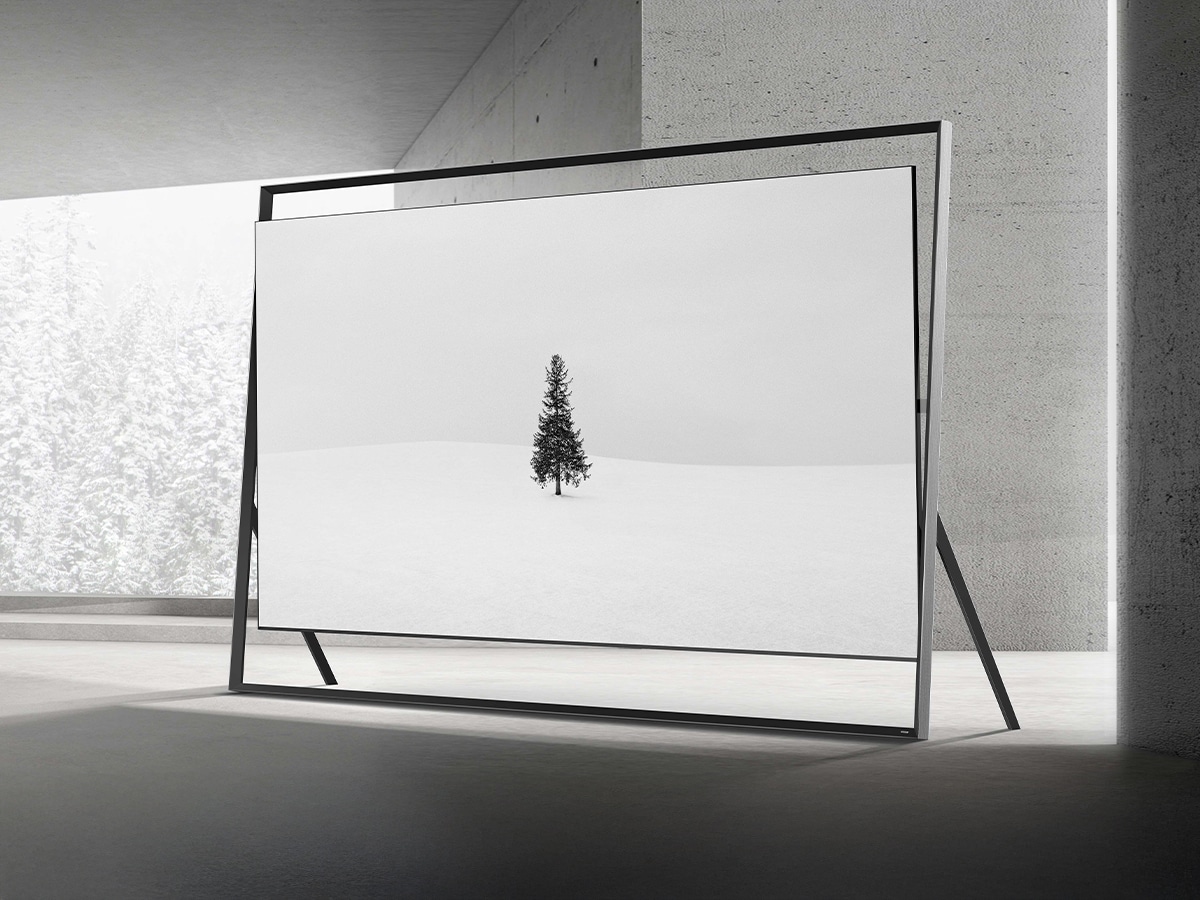
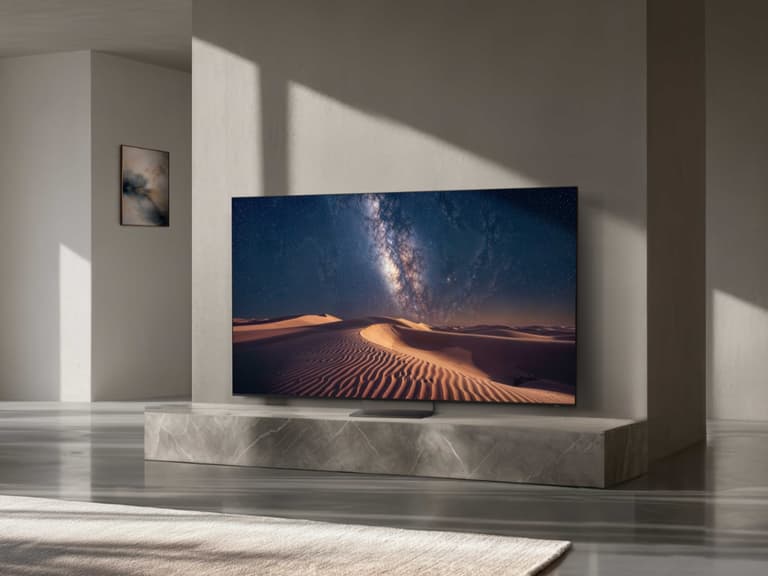
The Samsung R95H is a 130-inch MicroRGB TV, and yes, the size is impossible to ignore. But what made it noteworthy at CES 2026 wasn’t just scale. It was Samsung’s Timeless Frame design language. This isn’t another oversized black rectangle for watching Bridgerton. The R95H is framed as architecture, a display designed to be admired even when it’s not showing another rewatch of Dune.
But art only gets you so far. We want to know how it looks. MicroRGB replaces traditional colour filters with individually controlled red, green, and blue LEDs, promising higher brightness, purer colour, and a longer panel lifespan. In doing so, Samsung is clearly signalling where its ultra-premium displays are headed, sidestepping some of the compromises that still haunt flagship OLEDs. It won’t be cheap or common. But that scarcity is part of the point. This is Samsung staking out the future of its highest-end TVs, whether most living rooms are ready for it or not.
Lenovo Legion Pro Rollable Gaming Laptop Concept
At first glance, it appears to be a standard Lenovo gaming laptop. Then the screen expands into a full 24-inch display designed for championship esports training. The Legion Pro Rollable is a proof-of-concept built around a simple idea: competitive players train on large monitors, but between tournaments, gaming laptops come with a screen-size compromise that’s been begging for a fix.
The screen itself is a rollable PureSight OLED panel that expands horizontally from 16 inches to 21.5 inches, and eventually out to a full 24 inches. Lenovo utilises a dual-motor tension system to maintain the panel’s stability as it moves, minimising vibration and noise while ensuring a consistent surface across the display. However, beyond the spectacle of a rollable OLED in a gaming laptop, this proof of concept envisions a future where travelling esports athletes train on the same screen size they compete on, without dragging an external monitor through airports and hotel rooms.
Razer Project AVA
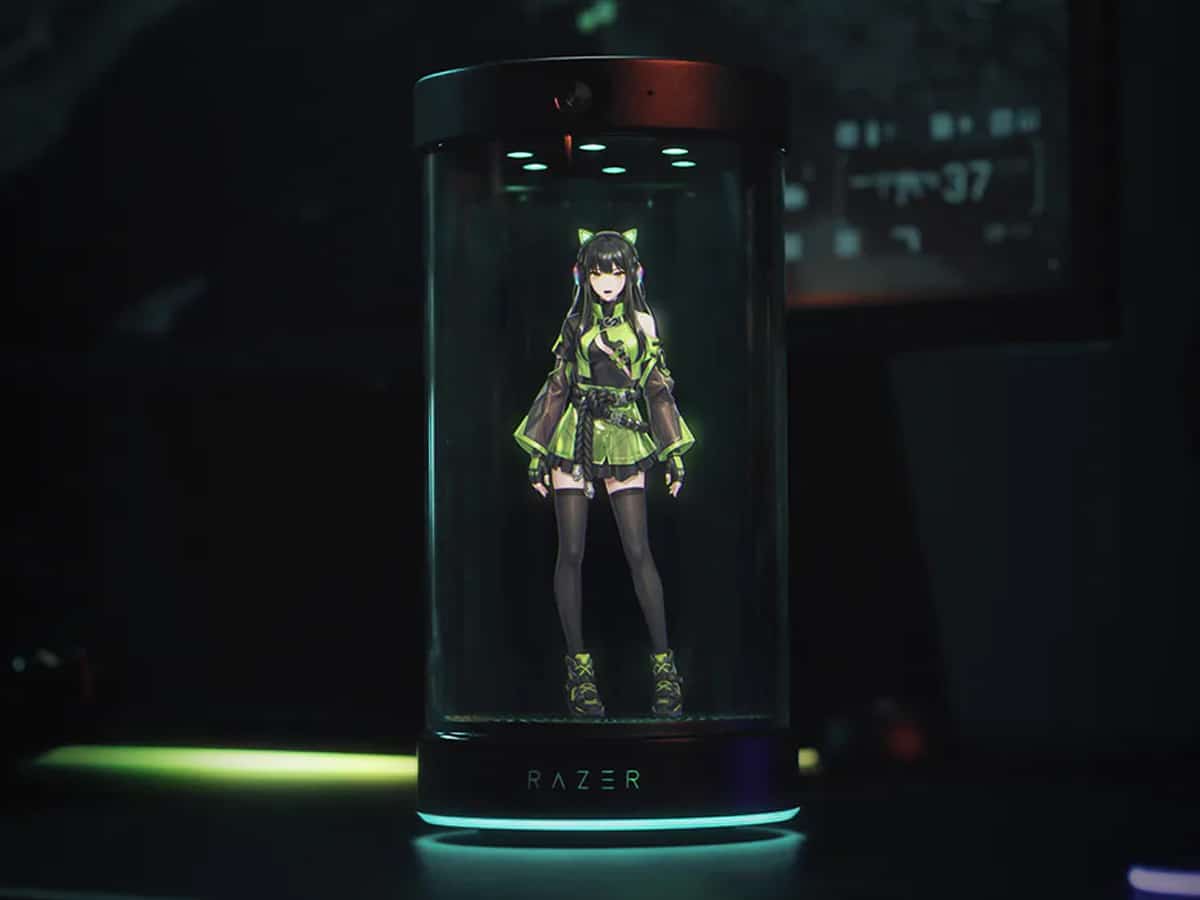
Razer’s Project AVA returned to CES 2026 in a very different form. What began as an esports AI coach has evolved into a physical AI desk companion (powered by xAi’s Grok engine, for now), complete with a small holographic display, animated avatars, and a learning engine that sits alongside your PC all day, every day. It’s part assistant, part coach, part digital omnipresence.
AVA can see what’s on your screen, listen through far-field microphones, and respond in real time, offering gaming advice, productivity help, or basic life admin, depending on how you use it. Honestly, it reminds us a lot of the old school Nintendo Power Line. But instead of calling a hotline for gameplay hints, Razer leans heavily into personalisation and interactivity, with selectable avatars ranging from calm and helpful to esports legends, and yes, you can even have a waifu. After all, Project AVA is intended to be a “Friend for Life”.
The bigger question is usefulness. Between Siri, Google Assistant, Alexa, Bixby, and every other voice assistant already living in our homes, it’s fair to wonder how much value a gaming-tuned desk companion adds to daily life, beyond pwning n00bs. Oh, and sorry, Apple users. Razer Project AVA is designed specifically for Windows users only.
Roborock Saros Rover
On the surface, the Roborock Saros Rover is just another robot vacuum. Then it stands up and starts climbing stairs. Shut up and take my money. Built around a world-first wheel-leg architecture, the Saros Rover can raise, lower, and move each leg independently, allowing it to tackle stairs, slopes, and awkward multi-level thresholds. If you thought conquering carpets was impressive, just wait till you see this in action.
Utilising AI-driven motion control and 3D spatial awareness, the Saros Rover can autonomously clean multi-story homes. There’s just one catch. It’s not actually finished yet. The Saros Rover is still in development, with no release date in sight. Roborock is also being tight-lipped about its real-world reliability, given the number of moving parts. Regardless, the Saros Rover is a fun glimpse into the future of robotics and cleaner living spaces.
RheoFit A1 Robotic Massage Roller
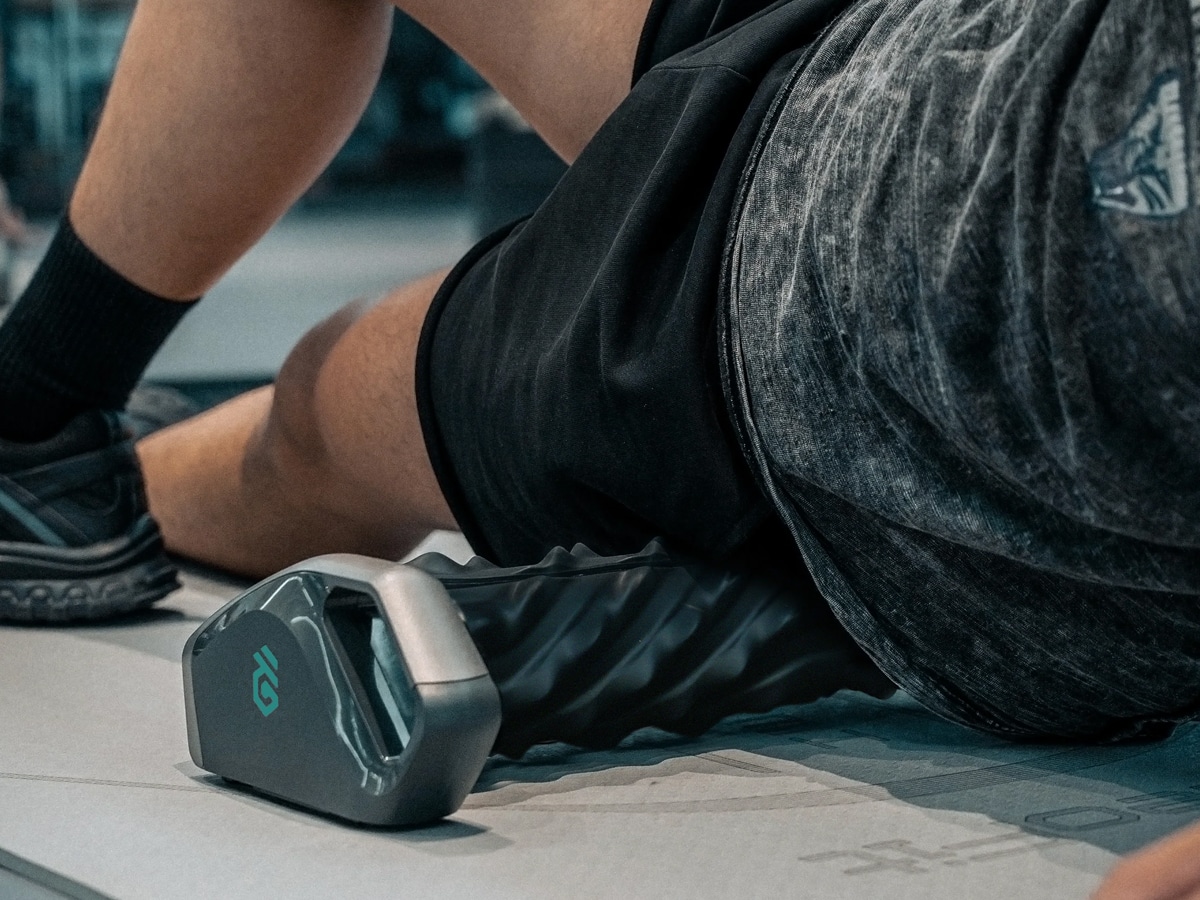
The RheoFit A1 takes a familiar recovery tool and removes the part most people quietly hate: doing the work yourself. Instead of rolling around on the floor trying to hit the right spot, this robotic massage roller does the work for you, gliding up and down muscles with enough force to actually make a difference. Think foam rolling, but automated, hands-free, and far more consistent.
What earns it a spot here is just how far it pushes that hands-free idea. The A1 utilises AI-driven body scanning and activity-specific programs to adjust pressure and coverage based on your activity, whether that’s running, lifting, or simply spending too many hours hunched over a laptop. With interchangeable massage covers, serious stall force, and long battery life, it’s clearly built for individuals who prioritise recovery as part of their training, not an afterthought. And before anyone reaches for the word “lazy,” it’s worth remembering that not everyone has full mobility. For some people, this could be genuinely life-changing.
It’s not going to replace a physio, and it’s hardly a casual fitness purchase. However, for anyone training solo, recovering alone, or managing ongoing soreness, the RheoFit A1 feels less like a gimmick and more like a smart piece of wellness technology that meets people where they are.
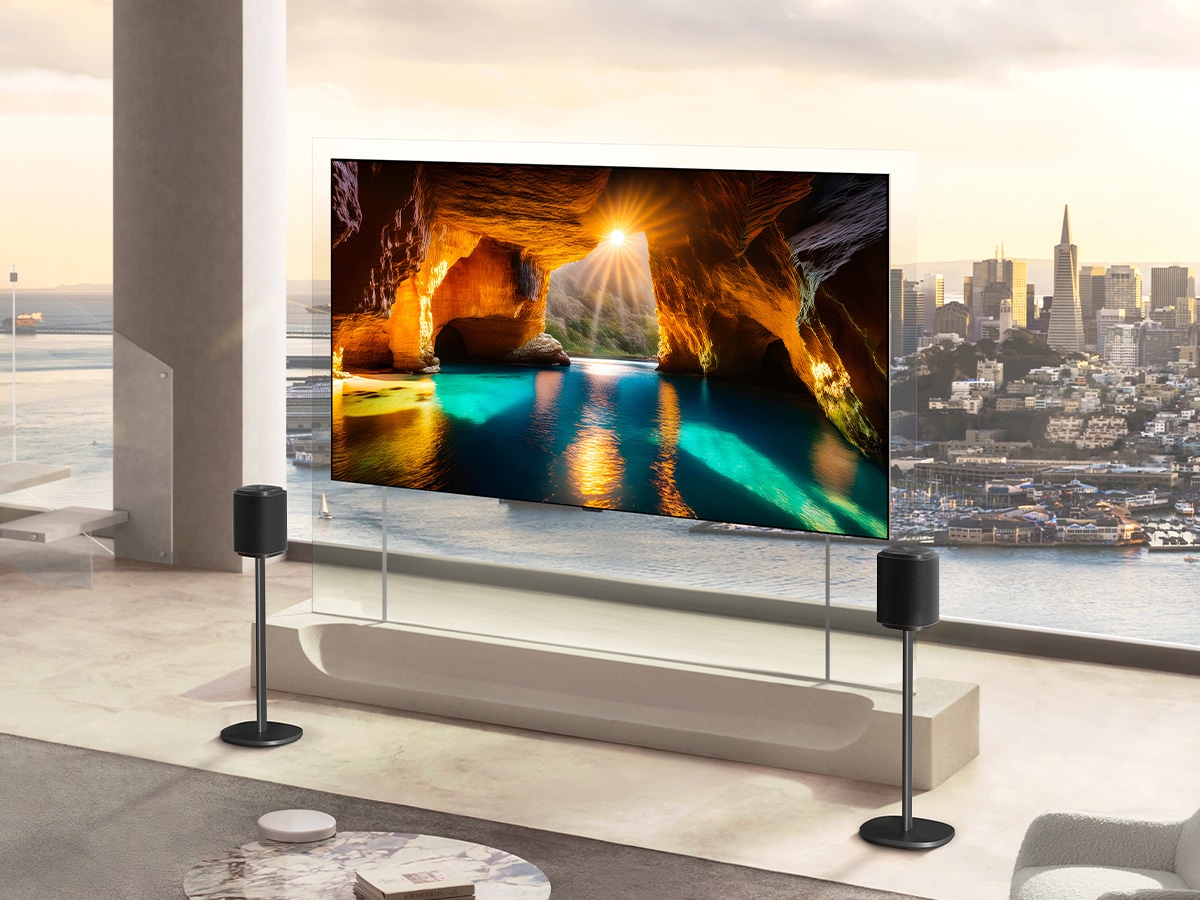
LG W6 Wallpaper OLED TV
The primary purpose of the LG W6 Wallpaper OLED TV is to blend in. LG, like a few other display makers, is clearly working toward a future where TVs are more than just entertainment boxes. At just 9 mm thick (8.47 mm, if you’re being pedantic), the W6 integrates flush with the wall, properly earning its ‘Wallpaper’ name. Better still, it’s genuinely wireless. Video and audio are handled via LG’s Zero Connect box, leaving only power running to the panel itself.
Under the hood, LG hasn’t treated design as an excuse to cut corners. The W6 runs on LG’s latest OLED platform, promising better blacks, stronger colour and improved brightness with less reflection. It’s powered by the new Alpha 11 AI Processor Gen3, which LG says delivers a noticeable performance bump over the previous generation. The result is a TV that not only looks clean on the wall but also competes with the best displays once it’s switched on.
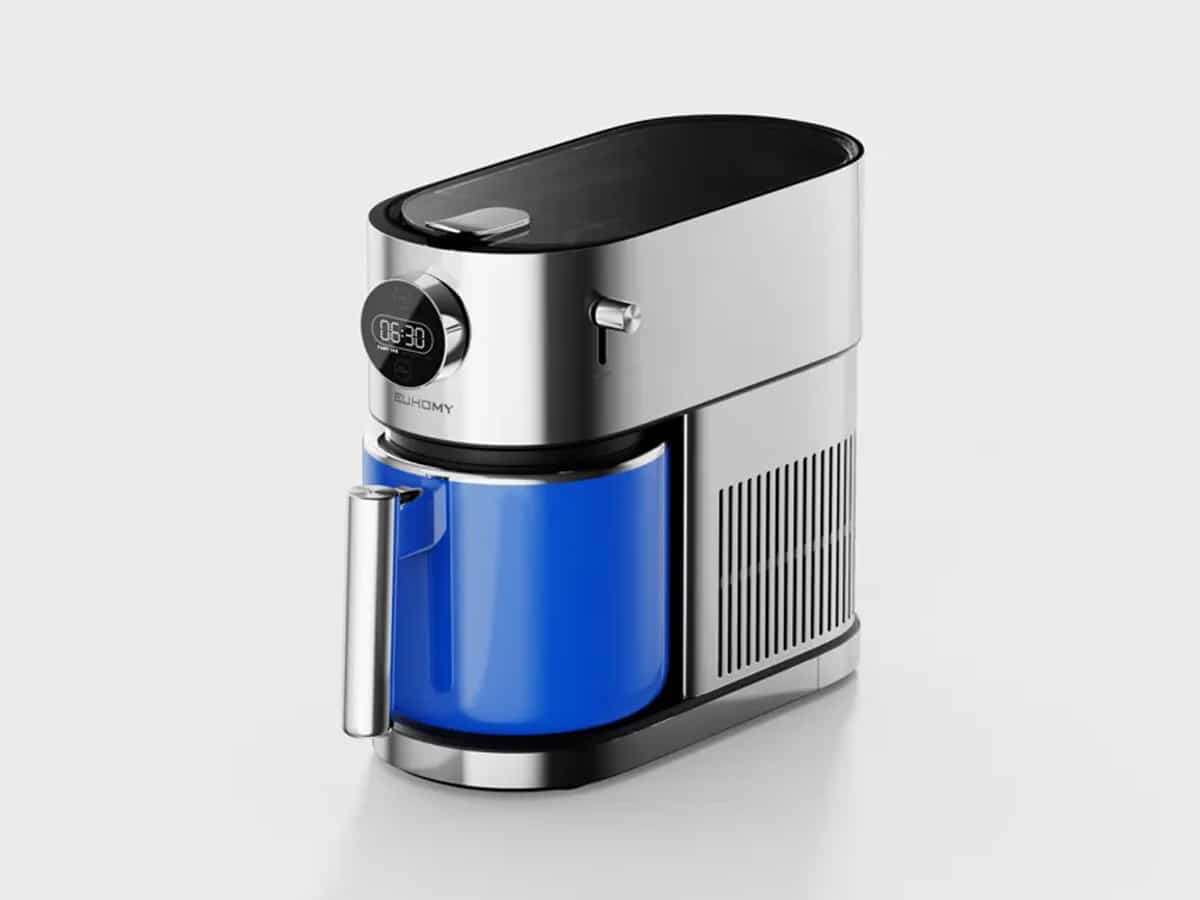
Euhomy Ice Leopard X1 Ice Maker
Most portable ice makers take 10 to 15 minutes just to produce their first batch, and even then, the slow trickle of cubes is never enough to keep drinks properly cold. For those of us in Australia, where bags of servo ice keep creeping up in price and summers don’t mess around, that’s been a long-standing issue. Thankfully, the Leopard X1 cuts that wait to around five minutes.
That speed is only half the appeal. The insulated bucket pulls straight out, keeps ice cold for hours without power, and doubles as a cooler for cans or bottles, making it a handy addition for BBQs, camping trips, or moving between the kitchen and the esky. There’s app control if you want to schedule your ice delivery, but the real joy is simpler: press a button, get ice, move on. It’s not an essential piece of kit, but in an Australian summer, this kind of portability feels right at home.
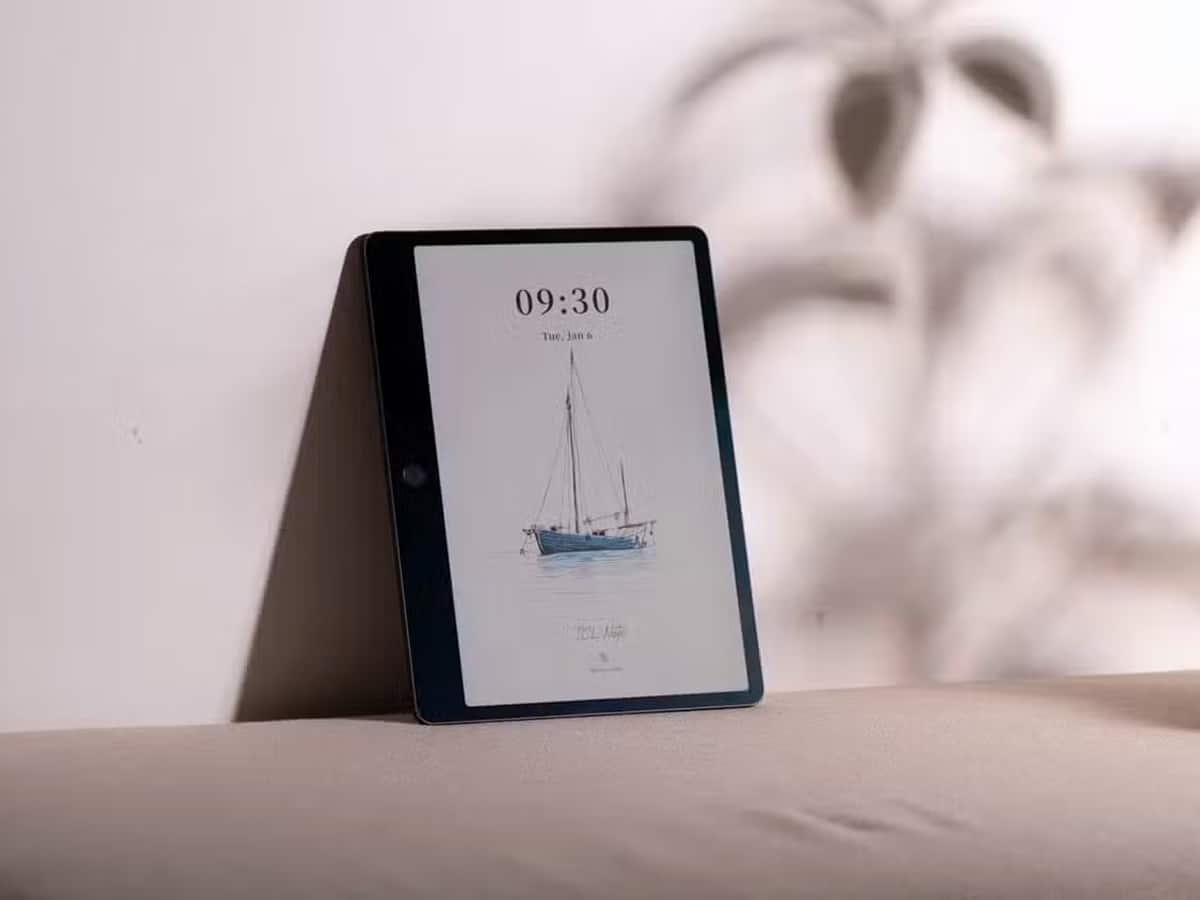
TCL Note A1 NXTPAPER
The TCL Note A1 NXTPAPER feels like TCL’s answer to the cult following around the reMarkable 2, just with the now-commonplace AI take on the formula. Where most tablets chase brightness and colour, the Note A1 goes in the opposite direction, prioritising a paper-like screen that’s designed for long reading and writing sessions without the usual eye fatigue.
The NXTPAPER Pure display reduces glare and blue light, while the T-Pen Pro provides a convincing pencil-on-paper feel that will be immediately familiar to anyone who has used paper-like tablets. The difference is that TCL layers in optional AI tools for transcription, summaries, and rewriting, rather than keeping things strictly analogue. It’s not trying to replace your laptop or compete with an iPad. Instead, it’s aimed squarely at students, creatives, and professionals who love the focus of paper but want a little more flexibility than traditional e-ink tablets allow.
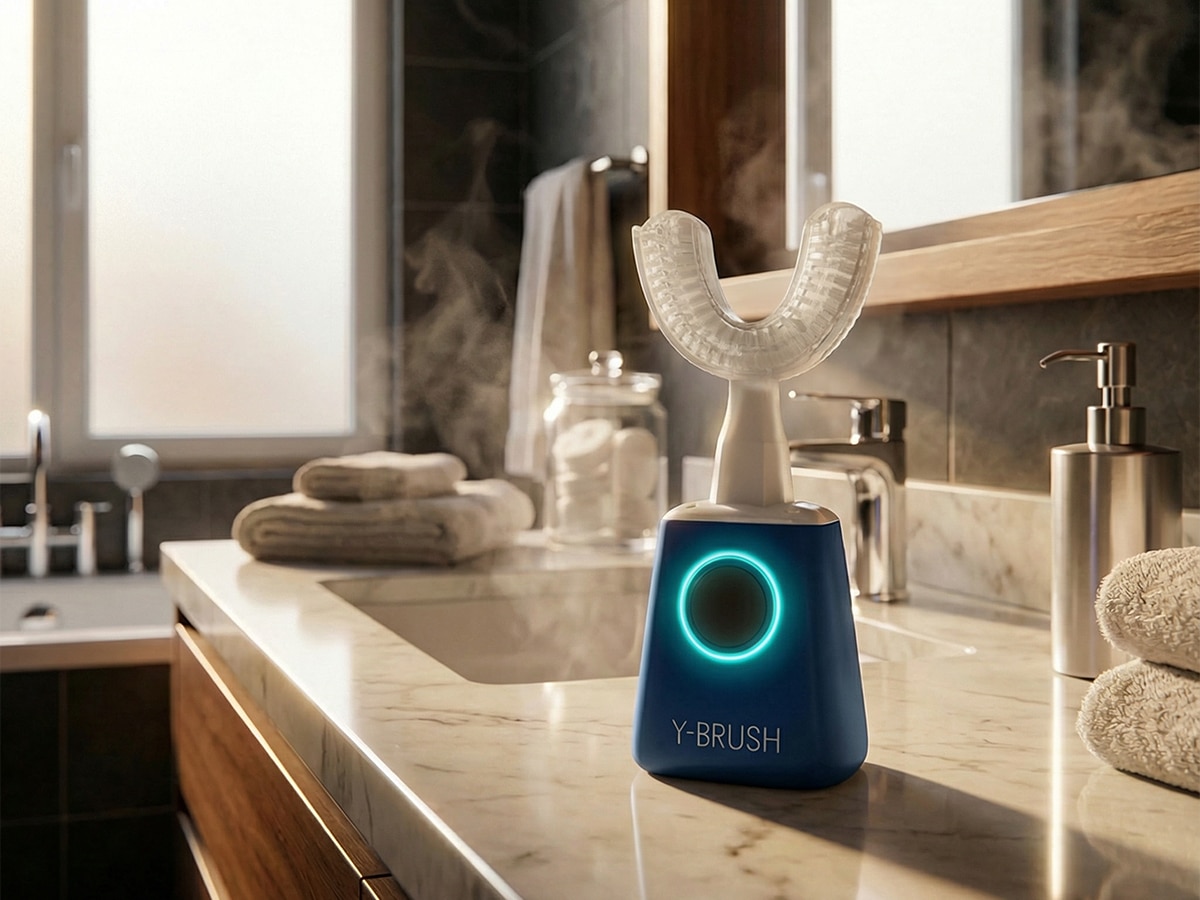
Y-Brush Halo
Y-Brush has never been subtle, but Halo might be its boldest swing yet. On the surface, it’s still the brand’s signature 20-second sonic toothbrush, designed to clean your entire mouth in the time it takes most of us to open Instagram. Look closer, though, and Halo is trying to turn that daily habit into a passive health check.
Built into the brush is what Y-Brush calls SmartNose, a sensor that analyses breath biomarkers during brushing and feeds the data to an AI system. The claim is ambitious: early signals for everything from gum disease to metabolic issues, all without altering your brushing routine. LEDs on the handle visualise the process, while deeper insights are stored in an app and can be shared with dentists or doctors if desired.
Naturally, this raises questions. The idea of a toothbrush quietly assessing your health is both fascinating and confronting, and Halo is still very much a product in development, with a 2027 launch target. But as a piece of CES thinking, it’s a sharp example of where personal health tech is heading: fewer extra steps, more data piggybacking on routines we already can’t avoid, whether we’re ready for our toothbrush to know that much about us is another matter entirely.

Mirumi
Mirumi resembles a Labubu doll having a one-night stand with a Furby. And judging by the reactions on the CES show floor, it stopped plenty of people in their tracks. Originally showcased as a concept at CES 2025, Japanese robotics studio Yukai Engineering has since brought it to life as part of its ongoing mission to build robots that bring people closer together.
Clipped to a bag or strap, Mirumi reacts to sound, touch, and movement with small, shy gestures that evoke a deliberately baby-like quality. It glances around, turns its head when it hears a voice, responds to head pats, and occasionally moves on its own for no apparent reason. There’s no screen, no voice assistant, and no productivity angle to be found here. Just an intentionally awkward, oddly human presence that invites eye contact and the occasional smile from strangers on the train.
The obvious question is why this exists at all. And to that, we say, why not?
Seattle Ultrasonics Chef’s Knife
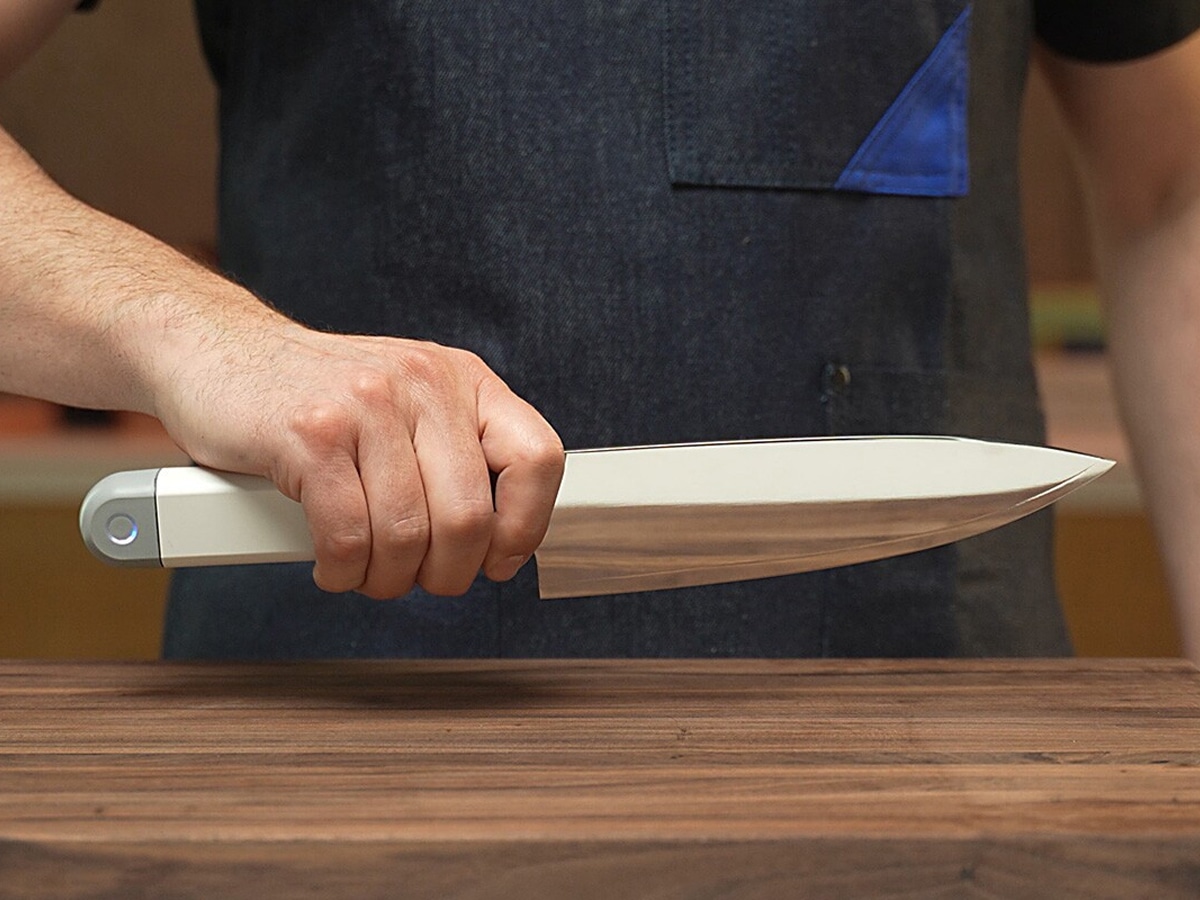
The Seattle Ultrasonic C-200 resembles a beautifully crafted chef’s knife, with one curious detail: a bright orange button in the handle. Press it, and the blade begins to vibrate at a frequency exceeding 30,000 times per second. You can’t hear it. You can’t feel it in your hand. But suddenly, cutting takes noticeably less effort, with cleaner slices and far less food sticking to the blade.
That’s the ultrasonic trick on display here. Instead of forcing sharpness through pressure alone, the C-200 reduces friction at the blade, making it behave sharper than it physically is. However, even with the power switched off, it remains a proper chef’s knife. Built from Japanese AUS-10 steel hardened to 60HRC and balanced for long prep sessions. Is it overkill for most home cooks? Probably. However, as a piece of kitchen tech, it’s one of the rare CES ideas that genuinely feel useful.
Tone Outdoors T1
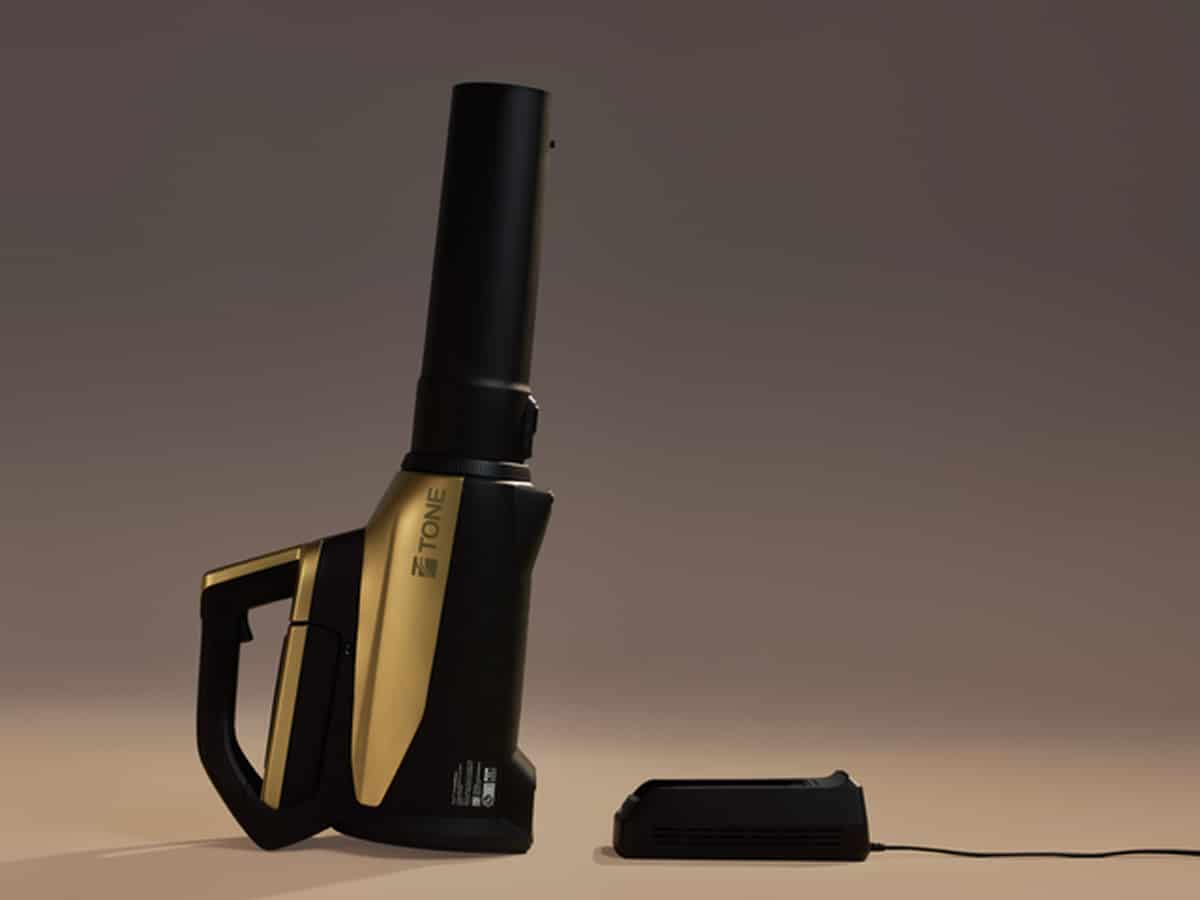
When you think about the sounds of summer, ocean waves, clinking glasses, cricket crowds, and tennis balls on hard courts usually come to mind. What you don’t want to hear is a leaf blower screaming through the neighbourhood. Thankfully, someone at CES 2026 had our eardrums in mind. If you’re sick of the noise, the Tone Outdoors T1 feels like a long-overdue solution.
Developed by aerospace startup Whisper Aero under its Tone Outdoors label, the T1 utilises redesigned fan and motor technology to deliver substantial airflow with significantly reduced noise. We’re talking cyclone-level air speeds, but at a volume that won’t kick off a neighbourhood WhatsApp war. There are also thoughtful features here, such as multiple power modes, a trigger lock to reduce fatigue, and a built-in LED that allows you to work early or late without illuminating the whole street. It’s still a leaf blower, but for once, it feels like one designed for people who live near other people.

Tombot Robot Dog
The Tombot Robot Dog appears to have wandered in from the same uncanny corner of CES as Mirumi. It’s soft, wide-eyed, and just realistic enough to make you do a double-take. You pat its head, and it responds. You speak, it reacts. There’s an immediate, almost automatic emotional response, the kind that makes people crouch down and start saying “good girl” before remembering they’re at a tech show.
That’s where the similarity ends. Where Mirumi exists to spark a smile or a moment of awkward delight, Tombot’s purpose is far more serious. Known as Jennie, this robotic puppy is designed for people who can no longer safely or practically care for a real animal, particularly those living with dementia or other health challenges.
Covered in touch sensors and powered by voice recognition, she responds with realistic movements and sounds recorded from a real Labrador puppy, aiming to recreate the comfort of pet ownership without the risks.
What is CES?
The Consumer Electronics Show (CES) is an annual trade show organised by the Consumer Technology Association. Held in January at the Shoreline Exhibit Hall in Las Vegas’ Mandalay Bay Convention Centre, it allows some of the world’s leading brands to showcase their plans for the future and new technological advancements.
In recent years, CES has expanded, with the number of categories increasing rapidly. In 2026, you can expect to see new releases and product showcases from companies, including manufacturers, developers and suppliers of consumer technology hardware, content, and technology delivery systems. Furthermore, the event also features a conference program, where the world’s business leaders and pioneering thinkers address the industry’s most pressing issues.
When is CES 2026?
CES 2026 runs from January 6 to 9, 2026. The floor show will open to the public from that date. However, you may see a number of key producers and technology companies release products and concepts early. Brands such as LG, Samsung, and Microsoft revealed new technology as early as December; however, the bulk of the new releases will be unveiled during the multi-day event.
What CES 2026 Left Us Thinking About
Taken together, these products paint a clear picture of CES 2026. Tech is becoming less obsessed with shouting and more interested in listening. Less about showing off, more about fitting in. Whether it’s a robot that climbs stairs, a toothbrush that knows too much, or a leaf blower designed not to annoy the neighbours, the common thread is intent.
Not everything here will be for everyone, and not all of it will even make it to market. But that’s kind of the point. CES is still at its best when it gives us a glimpse of what could be, not just what’s coming next quarter. And this year, that future felt a little quieter, a little stranger, and, in many cases, a lot more human.






















Comments
We love hearing from you. or to leave a comment.